Tag: NCR

Southern Peripheral Road is fast emerging as the epicenter of Gurugram’s real estate market

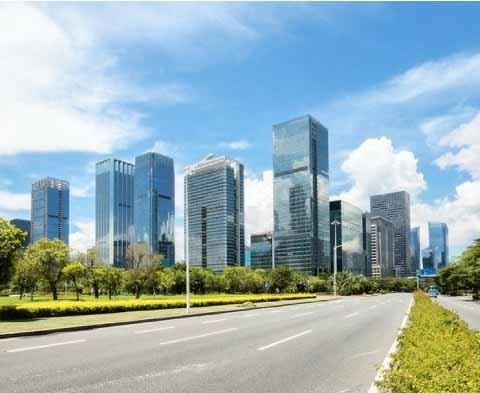
The Southern Peripheral Road (SPR) in Gurugram is rapidly transforming into one of the most coveted real estate destinations in the National Capital Region (NCR). Spanning 16 kilometers, SPR has become the newest hotspot for both investors and homebuyers, drawn by its unparalleled connectivity, luxurious living options, and promising prospects.

Unmatched Connectivity: The Heart of SPR’s Appeal

One of the most compelling reasons for SPR’s rise as a real estate hub is its unmatched connectivity. This 90-meter-wide road serves as a critical artery linking various key destinations within Gurgaon and beyond. According to the India Real Estate Report by Knight Frank, SPR connects Gurgaon’s prime sectors with South Delhi through MG Road, Faridabad Highway, and the elevated road between Dwarka and Sohna expressways. This strategic connectivity ensures smooth traffic flow and easy access to major routes like the Golf Course Road, Golf Course Extension Road, and NH-8.

Moreover, SPR’s connection to NH-8 facilitates direct access to Jaipur, while its proximity to the Sohna Road enhances connectivity to the Delhi-Mumbai Industrial Corridor. Additionally, the corridor provides seamless access to the Indira Gandhi International Airport, making it an ideal choice for frequent travellers and businesses seeking well-connected locations. The integration of metro stations, particularly from the Millennium City metro station to Gurgaon sectors 71 and 72, further enhances public transportation options, reducing reliance on private vehicles and mitigating traffic congestion.

Premium Living Spaces: Catering to Discerning Homebuyers

SPR’s real estate landscape is marked by a surge in premium residential projects, catering to the growing demand for premium living spaces. According to the Cushman & Wakefield Q1 2024 Report, the corridor witnessed the launch of 3,614 new units in the first quarter of 2024, with the premium segment commanding a remarkable 61% market share. This surge underscores the region’s appeal among discerning homebuyers seeking quality and convenience.

Proximity to sectors like 68, 69, 70, 70A, 71, 72, 73, 74, 74A, 75, 75A and 76 has further fuelled SPR’s attractiveness. Esteemed developers have played a pivotal role in transforming SPR into a hub of luxurious & premium residential and commercial excellence.

Robust Infrastructure Development: Shaping the Urban Landscape

The robust infrastructure development along SPR is another key factor driving its real estate boom. The road’s strategic planning and development have created a well-rounded urban ecosystem that enhances liveability and productivity. Wide, well-maintained roads, state-of-the-art amenities, and ample green spaces contribute to SPR’s appeal as a modern urban corridor.

Further planned infrastructure projects, such as the upcoming metro line running parallel to SPR, promise to further elevate its status as a prime real estate destination. The Gurgaon-Manesar Masterplan designates sectors 71 and 73 for commercial development, adding to SPR’s appeal for institutional and commercial growth. This comprehensive development plan positions SPR as a lucrative investment destination, offering a blend of residential comfort and commercial viability.

Economic Prosperity: Job Creation and Ecosystem Development

SPR’s impact extends beyond real estate to drive economic prosperity through job creation and ecosystem development. The development and operation of residential and commercial projects along SPR have generated direct employment opportunities in construction, property management, hospitality, and retail sectors. Moreover, SPR has catalysed the growth of ancillary industries and services, ranging from transportation and logistics to healthcare and education.

Ravi Aggarwal, Co-founder & Managing Director, Signature Global (India) Limited said, “The Southern Peripheral Road (SPR) is undergoing significant new developments, including the elevated SPR and the cloverleaf at Vatika Chowk. These enhancements will ensure smooth traffic flow from the Sohna elevated road and SPR to the Dwarka Expressway, the Delhi-Mumbai Expressway, and NH48, thanks to the entire loop having controlled access for traffic movement. Additionally, the upcoming jungle safari further enhances the investment appeal of this location.

SPR well positioned as the heart of Gurugram, an upcoming metro station planned in 72 A, and various multinational brands across the segments are setting their office space or retail centres in the location indicating its potential. Besides, a proposed metro line running along SPR from Sector 55/56 to Vatika Chowk, featuring five new metro stations at Sector 56, Sushant Lok, Sushant Lok Phase-3, Rosewood City, and Vatika Chowk, also contributes to making this an ideal investment destination. Property prices are expected to surge around SPR, with sectors nearby such as 71, 72, 75, and 76 experiencing the highest appeal among homebuyers and investors.”

He further added, “More than just a transportation link, SPR is the backbone of Gurugram’s urban expansion. The corridor’s development showcases strategic urban planning, meeting the city’s growing demand for integrated living and working spaces. The ongoing projects and infrastructural enhancements are poised to make SPR a central hub for Gurugram’s economic growth. Investing in SPR today is like tapping into Gurugram’s future. The corridor’s blend of residential, commercial, and industrial spaces ensures continuous demand and rising property values. With the government’s strong push for infrastructure and connectivity, SPR is set to become one of the most coveted real estate destinations in the NCR region.”

Kushagr Ansal, Director of Ansal Housing said, “Southern Peripheral Road is rapidly becoming the heart of Gurugram’s real estate boom. Boasting excellent connectivity, modern infrastructure, and proximity to key commercial hubs, it attracts both investors and homebuyers, transforming the area into a sought-after destination for premium residential and commercial developments.”
Unsold Housing Inventory – NCR Down 57%, South 11%, West 8% in 5 Years

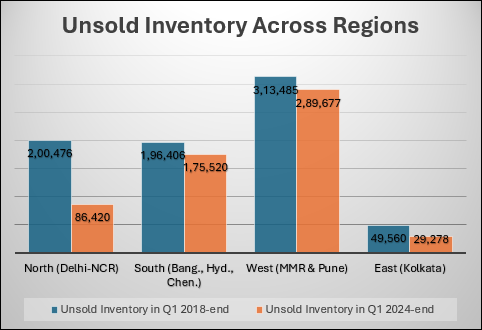
Mumbai, 24 May 2024: Going by a region’s prevailing unsold housing inventory as an indicator of its realty market’s health, North India’s Delhi-NCR – once notorious for speculation-driven oversupply and all-round market disarray – is in significantly better shape than the other regions. Latest ANAROCK data indicates that Delhi-NCR’s unsold inventory declined by a massive 57% in the last five years.

image002

The top Southern markets Bengaluru, Hyderabad, and Chennai saw their collective unsold stock shrink by 11% in this period. MMR and Pune in the West saw their cumulative unsold stock reduce by 8%. In the East, Kolkata saw its unsold inventory decline by an impressive 41% in the period.

NCR’s unsold stock declined from approx. 2 lakh units at Q1 2018-end to approx. 86,420 units by Q1 2024-end. In the same period, the main southern cities saw their unsold stock decline from over approx. 1.96 lakh units in Q1 2018 to over 1.76 lakh units in Q1 2024.

image001

Source: ANAROCK Research

South India’s relatively low decline of unsold inventory is attributable to a massive new launch rate in Hyderabad, most notably over the last two years. The city saw its housing stock almost quadruple in the last 5 years. Bengaluru saw unsold inventory decline by 50% in this period.

In the West, MMR and Pune saw unsold stock decline by 8% in the last five years – from approx. 3.13 lakh units in Q1 2018 to approx. 2.90 lakh units in Q1 2024.

Santhosh Kumar, Vice Chairman – ANAROCK Group, says, “What really worked for NCR market was developers’ determination to keep new supply addition under control. ANAROCK data indicates that NCR witnessed total new supply of approx. 1.81 lakh units between Q1 2018 to Q1 2024. In contrast, the southern and western markets saw significantly higher new supply additions of approx. 6.07 lakh units and 8.42 lakh units respectively.”

NCR‘s upbeat performance also reflects renewed buyer confidence in the region,” says Santhosh Kumar. “RERA, GST and the intervention of AIFs like the SWAMIH fund have played a major role in this sentiment revival. As a result, more leading and listed players have increased supply in the region.”

Zone New Supply Added in last 5 Yrs. (Units)
North 1,80,885
South 6,06,654
West 8,42,298
East 80,934

Source: ANAROCK Research

Of the total unsold inventory in NCR:

  • Gurgaon currently has the maximum stock of approx. 33,326 units – a 37% decrease in the last five years.
  • Greater Noida is next with approx. 18,668 units lying unsold as of Q1 2024-end. However, Greater Noida reduced its stock by a whopping 70% since Q1 2018.
  • Ghaziabad saw its unsold stock decline to approx. 11,011 units in Q1 2024, from approx. 37,005 units in Q1 2018 – a massive 70% 5-year decline.
  • Noida had approx. 7,451 unsold units by Q1 2024-end, against 25,669 units in same quarter of 2018 – thus declining by 71%.
  • Delhi, Faridabad & Bhiwadi together had approx. 15,964 unsold units as on Q1 2024-end, from approx. 23,038 units at Q1 2018-end – a 31% decrease.
Available Inventory in Delhi-NCR (Units)
  Q1 2018-end Q1 2024-end % Change
Gurgaon 53,136 33,326 -37%
Noida 25,669 7,451 -71%
Greater Noida 61,628 18,668 -70%
Ghaziabad 37,005 11,011 -70%
Faridabad, Delhi, Bhiwadi 23,038 15,964 -31%
Total 2,00,476 86,420 -57%

Source: ANAROCK Research

Southern Peripheral Road: The Heart of Gurugram

The Southern Peripheral Road (SPR) has emerged as one of Gurugram’s most pivotal real estate corridors, playing a crucial role in the city’s urban and economic expansion. Spanning from the Gurgaon-Faridabad Road near Sector 58 to its connection with NH-48 near Sector 74A, and intersecting Sohna Road at Badshahpur Chowk, SPR is more than just a transportation link—it is the lifeline that integrates various parts of the city.

WhatsApp Image 2024-05-20 at 11.57.37

SPR’s strategic location and extensive reach make it a vital artery for Gurugram. This evolving corridor in South Gurgaon amalgamates several developed and developing sectors, addressing the city’s residential, commercial, and industrial demands. It serves as a seamless connection between key areas, enhancing accessibility and fostering economic growth. The infrastructure improvements, including the elevated SPR and the cloverleaf at Vatika Chowk, ensure that traffic flows smoothly between the Sohna elevated road, the Dwarka Expressway, the Delhi-Mumbai Expressway, and NH-48, thanks to controlled access for traffic movement.

Ravi Aggarwal, Co-founder & Managing Director, of Signature Global (India) Limited said, “The Southern Peripheral Road (SPR) is undergoing significant new developments, including the elevated SPR and the cloverleaf at Vatika Chowk. These enhancements will ensure smooth traffic flow from the Sohna elevated road and SPR to the Dwarka Expressway, the Delhi-Mumbai Expressway, and NH48, thanks to the entire loop having controlled access for traffic movement. Additionally, the upcoming jungle safari further enhances the investment appeal of this location.

SPR well positioned as the heart of Gurugram, an upcoming metro station planned in 72 A, and various multinational brands across the segments are setting their office space or retail centers in the location indicating its potential. Besides, a proposed metro line running along SPR from Sector 55/56 to Vatika Chowk, featuring five new metro stations at Sector 56, Sushant Lok, Sushant Lok Phase-3, Rosewood City, and Vatika Chowk, also contributes to making this an ideal investment destination.

Property prices are expected to surge around SPR, with sectors in close proximity such as 71, 72, 75, and 76 experiencing the highest appeal among homebuyers and investors.

More than just a transportation link, SPR is the backbone of Gurugram’s urban expansion. The corridor’s development showcases strategic urban planning, meeting the city’s growing demand for integrated living and working spaces. The ongoing projects and infrastructural enhancements are poised to make SPR a central hub for Gurugram’s economic growth.

Investing in SPR today is like tapping into Gurugram’s future. The corridor’s blend of residential, commercial, and industrial spaces ensures continuous demand and rising property values. With the government’s strong push for infrastructure and connectivity, SPR is set to become one of the most coveted real estate destinations in the NCR region.

Ankit Gupta, Director, Reach Group said, “The rapid growth in the real estate market has redefined luxury in Gurgaon over the last few years. The rising demand for luxury projects has also upsurged the commercial segment in the region. Amidst this demand, the Southern Peripheral Road in Gurgaon has witnessed a boost in development activity, presenting a wealth of investment opportunities across various real estate market segments. Additionally, with major companies like American Express, Air India, Pepsi, and Tata Realty investing in the area and establishing new campuses, the significance of SPR as a thriving hub for businesses continues to grow. The strategic connectivity of SPR to key infrastructure corridors like the Dwarka Expressway and the Central Peripheral Road (CPR) further enhances its appeal, facilitating seamless transportation and accessibility for residents and businesses alike.”

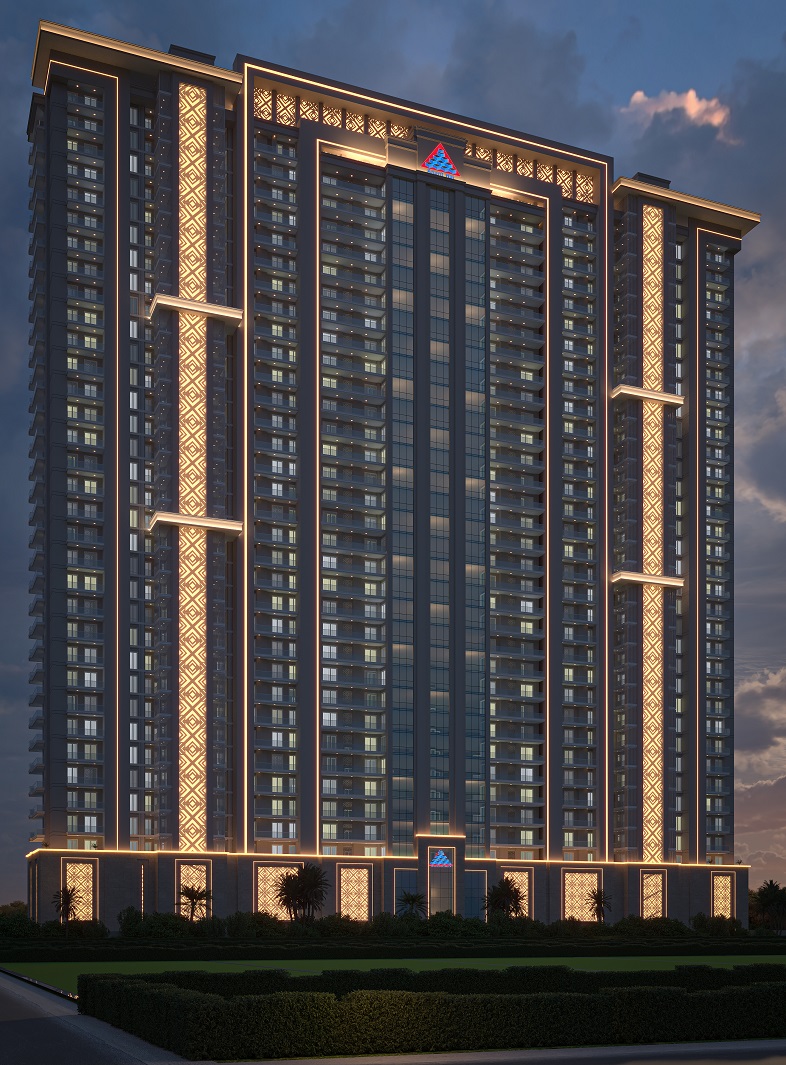
Ashwani Kumar, Pyramid Infratech says “The increasing demand for luxury housing in Gurugram is strengthening the market segment, enabling developers to curate high-end projects and transform the region into a highly desirable residential destination. In addition, the adjacent sectors along the SPR are gaining prominence, with residential projects boasting the finest amenities. The evolving sectors on the SPR corridor are witnessing increased traction from end-users and investors both seeking luxury projects. Sector 71, located along the SPR corridor, is becoming a popular choice among homebuyers due to its planned and proposed infrastructure, great connectivity, and luxurious surroundings. We have a project coming up on sec-71 which is an exquisitely designed luxury space set to provide an exceptional living experience, unparalleled comfort, and a great investment opportunity.”

JSW Cement to invest around Rs 3,000 crore to establish new integrated cement facility in Rajasthan

JSW Cement, part of US$ 24.25 billion JSW Group, plans to invest around Rs 3,000 crore to establish a greenfield, integrated cement manufacturing facility in Nagaur district of Rajasthan. The ground-breaking ceremony was held recently to commence the construction of the cement factory. JSW Cement’s investment in the new cement facility includes a clinkerization unit of up to 3.30 MTPA and a grinding unit of up to 2.50 MTPA, along with an 18 MW waste heat recovery based power plant. The investment also includes an approx. 7 km long Overland Belt Conveyor to transport limestone from the mines to the manufacturing plant and arrangements to use alternative fuel in the kiln. The proposed investment will be funded through a mix of equity and long-term debt.

JSW Cement has already received some of the regulatory and statutory approvals and is on track to obtain other necessary clearances. Once commissioned, this unit will mark JSW Cement’s entry into the attractive North India cement market. The current investment is expected to create more than 1,000 direct & indirect job opportunities.

According to Mr Parth Jindal, Managing Director of JSW Cement, “This is one of the most significant investments we are making in Rajasthan through our cement business. I look forward to working with the Rajasthan State Government to contribute to the economic development of the State while continuing to create substantial employment opportunities in the region. The proposed investment to establish our integrated cement facility in Nagaur puts JSW Cement firmly on its path to achieving a pan-India footprint within the next few years. The new capacity in this region will enable us to service the prolific needs of our customers in the Northern States of Rajasthan, Haryana, Punjab and the NCR region.”

Mr Nilesh Narwekar, CEO of JSW Cement said, “This investment will mark our entry into the fast-growing and attractive cement markets of North India. These States have one of the highest GDP growth rates and are witnessing significant infrastructure and housing development. We are very excited to be able to enter into this booming construction market and will aim to provide our customers with high quality cement and a world-class customer service.”

Anant Raj Ltd Unveils Exclusive Ultra-Luxury Residences in Gurugram Township, Setting New Standards

Gurugram: Anant Raj Limited is currently focussing at their 200-acre integrated residential township in Sector 63A, Gurugram which has composition of Villas, Floors, Commercial and Group Housings. They recently introduced their Ultra Luxury Project, “THE ESTATE RESIDENCES,” featuring just 248 units of spacious 4 BHK residences, totalling over 1.00 million sq. ft. of saleable area. The market response to this project has been overwhelmingly positive, with units sold within a few days of launch. It is believed that Anant Raj has plans to introduce more projects within this township in various phases over the coming years. These launches will also include 3-4 Group Housings.

THE ESTATE RESIDENCES

In addition to the above township Anant Raj also possess significant land holdings, approximately 100 acres in Delhi and another 100 acres in NCR. Development of lands in Delhi is said to commence once the Master Development Plan 2041 of Delhi is notified.

Anant Raj Limited’s Founder Chairman, Sh. Ashok Sarin, had a vision of providing quality accommodation to industrial workers residing on the outskirts of cities. And hence planned for affordable housing project in Neemrana, Rajasthan, tailored to meet the needs of industrial workers. One more such project in Tirupati, Andhra Pradesh, represents another step towards enhancing the living conditions of factory workers.

Anant Raj boasts a rich legacy spanning more than five decades, marked by numerous investments across various sectors. With a diversified portfolio that includes a range of completed projects, encompassing both residential and commercial developments in Delhi, NCR, and several other cities.

Additionally, Anant Raj Cloud, a 100% subsidiary of Anant Raj Limited is spearheading the development of Tier-III and Tier-IV Data Centers with a total capacity of up to 307 MW. The company plans to invest over Rs 10,000 crores over the next 5 years.

Students and parents explore academic and career pathways at Manthan University Fair

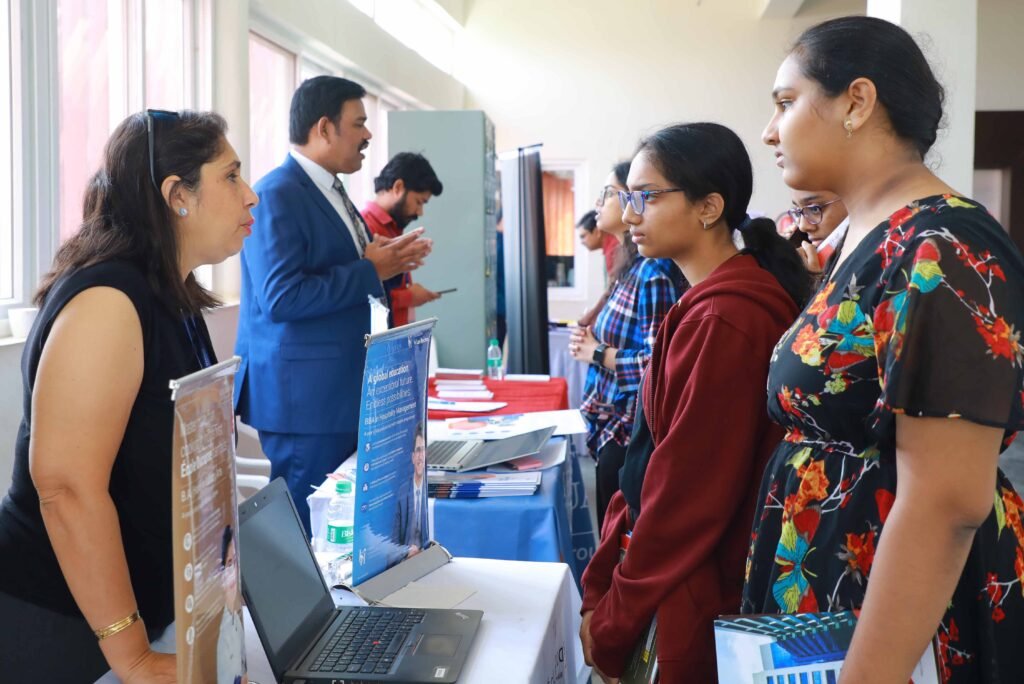
Hyderabad, 27th January 2024: Manthan School hosted a University Fair with over 20 prestigious universities and colleges in India taking part, offering diverse programmes in Arts & Humanities, Commerce, Engineering, Medicine, and Pure Sciences, at their campus in Tellapur, today.

University Fair at Manthan School, Tellapur.
University Fair at Manthan School, Tellapur

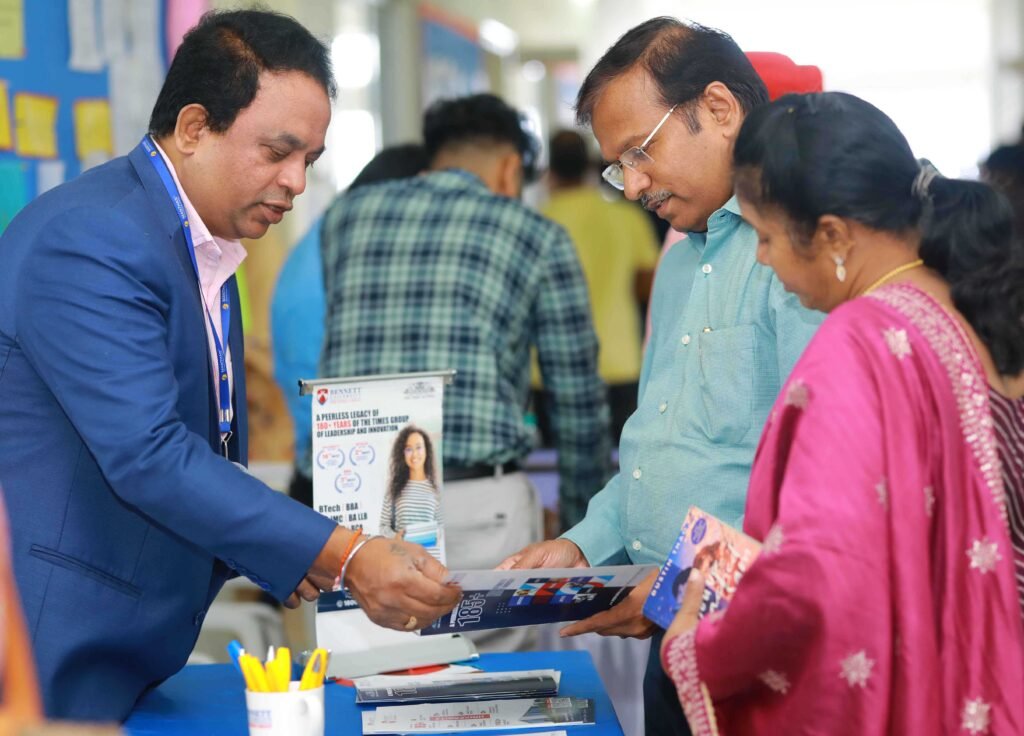
Participating universities included FLAME University (Pune), O. P Jindal University (Delhi NCR), GITAM University (Hyderabad), Mahindra University (Hyderabad), Indian School of Hospitality (Delhi, NCR), Vellore Institute of Technology (AP), Narsee Monjee Institute of Management Studies (Hyderabad), Vidyashilp University (Bengaluru), Thapar School of Liberal Arts and Sciences (Punjab), Culinary Guru Institute of Hotel Management (Hyderabad) and Bennett University (Noida).

University fairs stand as one among many initiatives undertaken by the school to ensure that students are well-prepared and equipped to successfully navigate their future pathways with confidence. Prior to this, in August 2023 the school organised a global university fair that saw over 50 prestigious global universities taking part from across the globe including University of California Santa Cruz (US), Illinois Institute of Technology (US), University of Toronto (Canada), McMaster University (Canada), University of Bristol (UK), University of Liverpool (UK), SHL Schweizerische Hotelfachschule Luzern (Switzerland), Ashoka University (India), Shiv Nadar University (India), World Bachelor in Business (US, Hong Kong, Italy), University of Sydney (Australia), Royal Melbourne Institute of Technology (Australia).

University Fair at Manthan School, Tellapur.

Manthan students are highly rated and valued by top Indian and global universities. University representative Samichya from University of California, Santa Cruz said, “The UC System values innovation, community service, and academic excellence and we have seen Manthan students embody these qualities and can contribute positively to the university community. Aspects such as academic achievements, community involvement, leadership qualities, and discipline among students make Manthan and its students stand out”.

While Sadhana from FLAME University noted, “During my several interactions with Manthan students, I have observed that they have a sense of curiosity and ask questions not just about a single academic area but about the breadth of the programmes that we offer. They have submitted strong application SOPs and most of them have good co-curriculars and social awareness. They are conscientious and have good communication skills.”

Students attending the fair had an opportunity to interact with the several university representatives and get an understanding on the requirements and application process involved. Sohan, a Cambridge student, claimed, “This fair was a wonderful opportunity for me to explore new universities. The representatives were incredibly helpful in addressing all my queries that helped me broaden my choices with my university applications.”

Fairina Siddiqui, College and Career Counsellor at Manthan, emphasised, “By facilitating direct engagement between students, parents, and leading universities, Manthan continues to play a pivotal role in navigating student aspirations. Holding equal importance for universities, this engagement allows them to gain a realistic understanding of the school’s environment and the calibre of its students.”

Ruchika Upadhyay, the Vice Principal and Head of Academics at Manthan, expressed, “Education, Engagement & Exposure have always been prime areas of focus for us at Manthan and I’m elated with the ways we have been able to establish a forum for our students, parents and best universities in India on an ongoing basis. This has been helping our students with additional exposure and enough time to perform their own research and prepare for the choice of course and university. I also wish to congratulate the team of Future Pathways who have been at the core in making this happen in a seamless way.”

Prof-P-B-Sharma

Major Shift to E- Mobility and ultra vigilance on Industrial Pollution Needed to Improve Delhi and NCR Air Quality- Kulpati Prof PB Sharma

Gurugram: Come October and the Air Quality in Delhi and NCR becomes a major issue for people and also the Government. But mere curbs on fire crackers during Diwali or calls for switching off motor vehicle engines at red-lights as being proposed by Govt of Delhi would not suffice. The crux of the problem lies in plying petrol and diesel vehicles on roads in Delhi and NCR in millions and the unabated discharge of foul air from polluting industrial chimneys. Coupled with it is the congestion on roads caused by increased mobility during the festive season and lack of traffic sense by the commuters. The moot question is why are we not fighting a war against air pollution by policy interventions and technology innovations?

Today, it possible not only to know the state of air pollution at a given place and time but also to use AI decision making tools to predict both the people’s behavior as well as pollution levels caused by vehicles as well as industry hot spots. As in real war, we need both the strategies as well as technology innovative solutions to effectively arrest the monster of air pollution that is a silent killer, acknowledged by the global experts on environmental and human health.

As per the WHO report 2020, Air pollution kills an estimated seven million people worldwide every year. WHO data further shows almost 99% of the global population breathe air that exceeds the WHO guideline limits that mandate PM2.5 to be below 05 micrograms per cubic meters annually and below 15 averaged over 24 hours. It should raise our serious concern here in Delhi and NCR as the annual average of air pollution in Delhi for 2019 for PM2.5 stood at 98.6 micrograms per cubic meter, highest for any capital city in the world, as reported by ORF Occasional Paper on Air Pollution by Arpan Chatterji, December 2020. The nation as a whole also recorded annual average of 58.1 microgram per cubic meter during the same year.

From smog hanging over cities during winter to smoke inside the home, air pollution poses a major threat to human health and climate change. The combined effects of outdoor and household air pollution cause about seven million premature deaths every year, largely as a result of increased mortality from stroke, heart disease, chronic obstructive pulmonary disease, lung cancer and acute respiratory infections, as per WHO Report 2020.

With India being one of the rapidly rising star of the east in respect of the revival of post Covid-19 economy, it is natural that the mobility on road shall significantly rise with added fleets of motor vehicles, two wheelers, buses, trucks and utility vehicles. Would this not be an added burden of increased demand for fossil fuel for India’s mobility if timely strategic actions are not rolled out by the Governments both at the center and state levels?

India being one of the world’s largest importer of fossil fuel with crude oil imports of US Dollar 125 billion, (INR 8,80,000 Crores) in 2019-20 which was 42 percent higher than the previous year. What more in respect of air quality India is already under a near emergency with its 22 cities (Including the National Capital Delhi and satellite town of Gurgaon, Noida, Faridabad and Ghaziabad) being in the top 30 cities of the world. The need for the strategic actions to rapidly shift to green mobility cannot be over emphasized.

Public at large should also realize that the use of fossil fuel is one of the major factor for air pollution in India and the increasing burden of import of fossil fuel is going to cripple the Indian economy as well as the health of the environment that shall further impact badly on human health unless a major shift to green mobility is caused without further delay, says Prof PB Sharma Vice Chancellor Amity University Gurugram.

The Clean Air Program of the Govt of India should be drastically revised to aim at achieving in 2024 the goal of not more than 20% of air pollution of 2017 levels. This would require drastic actions including introducing policy measures to rapidly roll out E- Vehicles on roads of India, heavy subsidy on purchase of e-vehicles and strong support for rural based industries for utilising pallari and other farm waste for producing useful products including bio hydrogen. As for charging of e-vehicles solar powered charging stations in great numbers should be promoted along the highways and expressways at dhabas and food courts. Let Delhi and NCR cities resolve to have solar power on every roof and also no two wheelers and three wheelers of petrol on roads from June 2022. May be we have to even say that all Motor Vehicle manufacturers in India should switch over to EV production for vehicles of less than 2000 CC by 2023. It is however important that the cost of e-vehicles on road in India is kept within the affordable limits of the low and middle class. With the mechanisms of transmission and speed controls being drastically reduced in e-vehicles compared to normal petrol or diesel cars, it should not be difficult to bring a people’s e-bike for less than Rs.30000, People’s e-car on roads in India for less than 3 lacs and a good quality e-SUV for less than 7 lacs. The young innovators of India may also think in terms of designing e-kits for transforming the currently used cars into e-vehicles to make rapid transition to e-mobility possible on a scale unprecedented.

A major review of Traffic plan of Delhi is also recommended to reduce bottlenecks and congestion. The objective of the revised traffic plan should be to identify no traffic areas /zones, one-way traffic roads and ear marking of parking places in market places. It would also mean reducing traffic lights and creating signal free corridors for easy movement of vehicles. The creation of ring road in 1980s and construction Barapulla elevated road during commonwealth games, and the recent decongestion of Dhaula Quan link road to Delhi Airport are the finest examples for achieving smooth traffic flow in Delhi. Nothing prevents India to implement ITS (Intelligent Transportation System) for effective Traffic management in capital cities and on expressways. While penalties including e challans have been introduced, little or no investment has been made to establish higher- end driving training centers and massive public awareness for creating good traffic sense. After all we cannot afford for long “driving fast in slow lane”, says Prof PB Sharma, Past President of AIU and Founder Vice Chancellor of DTU.