Tag: Shri Narendra Modi

Commonwealth, Indian High Commission, Heartfulness Mark 10th Yoga Day in London

India / London (UK), June 25 2024: The Commonwealth Secretariat in collaboration with the Indian High Commission in the UK and Heartfulness Worldwide today held a special yoga session at Marlborough House to celebrate the 10th International Day of Yoga.

Pic1_23June24

The event, which was attended by members of the diplomatic community is a part of the global Yoga 4 Unity initiative, which highlights the benefits of yoga in promoting physical and mental well-being.

In 2014, the United Nations declared June 21 as the annual International Day of Yoga. The well-known benefits of yoga align with the Commonwealth Secretariat’s ongoing efforts to enhance health throughout the Commonwealth and combat non-communicable diseases (NCDs) through lifestyle adjustments and physical activity.

Acknowledging the challenges faced in today’s world, Commonwealth Secretary-General the Rt Hon Patricia Scotland KC said in her video message, “”Our work is full of challenges, and none of us can pour from an empty cup. Yoga offers us a special avenue for self-examination and the pursuit of a healthier, more balanced life. This ancient tradition serves as a profound tool for enhancing mental and physical health for people all over the world, which is vital for our ongoing efforts to combat non-communicable diseases.”

The opening session of today’s event featured a video message from the Hon Shri Narendra Modi, Prime Minister of India in which he said, “The world is looking at Yoga as a powerful agent of global good. Yoga helps us realise that our welfare is related to the welfare of the world around us.”

HE Mr Vikram K Doraiswami, High Commissioner of India, reiterated the global importance of yoga in his remarks, “Yoga fosters physical and mental well-being holistically, transcending boundaries and uniting people worldwide. The theme for this 10th edition of International Yoga Day is “Yoga for self and society”, which underscores the importance of yoga in promoting global health and universal harmony. Through yoga, we can jointly contribute to a more peaceful, connected and sustainable world.”

Following the opening session, attendees participated in a yoga and meditation session, guided by experienced instructors. Attendees also had the opportunity to view an exhibition titled “A History of Yoga and its Benefits,” which showcased the rich heritage of yoga.

HE Ms. Linda Scott, High Commissioner of Namibia to the UK said of the event, “Yoga, which has its origins in India more than 5000 years ago, is today being shared with the Commonwealth family as a great health practice to incorporate into all our daily lives. If you are not a regular yoga practitioner, I hope today’s event kindles your interest.”

Rev. Daaji – Guide of Heartfulness Worldwide & President of Shri Ram Chandra Mission, “Yoga is more than an exercise; it is a complete science that transforms us and gives us confidence, clarity of mind, and happiness. I am very happy to know that all of you have gathered at the Commonwealth Headquarters, Marlborough House, to celebrate the 10th International Day of Yoga, the first time this has been celebrated with the Commonwealth.”

The Commonwealth Secretariat’s recent report, ‘Addressing the Rising Burden of Non-communicable Diseases in the Commonwealth’, highlights the disproportionate impact of NCDs within the Commonwealth.

NCDs are collectively responsible for the deaths of 41 million people per year, with nearly 50 per cent of these deaths occurring in Commonwealth countries. The burden of NCDs is particularly severe in the Commonwealth’s 25 small island developing states (SIDS). These nations face alarmingly high rates of diabetes and obesity, which significantly elevate the risk of cardiovascular diseases.

The report underscores that physical activity, including yoga, can enhance thinking, learning, and judgment skills. This is crucial for reducing the risk of NCDs, which are a major threat to economic prosperity and sustainable development in the Commonwealth.

The 10th International Day of Yoga coincides with the Commonwealth Year of Youth emphasising the importance of health and development in young people. By promoting practices like yoga, the Commonwealth Secretariat aims to foster resilience, reduce anxiety, and support the overall well-being of more than 1.5 billion youth across our member states.

As the Commonwealth prepares for the upcoming Commonwealth Sports Ministers Meeting in Paris this July, today’s event along with initiatives like the Commonwealth Moves programme underscores its dedication to advancing sports and physical activities as crucial elements of well-being. By encouraging healthier lifestyles, the Commonwealth aims to foster harmonious and resilient communities.
IIT Roorkee’s Sanskrit Club Achieves Milestone in Promoting Sanskrit Education

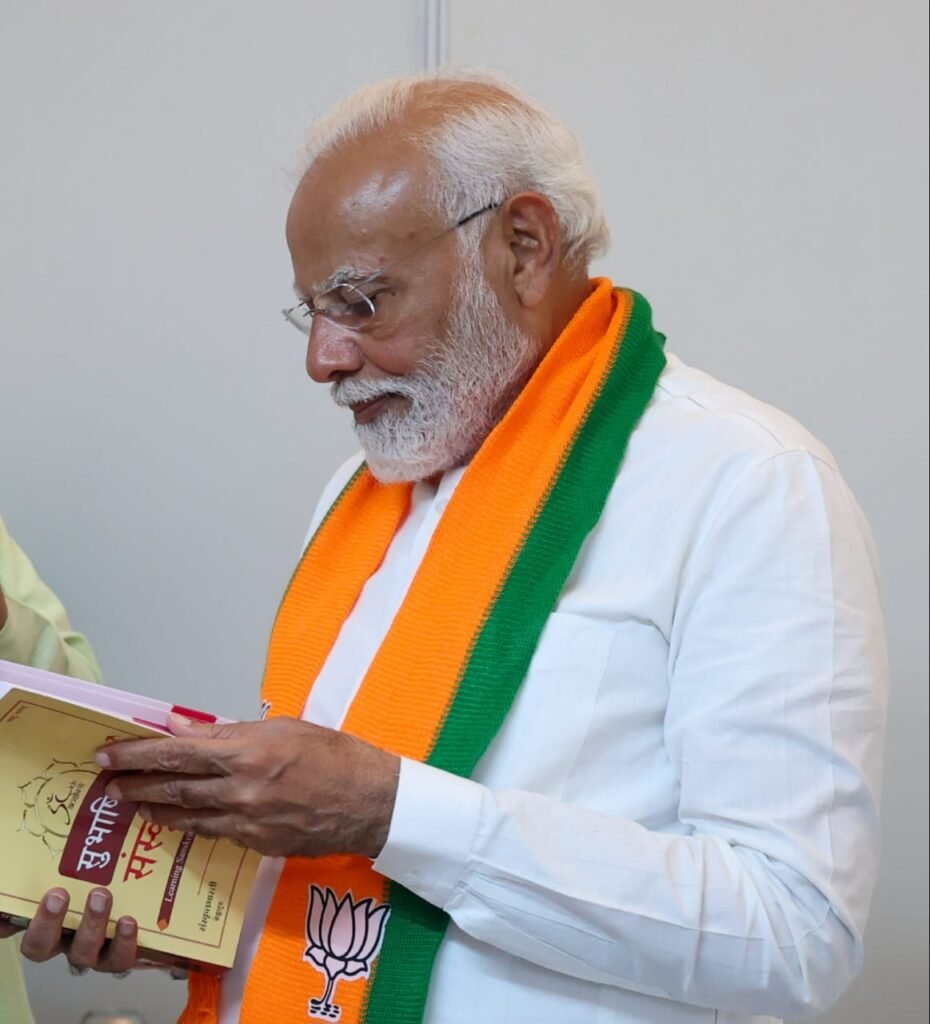
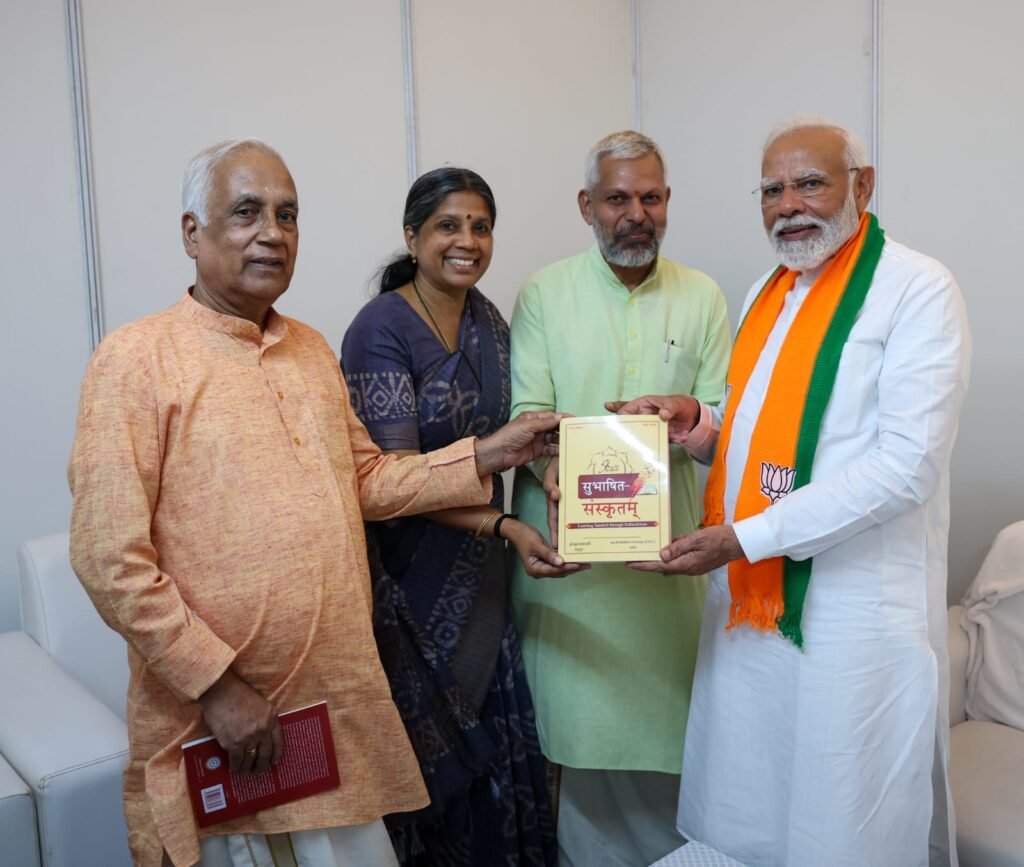
Kochi, Kerala, India – In a commendable effort to promote Sanskrit education and Indian knowledge systems, IIT Roorkee’s Sanskrit Club, in collaboration with Samskrita Bharati, presented the book “SubhashitaSamskritam” to honorable Prime Minister Shri Narendra Modi during his visit to Kochi, Kerala. The book, containing 108 Sanskrit aphorisms along with detailed meanings and explanations, stems from the success of an online course conducted in the challenging times of the Covid-19 pandemic.

Image - 0001 - IIT Roorkee's Sanskrit Club Achieves Milestone in Promoting Sanskrit Education

In response to the pandemic and the ensuing lockdown, IIT Roorkee’s Sanskrit Club initiated a pioneering 5-level online course, “SubhashitaSamskritam,” in mid-2020 in partnership with Samskrita Bharati. The course aimed to impart Sanskrit knowledge through the study of 108 Subhashitams. The material used for this course has now been compiled into a book published by Samskrita Bharati in 2023. The book was released during the inaugural session of the National Youth Conference on Indian Knowledge Systems on August 25, 2023, at IIT Roorkee.

Approximately 14,000 individuals registered for the course, with an encouraging diversity in age groups. Of the participants, nearly 1,350 were below 18 years old, and around 8,400 fell within the 18-40 age group. The first level, focusing on basic conversational Sanskrit, witnessed completion by nearly 5,100 participants from 32 countries. Prime Minister Narendra Modi acknowledged this achievement by sending a letter of appreciation to the Director of IIT Roorkee.

The subsequent four levels of the course delved deeper into Sanskrit knowledge, culminating in the completion of the five-level program by early 2021. The dedication of the participants and the success of the course paved the way for the creation of the “SubhashitaSamskritam” book.

Image - 0002 - IIT Roorkee's Sanskrit Club Achieves Milestone in Promoting Sanskrit Education

During his visit to Kochi, Kerala, Prime Minister Narendra Modi graciously received the book, which was presented on behalf of IIT Roorkee and Samskrita Bharati by the authors. The book, with its detailed explanations and meanings, serves as a valuable resource for enthusiasts seeking to delve into the rich tapestry of Sanskrit wisdom.

The first edition of “SubhashitaSamskritam” has seen overwhelming success, with 3,000 copies nearly sold out. Due to popular demand, the book is set to undergo a reprint and will soon be available for purchase on Samskrita Bharati’s website. For more information, interested individuals can contact sanskritclub@iitr.ac.in.

Director IIT Roorkee, Prof. KK Pant said, “At IIT Roorkee, we believe in the timeless significance of our cultural and linguistic heritage. ‘SubhashitaSamskritam’ is not just a book; it’s a testament to our commitment to preserving and promoting the profound wisdom encapsulated in the Sanskrit language. This endeavor reflects our dedication to fostering a deeper understanding of India’s ancient knowledge systems.”

IIT Roorkee’s Sanskrit Club is a leading force in promoting Sanskrit education and preserving India’s ancient knowledge systems. The success of their comprehensive online course, spanning five levels and exploring 108 Subhashitams, is a testament to the institution’s commitment to safeguarding and promoting India’s cultural and linguistic heritage. Through dedicated efforts, the Sanskrit Club actively fosters an appreciation for the Sanskrit language and culture through various showcased activities and events on multiple platforms.

First time ever, entrepreneurs from skill ecosystem honoured as guests at Republic Day celebration

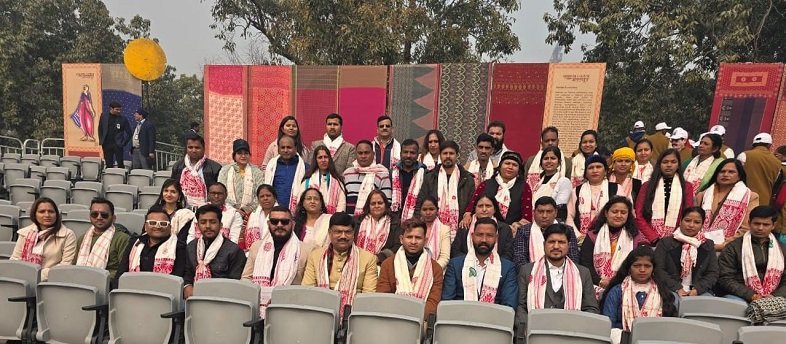
Bengaluru, January 27, 2024– Aligned with the vision of the Hon’ble Prime Minister, Shri. Narendra Modi to make Bharat a nation of job creators, Shri Dharmendra Pradhan, Hon’ble Minister of Education, Skill Development and Entrepreneurship, Government of India interacted with over 100 entrepreneurs who have been trained under various skill development institutions like National Institute of Entrepreneurship and Small Business Development (NIESBUD), Indian Institute of Entrepreneurship (IIE) and Skill India’s flagship scheme— Pradhan Mantri Kaushal Vikas Yojana (PMKVY). “This is the first time ever that entrepreneurs from the skill ecosystem are accorded the honor of being guests at the Republic Day celebrations, a testament to the visionary leadership of Hon’ble PM”, said Shri Dharmendra Pradhan.

Image 4

Shri. Nirmaljit Singh Kalsi, President, National Council for Vocational Education and Training (NCVET), Shri. Atul Kumar Tiwari, Secretary, Ministry of Skill Development and Entrepreneurship (MSDE) and Smt. Trishaljit Sethi, Director General, Directorate General of Training (DGT) also graced the occasion with their presence.

During the event, the entrepreneurs shared insights into how skill training under the Skill India Mission has been instrumental in enhancing their capacities, problem-solving abilities, and establishing unique differentiators for marketing their products. They all extended gratitude towards Hon’ble Prime Minister and the Ministry of Skill Development & Entrepreneurship for providing them with on-the-job training and invaluable industry exposure, empowering them to transform their lives and convert their aspirations into tangible realities.

Shri Dharmendra Pradhan, Hon’ble Minister of Education, Skill Development and Entrepreneurship, Government of India said “Today, I had the privilege of engaging in insightful conversations with the beneficiaries from our skill ecosystem. Witnessing their journey from entrepreneurship to self-reliance is truly inspiring. These small and micro entrepreneurs are set to contribute a new dimension to the country’s development journey. Under Modi ji’s government, a government dedicated to the poor and deprived, the #ModiGuarantee spans from essentials like food and housing to comprehensive skill development and socio-economic security. Empowering the deprived and weaker sections of society is the cornerstone of this administration, with the common citizen being Modi ji’s unwavering priority.”

A few entrepreneurs were also invited on stage to share their experiences, talk about the challenges and elaborate on how with proper skill training under the Skill India Mission, they were able to convert their trials into opportunities. Champions like Shital Tamang, a visionary female entrepreneur from Upper Gom, South Sikkim, is reshaping the country’s growth trajectory through her venture- Sikkim Handloom and Handicrafts. With 20 employees under her leadership, Tamang’s commitment echoes in changing lives—a true testament to her entrepreneurial spirit.

Republic dat celebration

Likewise, the bold steps taken by entrepreneurs such as Indrajit Sadhukhan were applauded, who established a flourishing business by doing a course in Refrigeration and Air Conditioning in 2020, serving as an inspiration to aspiring entrepreneurs. Amidst the challenges of the COVID-19 pandemic, Mr. Sanjeet showcased exceptional resilience and determination, founding Shree Electrical in 2021, attaining success through skill development. An inspiring story is also of Jyotirmayee Sahu, a female entrepreneur hailing from Odisha. A graduate with a proactive approach towards self-empowerment, pursued a transformative course in Mushroom Grower Entrepreneurship and embarked on a remarkable journey into mushroom cultivation. Jyotirmayee’s startup flourished within a span of six months and achieved remarkable success.

Driven by the vision to make entrepreneurial ecosystem more outcome-driven, accessible, and holistic in its approach along with a focus on new-age, industry 4.0 and advanced technologies, several schemes are being introduced to equip entrepreneurs, students and other beneficiaries with relevant knowledge and skills that align with the rapidly evolving needs of the industries. To achieve this, schemes like PM Vishwakarma and a comprehensive digital platform – Skill India Digital (SID) have been launched to bridge the academia and industry gap and develop a range of entrepreneurial skills such as leadership, creative thinking, teamwork and business growth to transition India from 3rd largest to number one start-up ecosystem over the next few years.

The minister also appreciated and encouraged the entrepreneurs for undertaking vocational training, heralding a new dawn in skill development and entrepreneurship ecosystem in India. Entrepreneurs hailing from diverse corners of the nation including states like Odisha, Kerala, Sikkim, Manipur, Delhi, West Bengal, Telangana, and beyond converged the event and are attending the Republic Day Parade today. They all represent several industries like beauty & wellness, handmade, beauty therapist, tailor, sewing machine operator, and computer operator.

In recognizing that skilling India’s youth is instrumental for the startup ecosystem, MSDE’s initiatives are poised to create a conducive environment for growth, fuelling job creation, productivity, and efficiency for the betterment of society.

IIM Sambalpur rings in 2021 with a landmark moment

31st December 2020, Hyderabad: After achieving a string of accomplishments in 2020, IIM Sambalpur, one of the most promising and dynamic management institutions among the new generation IIMs of the country, is all set to take another giant leap with the advent of the new year. Hon’ble Prime Minister of India, Shri Narendra Modi will be laying the foundation stone of the permanent campus of IIM Sambalpur virtually on the 2nd of January 2021. The ceremony will also be graced by Hon’ble Governor of Odisha, Shri Ganeshi Lal, Hon’ble Chief Minister of Odisha, Shri Naveen Patnaik, Hon’ble Minister of Education, GOI, Shri Ramesh Pokhriyal ‘Nishank’, Hon’ble Minister of Petroleum & Natural Gas and Steel, GOI, Shri Dharmendra Pradhan, Hon’ble Minister of State for Education, Communication, Electronics and Information Technology, GOI, Shri Sanjay Dhotre, Hon’ble Minister of State of MOAHD & Fisheries and MSME’s, GOI, Shri Pratap Chandra Sarangi, Hon’ble Member of Parliament, Shri Nitesh Ganga Deb, Hon’ble MLA, Shri J N Mishra, Hon’ble MLA, Shri Nauri Nayak, Smt. Arundhati Bhattacharya, Chairman, Board, IIM Sambalpur and former Chairperson of the State Bank of India, and Prof. Mahadeo Jaiswal, Director, IIM Sambalpur. The ceremony will be virtually attended by over 5000 invitees which include dignitaries from the Govt. of India, Govt. of Odisha, industry leaders, PSUs executives, directors of IIMs, IITs, IISERs, media journalists, members from weaving community, members from farmer community, students, alumni, faculties, and staff of IIM Sambalpur.

Speaking on the impending ceremony, Prof Mahadeo Jaiswal, Director, IIM Sambalpur, stated, “We are privileged to have Hon’ble Prime Minister of India, Shri Narendra Modi and all other august guests who will be amidst us on this landmark day. With our core values of Inclusion, Innovation and Integrity, in our journey of 5 years, IIM Sambalpur has been able to achieve a lot of success. In line with the vision of the New Education Policy, IIM Sambalpur has embraced an innovative shift in its teaching learning pedagogy from teacher centric to learner centric. IIM Sambalpur is the first IIM to implement idea of flipped classroom, a learning environment where the basic concepts are learnt in digital mode and in the class the experiential leaning happens through live project from the industry. As a part of realizing the vision of National Education Policy, inclusiveness has been adapted by IIM Sambalpur as its core vision. Inclusiveness, both in terms of gender inclusivity and outreach to our weavers and farmers. The Institute outscored all other IIM in terms of highest gender diversity in MBA (2019-21) batch with 49% girls’ students and 43% girls in MBA (2020-22). Our research focus is to create best management practices in line with emerging changes due to Digitalization, Decarbonization and Democratisation of business, and hence we have set up incubation centres to promote Start-up in Weavers Producers Organization (WPO) and Farmers Producers Organisation (FPO), in collaboration with Ministry of Small and Medium Enterprises, Govt. of India. Further, as part of our plan of action of digitization IIM Sambalpur has initiated smart classrooms and proctored online assessment. This is also in line with the New Education Policy 2020.”

IIM Sambalpur has received generous support from Govt. of Odisha in the form of 200 acres of land being provided by them for the construction of proposed campus. The Ministry of Education has extended continued administrative support and financial grant to the tune of Rs. 401.97 crores for the realization of this project. The project is time bound to be completed by April 2022. The proposed campus will be a fully equipped state-of-art structure with energy efficient green features as per GRIHA standards. The new and permanent campus of the institute will have a green campus with maximum usage of renewable energy. The heritage and art of Odisha will also reflect in the building design. IIM Sambalpur had assigned NBCC (India) Ltd., A Govt. of India under the Ministry of Housing & Urban Affairs, for providing the “Project Management Consultancy” services.

Corporate Social Responsibility directly supports the Atmanirbhar Bharat initiative

Atmanirbhar Bharat Abhiyan means self-reliant India or self-sufficient India, is the vision of the Prime Minister of India Shri Narendra Modi of making India a bigger and more important part of the global economy, pursuing policies that are efficient, competitive and resilient, and being self-sustaining and self-generating. Atmanirbhar Bharat does not mean self-containment, isolating away from the world or being protectionist. The first mention of this came during the announcement of India’s COVID-19 pandemic related economic package on 12 May 2020. The five pillars of ‘Atmanirbhar Bharat’ are economy, infrastructure, technology-driven systems, vibrant demography and demand.

Corporate Social Responsibility directly supports the Atmanirbhar Bharat initiative. The vision of Atmanirbhar Bharat would be achieved when each stakeholder in the larger socio-economic ecosystem of the nation e.g., corporations, academic and research institutions, civil society and the government can collectively contribute. Corporations play a major role because they have the resources, the professional manpower and the ability to create “development labs” in targeted areas. The COVID-19 pandemic and the territorial challenges faced on the borders have created a situation where it has become imperative for India to reduce dependencies on global supply chains, and focus on creating innovation and entrepreneurial ecosystems that would lead to economic and technological self-reliance and self-sufficiency through homegrown success stories.

Fireside discussions were organized by Brand India on Atmanirbhar Bharat and the role of CSR in making New India. The event focused on discussing five pillars of self-reliant India including Economy (quantum jumps, not incremental changes), Infrastructure (that represents modern India), System (technology-driven), Demography (vibrant demography of the largest democracy) and Demand (full utilization of the power of demand and supply) with eminent thought leaders to understand the overall social development with the prime aim of improving lives of people. It became evident that the CSR initiatives are playing a significant role in making New India self-reliant.

Many big brands in the corporate are now aligning their CSR initiatives with UN sustainable development goals to make India Atmanirbhar. The industry has contributed to the PM Care fund and launched several programs to improve the lives of people through skill and livelihood programs, spending beyond the compliance amount of CSR. With an aim at reviving the Indian economy and making the country a world leader across industries and support the government innovative movement of Atmanirbhar, where the government is ‘Vocal for Local’; three roundtables were organized on 16, 27 and 30 October 2020.

To conclude the series of discussions the prestigious “Brand India Excellence Awards -2020 ” were presented to individuals by Dr. K. K. Upadhyay – CSR Trainer of The Year, Dr. Lopa Mudra Priyadarshini – CSR Person of The Year, Mr. Ajit Kumar – Corporate Social Responsibility in Priority Areas and Mr. Vikas Bhatia – CSR Professional of the Year for their outstanding achievements. Three companies were awarded Integrated Centre for Consultancy (P) Ltd as PR Agency of the Year, Sterlite Tech Foundation as Most Socially Responsible Company of the Year and Vedanta- ESL Steel Ltd. Bokaro as Most Innovative CSR Program of the Year.

A limited-edition book on “CSR and its role in making Atmanirbhar Bharat ( A Self-Reliant India)” by Mr. Sandeep Simon Behera Director Branding – Karunya University, was launched at the function. The book provides insight into various aspects of Atmanirbhar Bharat and the role of corporations in achieving it. The prominent contributors have highlighted how we can achieve the goal of self-reliance much before 2030 with the right approach and partnerships between the government, corporates, civil society, community and other institutions. The involvement of all stakeholders will enable a 360-degree approach towards creating a stronger solution and working together will bring the required change far more efficiently and relatively quickly. It will boost their work and generate better socio-economic benefits in a holistic manner, strengthening Atmanirbhar.