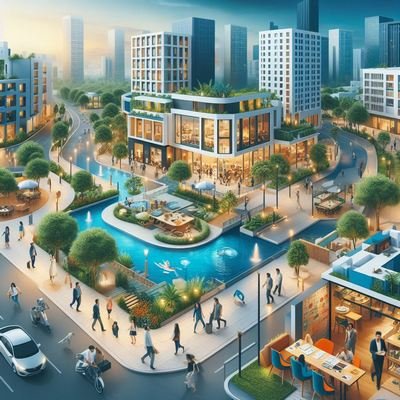
Tag: educational institutions

The Future of Indian Housing

Akash Pharande,

By  Mr. Akash Pharande, Managing Director – Pharande Spaces

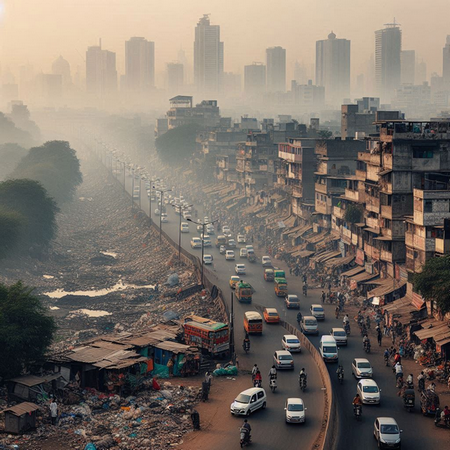
India’s urban population explosion is causing its bigger cities to burst at the seams. Overcrowding, pollution, traffic congestion, and deteriorating infrastructure are the ‘new normal’ – a state of affairs that we have begun to accept as inevitable.

According to the United Nations, about 40% of the Indian population will live in urban areas by 2030. The pressure this puts on housing, transportation, and basic amenities in our cities is immense. Because of these urban ‘growing pains’, many citizens have become disillusioned with their cities and are even considering moving to smaller, less crowded, and less expensive tier 2 and tier 3 cities.

However, there are two catches to this way of thinking – one, most employment opportunities are in our larger cities. Two, the hammer of development is bound to catch up even in the smaller cities. Is there a way for citizens to regain a wholesome, uncluttered lifestyle without abandoning their cities of choice? There is. Integrated townships are a viable solution. But before we get into that, let’s first examine the real-time challenges that our cities increasingly face.

Traffic Congestion

India’s cities are notorious for their traffic woes. In cities like Mumbai, Delhi, and Bengaluru, residents spend hours in gridlocked traffic every day. According to a 2021 report by TomTom, Bengaluru ranked as the sixth-most congested city in the world, with commuters spending an average of 71% extra travel time during rush hour. This congestion takes a toll not only on the economy but also on the well-being of urban dwellers, since long commutes lead to increased stress, reduced productivity, and poor mental health.

Pollution and Environmental Degradation
city

Air pollution is another pressing issue in Indian cities. The World Health Organization (WHO) ranks several Indian cities, including Delhi, Kanpur, and Lucknow, among the most polluted globally. In 2020, air pollution caused an estimated 1.7 million deaths in India, according to a study published in The Lancet. The over-reliance on private vehicles, combined with unchecked industrial emissions has led to worsening air quality, making it hazardous for people to live and work in densely populated urban environments.

Overcrowding and Infrastructure Strain

With the growing influx of people into cities, housing and infrastructure are stretched to the limit. Many Indian cities are ill-equipped to handle their burgeoning populations – resulting in cramped living conditions, inadequate water supply, and frequent power outages. This overcrowding exacerbates social and health issues, leading to an overall decline in quality of life.

The Solution – Integrated Townships
township

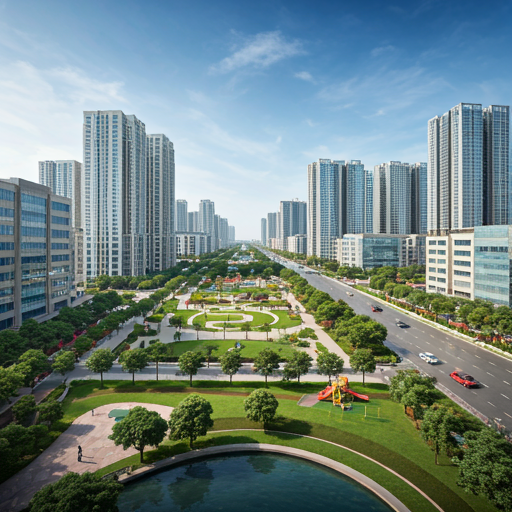
Amid these escalating challenges, integrated townships are the most viable alternative to traditional urban housing models. These large-scale developments are self-sustaining communities that combine residential, commercial, recreational, and educational facilities in one comprehensive layout. Unlike conventional city apartments, which are often isolated and disconnected from essential amenities, integrated townships provide a more balanced and convenient lifestyle.

Integrated Townships – A Brief History

Integrated townships began emerging in India during the 1980s and 1990s. Even before that, cities like Jamshedpur – founded in 1907 by the Tata Group to support their workforce – served as early examples of self-contained, self-sustaining communities. Jamshedpur was among the pioneers of integrated urban living in India where residential spaces were developed alongside recreational spaces like parks and essential services such as schools and medical facilities.

Chandigarh, planned by Le Corbusier in the 1950s, is another prime example of a development plan where housing and public facilities were created alongside commercial business centres. However, these were entire cities with their own municipalities. The concept of integrated townships – large residential complexes developed along with retail, office, civic and lifestyle developments – started gaining momentum in the 2000s.

Today, these townships have emerged as the single most transformative solution, offering a holistic living environment that promotes sustainability, convenience, and a better quality of life. They have become even more relevant if we consider the increasing chaos of modern city life.

Convenience and Reduced Commuting

One of the biggest advantages of integrated townships is the proximity to workplaces, schools, healthcare facilities, shopping centres, and entertainment options. By reducing the need for long commutes, these developments save residents time and money while alleviating traffic congestion in major cities. According to one report, more than 80% of homebuyers in metropolitan areas now prefer housing projects which are within a 10-kilometer radius of their workplaces.

Sustainable and Environmentally Friendly

Integrated townships are also designed with sustainability in mind. Green spaces, efficient waste management systems, rainwater harvesting, and renewable energy sources are increasingly becoming standard features of these developments. Integrated townships with eco-friendly infrastructure reduce carbon footprints and command a higher premium over non-sustainable developments. Moreover, by centralizing resources and infrastructure, integrated townships can reduce the strain on municipal services, thus promoting a more sustainable and resilient urban ecosystem.

Improved Quality of Life

Integrated townships prioritize the well-being of their residents by offering a range of recreational and wellness facilities. From parks and sports complexes to community centres and healthcare services, these projects are designed to cater to all age groups and lifestyle preferences. They foster a sense of community and safety, with round-the-clock security and controlled access points ensuring a secure living environment.

Moreover, the availability of schools and educational institutions within the township means that families do not need to send their children far from home, reducing stress and providing a better work-life balance. Many leading minds in the real estate industry have recognized integrated townships as the future of housing, particularly in countries experiencing rapid urbanization like India.

Not surprisingly, integrated townships outperformed standalone residential projects in both price appreciation and rental yields because of the superior convenience and amenities they offer. Furthermore, the demand for integrated townships is not limited to the residential segment.

After the COVID-19 pandemic, more and more businesses have realized how important it is to have their operations closer to where their employees live. As a result, the commercial real estate segment is also seeing a surge in demand for office spaces within township developments, thanks to the growing trend of the ‘walk-to-work’ lifestyle.

Towards a Better Residential Experience

As India’s cities continue to expand, the traditional model of urban housing is proving to be increasingly untenable and homebuyers now seek alternatives that offer convenience, sustainability, and a better quality of life. Integrated townships are the answer, and will therefore account for more and more Indian residential spaces in the years to come.

About the Author:

akash

Akash Pharande is Managing DirectorPharande Spaces, a leading real estate construction and development firm famous for its township projects in Greater Pune and beyond. Pharande Promoters & Builders, the flagship company of Pharande Spaces and an ISO 9001-2000 certified company, is a pioneer of townships in the region. With the recent inclusion of Puneville Commercial into one of its most iconic townships, Pharande Spaces taken a major step towards addressing Pune’s current and future requirements for fully integrated residential-commercial convenience


The 7th edition of SportExpo India 2024 kicked off at Hitex

Be fit and keep the lifestyle diseases and doctors away: Film star and director Srinivas Avasarala

Hyderabad, August 23, 2024……Hitex is organizing the 7th Edition of SportExpo India 2024 for two days on August 23rd and 24th at Hitex, Madhapur in the city.

The two-day expo was inaugurated by Mr. Srinivas Avasarala – Director & Actor; Mr. Vishwaraj Mohan – Decathlon; Mr. Jayapal Reddy – Executive Director, NMDC; Mr. Aditya Reddy – Buddy Bashl Mr. Srikanth T.G, Business Head, Hitex Business Center.

Speaking on the occasion the film star and director Srinivas Avasarala said, my fitness mantra is to go to the gym as soon as I get up from bed, but never do. By visiting the Sports Expo and seeing many fitness freaks, I am now motivated and doubly charged to get back to fitness, which I skipped after COVID-19.

It is very important to have an active lifestyle. And my message to people is that your body is a very important thing in life. Be fit and take care of it. It is better to be fit rather than regret later, the film star added. Be fit and keep the lifestyle diseases and doctors away, he added.

The expo is a B2C platform that unites leading brands and exhibitors from diverse segments of the sports, fitness, nutrition, and wellness industry. It has 55 exhibitors informed TS Srikanth, Business Head of Hitex.

A snapshot of Sports Expo at Hitex

NMDC Hyderabad Marathon 2024 powered by IDFC FIRST Bank, India’s second-largest marathon and a World Athletics Label Race is a Marathon partner of SportExpo.

SportExpo India 2O24 brings a holistic approach to mainly emphasize sports and fitness as a profitable industry as well as an avenue for health and wellness, added Srikanth.

Gamology, a fun gaming zone, was one of the attractions at the Expo. It has a lot of engaging and funny games. Our games elevate the gaming experience of any social gatherings, corporate events, get-togethers said Ayyappa Chakilam. Our games are fun, stress-busters, and ideal for parties, corporate events, educational institutions events, and gatherings. Some of the interesting and out-of-the-ordinary games include Fintastic Fish, TossBoss, ShiftSwift, ShuttleShowdown; BalanceBattle; RollingRumble; Knockdown King, CoinChaos; QuadMad; TwistyEscape, and others.

The Hyderabad Runners Society (HRS), India’s first institutionalized running group will be organizing 5K- a “Curtain Raiser” of the 13th Edition of the NMDC Hyderabad Marathon powered by IDFC FIRST Bank on Saturday at 7 am.

Mr Aditya Reddy of Buddy Bash who is supporting the expo said ‘We make things that help people engage with life and loved ones– through leisure games and play.

Buddy Bash, Decathlon, Hyderabad Runners, and Community are some of the partners of the expo.

Commercial Integration – Reshaping India’s Residential Landscape

By  – Akash Pharande, Managing Director – Pharande Spaces

Akash Pharande, Managing Director - Pharande Spaces

One important feature changing how people live and work in India’s fast-urbanizing terrain is the incorporation of commercial areas into residential townships. While this concept – which combines residential areas with workplaces, shops, and recreational areas – is not new, its uptake has sped up recently, particularly in the wake of COVID-19.

Evolution and Origins

Mixed-use projects are nothing new to India; even in pre-independence India, residential areas and bazaars coexisted together. But in the early 2000s, integrated townships, as they are now known, started to take off. Encouraged by India’s economic expansion and rapid urbanization, developers realized the benefits of creating an all-encompassing residential experience for the growing middle class.

This trend became even more evident after the 2008 financial crisis. This is when forward-thinking builders began to seek out ways to make projects more profitable and desirable. Including residential and commercial areas into one complex promised to boost footfall in retail malls by providing a captive market for retailers. Office buildings within the same precincts gave homeowners the possibility of walking, bicycling to work, or taking a short drive there with no traffic woes to contend with.

The COVID-19 epidemic kicked off a major move towards remote work, less crowded residential areas with sufficient greenery, the convenience and safety of having necessary retail outlets within easy reach, and small commutes to work. In short, the pandemic solidified the already strong attraction for integrated townships.

integrated township

The Coworking Revolutions

Residential-commercial complexes like integrated townships are becoming all the more relevant because of the increasing popularity of coworking. If we take Pune as an example, the relevance and impact of coworking is hard to miss.

This city has evolved massively from its previous tags of ‘Oxford of the East‘ and ‘Pensioner’s Paradise’. Pune’s vibrant educational institutions and IT/ITeS sector generate and attract more and more young professionals and millennial entrepreneurs. Simultaneously, even some of the biggest MNCs in Pune have been looking at cutting costs after COVID-19.

Coworking spaces are the logical solution to bring down corporate costs and provide a fertile environment for collaboration, networking, and creative engagement. The most successful ones are located in and around residential catchments, so their availability in integrated townships is a win-win proposition.

Pune has been seeing steady growth in the coworking segment, with more operators of varying sizes constantly entering the fray. Especially after COVID-19, the coworking solution has found favour with many companies as well as the city’s growing young population. Pune’s thriving startup culture has contributed hugely to its growing popularity, as have the gig economy and service-based companies such as digital marketing, automobiles, and blockchain.

Not surprisingly, leading property consultants reported that 2021 saw a no less than 30% increase in demand for integrated townships over the same period the year before. Where work-from-home (WFH) has become ingrained, especially in metros and tier-1 cities, this rise is significant. Compared to exclusively residential projects, mixed-use townships have seen higher residential sales following the epidemic.

work-life 2.0

Integrated commercial-residential townships are growing in popularity in India because of:

Work-Life Balance: Integrated townships encourage a healthy it by merging living and recreational areas, and minimizing travel time to and from work. This is something that the modern workforce appreciates more and more.

A Sustainable Lifestyle: Sustainable living is becoming more and more important to urban Indians. Mixed-use townships lessen the need for driving and therefore have a lower carbon footprint overall. The more modern integrated townships also offer advanced green features such as wastewater recycling, use of solar lighting and heating, green areas to act as lung space, and proper cross-ventilation in flats to reduce cooling costs in summer.

Profitability for Developers: Integrated townships with commercial components baked in are a lucrative proposition for developers. The added appeal and convenience factor of these projects usually makes them more expensive than ordinary residential projects; however, Indians today are willing to spend more on a sustainable, convenient, and hassle-free lifestyle. Also, there is considerable brand value involved in creating and sustaining modern integrated townships, since such projects require specialized knowledge and considerable capital to build and maintain.

Policy Support: Integrated townships are encouraged and promoted by Indian government programs like the Smart Cities Mission, and sustainability factors are also incentivized for both homebuyers and developers. Mixed-use integrated projects in suburban areas are also actively encouraged by the government because they help decongest urban areas.

Buyer Preferences: The pandemic changed consumer preferences considerably. More and more Indians are choosing to live in spacious, uncluttered, and health-promoting projects that provide quick access to workplaces and the requirements of daily living. Mixed-use integrated townships negate most of the stresses and health hazards of inner-city life. They are also ideal for remote working scenarios.

The Future of Mixed-use Townships

The trend of developing residential- and commercial projects is not only a durable one but the very call of the future in India. Companies’ growing acceptance of remote working arrangements will increase demand for residential developments that meet professional requirements even more. Moreover, the continuous urbanization and increasing disposable incomes in India point to a long-term interest in these kinds of living arrangements.

The boundaries dividing residential and commercial areas are blurring as urban India develops. More than just a real estate fad, integrated townships are the logical answer to the evolving demands and lifestyles of contemporary Indian society. Their increasing popularity is bringing about a profound change in urban planning and development—a move toward a more comfortable, sustainable, convenient, and all-encompassing residential experience.

About the Author: Akash Pharande is Managing Director – Pharande Spaces, a leading real estate construction and development firm famous for its township projects in West Pune and beyond. Pharande Promoters & Builders, the flagship company of Pharande Spaces and an ISO 9001-2000 certified company, is a pioneer of townships in West Pune. With the recent integration of Puneville Commercial into one of its most iconic townships, Pharande Spaces taken a major step towards addressing Pune’s current and future requirements for fully integrated residential-commercial convenience.