Tag: traffic

The Future of Indian Housing

Akash Pharande,

By  Mr. Akash Pharande, Managing Director – Pharande Spaces

India’s urban population explosion is causing its bigger cities to burst at the seams. Overcrowding, pollution, traffic congestion, and deteriorating infrastructure are the ‘new normal’ – a state of affairs that we have begun to accept as inevitable.

According to the United Nations, about 40% of the Indian population will live in urban areas by 2030. The pressure this puts on housing, transportation, and basic amenities in our cities is immense. Because of these urban ‘growing pains’, many citizens have become disillusioned with their cities and are even considering moving to smaller, less crowded, and less expensive tier 2 and tier 3 cities.

However, there are two catches to this way of thinking – one, most employment opportunities are in our larger cities. Two, the hammer of development is bound to catch up even in the smaller cities. Is there a way for citizens to regain a wholesome, uncluttered lifestyle without abandoning their cities of choice? There is. Integrated townships are a viable solution. But before we get into that, let’s first examine the real-time challenges that our cities increasingly face.

Traffic Congestion

India’s cities are notorious for their traffic woes. In cities like Mumbai, Delhi, and Bengaluru, residents spend hours in gridlocked traffic every day. According to a 2021 report by TomTom, Bengaluru ranked as the sixth-most congested city in the world, with commuters spending an average of 71% extra travel time during rush hour. This congestion takes a toll not only on the economy but also on the well-being of urban dwellers, since long commutes lead to increased stress, reduced productivity, and poor mental health.

Pollution and Environmental Degradation
city

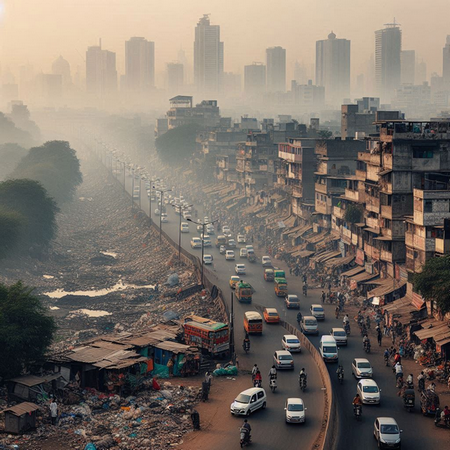
Air pollution is another pressing issue in Indian cities. The World Health Organization (WHO) ranks several Indian cities, including Delhi, Kanpur, and Lucknow, among the most polluted globally. In 2020, air pollution caused an estimated 1.7 million deaths in India, according to a study published in The Lancet. The over-reliance on private vehicles, combined with unchecked industrial emissions has led to worsening air quality, making it hazardous for people to live and work in densely populated urban environments.

Overcrowding and Infrastructure Strain

With the growing influx of people into cities, housing and infrastructure are stretched to the limit. Many Indian cities are ill-equipped to handle their burgeoning populations – resulting in cramped living conditions, inadequate water supply, and frequent power outages. This overcrowding exacerbates social and health issues, leading to an overall decline in quality of life.

The Solution – Integrated Townships
township

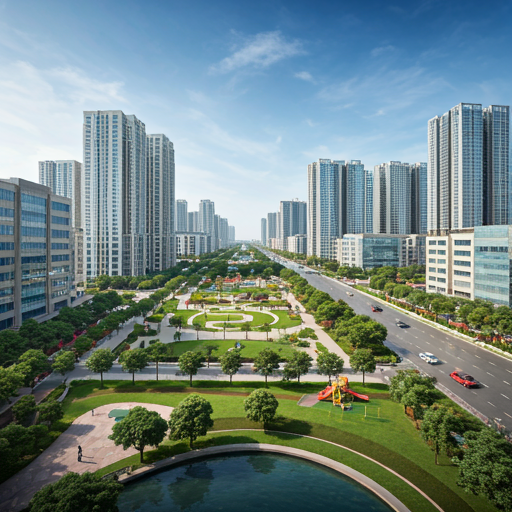
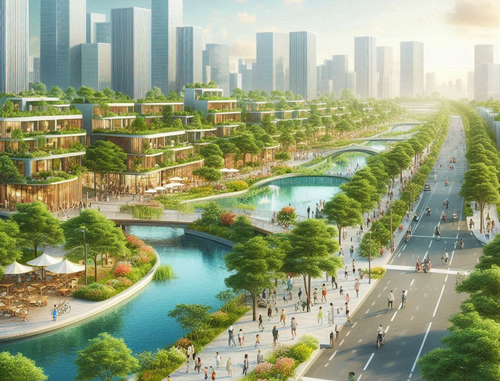
Amid these escalating challenges, integrated townships are the most viable alternative to traditional urban housing models. These large-scale developments are self-sustaining communities that combine residential, commercial, recreational, and educational facilities in one comprehensive layout. Unlike conventional city apartments, which are often isolated and disconnected from essential amenities, integrated townships provide a more balanced and convenient lifestyle.

Integrated Townships – A Brief History

Integrated townships began emerging in India during the 1980s and 1990s. Even before that, cities like Jamshedpur – founded in 1907 by the Tata Group to support their workforce – served as early examples of self-contained, self-sustaining communities. Jamshedpur was among the pioneers of integrated urban living in India where residential spaces were developed alongside recreational spaces like parks and essential services such as schools and medical facilities.

Chandigarh, planned by Le Corbusier in the 1950s, is another prime example of a development plan where housing and public facilities were created alongside commercial business centres. However, these were entire cities with their own municipalities. The concept of integrated townships – large residential complexes developed along with retail, office, civic and lifestyle developments – started gaining momentum in the 2000s.

Today, these townships have emerged as the single most transformative solution, offering a holistic living environment that promotes sustainability, convenience, and a better quality of life. They have become even more relevant if we consider the increasing chaos of modern city life.

Convenience and Reduced Commuting

One of the biggest advantages of integrated townships is the proximity to workplaces, schools, healthcare facilities, shopping centres, and entertainment options. By reducing the need for long commutes, these developments save residents time and money while alleviating traffic congestion in major cities. According to one report, more than 80% of homebuyers in metropolitan areas now prefer housing projects which are within a 10-kilometer radius of their workplaces.

Sustainable and Environmentally Friendly

Integrated townships are also designed with sustainability in mind. Green spaces, efficient waste management systems, rainwater harvesting, and renewable energy sources are increasingly becoming standard features of these developments. Integrated townships with eco-friendly infrastructure reduce carbon footprints and command a higher premium over non-sustainable developments. Moreover, by centralizing resources and infrastructure, integrated townships can reduce the strain on municipal services, thus promoting a more sustainable and resilient urban ecosystem.

Improved Quality of Life

Integrated townships prioritize the well-being of their residents by offering a range of recreational and wellness facilities. From parks and sports complexes to community centres and healthcare services, these projects are designed to cater to all age groups and lifestyle preferences. They foster a sense of community and safety, with round-the-clock security and controlled access points ensuring a secure living environment.

Moreover, the availability of schools and educational institutions within the township means that families do not need to send their children far from home, reducing stress and providing a better work-life balance. Many leading minds in the real estate industry have recognized integrated townships as the future of housing, particularly in countries experiencing rapid urbanization like India.

Not surprisingly, integrated townships outperformed standalone residential projects in both price appreciation and rental yields because of the superior convenience and amenities they offer. Furthermore, the demand for integrated townships is not limited to the residential segment.

After the COVID-19 pandemic, more and more businesses have realized how important it is to have their operations closer to where their employees live. As a result, the commercial real estate segment is also seeing a surge in demand for office spaces within township developments, thanks to the growing trend of the ‘walk-to-work’ lifestyle.

Towards a Better Residential Experience

As India’s cities continue to expand, the traditional model of urban housing is proving to be increasingly untenable and homebuyers now seek alternatives that offer convenience, sustainability, and a better quality of life. Integrated townships are the answer, and will therefore account for more and more Indian residential spaces in the years to come.

About the Author:

akash

Akash Pharande is Managing DirectorPharande Spaces, a leading real estate construction and development firm famous for its township projects in Greater Pune and beyond. Pharande Promoters & Builders, the flagship company of Pharande Spaces and an ISO 9001-2000 certified company, is a pioneer of townships in the region. With the recent inclusion of Puneville Commercial into one of its most iconic townships, Pharande Spaces taken a major step towards addressing Pune’s current and future requirements for fully integrated residential-commercial convenience

Breathing Uneasy – Housing Choices Amid Worsening AQI

akash pharande

 By- Akash Pharande, Managing Director – Pharande Spaces

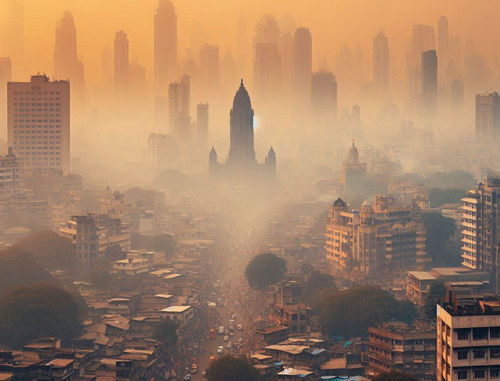
The problem of rapidly worsening air quality in India has a direct correlation to our housing choices. Increasing urbanization, industrial proliferation, and population growth are causing more and more homebuyers to prioritize the quality of their living environments.

Urban Centers – The Worst Hit

Indian city centres face severe air pollution threat:

  • Heavy Traffic – The congested city centres with high population and traffic density contribute significantly to vehicular emissions.
  • Industrial Pollution – Proximity to industrial zones with obsolete or nonexistent pollution control measures worsens air quality.
  • Urban Heat Island Effect – The concentration of buildings and human activities in cities leads to higher temperatures – which, in turn, escalate pollution levels.
  • Lack of Green Spaces – The absence of parks and green areas in densely populated urban regions makes natural air filtration impossible.

pollution

A Shift Towards Cleaner Surroundings

Many suburban areas with lower population density and more green open spaces offer relief from urban pollution. Planned cities, like Chandigarh, Navi Mumbai and PCMC (Pimpri Chinchwad Municipal Corporation) showcase the effective separation of residential and industrial zones, improving overall air quality for all concerned.

In the absence of planned development, many suburban paradises are at risk. Rapid real estate development will eventually turn green sanctuaries into polluted urban-like environments.

Exploring the Solution – Integrated Townships

To tackle this issue, the Indian residential real estate sector has introduced integrated townships as a solution that can withstand environmental challenges.

  • Captive Green Spaces – These townships prioritize green open spaces like parks and gardens to create an environmentally sustainable environment.
  • Reduced Vehicle Emissions – Because they incorporate schools, shops and recreational facilities within their precincts, townships reduce overall vehicle movement.
  • Sustainable Infrastructure – Initiatives like rainwater harvesting and waste recycling promote eco-friendly living practices.
  • Combating Urban Heat Islands – Development plans for townships include extensive green areas, tree-lined streets, natural or artificial water bodies, and renewable energy sources to combat heat accumulation. By securing these advantages, integrated townships ensure that the area remains eco-friendly – now and in the future.

breathing

Tips for Prospective Home Buyers to Avoid Air Pollution Risks

  • Begin by examining air quality data for different regions. This information is often accessible through environmental monitoring agencies or online air quality indices. Check websites that offer real-time air quality updates to evaluate current atmospheric conditions.
  • When selecting locations, consider the presence of green spaces. Look for areas close to parks, reserved forests, and other open green zones, as they result in better overall air quality. Don’t choose a home in a project too close to a highway or an industrial zone, or prone to traffic bottlenecks. Also note that elevated areas often offer better air quality because heavy pollution smog primarily settles in low-lying areas.
  • Evaluate the condition of roads and public transportation as this will determine how much emissions accumulate in an area. Do internet research and check news to review the area’s infrastructure and future development plans to anticipate changes that could impact air quality.
  • When checking out a home, find out if it has adequate cross-ventilation and good green home features. Energy-efficient homes typically provide better air quality thanks to their sealed and insulated environments.
    You can, to some extent, enhance indoor air quality by using indoor plants. But this is obviously a very minimal solution to a major problem

In conclusion

With air quality playing an important role in home purchasing choices, buyers must prioritize features that ensure a clean and healthy living environment.

By picking the right location and project, you can protect your and your family’s well-being and still enjoy the conveniences of modern life. Opting for integrated township living is a wise decision amid rapidly declining air quality in urban India. In any case, make any housing with a lot of research and awareness about air quality.

And remember – the clean environment you get in a currently green but quickly developing suburb may not be guaranteed tomorrow. Ensure that your loved ones can breathe freely – not only today but also in the future.

About the Author:

Breathing Uneasy - Housing Choices Amid Worsening AQI

Akash Pharande is Managing Director – Pharande Spaces, a leading real estate construction and development firm famous for its township projects in Greater Pune and beyond. Pharande Promoters & Builders, the flagship company of Pharande Spaces and an ISO 9001-2000 certified company, is a pioneer of townships in the region. With the recent inclusion of Puneville Commercial into one of its most iconic townships, Pharande Spaces taken a major step towards addressing Pune’s current and future requirements for fully integrated residential-commercial convenience
Groundbreaking Initiative: Green Ride Bengaluru Revolutionizes Urban Mobility

Green Ride Blore

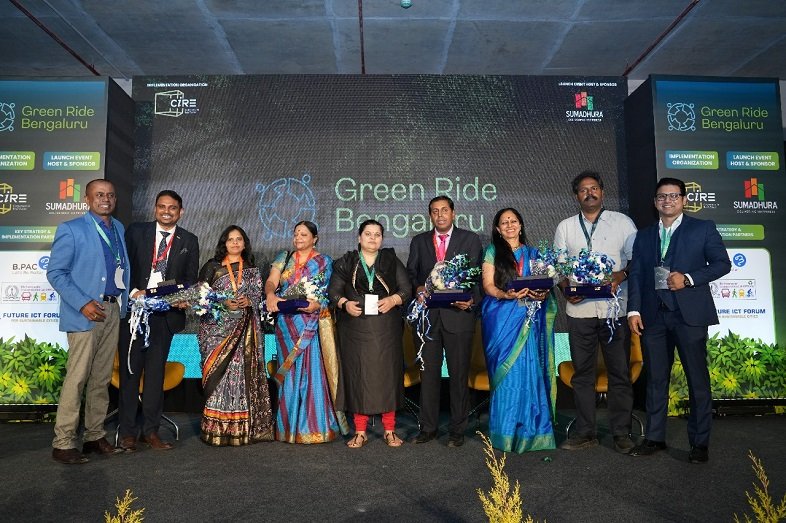
Bengaluru March 7th, 2024- – Green Ride Bengaluru, a pioneering initiative in sustainable urban mobility by CiRE (Corporates in Real Estate), is set to make its launch on March 1st, 2024. The campaign with a vision of “Making Bengaluru more commuter-experience friendly” is offering a revolutionary solution to the pressing mobility challenges faced by the commuters of Bengaluru.

As one of the most congested cities in terms of traffic, Bengaluru has long grappled with issues of pollution, increased commute times, and overall urban mobility inefficiencies. CiRE sees this as a window of opportunity to bring in a strong corporate force together to facilitate change in the urban mobility system in Bengaluru. The campaign is scheduled to run for 6 months and intends to recognize and award corporates, corporate-tech park owners, and start-ups who have facilitated the use of public transport, last-mile connectivity practices, provision of shared electric transport, adequate supplementary infrastructure, and necessary policies for enhancing sustainable mobility usage by employees for their commute. These five award-focus pillars go beyond just creating awareness about sustainable mobility but rather initiate the much-needed change within the corporate commute.

On a wider vision, Green Ride Bengaluru Campaign, CiRE aims to elevate the overall livability of the city encompassing environmental, economic, and social parameters of development. However, the plan is to not do this alone but in collaboration with partners from government, academic institutions, developers, planners, corporates, and citizens to ensure a successful outcome. The city of Bengaluru thrives on innovation, with CiRE we believe in driving innovation basis collective efforts across all bodies of real estate.

Jayaram S. Govindaiah Founder CiRE said, “Mobility in today’s world is all about creating a positive environment across the ecosystem by reducing footprint of carbon and related emissions. Sustainability is of paramount importance to our future generations and CIRE is at it to create and deliver sustainable solutions across India”.

Era Chaturvedi Co-Founder of Green Ride says, Bengaluru paves the way for a sustainable urban future, with better footpaths, enhanced last-mile connectivity, increased EV charging infrastructure, and dedicated cycling paths. As our cities swell with urban life, the duty for greener cities isn’t a collective burden but a personal commitment we each embrace

Aditya PS -Chairman of CiRE said, “I see mobility as a societal equalizer, bridging gaps and fostering inclusivity. Our Green Ride Bengaluru campaign champions sustainability, aiming to make a greener future accessible to all. It is a transformative shift towards sustainable, equitable urban living, setting a precedent for collective action”.

The Green Ride Bengaluru campaign of CiRE is being supported by B.PAC, IISC, and Future ICT Forum as its key strategic and implementation partners. Sumadhura Group who are also the sponsors to this inititiave– Mr G. Madhusudhan, Chairman and Managing Director said, “We are committed to leading the way in sustainable practices which are consistent , viable and give long lasting positive impact to our environmental footprint.” Happy to support Green ride Bengaluru that brings key stakeholders together to engage for an actionable green mobility which is much needed in our city.

Prof Ashish Verma (IISc – Sustainable Transport Lab) (IST Lab.) states that – “Through Green Ride Bengaluru, our combined goal is to bring long-term changes towards sustainable mobility by recognizing and inducing sustainable mobility practices among corporates in Bengaluru, who have a large collective footprint in terms of their travel activities. For IISc Sustainable Transportation Lab, Green Ride Bengaluru is another mode of translating our research on sustainable mobility into practice”

Smt Manjula Vinjamuri, Chairman, Karnataka Appellate Tribunal, and Director-General, Administrative Training Institute, Mysuru. (Prior – Commissioner, DULT) said, “The Green ride movement is an open invitation to Bengaluru’s corporate sector to partner with like-minded organisations, and bring about a transformational change in the way Bengaluru moves for work. Bengaluru’s corporate sector is known to be innovative, and deeply engaged with civic issues. They have been part of trail-blazing initiatives such as cycle2work. I am hopeful that they would join this initiative and nudge their employees to move from private to public transport”.