Tag: madhya pradesh

VST Zetor Range of Tractors Launched in Madhya Pradesh

Sehore (Madhya Pradesh )17th August 2024:

VST Zetor range of tractors, jointly developed by VST Tillers Tractors Ltd and HTC Investments a.s, has been introduced in Madhya Pradesh and appreciated by the farm community. VST Zetor also inaugurated its New dealership at Sehore. State Head of MP inaugurated the dealership M/s NADEEM TRACTORS AUTODEAL and explained the features to the valuable farmers. Over 1000 farmers attended the inaugural event and complimented the products.
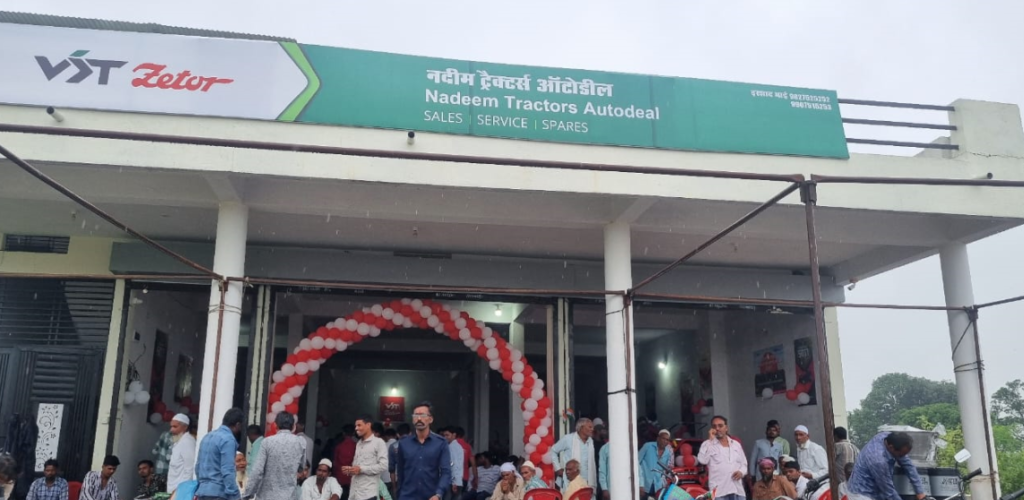
nadeem

Launched in May 2024, VST Zetor offers 3 innovative tractors, VST ZETOR 4211, VST ZETOR 4511, and VST ZETOR 5011 in the 41 to 50 HP range. These products are jointly developed in India by VST & ZETOR after taking valuable inputs from the farming community in India.

Zetor tractors were one of the most trusted allies for the farmers during the Green Revolution. The legendary tractor brand is back teaming up with VST to bring a new wave of innovation in farm mechanization to Madhya Pradesh. By launching the VST Zetor range of tractors in Sehore, the heart of INDIAN STATE known for world famous variety of wheat crop – “SHARBATI”, the company aims to empower Madhya Pradesh’s farmers with Powerful, efficient and highly reliable tractors. These Tractors will surely boost productivity, save time, and enable the farmers in the state to get the best out of their fields.

VST Zetor tractors feature an indigenously made powerful, best-in-class DI Engine with UCWLT working to get best mileage, fully constant mesh transmission with helical gears and VZ Matic hydraulics. Its wider Platform, dual diaphragm clutch, optimum turning Radius, dual-acting power steering, adjustable premium seat, aerodynamic styling , wide platform and better Ground clearance to ensure ease of operation with desired comfort.

VST ZETOR tractors are best suited for a wide range of applications from land preparation to post-harvest operations. It is highly compatible with all heavy-duty non-agriculture tasks along with all primary, secondary tillage and haulage applications of Agriculture.

VST ZETOR

VST ZETOR embodies a groundbreaking collaboration between VST Tillers Tractors Ltd and HTC Investments a.s., dedicated to delivering high-quality tractors to Indian farmers. Rooted in the principle of ‘Global Technology, made in India,’ the collaboration seamlessly combines VST’s renowned FAST & Frugal approach with ZETOR’s cutting-edge engineering. This synergy ensures both immediate relevance and future preparedness to address the dynamic needs of Indian agriculture.
Palm oil conference in Indore reshapes perceptions on health and nutrition

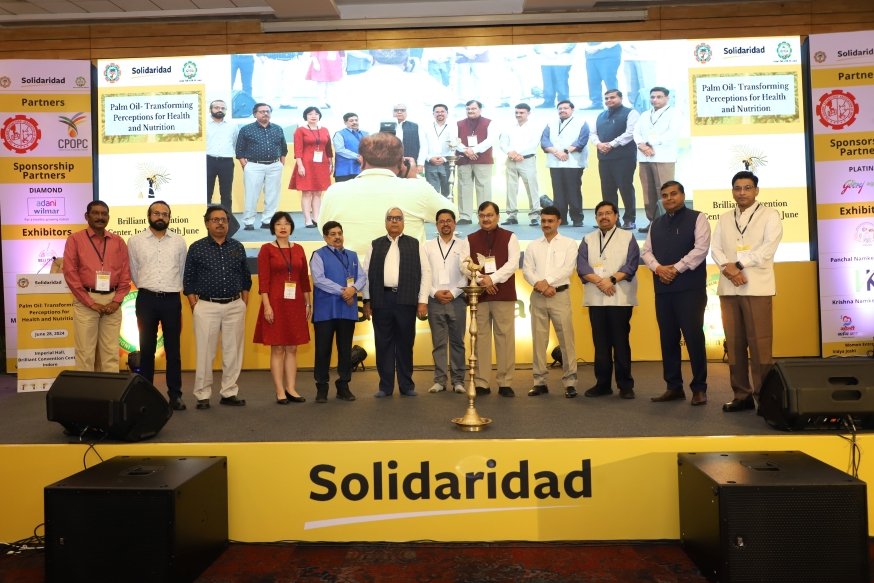
Mumbai / Indore, Madhya Pradesh, June 29, 2024 – The “Palm Oil – Transforming Perceptions for Health and Nutrition” seminar, jointly organized by Solidaridad, Asian Palm Oil Alliance and SEA successfully concluded at the Brilliant Convention Center in Indore. The event brought together leading nutritionists, scientists, medical professionals and edible oil industrialists like the Solvent Extractors’ Association of India (SEA), Adani-Wilmar, Godrej Agrovet limited to discuss the multifaceted benefits of palm oil and its role in India’s edible oil landscape. Palm oil’s rich nutritional profile was a key focus of the seminar, highlighting its high content of carotenoids and balanced fatty acid composition. Experts discussed potential health benefits associated with palm oil consumption, including improved heart and brain health, antioxidant properties, and support for eye health.

Image 1

Some of the discussion highlights:

  • Palm oil’s rich nutritional profile, with crude palm oil being one of the world’s richest sources of carotenoids (500-700 ppm).
  • Potential health benefits including improved heart and brain health, antioxidant properties, and support for eye health.
  • India’s palm oil consumption now exceeding 38% of total edible oil consumption, followed by soybean oil (21%), mustard oil (14%), and sunflower oil (12%).
  • Plans to expand oil palm cultivation area by an additional 0.6 million hectares by 2025-26, aiming for a total of 1.0 million hectares.
  • Projected production of crude palm oil to reach 1.12 million tonnes by 2025-26 and 2.8 million tonnes by 2029-30.

The event also addressed India’s growing reliance on palm oil, which now exceeds 38% of the country’s total edible oil consumption. To meet this demand, plans were outlined to expand oil palm cultivation area by an additional 0.6 million hectares by 2025-26. This expansion is expected to significantly boost domestic production, with projections indicating that crude palm oil production could reach 1.12 million tonnes by 2025-26 and further increase to 2.8 million tonnes by 2029-30, marking a substantial step towards India’s goal of self-sufficiency in edible oil production. This seminar recognizes the government’s ambitious target for achieving self-sufficiency in edible oils and is linked to the National Mission on Edible Oils- Oil Palm which is an essential step towards making India ‘Aatmnirbhar’ in edible oils. Its aim is to deconstruct myths and misconceptions that exist about the relationship between health and environmental impact of palm oil.

Atul Chaturvedi, Chairman Asian Palm Oil Alliance, stated: “India, as the world’s largest importer of palm oil, is committed to becoming self-sufficient in edible oil production. Palm oil has been a staple in various food and non-food products in India for centuries. However, in recent years, misleading reports about its impact on health, nutrition, and the environment have surfaced, causing harm to our farmers, especially smallholders, and negatively affecting our economy. This seminar aims to change public perceptions about palm oil by presenting scientifically accurate information.”

Dr. Shatadru Chattopadhyay, Managing Director, Solidaridad Asia, emphasized: “We are actively engaged in promoting sustainable practices in the palm oil sector through initiatives such as the India Palm Oil Sustainability (IPOS) standards platform. Despite its pivotal role, palm oil faces negative perceptions fueled by myths regarding its environmental and health impacts. These misconceptions not only harm the industry’s reputation but also affect the Indian economy, particularly impacting palm oil farmers and smallholders. Our efforts focus on dispelling these myths and promoting accurate information to support both sustainable palm oil production and the livelihoods it sustains.”

Mr. Ajay Jhunjhunwala, President SEA said: We are committed to promoting sustainable practices in the Indian palm oil industry. By encouraging farmers to adopt the Indian Palm Oil Sustainability Standard, we aim to ensure that our agricultural practices are environmentally friendly and socially responsible. We urge companies to support this initiative by purchasing palm oil that meets these standards.

Dr BV Mehta, Executive Director SEA, highlighted the economic significance: “India’s import of approximately 9 million tons of palm oil annually underscores the critical need to improve local production. With palm oil consumption surpassing 38%, and soybean, mustard, and sunflower oils following closely, there is a pressing gap that must be addressed through enhanced local cultivation and support for our farmers. As leaders in the edible oil industry, we are committed to raising the minimum selling price of palm oil to benefit our farmers and strengthen domestic production.”

Dr Suresh Motwani, Regional Head Veg Oil Solidaridad and Secretary General APOA, commented on the exhibition: “With this unique concept of exhibiting palm oil-made products, this seminar stands as proof that palm oil is an integral part of the Indian kitchen. By dispelling myths associated with it, India can surely achieve the Prime Minister’s vision of a self-reliant India in edible oil production.”

Sougata Niyogi, CEO, Oil Palm Business, Godrej Agrovet Ltd, said: “The National Mission of Edible Oils – Oil Palm is a step in the right direction for our country to reduce the import of edible oil. With a potential to yield 3-4 tonnes/ha/year, it is one of the highest yielding crops compared to all vegetable oil seed crops. Requiring less water when compared to other crops like sugarcane and paddy, it also enables farmers to have an assured source of income for more than 20 years in addition to alternate source of income through intercropping. Additionally, with only agricultural land permitted for growing the crop, oil palm also aids in increasing the biodiversity in the region.”

Dr. Vijaya Khader, Former Dean Acharya NG Ranga Agriculture University and Nutritionist added: “Numerous studies have substantiated the manifold benefits of palm oil across various applications, owing to its versatile characteristics in both edible and non-edible products. Before forming any opinions about palm oil, it is imperative that individuals educate themselves thoroughly about its attributes. Only then can they make informed decisions, rather than relying solely on hearsay.”

PepsiCo India announces an investment of INR 1266 Crore to set up a flavour manufacturing facility in Ujjain, Madhya Pradesh

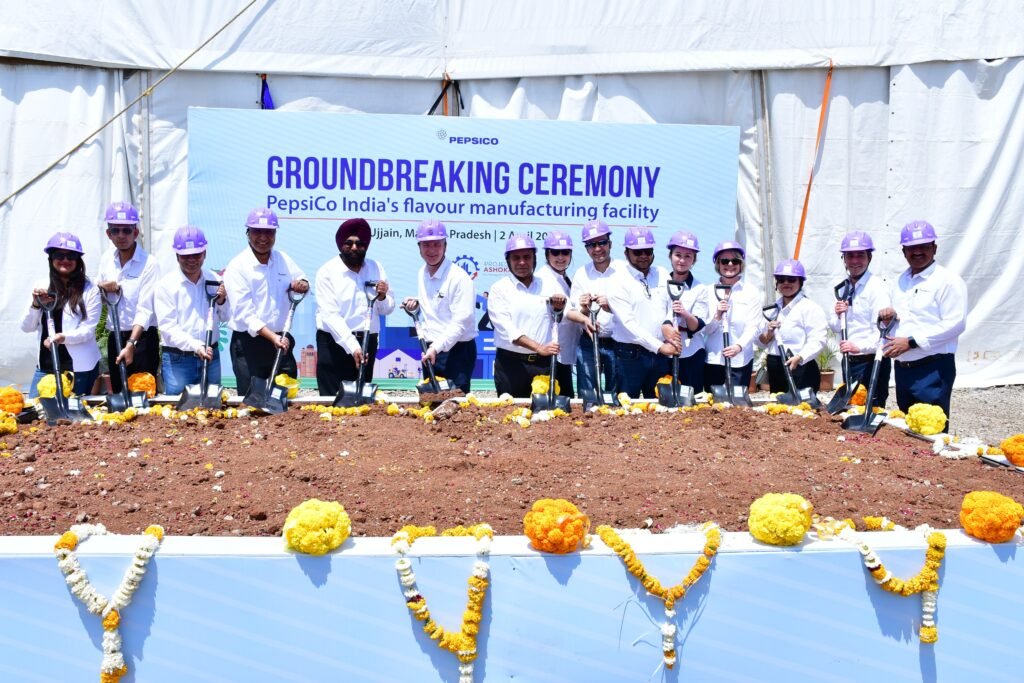
National/Madhya Pradesh, 2nd April 2024: PepsiCo India, a leading global consumer packaged goods company, announced an investment of INR 1266 Cr in India to establish a state-of-the-art flavour manufacturing facility in Ujjain, Madhya Pradesh, reaffirming its commitment to expand operations in the country. Spread over 22 acres, this plant will play a significant role in scaling up PepsiCo’s beverage production in India, generating employment and positively impacting the local economy.

pepsico

Truly embracing Atmanirbhar Bharat’s vision, this is PepsiCo India’s second flavour manufacturing facility in the country, and will manufacture beverage flavour ‘In India, for India’. This innovative facility not only underscores PepsiCo’s commitment to scaling its business operations in India but also extending efforts to positively impact and contribute to the diverse communities it serves. Aligned with PepsiCo’s ‘Winning with pep+’ (PepsiCo Positive) philosophy of driving sustainable accelerated growth, the plant will be implementing various state-of-the-art technologies to ensure efficient water usage and replenishment, setting new industry standards for eco-conscious operations.

Jagrut Kotecha, Chief Executive Officer, PepsiCo India & South Asia, said, “With support from the government of Madhya Pradesh, we aim to strengthen our footprint while driving impactful progress in enhancing the socio-economic landscape of the region. Bolstering the ‘Make in India’ vision, the new flavour manufacturing facility will champion sustainability, aligning with our ‘Winning with pep+’ philosophy, creating a positive value chain while delivering on our promise of continuous innovation in our products. Through meaningful engagement, our goal is to work towards comprehensive development, contributing to the holistic advancement and welfare of the communities we serve.”

George Kovoor, Senior Vice President, Beverages, PepsiCo India, said, “We are excited to announce the setting-up of our second flavour manufacturing facility in India, a significant testament to PepsiCo’s unwavering commitment to the region. We aim to ramp up the production of our beverages to meet the rising demand in the country. This strategic investment not only strengthens our dedication to providing the highest quality beverages to our consumers but also reinforces our responsibility to drive sustainable practices across our operations.”

In line with PepsiCo India’s global sustainability goals, the manufacturing facility will operate entirely on renewable energy sources leading to a reduction in carbon footprint by an impressive 1.9 metric tons per day. With Zero Liquid Discharge technology, the plant aims to achieve approximately 90% overall water efficiency, ensuring responsible management of water resources, replenishing 100% of the water used at the facility.

PepsiCo’s first flavour manufacturing facility in India is in Channo, Punjab. With its second plant, the company aims to fortify the presence of its flavour facility in India and make meaningful strides towards enriching the socio-economic fabric of the region. The construction of the upcoming plant is slated to start in 2024 and is expected to be operational in the first quarter of 2026.

IIHMR University to train 100 Administrative Nursing Cadre for the Government of Madhya Pradesh

IIHMR University known as the Global Public Health Hub and an institution garnering excellence in Public Health and Higher Education in the healthcare sector has concluded a Management Training Programme for the Administrative Nursing Cadre for the Government of Madhya Pradesh. IIHMR University has conducted multiple Management Development Programmes for the healthcare cadre both Government and privately owned institutions across various states. The Management Training for Administrative Nursing Cadre for Government of Madhya Pradesh will be in three phases. The first phase has trained23 Nurses that belong to various senior and junior level hierarchies.

Dr. PR Sodani, President, IIHMR University said, “IIHMR University’s Management Development Programmes are specialised and research based and because of this we work with many Governments and international agencies for capacity development in healthcare cadre. This Management training programme has been conducted with the aim to train nurses at different hierarchies, who are working at Government Hospitals/ Health Centres in Madhya Pradesh. The Training programme focused on behavioural and clinical skills along with experiential learning through visit to various Government facilities.”

The recent pandemic has shown data facts that there was a shortage of nursing staff. According to Union health ministry data, there are just 1.7 nurses per 1,000 people in India, which is less than the WHO’s prescribed minimum of 3. Capacity building programmes during COVID-19 has been an important aspect which has been laid by the Government too.

Dr. Shiv K Tripathi, Professor, Dean Training, IIHMR University said, “through this capacity building programme, we will be training 100 nurses from Madhya Pradesh in 3 batches. The overall aim of the training programme is to enhance management and administrative skills of nursing managers and administrators. The training is intended to create and share good understanding of different functional and behavioural competencies, required to delivering high quality and people centric nursing services.”

Mrs. JwalaArsey, State Consultant, Madhya Pradesh said, “We are glad that IIHMR University has given an opportunity to all the Nursing Cadre across various hierarchies from MP to be a part of this training programme. We are hopeful that all the nurses and the cadre that have been trained today shall implement what they have learnt during this training programme.”

Through this Management Training, the Administrative Nursing Cadre for Government of Madhya Pradesh shall understand the emerging approaches to effectively manage nursing services. It will also help them to effectively manage the supply-chain (pharmaceutical) operations involved in planning and delivery of nursing services. The Nursing cadre will also be able to manage the professional and ethical behaviour in service delivery.

The Management Development Programmes at IIHMR University have always been dedicated where participants learn to examine the economic, political, social, and ethical demands of top leadership and broaden their vision, navigate critical business challenges, and ignite change both personally and professionally. They gain a new perspective, actionable business strategies, and leadership development in the academically rigorous program with and experience that will impact the trajectory of their careers, providing strategic skills and connections that will last for a lifetime.

Shriram Super 111 Wheat Seedincreases yield of wheat for farmers in Madhya Pradesh

Farmers from Madhya Pradesh have reported an increased yield through wheat variety, Shriram Super 111 seed by Shriram Farm Solutions, a unit of DCM Shriram Ltd. Shriram Farm Solutions has developed innovative research-driven products to enable farmers to enhance their crop yield and farm productivity.

Since its launch, Shriram Super 111 wheat seed has gained popularity among farmers across various regions in Madhya Pradesh. The variety has been developed by a world-renowned wheat scientist at Shriram Fertilizers and Chemicals.

Shriram Super 111 wheat seed is popular due to its yield superiority over several other wheat varieties. Along with this, the additional traits of more fodder, shining bold grain and good ‘chapati’ making quality makes it the preferred choice of seed for wheat in Madhya Pradesh, Maharashtra, Gujarat and parts of Rajasthan

Vijay Patel, an experienced farmer from Khargone district, Madhya Pradesh, has been sowing Shriram Super 111 wheat seed for last 4 years. Last year he had sown this variety in 12 acres of his land and obtained an average yield of 25 qtl per acre.

He is extremely elated by the production as according to him the yield is 3-4 qtl/acre more than other prevalent varieties and which translates to an additional profit of approx ₹ 8,000 per acre. He observed that the length of the earis much more in this variety and so is the grain count per spike(75-90 grains per spike). He swears by Shriram Super 111 for a higher level of production both in terms of quality and quantity.

Farmers across Madhya Pradesh have experienced similar success using Shriram Super 111 wheat seeds. Another farmer Tirthraj Srivastava from Bhopal has been sowingShriram Super 111 in the field for the last 5 years. He has tried and tested a lot of varieties but has not been able to get the level of production he has obtained after shifting to Shriram Super 111. Last season, he was able to get close to 30qtl/acre yield which was 5-6qtlper acre more than other popular varieties in his area. He is happy to see the lustrous, bold grains and is very impressed with the preference of Shriram Super 111 wheat in mandis.

As Shriram Super 111 has become the first-choice of wheat seed among farmers in Madhya Pradesh, other varieties developed by Shriram Farm Solutions like Shriram Super 252 and Shriram Super 303 are also equally popular due to their superior performances.