Tag: COVID-19

New Omdia research shows AI processors for the edge will nearly double by 2028

LONDON, February 23, 2024 –PCs will be the main driver of growth in the AI edge processor market over the next four years, according to new research from Omdia.

This was among the results announced by Omdia in the 2023 edition of its AI Processors for the Edge Forecast, which covers the market for artificial intelligence processors across ten device types including smartphones, PCs, tablets, smart speakers, robots, and UAVs, among others. The total market for AI processors at the edge is expected to grow from $31bn in 2022 to $60bn in 2028, a CAGR of 11%.

Several factors are leading to PCs’ growing importance in this market. Product availability is certainly a key factor with Intel’s Meteor Lake CPUs recently joining AMD’s Ryzen 7040, 8040, and 8000G processors, Apple’s M-series, and Qualcomm’s Snapdragon Elite X. Also playing a role is the expected rebound of PC market which has slowed recently after a COVID-19 pandemic related surge in 2020 and 2021. Beyond 2025, though, the machines sold during the surge will start approaching the end of their accounting lives, creating the possibility of a refresh cycle that will help with AI PC adoption.

“This is especially important as demand from smartphones – an early-adopting sector – is expected to slow” said Alexander Harrowell, Omdia’s Principal Analyst for Advanced Computing. “Saturation is certainly a factor in the smartphone market, as over two-thirds of them by volume now have some form of AI acceleration and growth is concentrated in the premium price tier.”

The forecast splits the market by processor types such as in-CPU accelerators, AI-ASICs, AI-ASSPs, GPUs, and FPGAs and power/performance bands across the 10 device classes.

As discussed in the report, systems-on-chips introduced in 2018-2019 with basic acceleration are now beginning to drop out of vendors’ product lines in favor of more powerful ones. As a result, the lowest and middle performance tiers are emptying out and the next ones up growing, with the strongest growth in the top (>30 TOPS) group. The bulk of growth will come from proprietary AI-ASSPs such as Qualcomm’s Snapdragon and Mediatek’s APU.

Harrowell added, “AI ASSPs will push from 19% to 28% of the market, largely at the expense of GPUs. PCs are beginning to look more and more like smartphones or tablets as they adopt the CPU-GPU-NPU architecture familiar from nearly all modern smartphones, while in-CPU acceleration has been unexpectedly slow to take off.”

A Nobel Initiative by H. R. College to get Students and Faculty Vaccinated

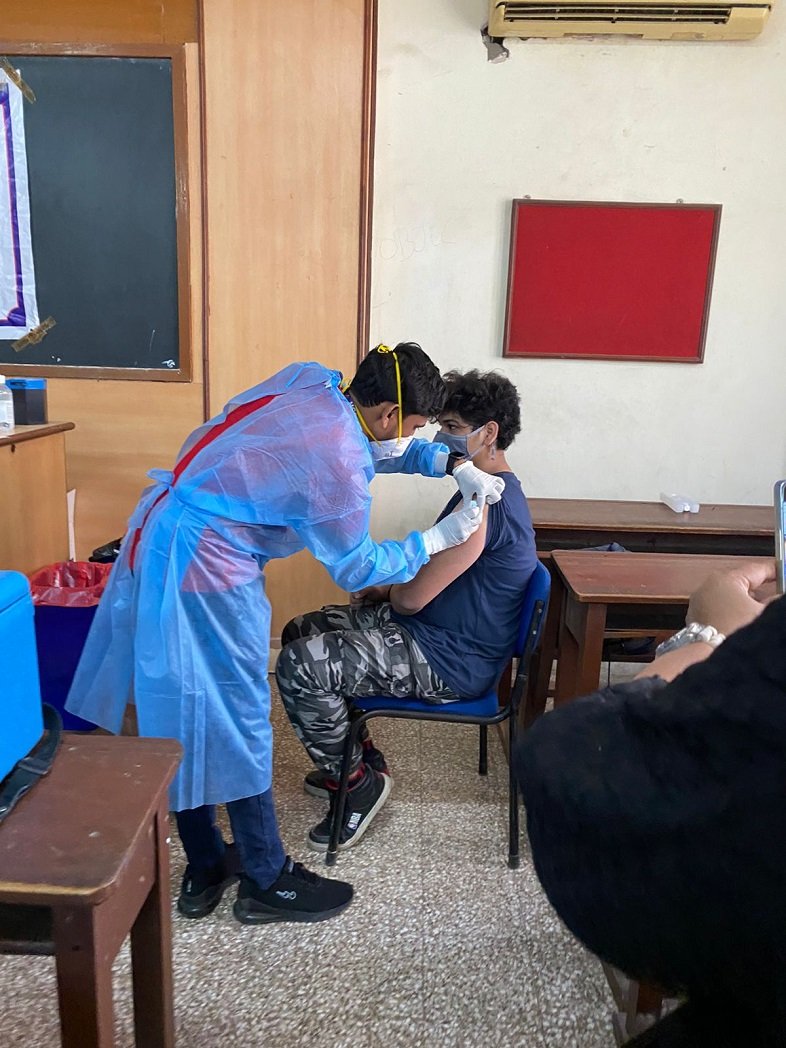
Team conducting the vaccination drive at H. R. College

Mumbai, 27th January 2022: As education institutes are ready to re-open as per the government guidelines, there is a higher risk of being exposed to the virus due to the increasing number of COVID-19 cases in Mumbai. Thus, to ensure minimal threat (in case of exposure) and safer travels, the Rotaract Club and the NSS Unit of H. R. College of Commerce and Economics decided to shoulder the responsibility of encouraging students and faculty to get vaccinated.

Witnessing the spike, Mumbai’s one of the prominent colleges under the HSNC Cluster University, observed the necessity to be fully vaccinated. For seamless operation, H. R. College conducted the vaccination in collaboration with Brihanmumbai Municipal Corporation (BMC) in the college premises.

A student getting vaccinated

Commenting on this initiative Dr. Hemalata Bagla, Vice-Chancellor – HSNC University said, “This was attempted to move towards a COVID free India!” She supported this statement with Henry Ford’s quote, “If everyone is moving forward together, then success takes care of itself.”

This organized effort was undertaken on 21st January 2022, where all the unvaccinated students, teachers and staff members were encouraged to take the shot. More than 100 people benefitted through this noble initiative!

Sewa International equips the nation with Mission Niramayah to combat COVID-19’s third wave

Sewa International, a global non-profit organization, gears up with the health initiative Mission Niramayah to fight against the spread of the COVID-19 pandemic. The initiative, which began in October 2021, aims to strengthen the understanding of precautions, symptoms, diagnostic measures, and treatment of coronavirus and its variants, especially in rural India.

Sewa International is nurturing a network of health volunteers, called ‘Aarogya Preraks’, to build long-term health resilience across the nation, with 1Lakh+ villages as the target. By the end of January, the organization will reach 1, 00,000 villages with a diagnostic and preventive kit. This will pave the way for early detection of COVID-19 while facilitating isolation and ensuring timely medication to the patients.

Equipping India before the third wave hits the country, the core objective of Mission Niramayah is to aid people in distress and put a check before the situation degenerates due to the pandemic. The healthcare initiative will benefit around 12.5 crore people, across 720+ districts in all 28 states.

Speaking on the initiative, Shri Shyam Parande, Secretary, Sewa International, said, “Sewa International has been working extensively in diverse areas for over two decades. Managing disasters end to end, we have also expanded ourselves in health, education, women empowerment, etc. For the past two years, we all have been grappling with an unseen enemy  COVID-19, and the way new variants are unfolding is quite alarming for people with inadequate medical facilities. In the light of current events and to support the nation in this ongoing war against COVID-19, Mission Niramayah has been initiated. When we started working we had the lowest COVID-19 cases, and today we are in the middle of the third wave. We are glad that we are better prepared this time.”

As of today, the kits have already reached 30,000+ villages in the nation, 40,000+ kits are in a transition stage, and 30,000+ are set to reach their destined villages in the next 2 weeks. These kits are being used to identify COVID-19 patients and ensure the isolation of patients.

Business Responsibility in COVID-19 pandemic World

2021 was a year that showed us the true capability that India has, and how much more we can do in 2022.

By Rusen Kumar

The COVID-19 pandemic has had a serious and unprecedented impact across the economies and society in general, particularly in India. 2021 was different in every aspect and held more than its fair share of challenges. 2021 was a year where India demonstrated that our people come first – when lives depended on ensuring taking all necessary precautions. India implemented numerous initiatives towards ensuring the health, well-being and safety of our people.

India reeled under the new coronavirus pandemic situation that disrupted our collective sense of the normal, and also witnessed a crisis of unprecedented nature and effect. The harsh situation continues to remain serious, and therefore, we should continue to support our people and our communities.

However, India also saw the best of human nature at this time. India continually witnesses magnificent examples of resilience. India’s collective resolve to stand with communities, to inspire hope and healing. India is determined to come out stronger from this pandemic than we have ever been. As a sustainable and responsible India, everything we do is to inspire by a deep sense of purpose.

Our collective values have held us in good stead at this time, and they are the foundation on which we have built our success and results. It is heartening to see India rise to the challenge and continue to make a positive impact on the lives of people. In India, the pandemic situation continues to remain serious, and therefore, we continue to support our people and our communities.

India proved the solidity of the Covid-19 strategy. This has helped India quickly adapt to new ways of being stronger together and gain greater momentum addressing key challenges. Government responses in the year 2022 continue to stand robust, both economic and in terms of meeting and exceeding people’s expectations.

India’s COVID-19 vaccination coverage has exceeded 150.61 Cr on January 8, 2022. India is accelerating the pace and expanding the scope of COVID-19 vaccination throughout the country. The vaccination drive has been ramped up through the availability of enough vaccines, advanced visibility of vaccine availability for enabling better planning and streamlining the vibrant vaccine supply chain.

We need to have put in place multiple task forces for people’s hospitalization, medication and vaccination. We need to expand the scope of our employee benefits from medical and term insurance to provide for the families of employees we lost to this terrible virus. Throughout this challenging period, India responded very quickly to prioritize the health and safety of our people and continued to provide a reliable supply of medicines, vaccination and necessary help to the patients across the country.

As part of the nationwide vaccination drive, India has given COVID Vaccines free of cost to people. In the new phase of the universalization of the COVID-19 vaccination drive, India will procure and supply (free of cost) 75% of the vaccines being produced by the manufacturers in the country to various states.

The Indian business cemented its strength with its persistent effort to enhance profitability by improving upon the overall quality of the business. During the year 2022, India needs to continually launch new initiatives and economic relief to Covid-19 affected people and businesses. While India has performed well in the year 2021, It has started 2022 on an optimistic note.

People, civil society and businesses, who collectively enable India to create value by helping each other, will keep focusing on India’s strategic priorities and leveraging their strengths. Trust, confidence, and support to government efforts toward Covid-19 are key for overcoming challenges. Notwithstanding the challenges of the times, Indian businesses should continue to think from the heart and act with a high head – to care for people, covid-19 patients and communities.

Shaped by the COVID-19 pandemic, the unexpected and overwhelming year of 2021 that went by affected every aspect of our lives. In the face of this unprecedented volatility, India made proactive investments in people, processes, operations and technologies that tackle the Covid-19, so that India could deliver strong operational performance throughout the year and into the 2022 and future.

Throughout 2021, India worked hard to strengthen the long-term value of people and business, to emerge stronger coming out of the pandemic. This has been possible due to the hard work, perseverance, and commitment of India’s people. Our priority for the year 2022 will remain to ensure the health and safety of our people. Let’s put in place extensive measures to protect our people and their families, yet sadly we lost several of our valued fellow citizens.

All responsible corporate citizens must continue to extend all forms of support to COVID-19 relief efforts. In a year of turmoil, Indian corporations should be proud and humbled to have been able to serve our communities and needy people.

The year 2021 was a year that showed us the true capability that India has, and how much more we can do in 2022. I am very excited about the opportunities ahead for our people and business.

About the Author

Rusen Kumar is the founder and CEO of India CSR – The CSR Informer of India. He regularly writes on CSR, Sustainability and Environmental affairs. He brings an understanding of governance, leadership development, social development, human development, and strategic focus by serving boards. His leadership accomplishments in social enterprise, planning, and governance range from viable achievements in knowledge forum initiatives to advancement of corporate social responsibility issues in India. He can be reached at rusenk@indiacsr.in

The truth about 99.9% germ kill

A decade of derailing ‘germs’, from SARS to H1N1 in Russia to now COVID-19, has given rise to dozens of products bragging about their microbe-killing properties. Preventive hygiene products including sanitizers and hand-washes to home care products like floor and toilet cleaners, come with a disclaimer that they kill 99.9%, or 99.99%, of common bacteria and fungi. We have seen it in ads, read them on labels ad nauseum.

But have you stopped to consider what this actually implies?

A claim such as 99.9% or 99.99% germ kill may not be a plausible promise many products can keep when it comes to their performance across various types of germs like bacteria, viruses, fungi, and spores. While products can be 99.99% effective on one type of germ may not be effective on others that are tough to disinfect.

However, that is not TRUE!

Some of the most popular products carrying this claim are effective on only a small spectrum of germs and pathogens. The proof comes in the form of the fine print somewhere on the container that lists the germs a product actually kills. And this list of germs may or may not include some or all of the viruses. This means the spectrum of 100% is a limited one, to begin with.

Not all disinfectants and medical fluids are created equal. Contrary to popular belief, disinfectant solutions may differ from each other in many different ways. They may also have different efficacy claims and dilution ratios. The most common disinfectant solutions used for facility maintenance or deep germ kill action are composed of active ingredients like sodium hypochlorite (bleach), quaternary ammonium (quat), hydrogen peroxide, silver ions, alcohol or acids, iodine etc. Each of these has their own germ-ridding characteristics, and when mixed with other compounds to be made into a solution, they may be effective on different strains of pathogens.

So, what should you look out for?

1. Look for third-party certifications – Products certified by an independent testing facility, preferably ISO-affiliated, are unlikely to be able to claim something they do not deliver on. These details can be found on the labels of the products you pick. Go beyond ads and top-line claims – read the small print and engage before you purchase.

2. Be conscious of the usage scenario – When picking a product, look for active ingredients responsible for disinfection. Brands like Domex Surface and Floor Disinfectant have Sodium Hypochlorite as an active ingredient. It is one of the most powerful disinfectants available and works on a broad spectrum of germs like bacteria (both gram-positive and gram-negative), viruses (both enveloped viruses and more difficult to disinfect non-enveloped viruses), fungus and spores. The various scientific literature confirms that Sodium hypochlorite is fast-acting and unaffected by hard water.

3. Be wary of products that try to do more than one job – 8/10 times products that try to sell themselves as a freshening and disinfecting agent combined into one may be diluted, thereby less effective versions of products that focus on one core premise. Read up on the technology/science the product is using to make it happen. Product description sections on eCommerce platforms, labels or the product website are good places to go searching for this information.

The use of disinfecting agents is important, especially at a time when everyday hygiene is of absolute significance. However, it is imperative that we take a moment to assess the product specifics, and its certifications to truly judge efficacy. As consumers, we should be cognizant of what we are paying for at the end of the day.

A Steep Rise in The Cases of Arterial Thrombosis in Post-Covid Patients

Mumbai: There is increasing evidence of the association between COVID-19 and arterial thrombotic events as many post-Covid patients have suffered from limb and life-threatening blood clots in the arteries of the legs. The arterial thrombosis induced owing to COVID-19 infection is characterized by dire outcomes, strikingly increased rates of amputation and death. Timely follow-up, early detection of symptoms, and prompt treatment will prevent complications and the limbs can be saved from gangrene setting in and amputation.

A 46-year-old woman’s Mrs S P who is a resident of Sion, Mumbai, housewife with a past medical history of hypertension, obesity was detected to be Covid positive on March 21, 2021. She had fever with cough, her Covid pneumonia CT score was 8/25 and oxygen saturation was 92%, hence was admitted to the hospital on 27th March 2021 and needed 4 liters of oxygen She was treated with the help of steroids and Remdesivir for 6 days. She recovered well and her saturation was 98% on room air with no breathlessness. The patient was discharged on day 10 on oral steroids, antibiotics, and ecosprin in the first week of April. 9 days post-discharge, she experienced pain in the left foot. She consulted a physician who advised pain killers. But, nothing seemed to work in her favor. To her dismay, 24 hours later pain worsened. The physician referred her to an orthopaedic who advised her an arterial colour doppler, which revealed clots (thrombosis) in the main artery supplying the leg (the superficial femoral artery), with poor blood flow in the leg.

She presented to us with severe left leg pain, on examination the leg and foot were cold with the toes showing discoloration. We took her for angiography as an emergency in the night, which revealed clots in the left leg arteries. With a special catheter, we aspirated the clots and gave a clot-busting drug to dissolve the leg clots. This drug was given for 12 hours through a catheter in the leg. We repeated an angiogram which showed near total clearance of the clots. The pain disappeared with the foot now warm to the touch. The pulses in the foot were felt, and she had good toe movements.

Dr. Rahul Sheth, Interventional Radiologist, Zen Multispeciality Hospital, said, “24 patients have been treated for lower limb arterial clots. We have been able to save 17 limbs, where no amputation was required. 7 patients required some form of amputation since they presented late. Out of the 24 patients, 2 presented in the first wave, and 22 in the second wave.”

Various studies have proven that covid infection leads to clots in the arteries that are responsible for carrying oxygen-rich blood to the body from the heart, and this can be termed arterial thrombosis. it is postulated that Covid-19 increases the blood’s viscosity of the blood causing clots When the blood flow in the artery is blocked due to the clots, there is no oxygen supply to the body parts. When this affects the legs it can lead to severe leg pain, cold limbs and if untreated will progress to gangrene with amputation or removal of the limb to save the patient’s life. These blood clots can also travel all over the body and damage distant organs. ”

Dr Sheth added,” The symptoms will be noticeable sometimes during active covid or sometimes even 7 to 10 days post covid recovery.

The golden period to treat is within 24 hours after the onset of the symptoms. Any symptoms like leg pain, pain in walking, cold limbs should not be ignored and a doctor should be consulted. Examination of the affected leg and palpation of the foot pulses should be done. If the pulses are absent, then immediate admission should be done, followed by an arterial colour Doppler.

This colour doppler is like sonography for the blood vessels to detect the blockage. Then, a peripheral angiography is performed to confirm the diagnosis and decide on a treatment plan. Two main options are there; endovascular, where the clots are removed using a special catheter and a clot-busting drug is given to dissolve the clots; or surgical wherein an incision is made in the artery and the clot removed using a device. Endovascular is preferred nowadays since the clots in the small blood vessels in the leg and foot can also be cleared.

“There is no awareness regarding this condition and the patients ignore the early symptoms. Some come to the hospital in advanced stages with discolouration of skin or gangrene. The first 12 to 24 hours of symptoms are crucial blood circulation needs to be restored; ideally earlier the better. Don’t take severe leg pain or any abnormal changes in the body casually, during the post-covid period,” said Dr Sheth.

“I was incapacitated due to severe foot pain, and unable to do my daily activities with ease. I couldn’t walk, stand or even access the washroom. I am fortunate to receive prompt treatment at Zen hospital wherein the doctors saved my limb and amputation too. I want to urge other patients like me to be careful and avoid delaying treatment. I am thankful to the doctors for giving me a new lease of life, and I have resumed my daily routine. I walk on my own and there is no leg pain now,” concluded patient Mrs. S P

BDR Pharmaceuticals announces license agreement with DRDO for manufacturing Covid-19 Drug 2-DG in India

Mumbai: BDR Pharma, one of India’s leading generic pharmaceutical companies, has received an approval and signed a license agreement with the Defence Research and Development Establishment (DRDE) and the Institute of Nuclear Medicine and Allied Sciences (INMAS) of the Defence Research and Development Organisation (DRDO) for the manufacturing, distribution, and marketing of 2- Deoxy-D-Glucose (2-DG) in India. Last month, the Drugs Controller General of India (DCGI) approved the oral medication for emergency usage as adjuvant therapy in mild to severe Covid-19 patients.

The Defence Research and Development Establishment (DRDE) in Gwalior had produced 2-DG. The clinical trials were carried out in collaboration with Dr. Reddy’s Laboratories by the Institute of Nuclear Medicine and Allied Sciences (INMAS), a DRDO lab. After receiving positive responses in Phase-II and Phase-IIb trials, DCGI permitted 2DG phase-III trials in November 2020. The Phase-II trial, which lasted from December 2020 to March 2021, enrolled 220 patients. The medicine was discovered to speed up the recovery of COVID-19 patients in hospitals and to lessen the need for supplementary oxygen in COVID-19 patients.

Commenting on the development Mr. Dharmesh Shah, CMD, BDR Pharmaceuticals, expressed, “We are pleased to secure a license from the DRDO and add 2-Deoxy-D-Glucose to our Covid product offering. This arrangement aims to ensure that this drug reaches as many eligible Indian patients as possible who are suffering from the devastating pandemic. Our aim is to ramp up the availability of successful treatment and coordinate manufacturing so that there is no scarcity of drugs to give to people fighting the disease. We expect that by widening and deepening the identification and development of COVID-19 therapy options, this collaboration can address more unmet medical needs.”

This collaboration will improve local treatment options and positively impact the lives of COVID-19 patients in India. Clinical trial data supplied by the government based on the emergency approval demonstrated that the chemical aids in the speedier recovery of Covid-19 patients and minimizes their reliance on supplementary oxygen. In addition, the medication builds up in virus-infected cells and stops viral manufacturing and energy production, preventing the virus from spreading.

The product will be priced competitively and will be available in powder form in a sachet that can be consumed orally after being dissolved in water.

BDR has applied to the Drug Controller General of India (DCGI) for restricted emergency use authorization to manufacture Drug 2-DG to treat COVID-19 patients in India. For the development of 2-DG drugs, the DRDO has recently signed agreements with four major Indian generic medicine producers.

Back pain on the rise in covid patients

Delhi: The classic symptoms of Covid-19 are fever, cough, body pain, sore throat, loss of taste and smell. Although back pain is not a classic symptom of covid-19 infection, it is increasingly common to find patients seeking medical advice for persistent back pain many weeks after a so called complete recovery. According to experts, timely treatment and embracing a healthy lifestyle are key to getting rid of back pain. Here is an illustrative case.

Mr Nilay Kumar, a young professional from Delhi was diagnosed with Covid. He was classified as a mild case and made a complete recovery after 2 weeks of treatment and home isolation. But he could not perform his daily chores due to severe back pain. He would find it difficult to stand or perform day to day activities like bending, sitting, exercising or even walking with ease. The constant back pain made his life miserable. He sought medical advice and was started on appropriate medication and supportive treatment. Finally the patient was successful in tackling back pain and is now leading a healthy life. There are many patients like him who have back pain that has affected not only their work but also their peace of mind.

According to Dr Nipun Bajaj (Spine specialist at Apollo Spectra Hospital, Nehru Enclave, Delhi) Persistent back pain is very common in young individuals working from home even after a complete recovery from Covid. Although mechanical back pain is the most common pathology, psychological issues and underlying disc disease also play an important role in persistent back pain. Sedentary lifestyle, poor diet, inappropriate posture and long working hours all contribute a lot to mechanical back pain.

Dr Nipun Bajaj added “Mild covid and post covid patients need to eat a well-balanced diet, exercise regularly, avoid sitting in one place for long, avoid lifting heavy objects, drink lots of water and maintain a healthy height weight ratio. Also it is important to seek timely medical advice and not to self-medicate.”

Understanding Molecular actions may be the key in Treating Severe Covid-19 cases

Scientific studies rarely focus on long non-coding RNA molecules (lncRNAs), even though they potentially regulate several diseases.In a recent study conducted at the Azrieli Faculty of Medicine of Bar-Ilan University, researchers have reported the role of several lncRNAs in anti-viral inflammatory response regulation.Considering their significant regulatory function in immune response, the researchers sought to identify lncRNAs co-expressed with human genes involved in immune-related processes during severe SARS-CoV-2 infection in the lungs.

Recent studies demonstrated that patients afflicted with severe SARS-CoV-2 infections present increased levels of pro-inflammatory plasma cytokines, as opposed to milder cases, highlighting the release of inflammatory cytokines as being central to COVID-19 severity. However, the underlying molecular mechanisms responsible for dysfunctional immune responses during COVID-19 infection remain elusive.

In a paper recently published in the journal Viruses, the researchers demonstrated that lncRNAs are indeed potential regulators of anti-viral response during severe SARS-CoV-2 infection. Using the available transcriptome data from the lung cells of severely affected COVID-19 patients and SARS-CoV-2 infected lung-cell-lines, they constructed a gene co-expression network that can measure the relationship of gene expression patterns across a group of samples. This analysis enables them to identify four differentially expressed lncRNAs that are found to be strongly correlated to the protein-coding genes in a novel network enriched for different immune-related processes associated with dysregulated cytokine production. These four lncRNAs were also identified as “hubs” – important nodes in this co-expression network, signifying their association with cytokine over-production due to fierce immune response.

The finding suggests that the aberrant expression of lncRNAs can be associated with cytokine storms and anti-viral responses during severe SARS-CoV-2 infection. Thus, the present study uncovers the potential associations of lncRNAs in cytokine and interferon signaling during the response to severe SARS-CoV-2 infection in the lungs. This could provide valuable insight into pro-inflammatory cytokine production and how to mitigate it. It could also potentially be utilized as a future drug target to combat the hyper-inflammation caused by SARS-CoV-2 infection.

“It is remarkable that a major part of the human genome is filled in by non-coding regulatory elements, formerly known as “junk DNA”. Among these are the long non-coding RNAs (lncRNAs). These lncRNAs are receiving more and more recognition as the potential regulators of several diseases,” says Dr. Milana Frenkel-Morgenstern, of Bar-Ilan University’s Azrieli Faculty of Medicine, who led the study with Prof. David Karasik.

This study sheds light on the mechanisms behind COVID-19 severity and dysfunctional immune responses. Understanding the molecular interactions behind the immune dysfunction during severe COVID-19 infection in the lungs should help inform the design and development of novel approaches for treating severe COVID-19 patients.

The researchers plan to validate their findings on human samples and further aim to determine which drugs from their COVID-19 drug database may inhibit the cytokine storm generation in COVID-19and will design experiments to test the efficacy of those drugs.

This study was supported by a grant from the COVID-19 Data Science Institute (DSI) at Bar-Ilan University and a PBC fellowship for outstanding postdoctoral researchers from China and India (to Dr. Sumit Mukherjee, who participated in the research) from the Israel Council for Higher Education.

ABOUT STUDY IN ISRAEL:

The Council for Higher Education of Israel launched the Study in Israel initiative to promote internationalization in the Israeli higher education system and attract international students. The initiative focuses on increasing awareness of Israel’s excellent academia and research while communicating the distinctive, engaged approach to education that Israel offers students. Through “Study in Israel” students from all over the world are invited to “Engage in Excellence”. For further information, log onto – https://studyisrael.org.il/

Countries, health partners discuss strengthening collective response to COVID-19 in WHO South-East Asia Region

Mumbai: The World Health Organization today convened a meeting of member countries and health partners to discuss strengthening of collective efforts to control COVID-19 spread.

“Several countries continue to experience high transmission. We are still very much in the acute phase of pandemic. We must continue to aggressively respond, using all tools at our disposal,” said Dr Poonam Khetrapal Singh, Regional Director, WHO South-East Asia, opening the ‘South-East Asia Partners’ Meeting on COVID-19’.

For five consecutive weeks, the Region reported rapid surge of COVID-19, registering over 2 million new cases.

Lives and livelihoods are at stake, as is the sustainable development of a Region that is home to over 2 billion people – one-fourth of the world’s population. It is only through solidarity, and by sustaining Region-wide resolve, that we can drive infection down, prevent new waves, and bring evidence-based treatments and technologies to all who need them, the Regional Director said.

“There remains a clear and ongoing need in all countries of the Region to strengthen health system capacity, including access to critical supplies such as oxygen,” she said.

To fill those gaps, WHO in recent weeks provided over 340 metric ton of essential medical supplies worth over US$ 50 million and continues to mobilize more, she said and emphasized on the need for equitable distribution and availability of equipment and supplies.

WHO is committed to increasing supply chain resilience, including through local manufacturing to secure equitable access to therapeutics, diagnostics, personal protective equipment (PPE) and other supplies.

On COVID-19 vaccine equity, the Regional Director said this demands extraordinary action and global collaboration. While the development of COVID-19 vaccines has been exceedingly fast, the supply cannot currently meet demand. This has resulted in a slowing down of vaccination in several countries, including those reliant on COVAX vaccines.

WHO will continue to support all countries to implement evidence-based public health and social measures; to enhance social and economic protections; and to maintain equitable access to essential health services – a core priority from the beginning of the response, which requires sustained and scaled up support.

Lauding the partners, Dr Khetrapal Singh said their support has enabled WHO implement a comprehensive, coordinated and sustained response.

With assistance from partners, WHO in the Region has been able to deliver over 2.2 million sample collection kits, 1.9 million manual PCR tests, 2.1 million gloves, 7 million medical masks, more than 500 000 gowns, and more than 600 000 respirators since the start of the pandemic.

This is in addition to their support to the South-East Asia Regional Health Emergency Fund which is being used to fund emergency preparedness as well as response measures in the Region.

The meeting was attended by senior officials from ministries of health, ambassadors, UN Regional Directors, UN Resident Coordinators, representatives from International Financial Institutions and Development Banks; members of the Red Cross Movement, GAVI the Vaccine Alliance, and The Global Fund; members of international NGOs, philanthropic foundations and partners.

“To all partners, my message today is one of steadfast solidarity, and steely resolve: Together, we must stay the course and see this challenge through,” the Regional Director said reiterating WHO’s commitment to collaborate and coordinate to end this pandemic.