Tag: Breast Cancer

RGCIRC Advances Breast Cancer Care at Breast Cancer Update Conference 2024

New Delhi, June 17, 2024 – Rajiv Gandhi Cancer Institute and Research Centre (RGCIRC) successfully hosted the “Breast Cancer Update Conference 2024” held on June 15th and 16th. The conference brought together leading experts, researchers, healthcare professionals and faculty from India and abroad to explore the most recent breakthroughs in breast cancer research. The two-day event highlighted critical findings from the American Society of Clinical Oncology (ASCO), European Society for Medical Oncology (ESMO), and San Antonio Breast Cancer Symposium (SABCS).

The conference held under the patronship of the chairman Mr Rakesh Chopra featured expert-led sessions on emerging therapies, precision medicine, and patient-centered care, along with panel discussions and interactive workshops designed to foster knowledge exchange and collaboration. Topics included early-stage breast cancer, metastatic breast cancer, triple-negative breast cancer, and advanced treatment options such as immunotherapy and precision medicine.

Renowned oncologists presented significant findings from recent studies and latest trials on targeted therapies, immunotherapy like Pembrolizumab, cyclin inhibitor tablets and many new drugs and surgical procedures along with radiation techniques and investigations which have made revolutionary changes in the outcome of breast cancer management. These presentations provided valuable insights into innovative treatments and patient care strategies.

Dr. D C Doval, Chair Medical Oncology & Chief of Breast & Thoracic Services, RGCIRC and Organizing Chairman, emphasized the importance of such platforms for sharing knowledge and driving advancements in breast cancer treatment: “The Breast Cancer Update Conference 2024 provided an invaluable opportunity for professionals to learn from each other and stay abreast of the latest research and clinical practices worldwide. Our goal is to advance our collective efforts in breast cancer care and improve patient outcomes. Together, we can make sim,gnificant strides in the fight against breast cancer.”

Dr. Pankaj Goyal, Senior Consultant, Medical Oncology, RGCIRC, highlighted the success of the event saying: “Our goal is to ensure that the latest advancements in breast cancer research are rapidly translated into clinical practice. This conference has been instrumental in bridging the gap between research and patient care, and we are committed to continuing this momentum.”

Interactive panel discussions allowed for robust exchanges of ideas and experiences among top oncologists, researchers, and clinicians. Panels covered critical subjects such as high-risk breast cancer, metastatic breast cancer, and the evolving role of immunotherapy in treatment protocols.

Dr. (Prof) Sudhir Kumar Rawal, Medical Director highlighted that the conference has been instrumental in bridging the gap between research and patient care while Dr. Vineet Talwar, Director, Medical Oncology, RGCIRC expressed optimism about the impact of the conference. Dr. A.K. Dewan, Director Surgical Oncology, RGCIRC emphasized that the Breast Cancer Update Conference 2024 represents the ongoing commitment of RGCIRC to addressing the complexities of breast cancer.

The Breast Cancer Update Conference 2024 has set a new benchmark for collaborative efforts in breast cancer research and treatment, underscoring the importance of shared knowledge and innovation in advancing patient care.
BeiGene Reports First Quarter 2024 Financial Results and Business Updates

BeiGene, Ltd. (NASDAQ: BGNE; HKEX: 06160; SSE: 688235), a global oncology company, today announced results from the first quarter 2024 and business highlights.

“We are pleased to present another quarter of strong financial results. Supported by our tremendous global growth in revenue, we have now ascended into the top 15 of global oncology innovators based on total oncology sales. We also continue to make significant improvement in our operating leverage as we progress to sustainable profitability,” said John V. Oyler, Co-Founder, Chairman and CEO at BeiGene. “We strengthened our hematology leadership with BRUKINSA, now the BTK inhibitor with the broadest label in the class, as we advance our innovative pipeline of therapies for hematologic malignancies. With TEVIMBRA now approved for use in the U.S. and Europe, we look forward to rapidly advancing our deep pipeline of solid tumor therapies to match our leadership in hematology and continue to solidify our reputation as a global oncology innovator.”

Financial Highlights

(Amounts in thousands of U.S. dollars)

Three Months Ended March 31,

(in thousands, except percentages)

2024

2023

% Change

Net product revenues

$

746,918

$

410,291

82

%

Net revenue from collaborations

$

4,734

$

37,510

(87

)%

Total Revenue

$

751,652

$

447,801

68

%

GAAP loss from operations

$

(261,348

)

$

(371,258

)

(30

)%

Adjusted loss from operations*

$

(147,341

)

$

(275,859

)

(47

)%

* For an explanation of our use of non-GAAP financial measures refer to the “Use of Non-GAAP Financial Measures” section later in this press release and for a reconciliation of each non-GAAP financial measure to the most comparable GAAP measures, see the table at the end of this press release.

Key Business Updates

BRUKINSA® (zanubrutinib)

  • U.S. sales of BRUKINSA totaled $351 million in the first quarter of 2024, representing growth of 153% over the prior-year period, as BRUKINSA gained share in treatment-naïve (TN) chronic lymphocytic leukemia (CLL), and emerged as the BTKi class leader in new-patient share in relapsed or refractory (R/R) CLL; BRUKINSA sales in Europe totaled $67 million in the first quarter of 2024, representing growth of 243%, driven by continued gains in market share and additional reimbursements including France, which implemented reimbursement for BRUKINSA within CLL, Waldenström’s macroglobulinemia (WM) and marginal zone lymphoma for the first time;
  • Presented a new matching adjusted indirect comparison of the efficacy of BRUKINSA versus acalabrutinib in R/R CLL based on data from the Phase 3 ALPINE and Phase 3 ASCEND trials demonstrating a progression-free survival and Complete Response (CR) advantage for BRUKINSA versus acalabrutinib, as well as potentially improved overall survival; and
  • Received U.S. Food and Drug Administration (FDA) approval for the treatment of adult patients with R/R follicular lymphoma, in combination with the anti-CD20 monoclonal antibody obinutuzumab, after two or more lines of systemic therapy.

TEVIMBRA® (tislelizumab)

  • Sales of tislelizumab totaled $145 million in the first quarter of 2024, representing growth of 26% compared to the prior-year period;
  • Announced European Commission approval as a treatment for non-small cell lung cancer (NSCLC) across three indications, including first- and second-line use;
  • Received FDA approval for the treatment of second-line esophageal squamous cell carcinoma (ESCC) after prior chemotherapy;
  • Received FDA acceptance of BLA for the treatment of first-line gastric or gastroesophageal junction cancers; and
  • The pending FDA approval for tislelizumab in first-line unresectable, recurrent, locally advanced, or metastatic ESCC with a target PDUFA action date of July 2024 may be deferred on account of a potential delay in scheduling clinical site inspections.

Key Pipeline Highlights

Hematology

Sonrotoclax (BCL2 inhibitor)

  • Received FDA fast track designation for R/R mantle cell lymphoma (MCL); and
  • Continued enrollment in R/R MCL and WM with registrational intent as well as Phase 3 in TN CLL in combination with BRUKINSA; more than 850 patients enrolled to date across the program.

BGB-16673 (BTK CDAC)

  • Initiated expansion cohorts in R/R MCL (potential registrational intent) and R/R CLL; more than 220 patients enrolled to date across the program; and
  • Expect to initiate Phase 3 clinical trial in R/R CLL by the end of 2024.

Solid Tumors

Lung Cancer

  • Enrolled last subject in a Phase 3 clinical trial for ociperlimab (anti-TIGIT) for first-line PD-L1 high NSCLC;
  • Multiple tislelizumab lung cancer combination cohorts with BGB-A445 (anti-OX40), LBL-007 (anti-LAG3) and BGB-15025 (HPK1 inhibitor) expected to read out in 2024; and
  • Pan-KRAS and MTA-cooperative PRMT5 inhibitors and EGFR CDAC on track to enter the clinic in the second half of 2024.

Breast Cancer

  • BGB-43395 (CDK4 inhibitor): Initiated fourth dose level of monotherapy, which is in the efficacious dose range with no dose limiting toxicities observed; and initiated dosing of combination with fulvestrant just over four months from first monotherapy dose.
  • BG-68501 (CDK2 inhibitor): Initiated second dose level of monotherapy in first-in-human study, with clinical pharmacokinetics as expected and no dose limiting toxicities observed.
  • BG-C9074 (B7H4 ADC): First patient dosed in Australia in global first-in-human Phase 1 study.

Gastrointestinal Cancers

  • Multiple tislelizumab combination cohorts with LBL-007 (anti-LAG3) and BGB-A445 (anti-OX40) reading out in 2024;
  • Plan to submit a BLA with the NMPA for zanidatamab for the treatment of second-line biliary tract cancer; and
  • CEA-ADC and FGFR2b-ADC on track to enter the clinic in the second half of 2024.

Other Business Highlights

  • The U.S. Patent and Trademark Office (USPTO) granted the Company’s petition for post-grant review of the Pharmacyclics’ patent asserted against the Company in a patent infringement suit, stating that the Company has shown that it is more likely than not that the patent is invalid; The USPTO is expected to issue a final decision on the validity of the patent within 12 months;
  • Published the 2023 Responsible Business & Sustainability Report which details the Company’s commitment to providing equitable benefit to patients, business and society; and
  • Anticipate opening of state-of-the-art biologics manufacturing facility and clinical R&D center at the Princeton West Innovation Campus in Hopewell, New Jersey, in July.

First Quarter 2024 Financial Highlights

Revenue for the three months ended March 31, 2024, was $752 million, compared to $448 million in the same period of 2023, driven primarily by growth in BRUKINSA product sales in the U.S. and Europe of 153% and 243% respectively.

Product Revenue for the three months ended March 31, 2024, was $747 million, compared to $410 million in the same period of 2023, representing an increase of 82%. The increase in product revenue was attributable to increased sales of our internally developed products, BRUKINSA and tislelizumab. For the three months ended March 31, 2024, the U.S. was the Company’s largest market, with product revenue of $351 million, compared to $139 million in the prior year period.

Gross Margin as a percentage of global product revenue for the first quarter of 2024 was 83%, compared to 80% in the prior-year period. The gross margin percentage increased primarily due to proportionally higher sales mix of global BRUKINSA compared to other products in the portfolio.

Operating Expenses

GAAP

Non-GAAP

(in thousands, except percentages)

Q1 2024

Q1 2023

% Change

Q1 2024

Q1 2023

% Change

Research and development

$

460,638

$

408,584

13

%

$

405,440

$

361,696

12

%

Selling, general and administrative

$

427,427

$

328,499

30

%

$

372,146

$

283,154

31

%

Amortization

$

$

187

(100

)%

$

$

NM

Total operating expenses

$

888,065

$

737,270

20

%

$

777,586

$

644,850

21

%

Research and Development (R&D) Expenses increased for the first quarter of 2024 compared to the prior-year period on both a GAAP and adjusted basis primarily due to advancing preclinical programs into the clinic and early clinical programs into late stage. Upfront fees and milestone payments related to in-process R&D for in-licensed assets totaled $35 million in the first quarter of 2024, compared to nil in the prior-year period.

Selling, General and Administrative (SG&A) Expenses increased for the first quarter of 2024 compared to the prior-year period on both a GAAP and adjusted basis due to continued investment in the global commercial launch of BRUKINSA, primarily in the U.S. and Europe. SG&A expenses as a percentage of product sales were 57% for the first quarter of 2024 compared to 80% in the prior year period.

Loss from Operations in the first quarter of 2024 decreased 30% on a GAAP basis and 47% on an adjusted basis compared to the prior-year period. The decrease is driven by significantly improved operating leverage associated with substantial revenue growth and expense discipline as we make significant progress on the path to sustainable profitability.

GAAP Net Loss improved for the quarter ended March 31, 2024, compared to the prior-year period, as our product revenue growth and management of expenses is driving increased operating leverage.

For the quarter ended March 31, 2024, net loss per share was $(0.19) and $(2.41) per American Depositary Share (ADS), compared to $(0.26) per share and $(3.34) per ADS in the prior year period.

Cash Used in Operations for the quarter ended March 31, 2024, totaled $309 million compared to $564 million in the prior-year period, driven by improved operating leverage.

For further details on BeiGene’s First Quarter 2024 Financial Statements, please see BeiGene’s Quarterly Report on Form 10-Q for the first quarter of 2024 filed with the U.S. Securities and Exchange Commission.

MASSH Hospital Addressing the Growing Cancer Burden Among Indian Women: A Focus on Prevention, Precision Treatment, and Comprehensive Care

New Delhi: Cancer remains a formidable challenge in the global healthcare landscape, with specific types disproportionately affecting women. In India, the prevalence of various cancers among women underscores the urgent need for comprehensive awareness, prevention, and precise treatment strategies.

massh hospital

Breast cancer stands out as the most common cancer among Indian women, constituting approximately 27% of all cancers diagnosed in women. Cervical cancer closely follows, accounting for around 13% of cancers among Indian women. Shockingly, according to the World Health Organization (WHO), breast cancer claims over 6.85 lakh deaths globally each year, while cervical cancer claims around 3.42 lakh lives annually.

While cancer remains a major health threat, health experts emphasize that between 30 to 50% of cancers can currently be prevented by avoiding risk factors and implementing evidence-based prevention strategies. This underscores the importance of education and proactive measures to mitigate risks associated with cancer development.

MASSH: A Rising Beacon of Hope in Oncology Care

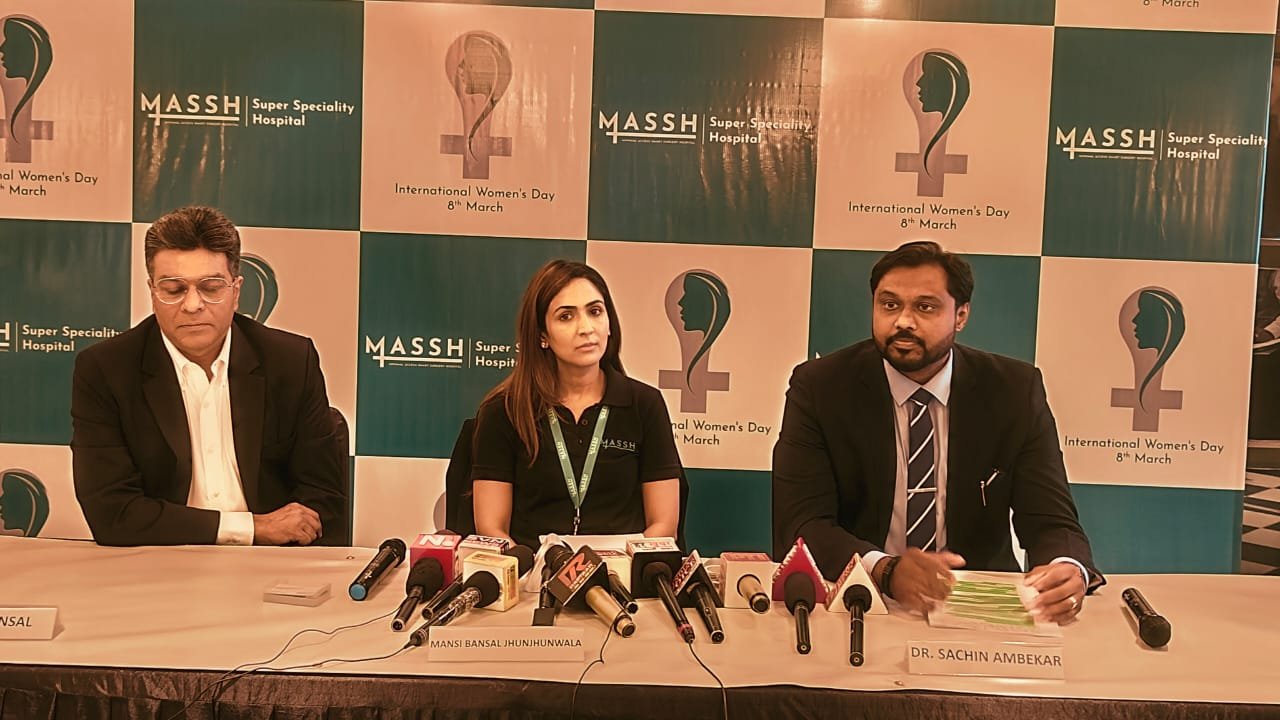
In response to the escalating cancer burden, Minimal Access Smart Surgery Hospital (MASSH), a prominent Super Speciality Hospital in New Delhi, has announced the launch of its Department of Oncology on the occasion of International Women’s Day. This expansion boasts MASSH’s commitment to providing comprehensive healthcare solutions to its patients in multiple departments.

MASSH offers a multidimensional approach to cancer treatment, encompassing medicine, chemotherapy, advanced surgeries, and preventive medicine. Led by experienced oncologists, the hospital’s dedicated oncology department brings forward comprehensive care for cancer patients, including follow-up monitoring for recurrence.

The hospital incorporates state-of-the-art imaging and pathology laboratory, and a multidisciplinary tumor board comprising medical oncologists, surgeons, radiologists, pathologists, and other specialists. This collaborative approach ensures thorough case reviews, personalized treatment plans, and holistic care for cancer patients.

“Early detection and screening of cancer is crucial, as many cancers have a high chance of cure if diagnosed and treated promptly, for instance, ovarian, breast and cervical cancers. The risk factors include advancing age, family history of cancers, obesity, smoking and alcohol consumption. In breast cancers there is high incidence due to inherited gene mutations (BRCA1 and BRCA2). Cervical cancer primarily stems from infection with high-risk strains of the human papillomavirus (HPV) transmitted through sexual intercourse.”, said Dr. Sachin Ambekar, Director – Minimal Access Surgery & Medical Director at MASSH Hospital.

“MASSH prioritizes patient well-being by providing access to psychological support, nutritional counseling, pain management services, and palliative care for those experiencing physical or emotional distress during their cancer journey. The hospital will also facilitate participation in clinical trials, offering eligible patients access to cutting-edge treatments and contributing to cancer research advancements.”, said Hanish Bansal, Chairman & Executive Director.

Moreover, MASSH empowers patients through educational resources, support groups, and survivorship programs, equipping them with valuable information and self-care strategies to manage potential side effects or complications.

“To ensure seamless communication and coordination among healthcare providers, MASSH has implemented an integrated electronic health record (EHR) system. This system facilitates timely follow-up appointments, treatment monitoring, and outcome assessments, enhancing the overall quality of care delivered to cancer patients.”, said Mrs. Mansi Bansal Jhunjhunwala – Founder & CEO at MASSH Hospital.

The escalating burden of cancer among Indian women necessitates a comprehensive and affordable healthcare approach encompassing prevention, early detection, precise treatment, and holistic care.

With the launch of its Oncology Department, MASSH Hospital emerges as a beacon of hope, offering advanced medical expertise, multidisciplinary care, and unwavering support to cancer patients on their journey towards healing and recovery.

Breast cancer

Prognostic tests can help avoid chemotherapy in 60% of early breast cancer cases; but over 50% patients diagnosed in late stages

Early disease detection and use of new-age prognostic tests to personalise treatment plans can help improve breast cancer survival rates to up to 90%. Unfortunately, unlike in the US where over 70% patients are diagnosed in early stages, in India over 50% of patients are still diagnosed in advanced disease stages, resulting in a large burden of preventable deaths.

As we observe Breast Cancer Awareness Month, Oncologists are underlining the need to increase early-stage diagnosis and make prognostic tests which help in identifying patients avoid toxic modalities of treatments, such as CanAssist Breast available to a larger number of patients. Doctors say that as many as 60% of early disease patients can avoid chemotherapy by using such prognostic tests.

Padma Shri award winner – Dr Ramakant Deshpande, Onco Surgeon & Chairman of Asian Cancer Institute expresses concern over rising disease incidence in relatively younger women and identifies increasing prevalence of obesity, consumption of processed foods, stress, lack of physical exercise and delayed pregnancies as contributing factors to the rising disease graph. He says that one in 25 women in India has a lifetime risk of developing breast cancer with women in urban areas facing a higher risk.

“Advanced treatment modalities, ability to personalise treatment and use of new-age prognostic tests today give us the ability to significantly prolong lives and save 80-90% of breast cancer patients. Earlier most patients, even in relatively early stages were administered chemotherapy as an adjunct to surgery with the hope that it will improve survival, as there was no definite way of identifying tumours with lower aggressive potential where such toxic treatment could be avoided.

Now, in early-stage diseases, Up to 60% of patients can be spared chemotherapy and many can avoid total mastectomy by undergoing prognostic tests such as CanAssist Breast in the early disease stage. Unfortunately, over 50% of breast cancers in India are diagnosed in stages 3 and 4, resulting in a large number of preventable deaths and low survival rates,” said Dr Ramakant Deshpande.

Notably, breast cancer survival rates have improved significantly in western countries where preventive screenings and awareness ensure that a majority of cases are identified in the early stage of the disease. In the US, it is estimated that up to 90% of women survive five years of diagnosis and 84% manage to survive 10 years. In India, the survival rates remain much lower.

Patients diagnosed with stage 1 or 2 breast cancers can undergo breast-conserving surgery (BCS) which enables them to save their breasts. The possibility of avoiding aggressive treatment and chemotherapy is another major benefit of early detection.

“Early stage breast cancer patients are recommended the use of prognostic tests such as CanAssist Breast to direct the use of chemotherapy. While chemotherapy is essential in many cases, it also has its side effects including psychological effects, possible hair loss, cosmetic changes- though temporary and reversible and a small possibility of bone marrow changes.

Prognostic tests help identify the group of breast cancer patients which has a high risk of metastatic disease or relapse and we can actually target only that population for chemotherapy, sparing practically 60-70% of patients from unnecessary chemotherapy. It not only improves the quality of life and survival but also reduces the cost of treatment for many,” added Dr Deshpande.

With COVID 19 further delaying disease presentation in a large number of women and interrupting treatment in others, Dr Deshpande is concerned that the pandemic may result in a higher breast cancer deaths over the next few years.

“The COVID 19 pandemic has further hampered timely hospital approach of patients, disease detection and treatment. Over the past six months, delayed diagnosis and thereby change in stage at the first presentation itself has emerged as a major concern and since patients are presenting together now after a gap of nearly six months, disease presentation incidence at hospitals has almost doubled because of delays due to COVID..

For patients living in rural areas, it has been particularly difficult to be able to reach an Oncologist on time. It is important to educate women to not delay reporting their symptoms because of the fear of pandemic because even a month’s delay in starting treatment can make the difference of life and death when it comes to breast cancer. There is no bar in undertaking diagnostic or therapeutic procedures including surgery, chemotherapy or radiotherapy even during Covid times with certain precautions. ,” added Dr Deshpande.

Increased awareness, regular screening after 40 years of age, early detection, adoption of healthy and active lifestyles can help control the incidence of disease and help with early presentation and higher cures.

“Obesity, consumption of unhealthy processed foods, delayed age of childbirth, lack of physical activity and high stress contributes towards the increase in breast cancer incidence. Obesity per se is responsible for increasing the incidence by almost 70%. Healthy living, good sleep, exercise, healthy diet and weight control can reduce risk of disease,” he added.

Breast Cancer 1

A Virtual Event to create awareness on Breast Cancer

Observing the breast cancer awareness month, Youngistaan Foundation’s, Women of Courage -Gender program has organised a virtual event called ‘Hope| Fight| Cure’ on 1st November 2020, to create awareness on the importance of early detection, and prevention in order to reduce the fatality rate of women due to Breast Cancer.

The event had a significant talk by Dr Pragnya Chigurupati, an oncologist surgeon from American Oncology Institute; a testimony by a Breast Cancer Survivor, and alive music performance Rinky Sharma, followed by questions and answers.

During the insightful session, Dr Pragnya has shed light on severe breast issues that occur in women, the importance of early detection can avoid the removal of the complete breast and possible strategies to prevent cancer. She talked about the survival rates across the globe are increasing but in India, it is decreasing due to lack of awareness on early detection. She also quoted that people at age 40 are at high risk of breast cancers.

Apart from getting a mammography test and clinical breast examination, one has to self-examination themselves from a much younger age. She said, “In order to prevent, one has to exercise for 3 hours a day, alter their lifestyle by quitting smoking, alcohol, eating healthy and managing stress to modify the risk factors”. Apart from this, She spoke on most common myths and misconceptions and cleared during the Q&A session.

Speaking on the severity of breast cancer and its symptoms, Mrs Neeti Sharma, a breast cancer survivor said, “I was 31, relatively at a younger age when I was diagnosed with Breast Cancer. Neither any of my family members had breast cancer nor did I have High-Risk factors. But still, I was diagnosed. I was so naive and helpless for the first 2 months but later, I was able to fight it due to early detection.  Just believe in yourself and have strong faith that you would come out and fight as a winner.

Last of all, the founder of Youngistaan Foundation, Mr Arun Daniel Yellamaty said, “I  insist people, especially those above 25 years of age to be vigilant about their health and consult a doctor in case of any confusion. More number of people should voice out concerns on issues like these that have been ignored for decades”. Later, he expressed special thanks to the guests and partners of the event.

Soon after, a prominent name in the music fraternity, Mrs Rinky Sharma had intact the attention of all the participants while she was singing a few songs from her own album. The participants joined from different backgrounds such as Government Sakhicentres, youngsters from various colleges, women from corporate organizations, homemakers and many others. The event was conducted along with Cyberabad Security Council and Rachakonda Security Council.

You can watch the live recording of the event on the Facebook page of Youngistaan Foundation.

Usha, Pragya, Uma and Priya

Men too can get breast cancer :Dr Pragnya Chigurupati

Dr Pragnya Chigurupati, one of the very few qualified female Breast Oncology and Oncoplastic Surgeons in Hyderabad

Breast Cancer is curable, provided if it is diagnosed well in advance. The best way is to early diagnosis by way of regular self-examination from the age of 40 years at regular intervals. Clinical Examination and Mammogram are other diagnosis methods available.

Take annual check-ups more seriously, says Dr Pragnya Chigurupati, one of the very few qualified female Breast Oncology and Oncoplastic Surgeons in Hyderabad and is currently associated with American Oncology Institute.

She was addressing a virtual meet ‘Check the Change’, all one needs to know about Breast Cancer to about 50 plus FICCI FLO members on Tuesday evening

After lighting the lamp to mark the inauguration of the conversation, delivering her welcome address Usha Rani Manne, Chairperson of FLO said one disease that is the cause of concern for millions in the world in this pandemic is big C, the Cancer.

This disease knows no boundaries, borders. It’s agnostic to race, age, and it certainly does not care for socio-economic status. It is estimated that one in every 28 women will be diagnosed with breast cancer during her lifetime.

The survival rate in India is about 60%, a lot lesser than some other countries such as USA, and this is not merely because of a lack of accessibility to medical infrastructure but because of a lack of awareness in the first place she said

Delivering her talk, organised as part of the Breast Cancer Awareness Month, Dr Pragnya dispelled many common myths such as finding a lump in the breast means you have breast cancer. That is not true, not all lumps women develop are cancerous, she explained

Another myth, Men do not get breast cancer. It is not true, they too are subjected to it. But, such cases are very small, she said

Another common myth people worried about is: Having a family history of breast cancer means you will get breast cancer. There is no truth in it fully. The truth is while women who have a family history of breast cancer are in a higher risk group, but, most women who have breast cancer have no family history. Only 5 to 10% Breast Cancer is hereditary.

Generally, people have a wrong notion that Breast Cancer is a communicable disease, but, in reality, it is not she said. You can not catch Breast Cancer or transmit it to someone else’s body. It is the result of uncontrolled cell growth in your own body, Dr Pragnya explained.

Another wrong perception people have: breast cancer means the removal of the whole breast(Mastectomy). But that is not right. For early breast cancer, there is no need for removal of the whole breast. It has proved in several trials that breast conservation surgery is equally safe and effective as mastectomy and the cosmetic results are excellent

The incidence of Breast Cancer while here in our country is 1 in 28, but the same in the USA is just 8, in rural 64 and urban in 22. The survival rate in our country is 60% but in the USA it is well over 90%. We can achieve better results through awareness she said.

The message was loud and clear: Early detection saves lives.

Let’s work together to make stories of survivors, the story for every woman diagnosed with breast cancer said Usha.

FLO members are going to wear Pink next 3 days, will take a photo or video post thoughts on Breast Cancer Awareness, on their individual social media handles

Priya Gazdar, Honorary Secretary in her opening remarks to set the tone for the conversation said whether it’s a personal diagnosis or that of a loved one, finding answers to your questions and a supportive community of people who understand the experience can make all the difference.

From today’s talk, we hope to spark that realisation and conversation, not only for ourselves but for all those who love us.

The talk ended with members asking questions and answering their questions

Dr.Vedant

Detecting Breast Cancer Early, Expert recommends regular check-up & Annual Mammography

Mumbai, October 1, 2020

Based on current trends, breast cancers are rising alarmingly in the country and among women contribute nearly 15 per cent of all cancers. During the month of Breast Awareness (October), a highly experienced oncologist urged Indian women to be “Breast Aware” from an early age and participate in regular breast cancer screening. According to the expert, awareness and screening can help in detecting a large number of breast cancers at an early stage. Breast cancer is currently the most common cancer among Indian women, both in terms of incidence as well as mortality.

Talking to reporters through E-Press Conference, Dr Vedant Kabra, HOD Surgical Oncology, HCMCT Manipal Hospitals said, “Certain approaches can help in early detection. First of all, we recommend Breast self-examination every month around five days after the periods are over starting from the age of 20. For postmenopausal women, it can be done on a certain day/date of every month. Annual breast examination by a trained doctor after the age of 20 is also recommended. Finally, regular mammogram after the age of 40-45 is also recommended for early detection of Breast Cancers and timely treatment.”

According to the ICMR’s latest National Cancer Registry Programme Report 2020, India is expected to record an estimated 12% rise in cancer cases by 2025. As per estimates, there will be about 13.9 lakhs cancer cases in 2020 which is likely to increase to 15.7 lakhs by 2025, based on current trends. Among women, breast cancers are estimated to contribute 2.0 lakhs (14.8%).

According to Dr Kabra, cancer that develops in breast glands or ducts is called breast cancer. Typically, this particular type of cancer forms in either the lobules or the ducts of the breast. A lump in the breast, bloody or straw-coloured nipple discharge, recent nipple inversion, ulceration or destruction of the nipple, dimpling of skin and thickening of skin to give an appearance of orange peel are some of the symptoms of breast cancer. Confirmation of the diagnosis of breast cancer usually requires a needle biopsy, which can be performed at the OPD in 10-15 minutes after the mammogram is done.

Sometimes MRI and ultrasound may also be needed. Patients with larger lumps, those having enlarged glands in armpit or symptoms suggestive of distant organ involvement (bone pain, breathlessness, headache, enlarged liver etc.) need additional tests like PET-CT scan to rule out the spread of disease to other organs,” he added.

“We, at Manipal Hospitals which has best-in-class treatment and care for breast cancer patients, are witnessing that a significant proportion of patients come to us at advanced stages. Early Cancer or Stage I & II is usually treated by surgery first. Locally advanced which is stage III requires chemotherapy first followed by surgery and radiation. Hormone and other targeted therapy are needed in the select group of patients who have certain markers present on their tumours. Stage IV (Distant organ spread) is treated either with chemotherapy or hormone therapy or both. Symptom directed therapies like surgery for an ulcerated mass in the breast, radiation for pain relief / bony disease, pain medicines, fluid removal etc. are required in some patients with stage IV disease,” Dr Kabra elaborated.

“With surgical advances and emergence of oncoplastic breast surgery, we are able to offer breast conservation to most of our patients with the good cosmetic outcome that boosts the confidence and has a positive impact on the psychological state of the patient. Even if breast needs to be removed, it can be reconstructed using the patient’s own tissues with or without synthetic implants.” Dr Kabra added. After complete removal of lymph nodes from armpit, the arm swelling (lymphedema) may develop in 20-30 per cent of patients. Newer techniques like Sentinel lymph node biopsy and Lymphovenous anastomosis help in reducing the lymphedema rates to less than 5 per cent.

According to him, Chemotherapy usually consists of 6-8 cycles administered in daycare at an interval of 15-21 days. Hormone therapy, in form of tablets, continues for five years or more. A type of targeted therapy may be needed and is typically given for a year. Chemotherapy may have side effects like hair loss, nausea, vomiting, weakness and most of these can be well taken care of by modern medicines.

With advanced imaging technology and radiation therapy in breast cancers results in an improvement in dose homogeneity, conformity and a decrease in radiation dose to organs at risk compared with older techniques.

Regular follow-up checks are needed to monitor for side-effects of treatment and detect the recurrence of disease if any. Initial follow up visits are more frequent and the interval between the checks increases as the time passes by with only annual checks required after 5 years of treatment completion.

Creating awareness about the disease is the key to leveraging the benefits of breakthroughs. Millions across the nation lose the battle of life against the dreadful disease cancer. People need to be made aware of the breakthroughs in early detection and treatment of cancer.