Tag: Anil Pharande

Pharande Spaces Announces Festive Launch of Iconic Integrated Township Puneville Phase 3

Pune– Continuing the success saga of one of India’s most iconic celebrated integrated townships, Pharande Spaces today announced that Phase 3 of Puneville is now open for booking. Phase 3 will incorporate eight towers offering 2, 2.5 and 3 BHK configurations.

The festive season launch comes with extremely attractive offers including an Early Bird Special Rate, Spot Booking offer, Ather 450X Electric Bike, 25:25:25:25 financial scheme, and 10:70:10:10 scheme via HDFC. Customers also have a tempting spread of other freebies to choose from, including Apple iPhones, IKEA vouchers, gold coins, modular kitchens, Reliance Digital vouchers and travel vouchers.

Located in West Pune’s thriving real estate hotspot Punawale, Puneville set a new benchmark of integrated residential luxury when it was launched in August 2014 and Phases 1 and 2 are 95% sold out. This is an unprecedented sales record for an integrated township, but came as no surprise – Puneville is a unique luxury township in all respects.

Designed by Aedas, the globally acclaimed, award-winning architects of ultra-luxury hotels in Las Vegas and Macau, Shanghai’s dazzling Financial Centre and Singapore’s Marina Bay Sands, Puneville sweeping futuristic lines and matchless luxury quotient quickly captured the imagination of aspirational homebuyers across the country.

“Puneville is quite literally a masterpiece of ultra-modern urban living, designed on the lines of Futuristic Architecture,” says Anil Pharande, Chairman – Pharande Spaces. “We have spared no effort or expense to make it India’s most luxurious integrated township. The speed with which the first two phases sold out is a strong testimony that we succeeded. Phase 3 offers all of Puneville’s trademark futuristic features and more.”

Integrated townships, with advanced security and safety features, autonomous facilities and amenities and modern conveniences, have become the most sought-after residential option in post-Covid-19 times. Puneville is a fully independent ecosystem that ensures safe, healthy living with abundant green open spaces and state-of-the-art health and sports facilities.

Puneville features a state-of-the-art hospital, a top-grade international school and commercial office complexes for corporate occupiers. It also has verdant landscaped gardens and green open spaces, a gym and tennis court, an Olympic-size lagoon-shaped swimming pool, a jogging track, a dedicated children’s play area, and an ultra-modern, fully equipped clubhouse.

“Life at Puneville is perfection by design,” says Akash Pharande, Managing Director – Pharande Spaces. “No matter what happens elsewhere in Pune, this integrated township has everything you need to lead a comfortable, secure, tech-enabled lifestyle amidst abundant greenery. All our units have the latest smart home features, and the entire township is built and operated on the strictest principles of sustainable living. We are delighted to announce the third phase of this spectacular township – along with some exclusive festive season offers.”

Puneville launched the success story of Punwale, which quickly became one of Pune’s most popular locations with the arrival of this avant-garde integrated township. Punawale’s strategic location off the Pune-Mumbai Expressway was an instant hit with employees from the Hinjawadi IT Tech Park and the MIDC manufacturing belt. It is also a short drive away from Baner, Balewadi, Wakad, Ravet, etc.

Relatively affordable currently, Punawale will see rapid price appreciation going forward. The development of the Pune Ring Road will push up housing and office space demand in Punawale as it will connect key areas like Ravet, Hinjewadi, Punawale and Wakad. The ongoing Shivajinagar-Maan metro project from Hinjewadi to Shivajinagar will further improve overall connectivity and push up property prices in the future.

About Pharande Spaces:

Pharande Spaces is a leading real estate construction and development firm famous for its township properties in Pune. Pharande Promoters & Builders, the flagship company of Pharande Spaces and an ISO 9001-2000 certified company, is a pioneer of integrated townships in West Pune. Its Chairman Anil Pharande is also President – CREDAI (Pune Metro)
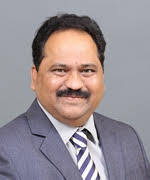
Green Homes – New Relevance Amid Environment Alarm Bells

–  Anil Pharande, Chairman – Pharande Spaces

According to a very recent UN Intergovernmental Panel on Climate Change report, global warmingAnil-Pharande-Chairman-Pharande-Spaces will increase the planet’s temperatures by as much as 1.5 degrees Celsius in the next 20 years. Indian coastal cities like Mumbai, Chennai, and Kolkata have been put ‘on notice’, but all our cities will be affected to some or the other extent. The global warming issue is no longer futuristic – it will affect us in our lifetime.

Global warming has several reasons, but they all come down to one major factor – the unsustainable way we build and run our cities, live our lives and exploit the planet without giving enough back.

With the alarm bells ringing loudly, going ‘green’ is no longer just a buzzword among scientists and politicians. We must all take sustainability very seriously; it has become vitally important for each one of us to live the most eco-friendly life possible.

Real estate developers shoulder a major responsibility. An increasing number of homebuyers are willing to buy ‘green’ homes, but somebody has to build them. In fact, in the future, developers must only build genuinely green and sustainable habitats – for us today and for the coming generations.

The Scenario in India

In India, the rate at which we are depleting our natural resources is alarming. Most of the buildings being developed here even today are extremely wasteful and environmentally damaging. Globally, regular (read unsustainable) real estate consumes almost 40% of a country’s available energy, 30% of its existing natural resources, 20% of its available groundwater, and accounts for 20% of the land use.

Besides using precious water and energy, urban real estate across the world generates 40% of a city’s carbon emissions, releases 30% of its solid waste, and adds 20% of its overall water effluents into rivers and seas.

In India, around 70% of the buildings to be completed by 2030 are still only on paper. In the UK, more than 80% of the buildings to be built by 2050 are already completed. With almost 70% of India’s building stock still to come up, we are using up natural resources much faster than the developed countries.

We are staring at tremendous environmental damage if things don’t change. Indian real estate developers and policymakers must wake up now. The need of the hour is to stop creating environmentally destructive real estate and build more green buildings instead.

No doubt, India’s green footprint is slowly rising. From just 20,000 sq. ft. of green built-up area in 2003, today there are more than 6,781 green buildings projects (covering over 7.86 billion sq. ft. area) registered with the Indian Green Building Council (IGBC). Of these total green building projects, 33% are already certified and fully functional.

But is it enough? Not at all. These green buildings represent only 5-7% of the total building stock in the country.

Reaping ‘Green’ Benefits

Green buildings have both tangible or intangible benefits. Reduction of water and energy consumption is a tangible benefit – green buildings use anywhere between 20-30% less energy and 30-50% less water.

Some of the intangible benefits are improved air quality, proper ventilation, healthy use of daylight and natural ventilation instead of electrical lighting and cooling, and improved occupants’ overall health.

And, equally if not more importantly, they slow down the process of environmental degradation – buying us a few more precious years to stop and reverse the damage we are causing with our real estate, our lifestyles, and our industrial policies.

So, if there are so many benefits to green buildings, why are we not building more of them?

A Wakeup Call

One reason is the all-around lack of awareness. Indians need to educate themselves about the benefits of living in green homes, and developers need more incentives to build such homes. Such incentives can include (but are not limited to) an easier approval process, making land for green buildings available at lower rates, and providing GST benefits on raw materials used in green buildings.

Homebuyers must also become more aware of the benefits of sustainable living. There is a general perception that the cost of constructing a green building is exorbitant, which means that the cost of homes in such a building is also very high. This is a completely wrong perception.

The cost is just 10-20% higher than for normal homes, depending on the types of materials used and the extent of sustainable features included in the project. This extra cost is easily compensated for in the mid to long run by lower water and electricity bills, lower property taxes (if provided by the local authorities) – and reduced healthcare bills.

The benefits are much higher in integrated townships, where the entire ecosystem is built on and around sustainability principles. Because of the economies of scale, such townships deliver much more green benefits to their residents than smaller projects do.

What’s the Government Doing?

The problem is obviously a national one that involves industrial policies and overall economic decisions. However, land and land use is a state subject – in other words, each state is individually responsible for its environmental impact.

At the local level, some state governments have been pushing certain mandatory rules concerning sustainability. For example, civic bodies like the Pune Municipal Corporation (PMC) and the Pimpri Chinchwad Municipal Corporation (PCMC) have since long made rainwater harvesting provisions and facilities compulsory for standalone buildings and housing societies.

The newer integrated townships have all the required sustainability features, as a matter of course. In all other cases, all new buildings with more or equal to 150 flats need a sewage treatment plant in the project. But more often than not, the installation and operation of green features are not taken seriously.

Even if solar panels, rainwater harvesting, water/sewage treatment, and natural composting have been set up, many housing societies do not maintain them properly.

Tackling India’s Larger Environmental Challenge

Addressing the sustainability imperative does not end with green buildings. The major task of local governing bodies is to make cities and human settlements more inclusive, resilient, safe, and sustainable in the long run. Already, development authorities like the PMRDA are working to take a greener path by implementing environment-friendly green technologies for infrastructure development. Green infrastructure reaps not only economic benefits but also ecological ones.

In some better-planned Indian cities, transit-oriented development is now the new norm for future urban centers. Thanks to reforms in land-use regulations, developers are given more freedom to construct mixed-use and higher-density developments.

While the government has laid down several rules for maintaining ecological balance, it is also the prerogative of local authorities to check if they are being implemented at the ground level. They need to efficiently weigh the economic impact of a particular project vs. its ecological impact.

India’s future cities must be built as per geographical requirements, achieve optimal residential density, integrate transportation and land-use, ensure motor vehicle-free areas, depend more on locally-owned and operated stores, and have walkable neighbourhoods within their urban planning designs.

In simple terms, urban planners must expand on the model of integrated townships and start creating integrated cities. But even before that happens, we can make a difference with how we choose to live.

When more citizens prefer green homes in sustainable projects, the market will respond to the increased demand with more supply. Each one of us can begin to make a positive difference to the environment – today.

How Pune Will Gain from Model Tenancy Act

 By Anil Pharande, Chairman – Pharande Spaces

The much-needed Model Tenancy Act has finally got the Cabinet’s nod and thereby brings on a new era of regulation for rental housing. Until now, India’s housing policies have mostly been about home ownership and little attention was given to helping rental housing. But with India’s acute housing shortage, we need a sound rental policy to reduce this gap.

Though there is a big housing shortage in India, the vacancy level of homes has been going up. As per the last National Census, vacant houses comprised around 12% of the total urban housing stock.

In 2011, the year of this census, there were nearly 11.1 million homes and this has increased by 71% since the previous census in 2001. What data will the 2021 census show? We can only imagine.

The approval of the Model Tenancy Act will give a major facelift and structural boost to India’s rental housing market. The new rental laws have been simplified for accommodating the ‘fluid’ population migrating into our cities. The Central Act will be circulated to all states/union territories and they will need to adapt to it with fresh laws, or by changing their current rental laws.

The Maharashtra government recently confirmed that it will adopt policies which benefit the citizens at large. It remains to be seen how a city like Mumbai, which has a lot of informal rental housing, deals with it.

But some of the main features of the Central Act which can benefit both landlords and tenants are:

– The Act gives faster dispute resolution by creating a rent authority, a rent court, and a rent tribunal for the benefit of both landlords and tenants.
– In a big relief for tenants, the security deposit amount cannot exceed two months’ rent. Many students and young professionals that come to Pune for better opportunities will benefit greatly from this since they will no longer need to block large amounts of money with landlords here.
– The landlord or property manager cannot refuse to provide essential supply or service to the tenant in the rented premises.
– The landlord can claim compensation of twice the monthly rent and after that four times the monthly rent if a tenant does not hand over the property when the tenure is over or by order or notice.
– The tenant cannot sublet the property either in part or whole or make any structural modifications without a supplementary agreement with the landlord.

Rental Housing in Pune & PCMC Will Benefit

As per the Economic Survey 2018, Pune city alone has more than 2 lakh unoccupied homes which can easily accommodate around 8-10 lakh people. Jointly with Ahmedabad, Pune held the fourth spot in terms of vacant houses across the country – behind Mumbai, Bengaluru and Delhi.

The rising vacancies are, among other factors, caused by unclear property rights, difficulties in enforcing rental contracts, and low rental yields.

The survey also showed that at least 40-50% of the population in Pune’s urban areas stay on rent. This clearly shows that there is a huge demand for rental housing. If even a part of the unoccupied homes are released, it will not just solve the city’s housing shortage but also bring in private sector participation in rental housing.

High Rental Demand Areas

When implemented in Maharashtra, the Tenancy Act can make things much easier for tenants, landlords and property investors to deal in rental housing. There are several prominent areas in Pune and PCMC that have been seeing huge rental demand over the years.

Especially in PCMC, constant improvement of infrastructure in many areas have brought even more demand for rental homes. More affordable rental options will result in even greater demand. Areas like Wakad, Ravet, Punawale and Urse are in huge demand from people working in PCMC’s manufacturing and IT companies.

– Wakad: It has average monthly rentals of about Rs. 20,000 per month for a standard 2 BHK flat and is a very affordable option for people employed in the IT hub of Hinjewadi.

– Ravet: Monthly rent for a regular 2 BHK flat is about Rs. 17,000 in Wakad, which is very close to Pimpri-Chinchwad’s industrial belt and major IT areas. It also has many other types of commercial spaces which employ a lot of people.

– Punawale: It is very close  to Hinjewadi and PCMC’s industrial belts Chakan and Talegaon and so has a lot of rental demand. Average monthly rentals in this area which has integrated township options and a lot of scenic beauty is about Rs. 19,500 for a 2 BHK flat.

– Urse: It is close to major IT hubs, has very good road connectivity and is surrounded by industrial belts of Maval, Chakan, PCMC, and IT parks of Tathawade and Hinjewadi. Urse also has a brand-new luxury integrated township with much higher rentals, but a 2 BHK in a budget housing project has a monthly rent of around Rs. 10,000.

Anil-Pharande-Chairman-Pharande-Spaces
Anil Pharande, Chairman – Pharande Spaces

About the author:

Anil Pharande is CMD of Pharande Spaces, a leading real estate construction and development firm famous for its township properties in West Pune. Pharande Promoters & Builders, the flagship company of Pharande Spaces and an ISO 9001-2000 certified company, is a pioneer of townships in West Pune. Anil Pharande is also President – CREDAI (Pune Metro) and a MahaRERA conciliation forum member

Construction Workers – Reverse Migration 2021 Vs 2020

By Anil Pharande, Chairman – Pharande Spaces

The second wave of COVID-19 is devastating – but this time, it has not caught the real estate sector completely unprepared. Developers learned many lessons from Lockdown 1.0.

No doubt, in the highly affected states in Maharashtra, the second lockdown has again caused an outward migration of construction labourers. The worst COVID-19-hit cities are Mumbai and Pune, where the bulk of real estate construction is underway. Nevertheless, the situation is not as grim as it was during the first lockdown.

In the Pune Municipal Region and Pimpri-Chinchwad Municipal Corporation, a large number of the migrant workers returning to their hometowns are from the hospitality and other services sectors. This is not surprising because hospitality has been hit very hard and its workers face an uncertain future.

It is impossible to predict when hotels, restaurants and resorts will be able to recover. With no revenues being generated, owners cannot afford to pay idle workers. Real estate, on the other hand, continues to sell. Recent reports by leading real estate consultancies confirm that in cities like Mumbai and Pune, no less than 65-70% of the pre-COVID-19 demand for housing has returned.

Since developers continue to generate revenues, they can also take many measures to assist their construction workers. Before the pandemic, over 43 million unskilled labourers were working in construction or building activity in India. Of this, more than 75% were migrant labourers from small towns and villages.

During the first lockdown, the fear of getting infected coupled with lack of work and affordable accommodation caused construction workers to abandon their sites and return home by any means available to them.

It was tragic and disheartening to witness. According to the Construction Workers Federation of India, over 70% of India’s migrant population went back to their hometowns in 2020. The real estate sector was caught unawares – developers lacked any prior knowledge and expertise to handle the situation.

By the time they began to improvise and re-strategize, most migrant workers had already left the cities. Thus, the impact of the pandemic on real estate construction was massive during the first wave.

Lockdown 2.0 – Lessons Learned and Implemented

During the current second wave, even as active cases have exceeded all calculations, the situation at construction sites is not as gloomy as it was in 2020. In the first place, there is no stringent lockdown across the country as was seen last year, when all construction work came to a total halt after the intense 21-day lockdown was announced.

At that time, millions of workers were left without work or wages. This time, in Maharashtra, construction using local labourers is allowed with provisos. Meanwhile, CREDAI (Confederation of Real Estate Developers Association of India) has assured construction workers not only of accommodation but also groceries, medical assistance and enhanced hygiene and safety.

Regular COVID-19 testing is being done at sites and even medical isolation facilities are available at many of them. Workers there have the assurance of immediate medical attention and daily site sanitation. CREDAI has also announced that it would provide free vaccination to over 2.5 crore construction workers at the sites.

With over 13,000 developer members across 217 cities and towns, CREDAI had also petitioned the government to make all construction labourers over 21 years eligible for vaccination. In the most recent announcement, the government has cleared vaccinations for all aged 18 and above.

This effectively covers the entire construction sector and will be a massive relief to developers and construction workers alike.

These Days Will Also Pass

Currently, about 12-15% of the construction workers have left the sites to return home for the duration of the current lockdown. This is certainly lower than it was in 2020, and we do not expect the number to increase since the government’s support and preparedness of developers have had a positive impact.

Also, going by their own past experiences, many construction workers have realized that they are much better off in the cities than in their hometowns, where there are currently almost no employment opportunities.

In short, while it has slowed down during Lockdown 2.0 and the alarming rise of COVID-19 cases, construction continues in cities like Mumbai and Pune. Equally importantly, this construction activity is driven by actual demand since the pandemic has brought about a new awareness about the importance of housing.

Construction continues to be one of the largest employers of unskilled labour in the country. The desire to own homes has never been higher than during these pandemic times. Two positives can never result in a negative, so we expect things to normalize quickly once the current curbs are lifted.

Anil-Pharande-Chairman-Pharande-Spaces
Anil Pharande, Chairman – Pharande Spaces

About the author:

Anil Pharande is CMD of Pharande Spaces, a leading real estate construction and development firm famous for its township properties in West Pune. Pharande Promoters & Builders, the flagship company of Pharande Spaces and an ISO 9001-2000 certified company, is a pioneer of townships in West Pune. Anil Pharande is also President – CREDAI (Pune Metro) and a MahaRERA conciliation forum member

PMRDA – Ensuing Planned, Sustainable Growth In and Around Pune

By Anil Pharande, Chairman – Pharande Spaces

Cities all over the world are rapidly changing and expanding, and proper urban planning is now more important than ever before. The Singapore ‘urban model’ is a classic example of highly targeted urban planning which has transformed Singapore’s entire landscape and has made it one of the best-developed and economically sound cities in the world.

There are many important lessons we can learn from Singapore, particularly its commitment to proper land use, transport and infrastructure development. These are the foundation stones on which sustainable, efficient cities are built. Much of Singapore’s success is because it has created specialised national agencies including the Housing and Development Board (HDB).

Since the 1960s, HDB’s approach to public housing has resulted in almost 80% of the country’s population now living in public housing – with over 90% citizens owning their homes.

Singapore’s development agencies have not merely focused on creating housing – they are creating high-quality living environments for its citizens. Other than physical layout and architecture of housing blocks, they have sought to provide facilities such as schools, shops, medical facilities, parks, places of worship, and offices within easy access.

They also focused on public transport and road networks. This approach has transformed Singapore in the last 60 years, and older projects and areas are constantly being revitalized to meet the growing needs of Singaporeans.

PMRDA Aids Planned Growth

In India too, we have noteworthy authorities that are focused on integrated planning to ensure sustainable development. The Pune Metropolitan Region Development Authority (PMRDA), formed in 2015, is one such authority that is tasked with the well-planned urban development of Pune Metropolitan Region (PMR) including Pune, Pimpri-Chinchwad and its surrounding areas.

The chaotic and haphazard growth of Pune city over the last two decades calls for a planned and systematic, infrastructure-based development approach for Pune, PCMC and the surrounding areas. PCMC now has extremely high-grade infrastructure which supports a broad mix of employment opportunities and modern township properties.

The new challenge before PMRDA is to extend this development approach across the Pune Municipal Corporation and thus avoid the haphazard and unserviced urban expansion that characterizes Pune city.

Like Singapore’s HDB, PMRDA was formed to create a better standard of living for citizens and also promote ease of business. Besides ensuring sustainable growth, another key objective of PMRDA is to build and develop PMR as one of the most preferred and attractive investment destinations.

After all, high quality of infrastructure and all essential utilities like public roads, running water, electricity, proper waste, telecommunications etc. help attract investments. Most importantly, PMRDA needs to address the long-pending infrastructure issues in and around Pune and see effective implementation of all proposed or ongoing development projects.

From Metro rail project to Bus Rapid Transit System (BRTS) to Pune Ring Road to township planning schemes, the PMRDA has emerged as one of the most efficient planning authorities in the country. Its contribution to various infrastructure projects is crucial for Pune and its surrounding areas. It controls all development activities following the development plan and Town Planning schemes in PMR.

Notably, PMRDA since its inception six years ago has fast-tracked the development of major infra projects like Pune Ring Road, Shivaji-Hinjewadi Metro project, Pradhan Mantri Awas Yojana and town planning schemes, among others.

The Ahmedabad Model Blueprint

Replicating the Ahmedabad model, PMRDA has already rolled out the plan to develop the first Town Planning (TP) scheme at Mhalunge-Maan. In total, PMRDA plans to develop 46 town planning schemes around the Pune Ring Road with both these projects being developed simultaneously.

In Ahmedabad, the TP scheme is a structured process wherein land-use planning is integrated with service provision in a city’s expanding peripheries. The TPS enables a more equitable allocation of urban land, under which the city can obtain land for purposes like low-income housing, open spaces, roads, underlying utility infrastructure, and social amenities.

This has had transformative outcomes as it provides a tool for better planned and serviced urban development.

If and when all the planned town planning schemes along with the proposed infrastructure projects become a reality, Pune and its surrounding areas will transform into a well-developed and structured region catering to all needs of its residents. It will not only drive economic activity but help attract investors from all over the world.

Anil Pharande, Chairman - Pharande Spaces
Anil Pharande, Chairman – Pharande Spaces

About the author:

Anil Pharande is CMD of Pharande Spaces, a leading real estate construction and development firm famous for its township properties in West Pune. Pharande Promoters & Builders, the flagship company of Pharande Spaces and an ISO 9001-2000 certified company, is a pioneer of townships in West Pune. Anil Pharande is also President – CREDAI (Pune Metro) and a MahaRERA conciliation forum member.


PMRDA – A Blueprint of The City of the Future

By Anil Pharande

Widely called the lifeblood of any urban ecosystem, infrastructure is the very foundation of city functioning and plays a crucial role in shaping its future. Infrastructure like transportation, power, telecommunications, electricity, water, sanitation and proper disposal of waste, are all central to urban growth.

Studies also prove that countries with better infrastructure facilities – such as Singapore or Hong Kong – enjoy higher economic growth, more employment opportunities, and better living standards. Infrastructure projects not only act as a driver for real estate development but also directly influence real estate prices. In fact, infrastructure is one of the prime influencers for property appreciation.

Research by international property consultants Knight Frank Research shows that between 2008 and 2015, residential prices within a 10-minute walking radius of London’s ongoing Crossrail stations (approved in 2007) saw more than 57% price growth. By comparison, the prime central London areas saw only 40% price growth in the same period. The values will go up further in 2022 when the central section of the project becomes operational.

We have seen similar trends in key markets in cities across India. According to a study by JLL India, property prices in some projects on Gurgaon’s Mehrauli-Gurgaon Road increased 80% in the 2006-2010 period – from around INR 5,000/sq. ft. in 2006 (when the Delhi metro was announced) to almost INR 9,000/sq. ft. in 2010 when a phase became operational. In the same period, other areas outside the metro’s ‘influence zone’ saw a 40-50% rise.

PMRDA’s Infrastructure Thrust

Other than impacting property prices, better access to improved infrastructure services creates a favorable investment climate for foreign investors and is thus a vital engine for sustainable economic growth. It is with this vision, and more, that the Urban Development department of Maharashtra established the Pune Metropolitan Region Development Authority (PMRDA) on 31st March 2015.

Besides ensuring sustainable growth, PMRDA has been entrusted to build and develop Pune Metropolitan Region (PMR) as one the most preferred and attractive investment destinations.

The area under PMR includes the twin cities of Pune and Pimpri-Chinchwad and the tehsils of Maval, Mulshi, Haveli and some parts of the talukas of Bhor, Daund, Shirur, Khed, Purandar and Velhe. Overall, PMRDA has a jurisdictional area of 7,256.46 sq. km. with a population of approx. 72.76 lakh, making it the largest urban unit in the state.

From Metro rail to Pune Ring Road to township planning schemes, the PMRDA has emerged as one of the most efficient planning authorities (in less than six years) in charge of various infra projects crucial to the city of Pune and its surrounding areas. The Shivajinagar-Hinjewadi metro project, being developed by PMRDA, will make it much easier for IT professionals who travel to IT parks from various parts of the city.

Likewise, the 128-km long Pune Ring Road will prove to be a major gamechanger in boosting all-round connectivity, benefiting all areas in and around Pune city.

Further, along the lines of Ahmedabad city, PMRDA also planned to develop 46 town planning schemes around the Ring Road. Both these projects are planned to be developed simultaneously. Although delayed due to COVID-19, the first town planning scheme at Mahalunge-Maan is a model project which is set to change the skyline of the locality when ready, making it a modern and upscale region to live in.

Over and above, PMRDA’s objective is to turn PMR into a world-class economic hub by building a sound and sustainable infrastructure that will also help in improving the quality of living for the citizens of Pune and adjoining areas. Ultimately, an ‘infrastructure first’ approach can ensure that a city remains functional in the present and is ready for the future. It will also be on top of the foreign investor’s list.

Anil-Pharande-Chairman-Pharande-SpacesAbout the author:

Anil Pharande is CMD of Pharande Spaces, a leading real estate construction and development firm famous for its township properties in West Pune. Pharande Promoters & Builders, the flagship company of Pharande Spaces and an ISO 9001-2000 certified company, is a pioneer of townships in West Pune. Anil Pharande is also President – CREDAI (Pune Metro) and a MahaRERA conciliation forum member.

The Pros and Cons of Higher and Lower Floors

– By Anil Pharande

With the relentless rise in urban population, there is pressure on the land and vertical growth is the only option available to developers. Most housing projects currently in the pipeline in cities like Mumbai, Pune and Bangalore are high-rises. In fact, with more than 53 skyscrapers (buildings >150 m tall), Mumbai has the maximum number of high-rises in India. It is ranked 22nd on the list along with Miami which also has the same number of skyscrapers.

Following the high-rise culture of its immediate neighbour Mumbai, Pune’s high-rise trend started in city prime areas and gradually moving on to the suburbs, providing aspirational homebuyers a hitherto unavailable option.

According to property consultant JLL, some of the prominent areas in Pune where high-rises either already exist or are coming up include Kharadi, Hadapsar, Kalyani Nagar in East Pune and Hinjewadi as well as areas in and close to Wakad and Pimple Nilakh in West Pune. The eastern corridor has taken the lead in such developments, but the western corridor is also fast catching up.

Does it matter which floor one buys an apartment on?

There is a certain aspirational factor involved in living on higher floors. Developers are aware of this and typically charge a ‘floor-rise premium’ on higher-floor flats. Floor rise premium varies from city to city. It may surprise you to know that it is usually based on the prevailing climatic conditions.

For instance, in Delhi NCR, due to the intense heat in summer, homebuyers usually have to pay a premium for flats on the lower floors. In cities like Mumbai, Pune and Bangalore, the trend is reversed – higher floors cost more. Preferential location charges may range anywhere between Rs 25 to Rs 100 per sq. ft. or more and are added to the total cost of the apartment.

Should you opt for a higher floor?

Despite the better views and reduced road noise and pollution, are higher floors always more desirable? Regardless of whether one is looking to buy or rent an apartment, here are some factors to consider while choosing the floor:

  • Window View: Most homebuyers considering flats in skyscrapers are attracted by the superior views that higher floors provide. For apartments located near the sea, golf green or some other scenic area, the view is definitely a major factor.
  • Privacy: Lower floors generally do not offer much privacy especially if the building is located near a main road or busy area. If the housing complex is in a congested location, a higher floor is likely to be more peaceful. Whether or not people on lower floors have less privacy than those on the higher floors depends on the area and building plan. For example, modern integrated townships are planned in such a manner that every home offers sufficient privacy.
  • Sound and Air Pollution: In the case of high-rises in congested urban areas, lower floors are closer to roads. This can significantly impact both serenity and air quality. If one is considering a lower-floor flat in such an area, it is wise to visit it during high traffic hours to establish if this is a problem.
  • Security and Fire Safety: Most homebuyers feel that the ground and second floors are not as safe as higher floors because they can be accessed more easily by thieves. If one chooses a lower floor, the housing complex must offer exceptionally good security arrangements. Nevertheless, residents on lower floors have a distinct advantage when it comes to emergency fire evacuation or elevator breakdowns. Again, much depends on whether the housing complex offers state-of-the-art safety facilities.
  • Elevators: To ensure safety for all on the higher floors of skyscrapers, the developer will need to provide multiple lifts backed by fail-safe emergency power backup. Homebuyers considering a flat on a higher floor must establish whether the tower has at least two lifts. This is especially significant if there are elders and children in the resident’s family.
  • Light and ventilation: While it is generally true that flats on higher floors tend to enjoy superior natural lighting and air circulation, much also depends on the nature and exact location of the building. For instance, in a modern integrated township, there are usually sufficient open green spaces to ensure that natural light and fresh air reach all floors. However, this is certainly not true with all high-rises, especially if they are in the middle or an urban concrete heat island.
  • Cellular Coverage: In many older high-rises, flats on very high floors may not have decent cellular signal reception. In the case of modern buildings, builders often install boosters and repeaters to ensure uniform coverage on all floors. Again, this is something one needs to check first-hand before making a decision.
  • Power consumption and Maintenance:  In the past, people living on lower floors tended to get a lower electricity bill because these floors require less cooling. Again, much depends on what the climatic conditions in a particular city are. Another important factor is how modern the building is – in the latest ultra-modern towers, developers use new construction designs and technologies which effectively eliminate this concern.
  • Rent Generation Potential: In some cities, rental returns may depend on whether the flat is on a lower or higher floor. This is usually a function of the city’s climate.  For investors, this is an important aspect to consider. Tenants in cities like Pune, Mumbai and Bangalore often prefer flats on higher floors, but the scenario changes in other cities – for example, lower floors are usually the preferred choice for home seekers in Chennai and Delhi-NCR.

So – should you choose a higher or lower floor in a high-rise apartment project? The answer to this question will change according to the city, exact location, nature of the project, and the capabilities of its builder. In modern integrated townships which are located in more spacious open environments, it is usually just a matter of personal preference. However, it is a very pertinent question to ask if the flat being considered is in a congested city centre area.

Anil Pharande, Chairman - Pharande Spaces
Anil Pharande, Chairman – Pharande Spaces


Anil Pharande is CMD of Pharande Spaces, a leading real estate construction and development firm famous for its township properties in West Pune. Pharande Promoters & Builders, the flagship company of Pharande Spaces and an ISO 9001-2000 certified company, is a pioneer of townships in West Pune. Anil Pharande is also Vice President – CREDAI (Pune Metro) and a MahaRERA conciliation forum member.

Celebrating Indian Women as Homeowners

By Anil Pharande

Previously a male prerogative, homeownership in India has undergone a massive cultural and perceptual change. More and more Indian women are now determined to own their homes rather than just live in them. According to BankBazaar’s Moneymood 2021 report, the average home loan size for women had increased to INR 31.20 lakh in 2020 from INR 25.66 lakh back in 2019. This is 20% higher than the men’s average home loan amount size of INR 26.04 lakh in 2020.

These numbers mirror the fact that the contemporary Indian woman is keen to step out from the shadows of patriarchy and become a rightful property owner. A recent survey by ANAROCK Property Consultants also stated that more than 60% of the participating women see residential property as the most important investment.

Even in cases where women are not active owners, they are still decision-makers. Realty portal Squareyards claims that the final decision on home purchase is taken by women for 80% of all purchases. Women no longer rely on men to take real estate calls – they have their own opinions and are making full use of their access to information about the real estate market.

While developers actively target women homebuyers with special offers, the government has also made a marked point of encouraging property ownership among women. Indian women homebuyers enjoy multiple monetary benefits today if homes are registered in their names.

This is not an entirely new way of thinking in India. The importance of empowering women financially is evident in the ancient Hindu practice of ‘streedhan’ (women’s wealth), in which women were gifted assets by the paternal family for their personal financial security. Many other cultures had similar systems to ensure that women were financially enabled under all circumstances.

But real progress can only be seen now. Today, daughters enjoy equal inheritance rights in a Hindu Undivided Family (HUF). The landmark amendment to the Hindu Succession Act in 2005 put India at par with countries like Iceland – which had granted equal inheritance rights to women in 1850 itself.

Another landmark ruling by the Supreme Court in 2020 further emphasized the ‘right to equality’ wherein daughters’ rights flow from their birth and not by any other factor such as the existence of their fathers. While we have made real progress in terms of empowering women in India, there is still a long way to go to ensure complete gender equality in the eyes of the law.

One clear sign that times have changed is the fact that Indian women are now buying their own homes. This in itself has changed the power balance which men previously dominated. A woman who legally owns her home cannot be easily shaken or intimidated. Her rightful place in the land is firmly established with homeownership.

It is because of this that the Government of India has provided various incentives to women who venture out to buy their own homes. However, the most encouraging sign is that more and more Indian women now see homeownership as absolutely essential, regardless of their marital status or family traditions.

Anil Pharande, Chairman - Pharande Spaces
Anil Pharande, Chairman – Pharande Spaces

About the Author:

Anil Pharande is CMD of Pharande Spaces, a leading real estate construction and development firm famous for its township properties in West Pune. Pharande Promoters & Builders, the flagship company of Pharande Spaces and an ISO 9001-2000 certified company, is a pioneer of townships in West Pune. Anil Pharande is also Vice President – CREDAI (Pune Metro) and a MahaRERA conciliation forum member.

Indian Real Estate – No Progress Without Collaboration

Anil Pharande, Chairman - Pharande Spaces
Anil Pharande, Chairman – Pharande Spaces

By Anil Pharande, Chairman – Pharande Spaces

The Indian real estate sector has seen a tremendous transformation over the last decade. In earlier years, it was unorganized and real estate developers used to build whatever they wanted, with no planning, quality control and accountability. We can see the evidence of such unorganized development in our cities even today. Moreover, real estate developers were not able to voice their concerns to the government if policy changes or other measures were required. With no cooperation and collaboration between builders, homebuyers suffered the most as they were offered inferior products in areas which did not have proper infrastructure.

The Beginning of Organization

The first major change in this sad situation came in the year 1999, which saw the formation of the Confederation of Real Estate Developers’ Associations of India (CREDAI). The mission of this formal association of real estate developers was – and remains – to advocate necessary policy changes, implement self-regulation among developers, and ensure that all member builders work in a cooperative and well-planned manner.

This self-governing body of builders from across the country has achieved a lot, especially in recent years. It has brought about a lot of positive changes in the industry which encouraged the government to introduce major policy reforms to further improve the industry’s overall transparency and efficiency. The most important policy change was the Real Estate (Regulation and Development) Act, 2016 (RERA).

This major reform was primarily made possible because of the active support of developers members of this association who had become organized and accountable to the government, each other – and most importantly, to their customers. Implementing RERA would have been impossible in previous years.

After RERA was announced, the Indian real estate industry has made tremendous progress and homebuyer confidence is now stronger than ever before. According to industry estimates, organized real estate demand in India was as high as 1.35 bn sq. ft. by 2020 end – and 85% of this demand was for housing.

Nevertheless, bodies like CREDAI are aware that they must remain constantly vigilant and take corrective steps if they are required. Let us try to understand how self-governance, collaboration and collective decision-making work in favour of the market.

Inexperienced Builders & Oversupply

Between 2010-2015, we began to see signs of bad demand-supply management in the Indian housing market. This largely happened because people who had some money but no experience in housing development began launching residential projects.

These unorganized builders included goldsmiths, diamond merchants and cash-rich NRIs from the Gulf who had never built anything before and had no membership in any real estate industry association. They were simply associated with the motto to make a quick buck. More than one million homes were launched in 7 largest cities between 2013 and 2014 – and 14% of these homes were in Pune. This was obviously far too much housing supply.

If there had been enough demand for this supply, India’s housing shortage would have reduced massively in those two years. Instead, there was a huge overload of homes – and many of these projects remained incomplete because the amateur ‘developers’ lacked expertise and ran out of money. It became clear that there was an urgent need for stricter regulations within the Indian housing sector.

Strong Measures Taken

When the Modi government took charge in 2014, this accredited real estate developers association took the initiative to help the new government correct the flaws in the system. The Modi government introduced RERA and made a ‘surgical strike’ on black money with DeMo in 2016.

Both these moves helped to remove unorganized builders who did not belong to any association and did whatever they wanted – with disastrous effects. CREDAI actively backed this new reform and went a step further. Its developer members collectively decided to begin curtailing housing supply so that the excess supply could decrease and the market could stabilize again.

The results of these combined efforts were impressive. By the end of 2017, for the first time, housing sales were more than new launches – according to property research firms, new housing supply in the top 7 cities had come down to 1.45 lakh units even as over 2.11 lakh homes were sold in the year. Homebuyers were encouraged by the new transparency and now knew that dealing with inexperienced, unscrupulous builders would only end in grief.

The Mission Continues

Today, India still has a lot of problems, including unsold housing supply. However, organized developers now have a plan of action which is emphasised at every meeting and conference of this association. Confidence must be restored, and this can only happen when developers and homebuyers work together as partners. Homebuyers are stakeholders in the Indian housing industry, and it is every organized developer’s responsibility to defend their rights.

At the same time, the government must be made aware of problems within the industry as soon as they emerge. Unlike in previous years, the government now listens attentively to organized builder associations and takes necessary corrective steps. In this manner, both real estate developers and homebuyers can look forward to a better tomorrow where homes are affordable, worth the money that is paid for them, and provide a lifetime of safety and security to Indian families.

A Forum for Technology Adoption

Technology is another major change factor in Indian real estate today. Here too, builder associations create awareness about the latest real estate technologies which all members can use to build better, cheaper and stronger housing projects.

This kind of knowledge exchange would not be possible without the collaborative approach which CREDAI has adopted. In the coming years, we will see the latest construction technologies being used to build better homes in shorter periods, and every developer will have access to them.

Pan-India Presence

It is important to remember that CREDAI is not just active in India’s largest cities, but across smaller cities and towns as well. In the current changes brought about by the coronavirus pandemic, these smaller cities have become very important. The work-from-home culture has resulted in more and more housing demand in these cities.

We must ensure that the progress being seen in the metropolitan cities also penetrates into every part of the country – for the betterment of the whole industry, and to benefit each and every homebuyers in India.

About the author:

Anil Pharande is CMD of Pharande Spaces, a leading real estate construction and development firm famous for its township properties in West Pune. Pharande Promoters & Builders, the flagship company of Pharande Spaces and an ISO 9001-2000 certified company, is a pioneer of townships in West Pune. Anil Pharande is also Vice President – CREDAI (Pune Metro) and a MahaRERA conciliation forum member.