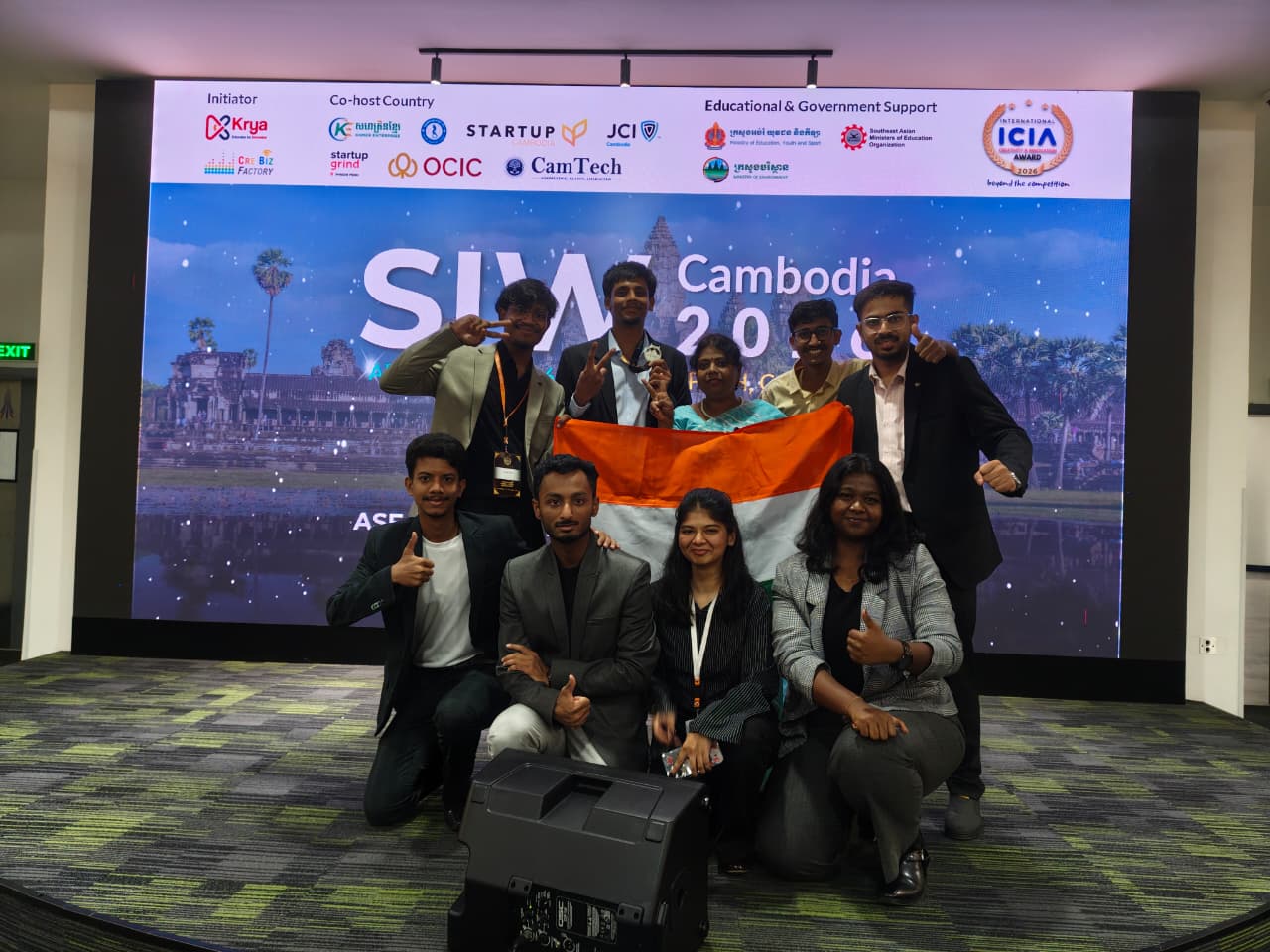
Bengaluru, May 2: Two student startup teams from Faculty of Engineering and Technology, Jain (Deemed-to-be University) (JUFET) brought international recognition to the institution by winning the Silver Award and the Bronze Award at the Startup Innovation Weekend (SIW) 2026, held in the Kingdom of Cambodia from April 24–26, 2026.
The global entrepreneurship event brought together 20+ startups and 30+ projects from 25+ countries, creating a vibrant platform for innovation, mentorship and cross-border collaboration. The JUFET team presented their startup project developed under the mentorship of Dr. Garima Sinha and Dr. Yogesh Kumarn, receiving appreciation from international mentors, industry experts and investors for the strength of their idea, business model and pitch. Over three intensive days, participants engaged in pitch sessions, product demonstrations and networking forums designed to refine startup strategies and explore partnerships, enabling early-stage ventures to gain global exposure, expert feedback and potential investment interest in a competitive environment.
The event was designed to provide startups with an international platform to present innovative ideas, encourage collaboration and knowledge exchange among global teams and connect participants with mentors, experts and potential investors. Through this engagement, startups were able to validate and refine their business models while promoting cross-cultural innovation and entrepreneurial growth.
As a result of the participation, the JUFET teams Sentinel and UniXange gained significant international visibility and recognition, culminating in winning the Silver and Bronze Award among competing global teams. The experience also offered valuable feedback that helped refine their product, pitch and overall strategy, while opening doors to networking connections, future collaborations and discussions around scalability and possible investment opportunities.
Bronze Award Winners – UniXange , JUFET
Koustab Ghosh (USN: 25BTRCV007)
Md Sohail (USN: 25BTREEE028)
Aarush Sagare (USN: 25BTRCV001)
Deeksha Nandhini (USN: 25BTREEE011)
Silver Award Winners – Sentinel, JUFET
Shanthan T (USN: 23BTRCA048)
Pranavi A (USN: 23BTRIS030)
Aditya B N (USN: 23BTRSN011)
Aniruddh V N (USN: 24BTRAO002)
Dr. Deepak K. Sinha, Dy. Director – Industry Interface and Training at Faculty of Engineering and Technology,Jain (Deemed-to-be University), said,
“Seeing our students present, compete and be recognised on a global platform like SIW 2026 is a proud milestone for JUFET. This achievement highlights the strength of our mentorship, the innovation culture we nurture and the confidence our students carry onto the international stage.”
The recognition at SIW 2026 reinforces JUFET’s commitment to nurturing student entrepreneurs and enabling them to take their ideas to the world stage.
Mumbai, May 02: Tata Motors Limited sales in the domestic & international markets for April 2026 stood at 34,833 units, compared to 27,221 units during April 2025, up 28% YoY.
Category
April 2026
April 2025
Growth
(Y-o-Y)
HCV Trucks
8,969
7,270
23.4%
ILMCV Trucks
5,454
4,680
16.5%
Passenger Carriers
5,743
4,683
22.6%
SCV cargo and pickup
12,799
9,131
40.2%
Domestic Sales
32,965
25,764
27.9%
International Business
1,868
1,457
28.2%
Total
34,833
27,221
28.0%
Domestic sales of MH&ICV in April 2026, was 14565 units vs 12093 units in April 2025. Domestic & International sales for MH&ICV in April 2026, was 15403 units vs 12760 units in April 2025.
New Delhi, May 02: HondaCarsIndia Ltd. (HCIL), a leading manufacturer of premium cars in India, announced that it recorded total sales of 4,938 units with domesticsales of 4,069 units and exports of 869 units in April 2026.
Sharing his thoughts on the sales performance, Mr. Kunal Behl, Vice President, Marketing & Sales, HondaCarsIndia Ltd. said, “The new fiscal year has begun on a positive note for us, with good sales momentum for Amaze, City and Elevate. HCIL has recorded a 21% growth in domesticsales for April 2026. We remain confident of sustaining this growth trajectory in the coming months.”
The company had registered total sales of 4,871 units with domesticsales of 3,360 units and export of 1,511 units during April 2025.
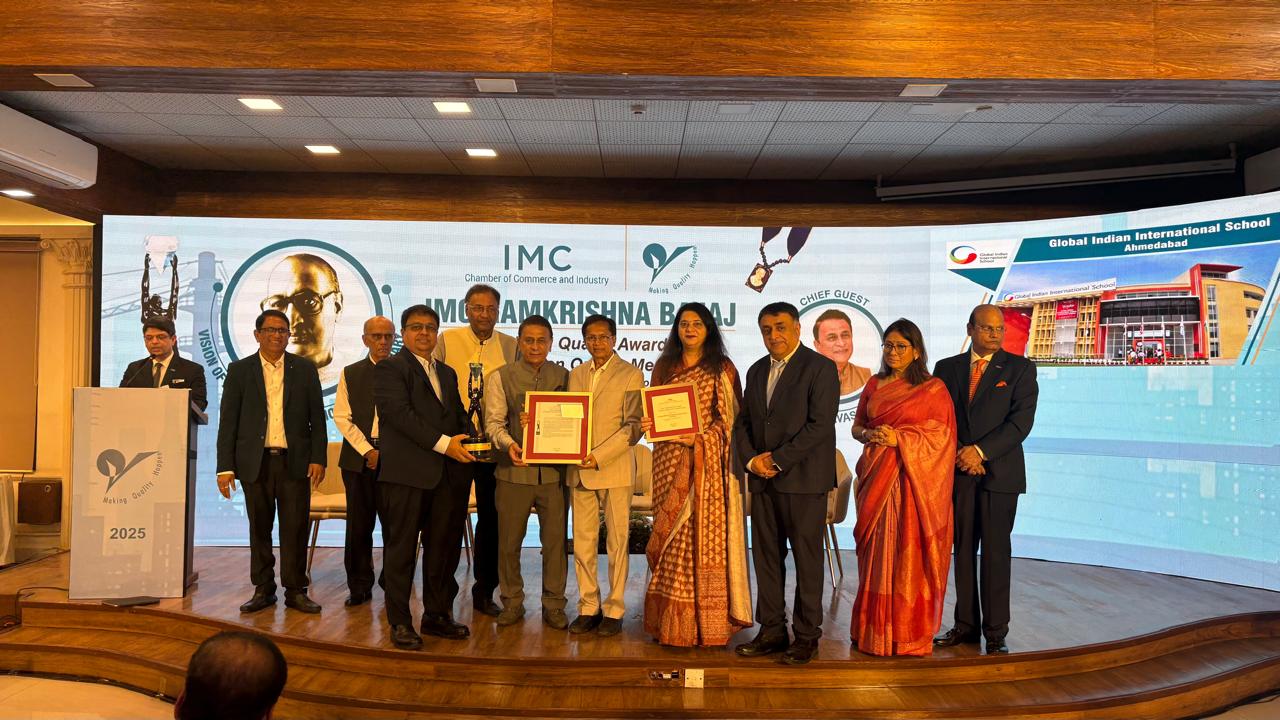
Ahmedabad, May 02: Global Indian International School (GIIS) Ahmedabad has been conferred with the esteemed IMC Ramkrishna Bajaj National Quality Award Trophy 2025 in the education category, recognising the institution’s commitment to excellence, innovation, and holistic student development. The award was presented at a distinguished ceremony graced by cricket legend and Padma Bhushan awardee Mr. Sunil Gavaskar as the Chief Guest.
The award was received by Global Schools Group Co-Founder & Executive Chairman Mr. Atul Temurnikar, along with Mr. Rathin Khandadia, Director – GCEE, Mr. Caesar D’silva, Principal, and Ms. Ruchika Dhingra, Vice Principal, and was presented by Mr. Sunil Gavaskar in the presence of Nobel Peace Laureate Kailash Satyarthi, marking a significant milestone for the institution at a national level
The recognition reflects GIIS Ahmedabad’s approach to education, combining academic focus with values-based learning and innovation. Central to this is the 9GEMS™ framework, which supports intellectual growth alongside character development, leadership, creativity, and a global outlook. The school also emphasises experiential learning, digital integration in classrooms, and a student-centric pedagogy, with initiatives around community engagement, ethics, and international exposure shaping well-rounded learners.
Speaking on the achievement, Mr. Caesar D’silva, Principal, GIIS Ahmedabad, said, “This recognition is a testament to our unwavering pursuit of excellence across every dimension of education. At GIIS Ahmedabad, quality is not a milestone but a continuous discipline embedded in our culture, systems, and mindset. This honour reflects the collective commitment of our educators, students, and parent community in building an institution that not only meets global benchmarks but consistently raises them. We remain focused on nurturing well-rounded individuals equipped with the skills, values, and resilience required to thrive in an evolving world.”
The IMC Ramkrishna Bajaj National Quality Award is widely regarded as a benchmark for organisational excellence in India, recognising institutions that demonstrate strong performance across quality management and operational effectiveness.
GIIS’s latest recognition reinforces its position as a leading institution in the Indian education landscape, with a strong focus on academic outcomes, innovation, and holistic development. The school continues to set high standards in delivering world-class, future-focused education.
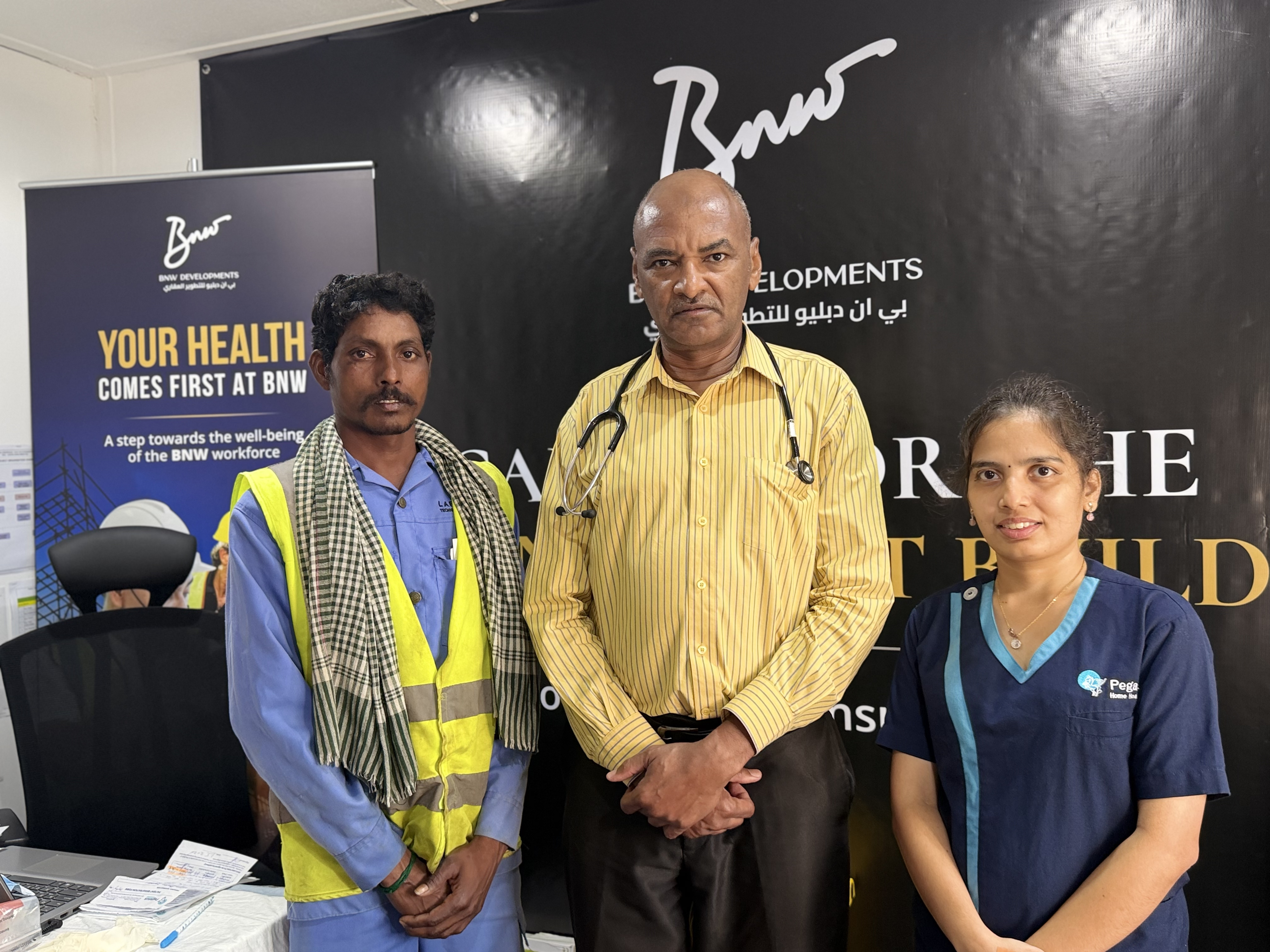
DUBAI, UAE, May 2— In an industry often defined by soaring skylines and high-stakes sales launches, BNW Developments chose a different path this International Labour Day. Shifting the spotlight from architectural milestones to the hands that build them, the developer launched a large-scale Worker Wellness Initiative, placing the health of its on-site taskforce at the heart of its mission.
The initiative was a deeply personal commitment to the well-being of the BNW family. Moving beyond symbolic gestures, BNW provided the workforce with comprehensive medical screenings, including vitality assessments, detailed blood investigations, and personalised health consultations, alongside direct access to professional medical care and preventative health education.
While the UAE has made substantial strides in worker welfare, proactive preventative healthcare remains a vital area for growth in the private sector. By prioritising early intervention and long-term health, BNW is proving that the happiness and longevity of a workforce are the truest indicators of a project’s success.
Dr. (CA) Ankur Aggarwal, Chairman and Founder of BNW Developments, emphasised that this is not a one-off campaign, but a reflection of the company’s DNA.
“Buildings are not just made of concrete and steel; they are built by grit and hard work. The people on our sites are not characters in our story, they are the ones who make our vision come alive,” said Dr. Aggarwal. “Today is about making sure our team knows that their health and their contribution are seen, valued, and appreciated.”
In the wake of global economic fluctuations, BNW Developments has remained steadfast in its commitment to its people, ensuring that safe working conditions and physical well-being remain the firm foundation upon which every iconic structure is raised.
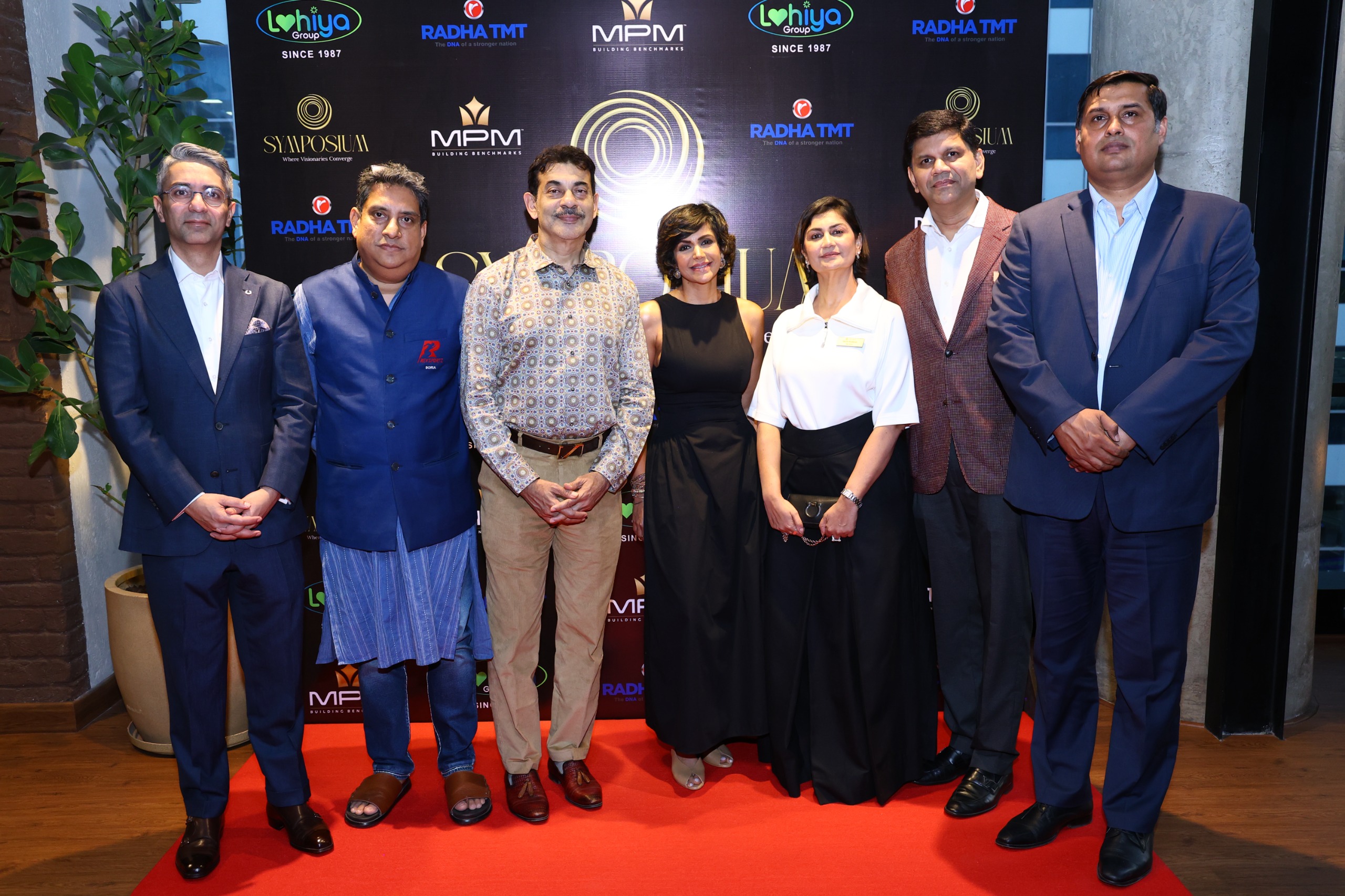
Hyderabad, May 2, 2026: Symposium, Hyderabad’s emerging platform for ideas and leadership, hosted its second flagship session, “Beyond the Game: The Business of Athletic Excellence,” at Quorum, Madhapur, Hyderabad on Thursday evening, bringing together some of India’s most respected voices from sport, public policy, administration, media, and industry for an evening of high-level discussion and exchange.
Founded by Mr Girish Mallpani and co-founded by Sri Jayesh Ranjan IAS, Symposium is envisioned as a recurring intellectual forum where leaders from government, business, academia, and public life engage in meaningful cross-domain dialogue on issues shaping India’s future.
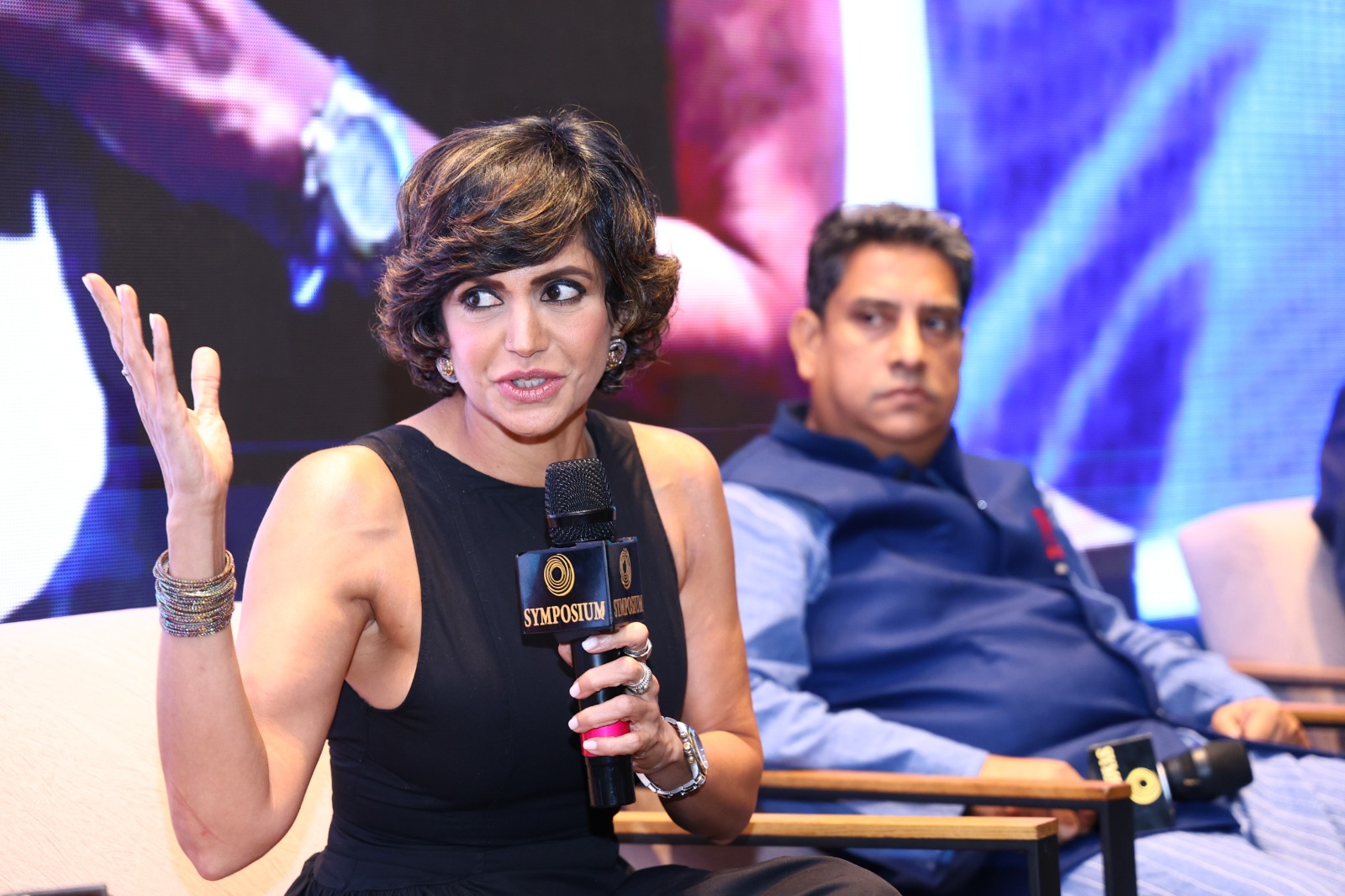
The session featured an accomplished panel comprising: Abhinav Bindra — India’s first individual Olympic gold medallist and founder of the Abhinav Bindra Foundation; Col Nachhatar Singh Johal — CEO, Target Olympic Podium Scheme (TOPS), Sports Authority of India; Boria Majumdar — noted sports historian, author, and journalist and Mandira Bedi — actor, presenter, and advocate for sports and fitness
The discussion was moderated by Sri Jayesh Ranjan IAS, Special Chief Secretary, Government of Telangana, and co-founder of Symposium.
The evening explored what it truly takes to build world-class sporting ecosystems in India — from grassroots development and policy frameworks to institutional support, infrastructure, private investment, sports science, athlete welfare, and the growing business of sport.
Addressing the audience, Sri Jayesh Ranjan IAS highlighted Telangana’s progressive approach toward sports development, stressing the importance of allowing experts to lead athlete training, talent identification, and career planning, while governments focus on enabling infrastructure and long-term support systems.
He noted that this forward-looking model is already helping athletes prepare for life beyond their competitive years, addressing one of the most critical gaps in the sports ecosystem. He also observed that India’s sporting landscape is rapidly evolving, breaking traditional barriers of gender and access, with both government and media playing transformative roles in shaping the country’s sporting culture.
In a significant announcement during the session, Sri Jayesh Ranjan revealed that the first honorary doctorate to be conferred by the proposed Telangana Sports University would be awarded to Abhinav Bindra.
Referring to an earlier moment during the event when the emcee mistakenly addressed Bindra as “Doctor,” he remarked: “We will soon make that a reality.” He announced that whenever the first convocation of the Telangana Sports University is held, he will confer the first Honorary doctorate of Telangana Sports University on Abhinav Bindra” — Jayesh Ranjan.
Speaking about India’s Olympic ambitions, he highlighted the role of the Target Olympic Podium Scheme (TOPS), launched by the Ministry of Youth Affairs and Sports in 2014 to identify, support, and prepare India’s top athletes for Olympic and Paralympic competition.
Drawing parallels with cricket’s transformation through the IPL, he noted that the league had created a massive sports economy and professional ecosystem involving hundreds of specialists behind every franchise.
“The IPL transformed the way cricket is played and consumed. Each IPL team today functions like a large professional organisation with hundreds of people working behind the scenes. The important question now is: how do we build similar ecosystems for every other sport in the country?” he said.
Abhinav Bindra shared insights from his journey in elite sport and high-performance systems, emphasising that sport teaches lessons far beyond medals and victories.
“Sports have taught me how to respect myself,” Bindra said. Encouraging greater participation in sport across India, especially among rural youth and children, he stressed the importance of discipline, resilience, and sports as a way of life.
“The next decade will be the decade of sports. We must build sport from the grassroots. Ever since shooting began being introduced at the school level, more young people have started taking up the sport. Significant investments are now being made in sports infrastructure and athlete development,” he added.
Col Nachhatar Singh Johal reflected on India’s Olympic preparation strategy and the importance of structured talent pathways, institutional planning, and long-term investment in athlete development.
In one of the evening’s most candid observations, he remarked: “If sports are not doing well in this country, the primary culprits are the sports federations.”
Sports historian and journalist Boria Majumdar spoke about the importance of storytelling, media visibility, and commercial structures in shaping sporting culture in India.
Highlighting the challenges faced by women’s cricket, he acknowledged Mandira Bedi’s contribution in helping popularise the women’s game.
“Men’s cricket has been marketed exceptionally well. What many people consume today is not just cricket, but the spectacle around it. If audiences truly loved cricket equally across formats, women’s cricket would already be as commercially successful as the IPL,” he observed.
Mandira Bedi highlighted the remarkable rise of women’s sport in India, recalling how audiences had evolved from sparse stadium attendance to massive national and global viewership. She credited media coverage and sporting spectacles for creating visibility, aspiration, and wider recognition for athletes and women’s participation in sport.
Adding broader perspective to the conversation, Boria Majumdar also reflected on India’s sporting journey and the shift from celebrating isolated champions to building a more sustainable and interconnected sporting ecosystem.
In his opening remarks, Mr Girish Mallpani, Founder of Symposium and CMD of MPM Group, pointed to the meteoric rise of the Indian sports economy as evidence of the sector’s growing significance.
Referring to the dramatic rise in IPL franchise valuations — from approximately ₹400–500 crore in 2008 to well over ₹15,000 crore today — he noted that the sports ecosystem now creates value not only for athletes, but also for coaches, broadcasters, institutions, investors, sponsors, and the wider economy.
The event witnessed participation from senior bureaucrats, industry leaders, entrepreneurs, academicians, investors, policy thinkers, and members of Hyderabad’s leadership community, reinforcing Symposium’s vision of creating a high-trust platform for informed and meaningful dialogue.
Commenting on the success of the session, Mr Girish Mallpani said:
“Symposium was created with the belief that some of the most important ideas emerge when leaders from different disciplines come together in genuine conversation. This session reflected the kind of thoughtful exchange we hope to build consistently — conversations that are relevant, future-facing, and rooted in collective progress.”
Sri Jayesh Ranjan, IAS added: “India’s sporting ambitions today go far beyond medals. They are connected to policy, infrastructure, economics, youth development, and national identity. Forums like Symposium create the space for interdisciplinary thinking that is essential to shaping long-term outcomes.”
Conceived as an invitation-led platform for intellectual exchange, Symposium aims to cultivate a community committed to lifelong learning, informed leadership, and meaningful engagement across disciplines. Through curated sessions throughout the year, the forum seeks to examine themes at the intersection of policy, business, culture, technology, economy, and society.
The successful conclusion of its second session further establishes Symposium as a promising forum for serious conversation and collaborative thinking among India’s emerging and established leadership voices.
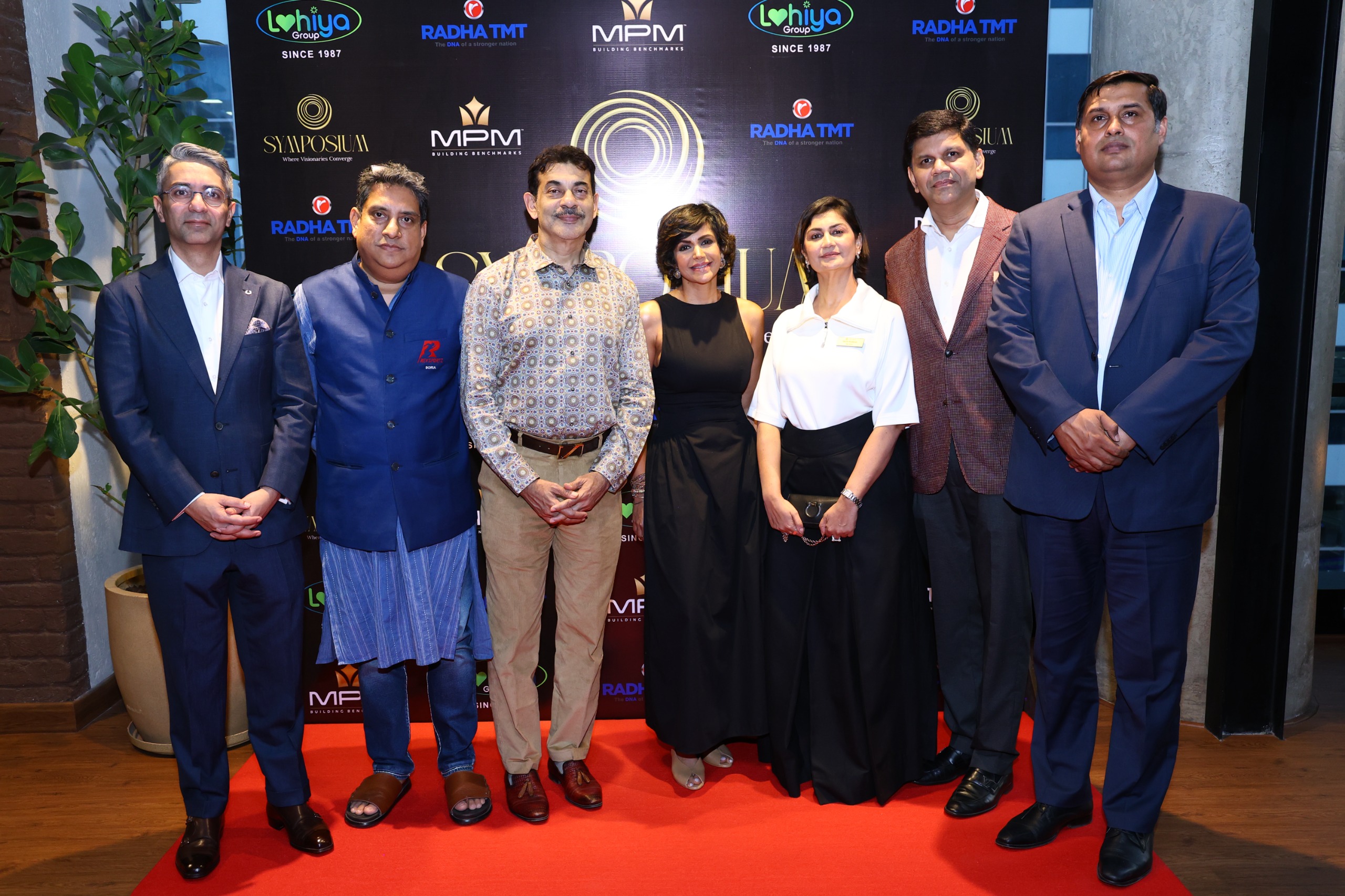
Hyderabad, May 2, 2026: Symposium, Hyderabad’s emerging platform for ideas and leadership, hosted its second flagship session, “Beyond the Game: The Business of Athletic Excellence,” at Quorum, Madhapur, Hyderabad on Thursday evening, bringing together some of India’s most respected voices from sport, public policy, administration, media, and industry for an evening of high-level discussion and exchange.
Founded by Mr Girish Mallpani and co-founded by Sri Jayesh Ranjan IAS, Symposium is envisioned as a recurring intellectual forum where leaders from government, business, academia, and public life engage in meaningful cross-domain dialogue on issues shaping India’s future.
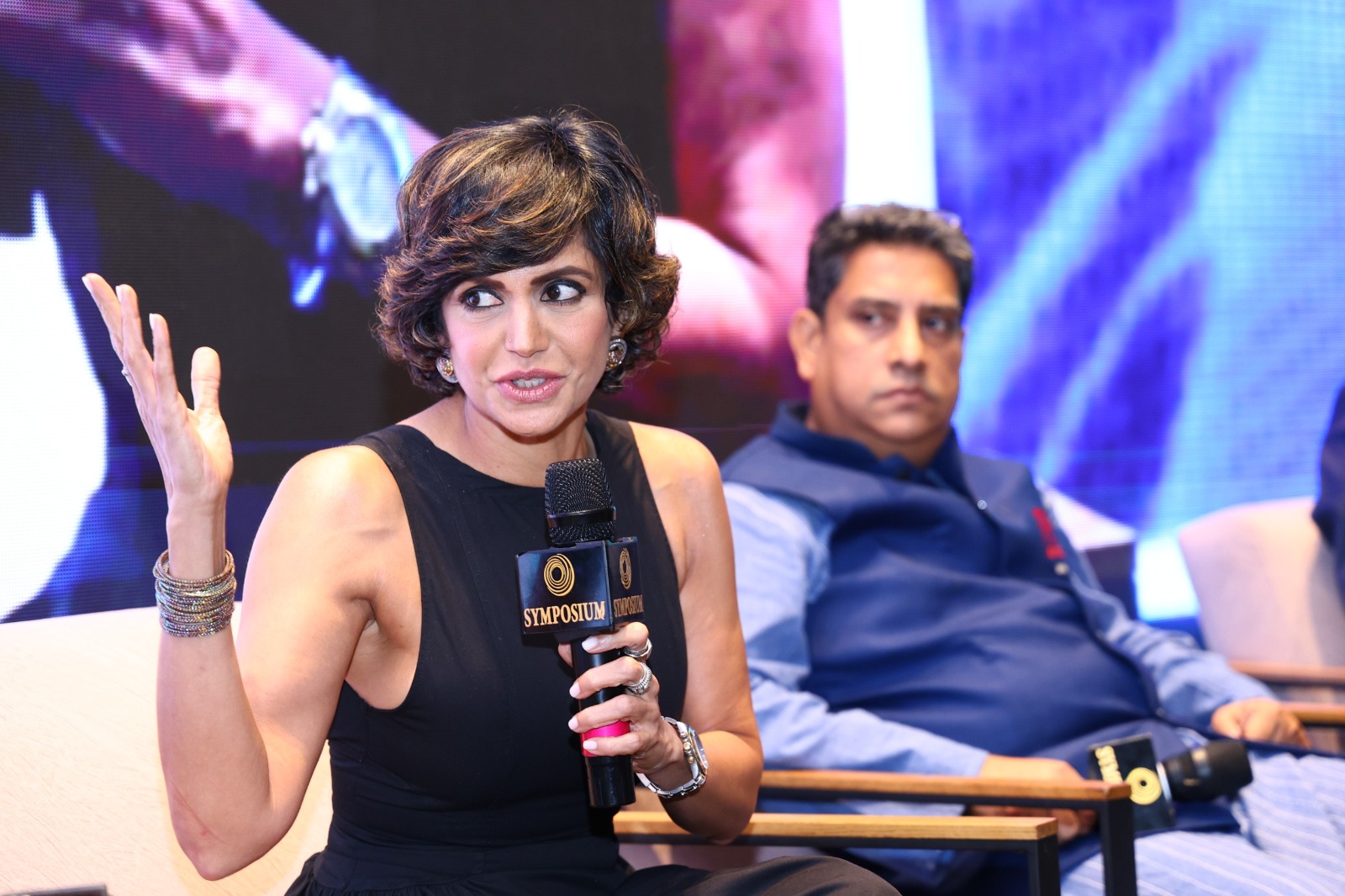
The session featured an accomplished panel comprising: Abhinav Bindra — India’s first individual Olympic gold medallist and founder of the Abhinav Bindra Foundation; Col Nachhatar Singh Johal — CEO, Target Olympic Podium Scheme (TOPS), Sports Authority of India; Boria Majumdar — noted sports historian, author, and journalist and Mandira Bedi — actor, presenter, and advocate for sports and fitness
The discussion was moderated by Sri Jayesh Ranjan IAS, Special Chief Secretary, Government of Telangana, and co-founder of Symposium.
The evening explored what it truly takes to build world-class sporting ecosystems in India — from grassroots development and policy frameworks to institutional support, infrastructure, private investment, sports science, athlete welfare, and the growing business of sport.
Addressing the audience, Sri Jayesh Ranjan IAS highlighted Telangana’s progressive approach toward sports development, stressing the importance of allowing experts to lead athlete training, talent identification, and career planning, while governments focus on enabling infrastructure and long-term support systems.
He noted that this forward-looking model is already helping athletes prepare for life beyond their competitive years, addressing one of the most critical gaps in the sports ecosystem. He also observed that India’s sporting landscape is rapidly evolving, breaking traditional barriers of gender and access, with both government and media playing transformative roles in shaping the country’s sporting culture.
In a significant announcement during the session, Sri Jayesh Ranjan revealed that the first honorary doctorate to be conferred by the proposed Telangana Sports University would be awarded to Abhinav Bindra.
Referring to an earlier moment during the event when the emcee mistakenly addressed Bindra as “Doctor,” he remarked: “We will soon make that a reality.” He announced that whenever the first convocation of the Telangana Sports University is held, he will confer the first Honorary doctorate of Telangana Sports University on Abhinav Bindra” — Jayesh Ranjan.
Speaking about India’s Olympic ambitions, he highlighted the role of the Target Olympic Podium Scheme (TOPS), launched by the Ministry of Youth Affairs and Sports in 2014 to identify, support, and prepare India’s top athletes for Olympic and Paralympic competition.
Drawing parallels with cricket’s transformation through the IPL, he noted that the league had created a massive sports economy and professional ecosystem involving hundreds of specialists behind every franchise.
“The IPL transformed the way cricket is played and consumed. Each IPL team today functions like a large professional organisation with hundreds of people working behind the scenes. The important question now is: how do we build similar ecosystems for every other sport in the country?” he said.
Abhinav Bindra shared insights from his journey in elite sport and high-performance systems, emphasising that sport teaches lessons far beyond medals and victories.
“Sports have taught me how to respect myself,” Bindra said. Encouraging greater participation in sport across India, especially among rural youth and children, he stressed the importance of discipline, resilience, and sports as a way of life.
“The next decade will be the decade of sports. We must build sport from the grassroots. Ever since shooting began being introduced at the school level, more young people have started taking up the sport. Significant investments are now being made in sports infrastructure and athlete development,” he added.
Col Nachhatar Singh Johal reflected on India’s Olympic preparation strategy and the importance of structured talent pathways, institutional planning, and long-term investment in athlete development.
In one of the evening’s most candid observations, he remarked: “If sports are not doing well in this country, the primary culprits are the sports federations.”
Sports historian and journalist Boria Majumdar spoke about the importance of storytelling, media visibility, and commercial structures in shaping sporting culture in India.
Highlighting the challenges faced by women’s cricket, he acknowledged Mandira Bedi’s contribution in helping popularise the women’s game.
“Men’s cricket has been marketed exceptionally well. What many people consume today is not just cricket, but the spectacle around it. If audiences truly loved cricket equally across formats, women’s cricket would already be as commercially successful as the IPL,” he observed.
Mandira Bedi highlighted the remarkable rise of women’s sport in India, recalling how audiences had evolved from sparse stadium attendance to massive national and global viewership. She credited media coverage and sporting spectacles for creating visibility, aspiration, and wider recognition for athletes and women’s participation in sport.
Adding broader perspective to the conversation, Boria Majumdar also reflected on India’s sporting journey and the shift from celebrating isolated champions to building a more sustainable and interconnected sporting ecosystem.
In his opening remarks, Mr Girish Mallpani, Founder of Symposium and CMD of MPM Group, pointed to the meteoric rise of the Indian sports economy as evidence of the sector’s growing significance.
Referring to the dramatic rise in IPL franchise valuations — from approximately ₹400–500 crore in 2008 to well over ₹15,000 crore today — he noted that the sports ecosystem now creates value not only for athletes, but also for coaches, broadcasters, institutions, investors, sponsors, and the wider economy.
The event witnessed participation from senior bureaucrats, industry leaders, entrepreneurs, academicians, investors, policy thinkers, and members of Hyderabad’s leadership community, reinforcing Symposium’s vision of creating a high-trust platform for informed and meaningful dialogue.
Commenting on the success of the session, Mr Girish Mallpani said:
“Symposium was created with the belief that some of the most important ideas emerge when leaders from different disciplines come together in genuine conversation. This session reflected the kind of thoughtful exchange we hope to build consistently — conversations that are relevant, future-facing, and rooted in collective progress.”
Sri Jayesh Ranjan, IAS added: “India’s sporting ambitions today go far beyond medals. They are connected to policy, infrastructure, economics, youth development, and national identity. Forums like Symposium create the space for interdisciplinary thinking that is essential to shaping long-term outcomes.”
Conceived as an invitation-led platform for intellectual exchange, Symposium aims to cultivate a community committed to lifelong learning, informed leadership, and meaningful engagement across disciplines. Through curated sessions throughout the year, the forum seeks to examine themes at the intersection of policy, business, culture, technology, economy, and society.
The successful conclusion of its second session further establishes Symposium as a promising forum for serious conversation and collaborative thinking among India’s emerging and established leadership voices.
In the news release, Applied Intuition Collaborates with Heidelberg Materials to Advance Innovation in Quarry Operations with Autonomous Haulage Fleets, issued 30-Apr-2026 by Applied Intuition, Inc. over PR Newswire, we are advised by the company that changes have been made. The complete, corrected release follows, with additional details at the end:
Applied Intuition Collaborates with Heidelberg Materials to Advance Innovation in Quarry Operations with Autonomous Haulage Fleets
Deployment brings intelligent, vehicle-based autonomy to Australia, establishing a new operating model for construction and mining environments.
SUNNYVALE, Calif., April 30, 2026 /PRNewswire/ — Applied Intuition, Inc., a leader in physical AI, today announced its collaboration with Heidelberg Materials, one of the world’s largest integrated manufacturers of building materials and solutions, to deploy autonomous haulage systems for Heidelberg Materials’ quarry operations, starting at a site in Australia.
Applied Intuition will provide its Self-Driving System (SDS) for Construction to support autonomous haulage operations within Heidelberg Materials’ fleet of construction and mining vehicles in Australia. The deployment marks the next real-world application of Applied Intuition’s autonomy platform in industrial environments. Upon successful completion, it will support the expansion of autonomous operations within Heidelberg Materials’ broader Australian network.
The collaboration also challenges the standard industry model. While autonomy solutions traditionally target the largest quarry sites, this system is designed for smaller operations, including those running just two 40-ton trucks, making it deployable across quarry sites of varying size worldwide.
“No two quarry or construction sites operate the same way, with different layouts, constraints and economics,” said Qasar Younis, co-founder and CEO of Applied Intuition. “We’ve built our platform to adapt to that reality. This partnership shows we can take the same core system used in large mining operations and apply it to smaller, infrastructure-constrained quarry sites, scaling it across hundreds of unique locations.”
For Heidelberg Materials, the partnership is aimed at enhancing safety and operational performance. It also reflects the need for an autonomy solution that can operate at large sites and smaller ones too, whereas traditional autonomous haulage systems are often too infrastructure-heavy or costly to scale. For Applied Intuition, it serves as a proof point that its autonomy platform is designed not just for one-off deployments, but for global scale across construction, quarry and mining environments of any size.
Applied Intuition’s system runs directly on the vehicle, with integrated perception, decision-making and safety systems onboard, enabling reliable operation without constant connectivity or heavy site infrastructure.
The collaboration builds on Applied Intuition’s growing presence in construction and mining autonomy and reinforces its broader physical AI strategy. The same core platform has already been deployed in other industries, including trucking and defense, with learnings from each domain contributing to continuous system improvements. Applied Intuition’s SDS platform strategy also enables the company to bring technologies proven in other domains into construction and mining, helping accelerate development and deployment.
Through this project, Applied Intuition demonstrates the range of its autonomy platform, from some of the largest mining trucks in the world to smaller quarry vehicles operating in constrained, lower-infrastructure environments. Together, these deployments highlight the company’s approach to building scalable autonomy for construction and mining from the ground up.
To learn more about how Applied Intuition is building the future of construction autonomy, visit applied.co.
About Applied Intuition Applied Intuition, Inc. is powering the future of physical AI. Founded in 2017 and now valued at $15 billion, the Silicon Valley company is creating the digital infrastructure needed to bring intelligence to every moving machine on the planet. Applied Intuition services the automotive, defense, trucking, construction, mining and agriculture industries in three core areas: tools and infrastructure, operating systems and autonomy. Eighteen of the top 20 global automakers, as well as the United States military and its allies, trust the company’s solutions to deliver physical intelligence. Applied Intuition is headquartered in Sunnyvale, California, with offices in Washington, D.C.; San Diego; Ft. Walton Beach, Florida; Ann Arbor, Michigan; London; Stuttgart; Munich; Stockholm; Gothenburg, Sweden; Bangalore; Seoul; and Tokyo. Learn more at applied.co.
Correction: An earlier version of this release incorrectly stated the location of the site noted in the first paragraph.
Technology Leads the Way, Innovation Shares the Future
BEIJING, May 2, 2026 /PRNewswire/ — A report from CCTV.com:
From May 8 to 10, 2026, the 28th China Beijing International High-Tech Expo (hereinafter referred to as CHITEC) will be held at the China National Convention Center in Beijing. Centering on cutting-edge technological strengths, this CHITEC will build an immersive AI ecological experience zone, develop innovative “AI+” application scenarios, and showcase a host of highlights.
Gathering Cutting-edge Sci-tech Strengths for Global Exchanges and Cooperation
The General Administration of Customs of the People’s Republic of China, the Chinese Academy of Sciences and other institutions will present cutting-edge achievements including smart customs and intelligent railway systems. More than 20 provinces and municipalities will conduct cross-regional collaboration to advance technological and industrial cooperation and matchmaking. Multinational corporations such as AstraZeneca and Sanofi will showcase state-of-the-art technologies covering tumor immunotherapy and mRNA vaccines. Innovative enterprises including Seaway and iFLYTEK Spark will also attend the event to jointly facilitate global exchanges and cooperation in the science and technology industry.
Integrating Frontier Innovation with Practical Applications to Build Immersive Experience Spaces
With the “AI+” initiative as the core theme, this CHITEC will launch an immersive AI ecological experience zone. It brings together the latest achievements of nearly 30 enterprises, including Kunlunxin, Baidu ERNIE Large Model, Aiforcetech’s driverless new energy tractors, and 51WORLD digital twin technologies. Award-winning works from the Shangdi UPSIDE AI Competition will also be on display, demonstrating in-depth integrated scenarios of AI technologies across industries and daily life.
Empowering Consumption with Technology to Boost the Construction of an International Consumption Center City
This year’s CHITEC will boost urban consumption upgrading via sci-tech exhibitions and advance the in-depth integration of culture, tourism, commerce, sports and exhibition sectors. A debut platform for new tech consumer products will be established within the exhibition grounds to showcase cutting-edge new offerings, including intelligent terminals, smart home systems and premium consumer electronics. Jointly with key commercial districts, the event will roll out an “Exhibition–Trade Integration Consumption Season”, creating a closed-loop model of “Visit – Experience – Consume” to fully tap into the potential of tech-driven consumption.
We invite global sci-tech professionals to gather in Beijing from May 8 to 10, 2026, to witness innovative breakthroughs and jointly explore opportunities for win-win cooperation.
Chef Ashwani Unveils Food Cart Menu Ahead of Launch and Leads Transformational Culinary Masterclass
New Delhi, May 1st, 2026: In a significant step towards fostering inclusion and creating sustainable livelihood opportunities,
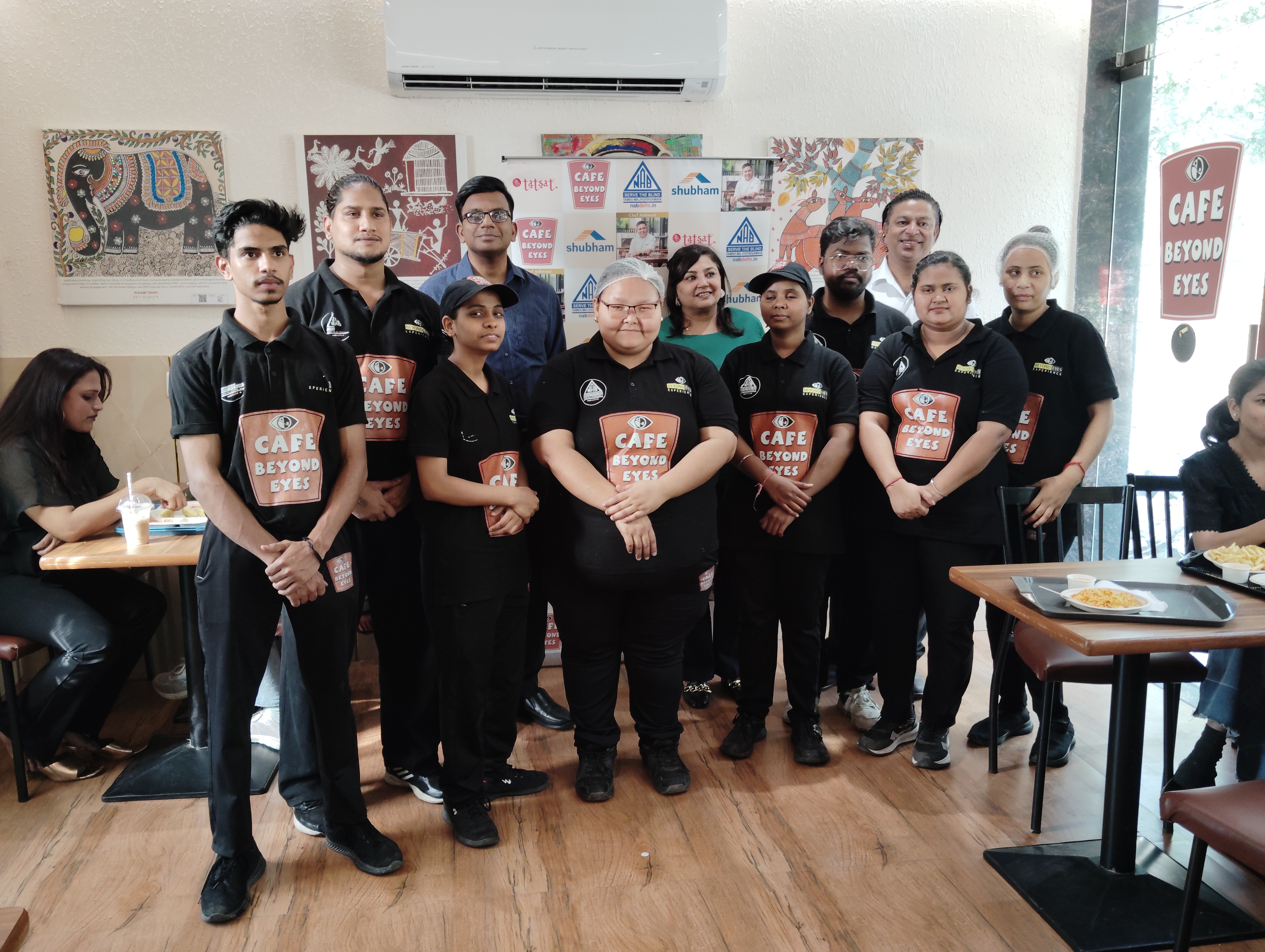
National Association for the Blind (NAB) successfully launched Café Beyond Eyes, a unique café operated entirely by visually impaired youth, at Sector 5, R.K. Puram, New Delhi.
Building on this mission, NAB in association with Tatsat foundation today announced the Food Cart concept, with the goal of generating employment for 500 visually impaired individuals over the next five years.
Tatsat Foundation has engaged the renowned celebrity Chef Ashwini Kumar Singh, to provide culinary education and professional training to visually impaired individuals at National Association for the Blind (NAB), helping them build precision, strengthen muscle memory, and develop the technical competencies required for a career in professional kitchens through sustained practice and structured instruction.
·Chef Ashwani Unveils Food Cart Menu Ahead of Launch. TheMenu for the upcoming food cart has been thoughtfully curated by Chef Ashwini, with robust standard operating procedures for preparation and service tailored to the unique requirements of visually impaired staff. Designed to balance operational efficiency with culinary appeal, the offering blends familiar comfort food with Indian specialties.
Café Beyond Eyes, a pioneering social impact initiative designed to empower visually impaired and underprivileged individuals through skill development in culinary arts. The launch event, held on May 1, 2026, witnessed the presence of stakeholders, supporters, and members of the community, who gathered to celebrate this impactful initiative.
The highlight of the occasion was renowned celebrity chef Ashwani Singh led an engaging and hands-on culinary masterclass for the first cohort of trainees, demonstrating how practical skills, discipline, and self-belief can pave the path to independence and economic empowerment. Focusing on sensory-driven cooking techniques, the training emphasized the use of touch, aroma, sound, and taste as primary tools in the kitchen. During the live sessions, Chef Ashwani Kumar Singh demonstrated how culinary excellence can be achieved beyond visual cues, encouraging the participants to trust their instincts and refine their sensory abilities. As part of the culinary masterclass, Chef Ashwini has also introduced the young visually impaired chefs to the Vedic concept of Tasir—the intrinsic heating or cooling nature of ingredients and foods. By understanding these traditional principles, the trainees are better equipped to create meals that are not only flavourful, but also balanced, nourishing, and comforting.
Speaking on the occasion, Celebrity Chef Ashwani said,“Cooking is an art driven by passion, discipline, and sensory understanding rather than sight alone. When we remove the dependence on vision, we discover how powerful the other senses truly are. These young chefs are not defined by limitation, but by their extraordinary ability to adapt, learn, and excel. Working with these visually impaired students fundamentally transformed my understanding of cooking and I’m thankful to Tatsat Foundation and NAB for giving me this opportunity. It has reaffirmed that culinary arts are not purely visual—they are deeply sensory. In many cases, visually impaired students develop heightened awareness of touch, smell, and sound, often demonstrating extraordinary sensory precision. This experience has made me a more mindful chef and teacher, reinforcing that in great cooking, precision is not merely seen—it is felt”.
Café Beyond Eyes has been conceptualized as more than just a food and beverage space. It is designed as a platform for empowerment, awareness, and social change, where visually impaired youth can gain hands-on experience, build careers, and integrate into the mainstream workforce with dignity. The participating youth have undergone structured culinary training by celebrity chef Ashwani, equipping them with essential skills in food preparation, kitchen operations, and customer service. Their journey reflects resilience and adaptability, highlighting how the right mentorship and environment can unlock untapped potential. Beyond technical instruction, the training sessions sought to instil dignity, self-reliance, and atmanirbhar mindset among trainees, underscoring the transformative role of vocational education.
On this auspicious occasion, Prashant Verma, General Secretary, National Association of the Blind (NAB), said, “The initiative reflects the true spirit of inclusion, where individuals are empowered not by sympathy but by opportunity. Café Beyond Eyes is a landmark step in proving that with the right training and environment, visually impaired individuals can perform with excellence and lead with confidence in professional spaces. Through structured training and experiential learning, the initiative aims to prepare trainees for successful integration into the workforce”.
Dr. Sumi Gupta, Director, Tatsat Foundation, said, “We are delighted to be associated with NAB’s Café Beyond Eyes, that embodies our commitment to fostering inclusive growth through education and skill development. By providing classroom education backed by practical knowledge and industry-oriented training at NAB, we seek to create pathways to dignity, financial independence, and sustainable livelihood opportunities”.
Sanjay Chaturvedi, Founder & Managing Director, Shubham Housing Development Finance Co. Ltd., said on this occasion,“We are proud to support this transformational initiative, which promotes inclusivity and financial empowerment through education in its many forms—including Braille literacy, skill-building, and industry-specific training. Café Beyond Eyes is an initiative that contributes meaningfully to building a more inclusive and sustainable society”.
The atmosphere at the launch was marked by a strong sense of purpose and optimism, as attendees experienced firsthand the confidence and capability of the café’s young operators. The initiative underscores the importance of inclusive development models that not only provide employment but also instil self-belief and independence.
With the launch of Café Beyond Eyes and the upcoming food cart initiative, NAB and Tatsat foundation continue to strengthen their commitment to impact-driven programs centered on skill development and social inclusion. It aims to expand such efforts in the future, creating greater opportunities for individuals from underserved communities.
Café Beyond Eyes ultimately stands as a testament to NAB’s belief, that true vision lies not in sight, but in determination, skill, and the courage to create one’s own path. The launch highlighted the critical role of skill development in building sustainable livelihoods and encouraged participants to recognize their abilities as strengths capable of driving long-term success.



 View original content:
 View original content: