Archive: May 31, 2026

Zynaty Living Launches Its First Flagship Experience Store in New Delhi

Zynaty Living Launches Its First Flagship Experience Store in New Delhi A Curated Destination for Contemporary Interiors, Functional Luxury & Bespoke Design Solutions

New Delhi, May 2026: Zynaty Living, the luxury interior and lifestyle brand founded by Divya Singh, proudly announces the launch of its first flagship experience store in Chattarpur, New Delhi, a thoughtfully designed destination that brings together elevated aesthetics, functional living, and personalized interior solutions under one roof.

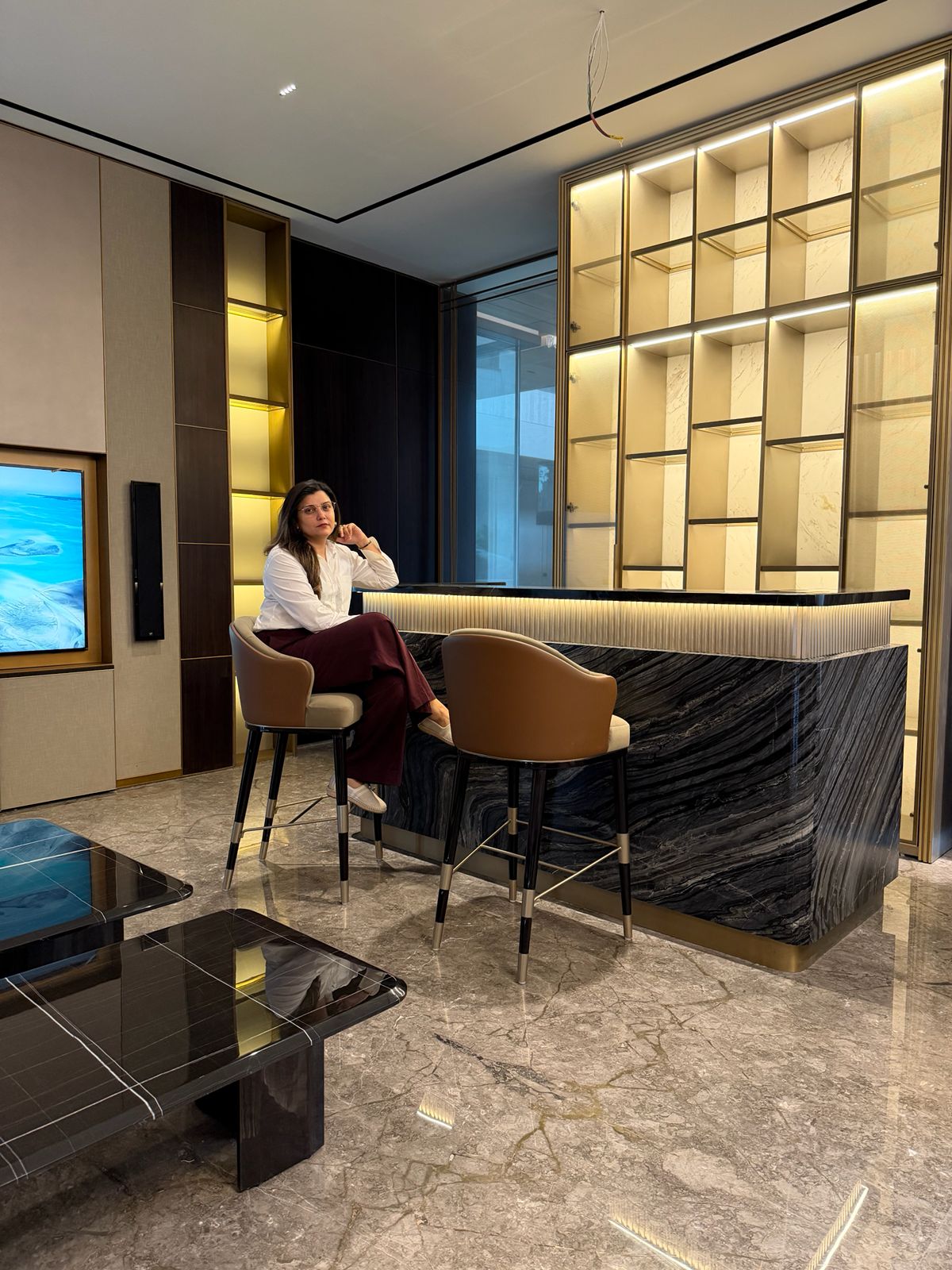
Designed as an immersive experience space rather than a conventional showroom, the flagship store reflects Zynaty Living’s signature design philosophy rooted in timeless elegance, material richness, refined craftsmanship, and functional luxury. The space showcases the brand’s expertise across bespoke interiors, luxury kitchens, statement bar units, architectural millwork, wardrobes, wall paneling, custom furniture, lighting, carpeting solutions, and curated décor elements tailored for contemporary lifestyles.

Zynaty Living Launches Its First Flagship Experience Store in New Delhi

Known for its sophisticated spatial concepts and attention to detail, Zynaty Living works extensively with premium materials, handcrafted finishes, natural textures, elegant veneers, stone surfaces, metallic accents, layered lighting, and artisanal detailing to create spaces that feel modern, warm, and deeply personal.

A key highlight of the brand’s design language is its focus on functional furniture and customized living solutions where aesthetics seamlessly merge with usability. From intelligently designed kitchen layouts and luxury wardrobe systems to sculptural bar installations and statement wall treatments, every element is designed to enhance the experience of everyday living while maintaining a strong visual identity.

The flagship experience store offers clients a comprehensive design ecosystem, allowing homeowners, architects, and interior enthusiasts to explore personalized solutions for every aspect of interior living. The space has been carefully curated to demonstrate how functionality, craftsmanship, and design storytelling can coexist harmoniously within modern homes.

Speaking on the launch, Divya Singh said: “Zynaty Living was created from the belief that interiors should feel deeply personal and intuitive to the people who inhabit them. With this flagship store, we wanted to create a space that not only showcases design, but also inspires people to experience how thoughtful materials, functional layouts, craftsmanship, and detailing can completely transform the way we live. For us, luxury is about comfort, individuality, and creating spaces that hold meaning over time.”

With projects across India and Dubai, Zynaty Living has steadily established itself as a contemporary luxury design house known for its bespoke approach, refined styling, and turnkey interior solutions tailored to modern lifestyles.

Located at D-56, First Floor, Main 100ft Road, Chattarpur, New Delhi, the flagship store invites architects, designers, homeowners, and design connoisseurs to discover a world where interiors are crafted with intention, sophistication, and enduring elegance.

Cyient Enters Agreement to Acquire TAO Digital

Acquisition enhances Cyient’s offering portfolio with AI-native data and lifecycle engineering capabilities to drive data-readiness & digital transformation for its customers

HYDERABAD, India, May 30, 2026 /PRNewswire/ — Cyient Limited, a global Intelligent Engineering solutions company, announced that it has entered into a definitive agreement to acquire TAO Digital Solutions Inc., an AI‑native data and product engineering solutions firm headquartered in Santa Clara, California. The transaction is subject to customary regulatory approvals and closing conditions and is expected to close by Q2 FY27.

Founded in 2022, TAO Digital has scaled at a remarkable pace into a trusted partner for leading global enterprises, with presence in the United States, Canada, India, Taiwan, and in Europe. TAO Digital solves large and complex business and technology challenges for its customers across Automotive, Hi-Tech, and HealthTech sectors among others. Their deep expertise in data engineering, AI-enabled platform solutions, digitization, and cloud services rooted in customer centricity enables innovative and transformational outcomes for customers at pace and at scale.

TAO Digital brings two synergistic capabilities that are central to Cyient’s Intelligent Engineering proposition

  • AI and Data Engineering enabling enterprise-grade AI adoption through data and platform modernisation, GenAI production deployment, and AI lifecycle operations across industries
  • Digital and Product Engineering spanning cloud-native platforms, application modernisation, platform engineering, and quality engineering at global scale

Cyient and TAO Digital will help clients pivot efficiently to a data ready state to drive AI‑enabled scale that is built on robust data foundations delivering accelerated outcomes and sustained competitive advantage.

Sukamal Banerjee, Executive Director and CEO, Cyient, “This acquisition marks a transformative moment for Cyient, elevating us into a select group of partners who can credibly deliver AI-native engineering at a global scale. It allows us to offer customers something rare: domain know-how with data engineering solutions i.e., over three decades of engineering heritage in the world’s most complex industries, fused with AI-native data and lifecycle engineering capabilities built for how enterprise systems are being engineered today. The acquisition strengthens our presence in Automotive, Hi-Tech, HealthTech sectors, expands our customer footprint significantly in North America, and expands our delivery reach across regions. It is a significant milestone in the execution of our strategy focused on growth driven by deep domain strength, AI acceleration, and portfolio expansion, while equally strengthening our proposition of Intelligent Engineering for our customers.”

Rajkumar Velagapudi, Founder & CEO, TAO Digital, said, “Since founding TAO Digital in 2022, we have built deep, trusted relationships with some of the world’s most demanding enterprises, earning a strong reputation for engineering quality and continuous innovation. Joining Cyient takes that to a new level. Cyient’s global reach, the strength of its customer portfolio, and its decades of technical excellence provide the ideal platform to amplify what TAO Digital does best. We share a genuine commitment to delivering enhanced value for customers through strong execution and partnership. I am excited about what we will build together.”

About Cyient
Cyient is a global ER&D company delivering full lifecycle engineering for mission-critical industries, spanning design-to-aftermarket across products, plants, and networks. We work with 300+ global customers across 30 countries and are supported by 14K+ associates. Recognized among the Top 10 pure-play global engineering services providers, we reported $658M in annual revenue for FY26. We serve industries including Aerospace, Rail, Automotive & Mobility, Connectivity, Utilities, Mining, Energy, Healthcare & Life Sciences, and Spatial Intelligence. We bring together human expertise, domain knowledge, and AI to deliver resilient engineering solutions.  

Forward-Looking Statements
Certain statements made in the press release that are not based on historical facts may be forward‑looking statements within the meaning of applicable laws and regulations. Such forward‑looking statements are subject to risks, uncertainties, and assumptions, like significant changes in the economic environment in India and overseas, regulatory and tax laws, import duties, litigation, labour relations and other factors beyond the Company’s control. Actual results may differ materially from those expressed or implied.

Cyient undertakes no obligation to publicly update or revise these forward‑looking statements, whether as a result of new information, future events, or otherwise, except as required under applicable law.

For more information, please visit www.cyient.com

Follow news about the company at @Cyient

About TAO Digital
TAO Digital Solutions empowers businesses to excel in the digital era through innovative technology and AI-driven services and solutions. Guided by its principles of Transformation, Automation, and Optimization, TAO’s global team of 3,500+ experts delivers AI and data-enabled transformative solutions across Automotive, Hi-Tech, and HealthTech sectors among others.

For more information, please visit www.taodigitalsolutions.com.

 Reshma Nair, 20:20 MSL

reshma.nair@2020msl.com
 

Joshika Rv, 20:20 MSL

joshika.rv@2020msl.com

Phalguna Hari jandhyala

Cyient

Phalguna.Harijandhyala@cyient.com


Cision View original content:https://www.prnewswire.co.uk/news-releases/cyient-enters-agreement-to-acquire-tao-digital-302786322.html

Cyient Enters Agreement to Acquire TAO Digital

World MS Day: National Policy Dialogue Adopts Landmark 10-Point Declaration Calling for Stronger Recognition of Invisible Disabilities in India

~Stakeholders urge reforms across disability certification, healthcare access, insurance, workplace inclusion and national health systems to improve outcomes for people living with Multiple Sclerosis and other invisible neurological conditions~

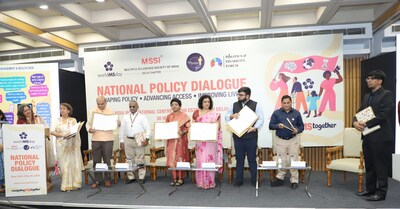
NEW DELHI, May 30, 2026 /PRNewswire/ — In a significant step towards strengthening disability-inclusive healthcare and social protection in India, Members of Parliament, policymakers, neurologists, disability rights advocates, insurance stakeholders and persons living with Multiple Sclerosis (MS) today endorsed a landmark 10-point Declaration on Invisible Disabilities and Gender at the National Policy Dialogue organised on the occasion of World MS Day 2026.

Multiple Sclerosis, a chronic and progressive neurological condition affecting an estimated 1.5–2 lakh people in India, remains one of the country’s most overlooked invisible disabilities. Many of its symptoms including fatigue, cognitive impairment, chronic pain, visual disturbances and bladder dysfunction are often not outwardly visible, contributing to delayed diagnosis, barriers to disability recognition, insurance challenges and difficulties in accessing long-term care and support.

Organised by the Multiple Sclerosis Society of India (MSSI), Delhi Chapter, in association with Believe in the Invisible (BITI) and the Politics & Disability Forum at the India International Centre, New Delhi, the National Policy Dialogue was held under the theme ‘Shaping Policy. Advancing Access. Improving Lives.’ The dialogue brought together an ecosystem of stakeholders spanning government, healthcare, disability rights, insurance, academia, patient advocacy and public health to examine systemic reforms required across healthcare access, disability rights, insurance inclusion and long-term neurological care.

The conclave featured dedicated sessions on invisible disabilities, the cost of living with MS, insurance access, digital health and policy reform. Discussions highlighted the need for earlier diagnosis, timely intervention and continuity of care, alongside more inclusive insurance frameworks and stronger financial protection mechanisms for people living with chronic neurological conditions. Participants also emphasised the importance of strengthening neurological data systems, including the Indian MS Registry Network (IMSRN), and expanding access to multidisciplinary and specialist neurological care across India.

Menaka Guruswamy, Member of Parliament, Rajya Sabha, said, “This National Policy Dialogue is an important step in deepening our understanding of Multiple Sclerosis and the realities of living with invisible disabilities. It provides a valuable platform for policymakers to learn directly from clinicians, persons living with MS, caregivers and advocates about the spectrum of challenges they navigate every day. India has made significant progress in recognising the rights of persons with disabilities, and conversations such as these are essential to ensuring that our laws, policies and institutions continue to evolve in ways that better reflect the lived experiences of people affected by conditions such as MS.”

Dr. R.K. Dhamija, Distinguished Neurologist, Director, IHBAS, and Chair, National Task Force, NITI Aayog Brain Health Initiative, said, “Multiple Sclerosis is a complex, unpredictable and lifelong neurological condition that requires early diagnosis, timely intervention and sustained access to advanced therapies. While often simplified for patient understanding, the clinical reality is far more challenging and demands a nuanced approach to treatment and long-term care. Investing in neurological care is not merely a healthcare expenditure, it is an economic imperative that helps prevent irreversible disability, reduces long-term care costs and enables people to remain active and productive. Improving outcomes requires a collaborative approach that brings together clinicians, policymakers, patient groups and healthcare systems to ensure timely access, continuity of care and meaningful support for people living with MS.”

Dr. Satendra Singh, Professor of Physiology, University College of Medical Sciences & GTB Hospital and Disability Rights Activist, said, “India has made significant progress in recognising a wider spectrum of disabilities through the Rights of Persons with Disabilities Act, 2016. The next step is ensuring that healthcare, disability, welfare and social protection systems work in greater alignment to translate these rights into meaningful outcomes for persons living with invisible and episodic conditions such as Multiple Sclerosis. Stronger coordination across ministries, institutions and programmes can help create a more seamless pathway to diagnosis, certification, care, support services and entitlements. Dialogues such as these are important because they bring diverse stakeholders together to identify solutions that are both inclusive and actionable.”

Ms. Charu Sharma, a person living with Multiple Sclerosis (PwMS), said, “My world changed in a single day in October 2024. It began with what I thought was ordinary exhaustion, a strange sensitivity in my ears, double vision and a sudden loss of balance. I dismissed it as vertigo and walked into an ENT clinic expecting a simple prescription. Instead, the doctor looked closer and advised an MRI. Within ten days, I received a confirmed diagnosis of Multiple Sclerosis.

While my life changed in an instant, I know I was fortunate. An early and accurate diagnosis within days is something many people living with MS in India still wait years to receive. My only wish is that the journey after diagnosis was different. I wish patients were given clearer guidance on what to expect, the road ahead, and the financial realities of treatment. When your body is fighting an invisible battle, clarity, transparency and empathy can become the anchors that help you navigate it with confidence and strength.”

Renuka Malaker, Honorary National Treasurer, Multiple Sclerosis Society of India (MSSI), who is also a caregiver to a PwMS, said, “For people living with Multiple Sclerosis, the challenges often extend far beyond the disease itself. Delayed access to insurance, high out-of-pocket costs, limited awareness of available entitlements and the absence of comprehensive patient data continue to create barriers to timely care. The National Policy Dialogue has brought policymakers, clinicians, patient advocates and implementation agencies to the same table to address these gaps. We hope the Declaration serves as a catalyst for stronger insurance inclusion, better access to support systems and a more robust national understanding of the true burden of MS in India.”

A key outcome of the conclave was the adoption of the Declaration on Invisible Disabilities and Gender, which outlines a roadmap to strengthen implementation of the Rights of Persons with Disabilities (RPwD) Act, 2016 and improve the inclusion of invisible neurological conditions within India’s healthcare, disability and welfare systems. Key recommendations include:

  • Recognition guidelines for invisible and episodic disabilities under the RPwD Act.
  • Flexible disability certification for people with fluctuating conditions.
  • Inclusion of MS and other chronic neurological conditions within National Health Mission care pathways.
  • Expansion of the Indian MS Registry Network (IMSRN) into a broader national invisible disability registry.
  • Affordable access to disease-modifying therapies and long-term neurological care.
  • Expanded tele-neurology services across India.
  • Gender-sensitive diagnosis and treatment pathways.
  • Stronger digital monitoring of disability rights implementation.
  • Inclusive workplace policies for invisible disabilities.
  • A National Mission on Invisible Disabilities.

The declaration reflects a growing consensus among stakeholders that India’s healthcare and social protection systems must evolve to better address invisible conditions that significantly affect an individual’s functional ability, quality of life and socioeconomic participation.

In his keynote address, Dr. Dhamija highlighted that Multiple Sclerosis remains a priority focus area within the Government of India’s Brain Health Initiative. He noted that the recommendations emerging from the dialogue and the Declaration on Invisible Disabilities and Gender would contribute to ongoing national policy discussions aimed at improving accessibility, availability and affordability of care, while strengthening disability benefits, social support systems and employment opportunities for people living with chronic neurological conditions. He also underscored the importance of sustained collaboration between clinicians, patient support organisations and policymakers to translate policy intent into meaningful action and improved outcomes for persons living with MS and other invisible disabilities.

About MSSI

The Multiple Sclerosis Society of India (MSSI) is a registered voluntary, non-profit organization established in 1985, dedicated to supporting individuals affected by Multiple Sclerosis (MS) across the country. MSSI is affiliated with the Multiple Sclerosis International Federation (MSIF), UK, and is part of a global network committed to improving the lives of people living with MS. At the national level, MSSI spearheads unified initiatives that strengthen and amplify the efforts of its regional chapters. Through collaborative action and a cohesive voice, MSSI advocates for the rights and needs of Persons with Multiple Sclerosis (PwMS). For more information, visit www.mssocietyindia.org

About Politics & Disability Forum

Politics and Disability Forum is a legal and policy research organisation working on the political rights of Persons with Disabilities. The research area focuşes on the broad intersection of political rights and the social model of disability and how they interact with other marginalized identities. The forum is founded by Shashank Pandey who is a former legislative assistant to member of parliament fellow, lawyer and Global Disability Leadership Fellow.

About Believe in the Invisible (BITI)

Believe in the Invisible (BITI) is a women-led non-profit organization redefining disability through creative advocacy. Using comics, zines, storytelling, and immersive experiences, the organization builds awareness around invisible disabilities. BITI works at the intersection of health, education, and policy to drive systemic change. Its flagship Experience Zone simulates real-world barriers faced by people with invisible disabilities, while its zine-making workshops and workplace DEI sessions translate lived experience into actionable tools for inclusion.

For further information, please contact:
Desiree Crasto | desiree.crasto@finnpartners.com
Abhigale Barretto | abhigale.barretto@finnpartners.com

Photo – https://mma.prnewswire.com/media/2991399/photo.jpg

Cision View original content to download multimedia:https://www.prnewswire.com/in/news-releases/world-ms-day-national-policy-dialogue-adopts-landmark-10-point-declaration-calling-for-stronger-recognition-of-invisible-disabilities-in-india-302786313.html

World MS Day: National Policy Dialogue Adopts Landmark 10-Point Declaration Calling for Stronger Recognition of Invisible Disabilities in India

THE KILLERS ROCK THE UEFA CHAMPIONS LEAGUE FINAL KICK OFF SHOW PRESENTED BY PEPSI®

Millions of fans from across the world tuned in to watch the iconic rock band’s unmissable performance ahead of the showpiece fixture of the club football season.

BUDAPEST, Hungary, May 30, 2026 /PRNewswire/ — #PEPSIKICKOFFSHOW – Global superstars The Killers delivered an exceptional headline performance at the Puskás Aréna in Budapest, for this year’s UEFA Champions League Final Kick Off Show presented by Pepsi.

The UEFA Champions League Final Kick Off Show presented by Pepsi took place minutes before the football season’s biggest fixture between Arsenal FC and Paris St. Germain, with The Killers performing classic hits and stadium sized anthems including “When You Were Young”, “Human”, “All These Things That I’ve Done”, and “Mr Brightside”.

The band brought their iconic status to club football’s grandest stage, providing an unforgettable experience for the thousands in the stadium and the millions watching around the globe, uniting both football and music fans.

Since arriving on the world stage with their iconic 2004 debut album, Hot Fuss, The Killers have gone on to solidify their place as globally recognised rock icons of the 21st century. The band have sold over 35 million albums, including multiplatinum hits like ‘Mr. Brightside’, ‘When You Were Young’ and ‘Human’, and recently confirmed that they are working on their eighth studio album, with electrifying global performances also on the horizon.

Before kick-off, fans in-stadium and across global broadcast were surprised by Sir David Beckham appearing on screens asking fans: ‘ready to kick things off?’. As Beckham dropped a coin into a jukebox, setting a vinyl of The Killers in motion, the pitch was transformed into a neon lit spectacle, with bold visuals and choreography inspired by the band’s Las Vegas roots.

With a longstanding heritage in sport and music, Pepsi has presented the UEFA Champions League Final Kick Off Show since 2016, each year merging the worlds of football and music together to create a night of epic entertainment. The event encapsulates Pepsi’s multi-year global platform, Pepsi Football Nation, which celebrates football culture on and off the pitch, bringing fans across the globe closer to moments beyond the 90 minutes.

Photo: https://mma.prnewswire.com/media/2991404/Pepsi_THE_KILLERS_1.jpg
Photo: https://mma.prnewswire.com/media/2991403/Pepsi_THE_KILLERS_2.jpg
Logo: https://mma.prnewswire.com/media/2665176/Pepsi_Logo.jpg

Cision View original content to download multimedia:https://www.prnewswire.co.uk/news-releases/the-killers-rock-the-uefa-champions-league-final-kick-off-show-presented-by-pepsi-302786305.html

THE KILLERS ROCK THE UEFA CHAMPIONS LEAGUE FINAL KICK OFF SHOW PRESENTED BY PEPSI®

NMDC Steel Turns Profitable in FY26; Records Best-Ever Production and Sales

Production Up 62%, Sales Rise 74%; Company Reports Positive PAT, PBT and EBITDA

Particulars

FY26

FY25

Growth

Q4 FY26

Q4 FY25

Growth

Production (MT)

23,24,902

14,38,646

62%

6,42,086

4,43,287

45%

Sales (MT)

24,54,682

14,14,191

74%

7,03,492

5,01,257

40%

Revenue from Operations

13,641.81

8,503.05

60%

3,879.00

2,838.25

37%

EBITDA

1,604.44

(1,716.89)

Turned Positive

832.09

(271.51)

Turned Positive

Profit Before Tax

75.78

(3,321.72)

Turned Positive

486.10

(664.31)

Turned Positive

Profit After Tax

58.72

(2,373.78)

Turned Positive

391.91

(473.39)

Turned Positive

                                   *Production & Sales in Metric Tonnes and Financials in Rs. Crore 

Hyderabad, May 30, 2026: NMDC Steel Limited (NSL), one of India’s youngest integrated steel producers, has announced its financial results for FY26.  NMDC Steel Limited (NSL) delivered a landmark performance in FY26, achieving profitability and registering best-ever production and sales during the year, while also recording its best-ever quarterly performance in Q4, FY26.

NMDC Steel recorded its highest-ever annual production of 23.25 lakh metric tonnes and sales of 24.55 lakh metric tonnes during FY26, registering growth of 62% and 74% respectively over the previous year. The strong operational performance reflects improved capacity utilisation, enhanced efficiencies and growing market acceptance of NSL’s products across key sectors.

NSL has now achieved average capacity utilisation of 80% of its rated production capacity within two years of commencing its operations, marking a significant milestone in the operational stabilisation of the Nagarnar Steel Plant. This achievement places NSL among the fastest ramp-ups witnessed in the Global Steel Industry for a greenfield integrated steel project.

NSL also delivered its best-ever quarterly performance during Q4 FY26, with production rising 45% year-on-year to 6.42 lakh metric tonnes and sales increasing 40% to 7.03 lakh metric tonnes, underscoring the growing operational strength and market presence of the company.

The operational gains translated into a strong financial performance, with turnover increasing 60% year-on-year to Rs.13,642 crore. This robust growth reflects improved capacity utilisation, stronger market penetration and the growing acceptance of NSL’s high-quality steel products across key sectors.

Most significantly, FY26 marked a complete turnaround in NSL’s profitability. Profit After Tax (PAT) stood at Rs. 58.72 crore in FY26 against a loss of Rs. 2,373 crore in the previous year. Reflecting the strength of this turnaround, Q4 FY26 PAT improved to Rs. 391 crore from a loss of Rs. 473 crore in the corresponding quarter last year.

NMDC Steel closed FY26 on a strong note, delivering its best-ever quarterly production and sales alongside a significant improvement in operational performance. Turnover for Q4 FY26 increased 37% year-on-year to Rs. 3,879 crore, while EBITDA stood at Rs. 832.09 crore against a negative EBITDA of Rs. 271.51 crore in the corresponding quarter last year.

NMDC Steel Turns Profitable in FY26; Records Best-Ever Production and Sales


Commenting on the results, Shri Amitava Mukherjee, Chairman and Managing Director, NMDC Steel Limited, said: “FY26 marks a defining year in NMDC Steel’s journey. Achieving profitability, recording our highest-ever production & sales and reaching nearly average capacity utilisation of 80% within two years of operations reflect the successful stabilisation of the Nagarnar Steel Plant. As we continue to improve efficiencies, expand our product portfolio and strengthen our market presence, we remain committed to progressing towards full capacity utilisation of NMDC Steel Plant, while supplying high-quality steel products that contribute to India’s infrastructure and industrial development.”

The achievements of FY26 mark an important milestone in NSL’s growth journey. With operations stabilised, profitability achieved and market presence continuing to expand, NMDC Steel is well-positioned to build on this momentum and create long-term value for its stakeholders in the years ahead.

CIMP-BIIF and Annapurna Finance Private Limited Sign MoU to Strengthen Capacity Building in the Microfinance Sector

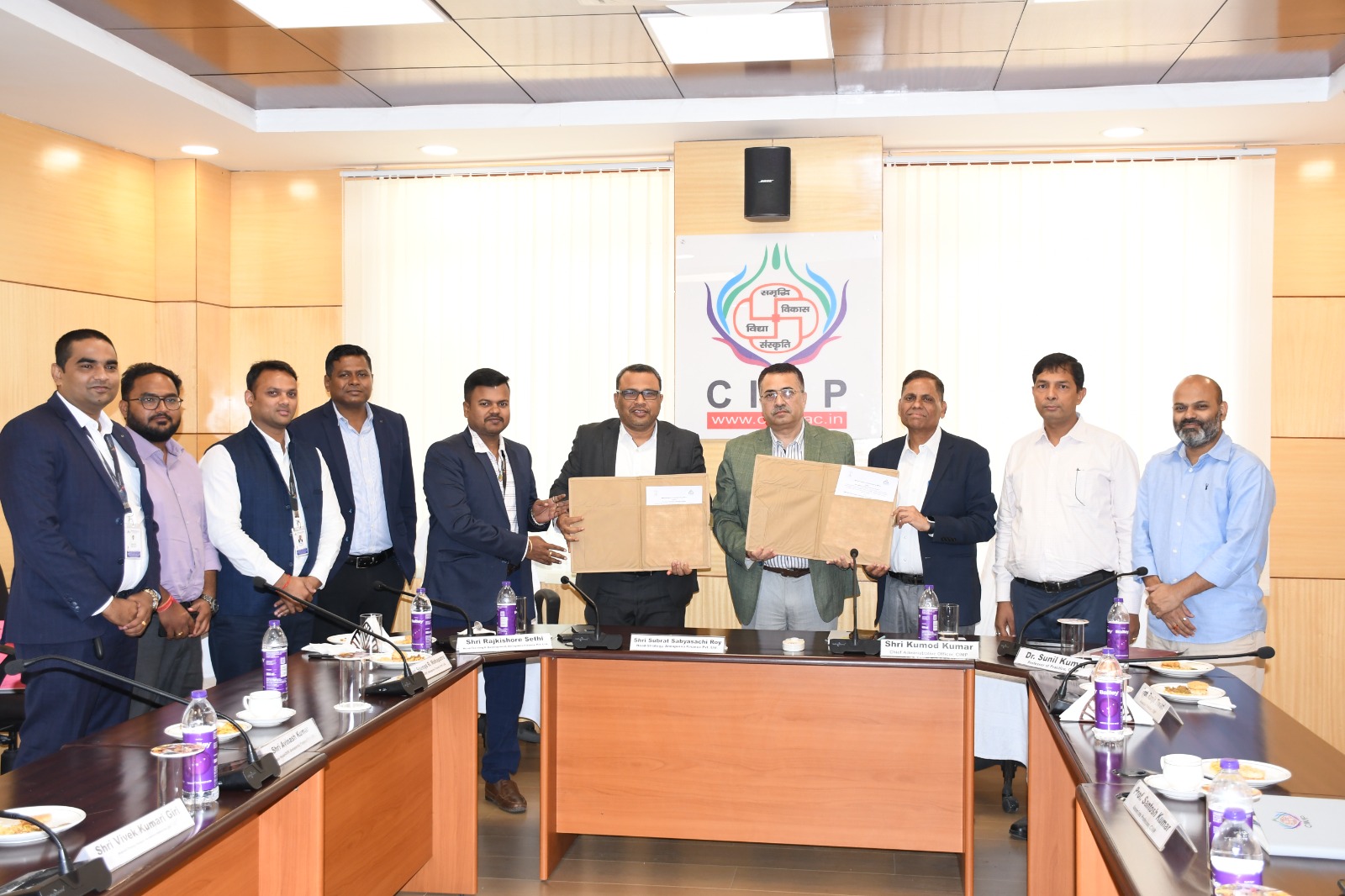
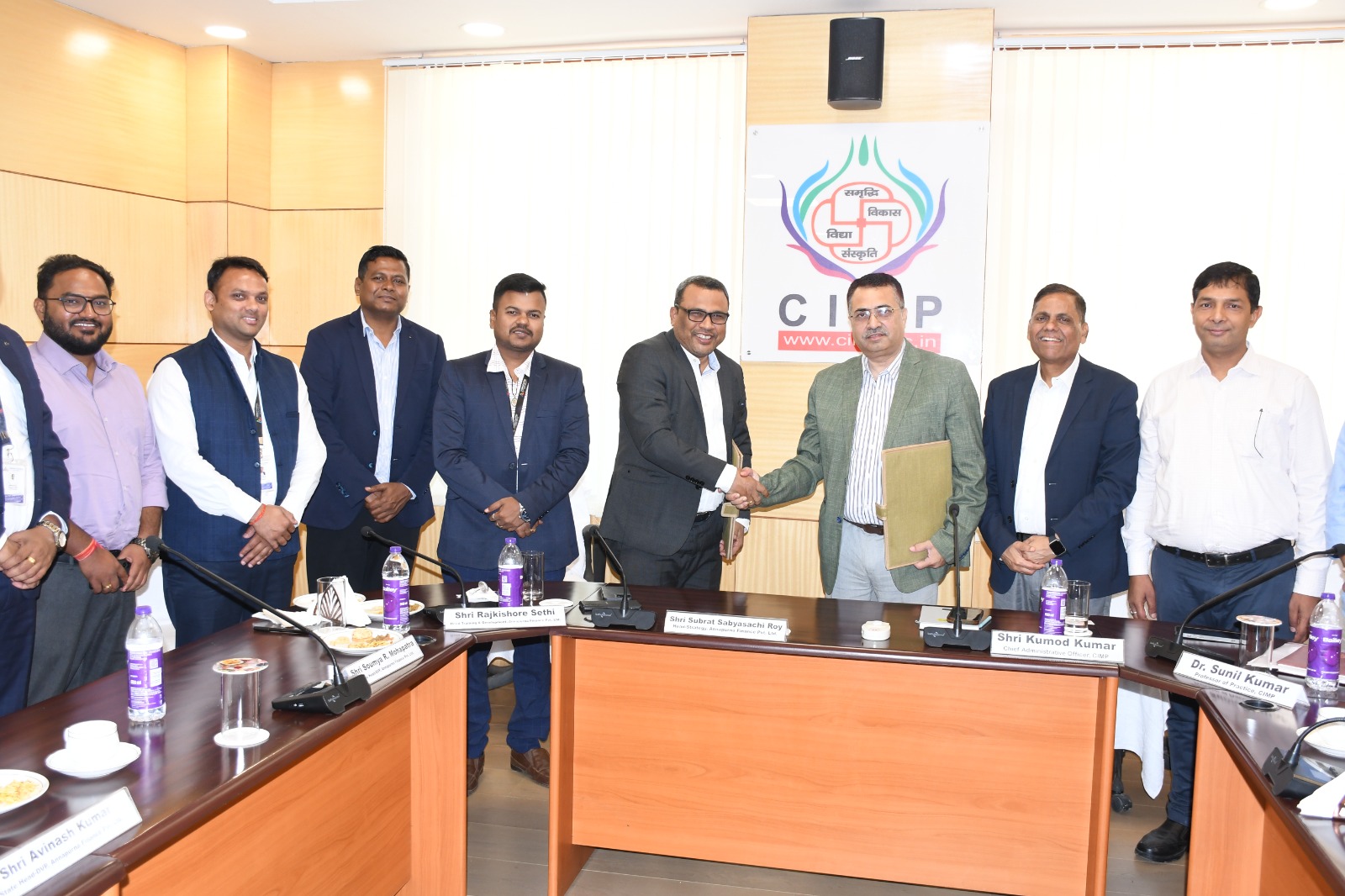
Patna, 30 May 2026: Chandragupt Institute of Management Patna – Business Incubation and Innovation Foundation (CIMP-BIIF) and Annapurna Finance Private Limited (AFPL), one of India’s leading microfinance institutions, signed a Memorandum of Understanding (MoU) today to collaborate in the areas of professional training, capacity building, and skill development for employees working in the microfinance sector.

The partnership aims to enhance the knowledge, skills, and competencies of microfinance professionals through industry-oriented training programmes. Under the MoU, CIMP-BIIF and AFPL will jointly design and deliver training modules focusing on microfinance operations, regulatory compliance, customer relationship management, and best practices in financial inclusion.

CIMP-BIIF and Annapurna Finance Private Limited Sign MoU to Strengthen Capacity Building in the Microfinance Sector


The collaboration will also focus on developing leadership capabilities, problem-solving abilities, decision-making skills, and effective time-management practices among employees. Participants will benefit from hands-on learning through practical modules, case studies, simulations, and experiential learning approaches designed to bridge the gap between theory and practice.

Dr. Rana Singh, Director, Chandragupt Institute of Management Patna (CIMP), said:

“At CIMP, we are committed to fostering meaningful industry-academia collaborations that create value for organizations and society alike. This partnership with Annapurna Finance Private Limited reflects our vision of strengthening the financial inclusion ecosystem through knowledge, innovation, and capacity building. We are confident that this initiative will contribute significantly to enhancing professional excellence and leadership capabilities in the microfinance sector.”

Speaking on the occasion, Shri Kumod Kumar, CEO, CIMP-BIIF, said, “This partnership reflects our commitment to building a skilled and future-ready workforce for the financial inclusion ecosystem. By combining academic excellence with industry expertise, we aim to create impactful learning experiences that enhance professional competence and organizational effectiveness.”

Professor Sunil Kumar, Associate Dean (Academics), CIMP, stated, “The microfinance sector plays a critical role in promoting inclusive growth and economic empowerment. Through this collaboration, we seek to provide high-quality training interventions that strengthen operational excellence, leadership capabilities, and customer-centric service delivery among professionals in the sector.”

CIMP-BIIF and Annapurna Finance Private Limited Sign MoU to Strengthen Capacity Building in the Microfinance Sector


Mr. Subrat Sabyasachi Roy, Head – Strategy, Annapurna Finance Private Limited, remarked, “Continuous learning and capability enhancement are essential for sustaining growth and delivering greater value to our clients. We are pleased to partner with CIMP-BIIF to develop structured learning programmes that will support employee development and contribute to the long-term success of the microfinance industry.”

The MoU marks an important step towards fostering industry-academia collaboration and promoting excellence in professional development within the financial inclusion and microfinance ecosystem.

Concord Control Systems Announces Rs. 279.90 Crore KAVACH 4.0 Order from Indian Railways through Associate Company Progota India

 Landmark order strengthens Concord’s position in India’s railway safety, signaling and train protection ecosystem

Lucknow, 30th May 2026: Concord Control Systems Limited (BSE: CNCRD), one of India’s leading railway technology companies focused on embedded electronics, control systems, and critical electronic solutions, today announced that its associate company, Progota India Private Limited, has received an order worth Rs. 279.90 crore from Indian Railways for the supply, installation, testing, and commissioning of onboard KAVACH 4.0 loco equipment.

The order is domestic in nature and is scheduled to be executed within 12 months. This development marks an important milestone for Concord and Progota in India’s fast expanding railway safety and signaling ecosystem.

Commenting on the development, Gaurav Lath, Joint Managing Director, Concord Control Systems Limited, said, “This order is a strong validation of Concord’s growing position in India’s railway technology ecosystem. KAVACH is one of the most important safety initiatives of Indian Railways, and our participation through Progota strengthens our presence in high value, mission critical train protection systems. For Concord, this order enhances strategic visibility, deepens our technology positioning and reinforces our confidence in the large opportunity ahead in railway safety, signaling and embedded electronics. We remain focused on disciplined execution, strong governance and building Concord as a scalable railway technology platform from India.”

Nitin Jain, Joint Managing Director, Concord Control Systems Limited, added, “KAVACH 4.0 execution requires precision across supply, installation, testing, and commissioning. Our teams are prepared to deliver within the stipulated timelines while maintaining high standards of quality and reliability. This mandate strengthens our role as a trusted technology partner to Indian Railways and supports our long-term ambition of building an innovation led, execution focused and investable railway electronics company.”

The order strengthens Concord’s proposition across key important areas: Participation in a national railway safety priority

KAVACH is a critical safety initiative of Indian Railways and is expected to remain an important area of investment as the country scales railway safety and signaling infrastructure.

Deeper technology led positioning

The order further positions Concord as a railway technology company with capabilities in embedded electronics, control systems, safety systems, and critical train electronics, moving beyond conventional railway product manufacturing.

KAVACH is India’s indigenous Automatic Train Protection system, designed to enhance railway safety by helping prevent signal passing at danger, reduce collision risk and support safer train operations. As Indian Railways accelerates the deployment of advanced safety technologies across its network, this order places Concord, and its associate ecosystem in a strong position to participate in one of the most important railway modernizations opportunities in the country.

India’s railway modernization cycle is creating a significant multiyear opportunity across safety systems, train electronics, signaling, embedded control systems, onboard equipment and advanced monitoring solutions.

Concord is focused on building a diversified railway technology platform backed by strong engineering capability, RDSO approved products, manufacturing discipline, testing infrastructure, execution reliability and a growing ecosystem of technology partnerships and associate companies.

This order is a strong validation of Concord’s growing technology led positioning in railway electronics and train safety systems. It reinforces the company’s relevance in high value, mission critical railway applications where technology capability, execution discipline and reliability are critical.


Chandigarh University Research Scientist Receives Startup Research Grant of Rs 24 Lakhs

Grant to Develop Future-Ready Wheat Varieties to Mitigate Climate Change Impact on the Crop

CHANDIGARH, India, May 30, 2026 /PRNewswire/ — Giving fillip to the cutting-edge research in crop biotechnology and sustainable agriculture, the research faculty and students at Chandigarh University’s University Centre for Research & Development (UCRD) and University Institute of Biotechnology (UIBT) are making significant contributions in the fields of plant molecular science, genomics and climate-smart agriculture.

Strengthening Chandigarh University’s leadership in advanced agricultural biotechnology research, Dr Vijay Gahlaut, Associate Professor at UCRD and UIBT has secured the prestigious Startup Research Grant (SRG) from the Anusandhan National Research Foundation (ANRF) under the Union Ministry of Science and Technology. The research grant of Rs 24 lakh is used for advanced research focused on developing climate-smart, future-ready crop solutions aimed at promoting sustainable agriculture and enhancing agricultural resilience in India.

Sharing details regarding his project, Dr Vijay Gahlaut said, “Our project is titled Elucidating the Role of DNA Methylation under Elevated CO2 and Temperature During Grain Filling in Wheat (Triticum aestivum L) is primarily aimed at understanding how DNA methylation patterns change under combined elevated CO2 (carbon-dioxide) and temperature stress during the crucial grain filling stage. The outcome of this research project is expected to support the development of climate-smart wheat varieties capable of withstanding rising temperatures and changing environmental conditions. The study will further contribute towards climate-resilient wheat research aimed at safeguarding crop productivity, grain quality and long-term food security in the face of climate change.”

Dr Vijay Gahlaut was assisted in the project by Praveen Kumar, a PhD scholar in Biotechnology at UIBT Chandigarh University.

Dr Gahlaut added, “Our team’s preliminary results are already pointing to practical ways to protect crop development under climate stress. Our ongoing work shows that exposure to elevated CO2 and higher temperatures during grain filling alters DNA methylation. These changes identify critical developmental windows when targeted management, such as adjusting irrigation or fertilization.”

“Understanding the epigenetic responses in locally adapted wheat varieties can aid in developing region-specific cultivars with optimised resilience. Epimarkers can potentially speed up the breeding process by allowing breeders to identify desirable traits in early generations without waiting for the plants to mature and be subjected to stress conditions. Analysis of DNA methylation together with gene expression highlights the genes and metabolic pathways most sensitive to the combined stress of increased CO2 and temperature during grain filling. Pinpointing these targets will let us concentrate follow–up studies on the exact roles of those genes and how they influence grain quality and yield under climate change. The findings, still under investigation, aim to translate molecular insights into field-level strategies that help farmers maintain productivity as atmospheric CO2 and temperatures continue to rise. This indeed is a remarkable development that would deepen Chandigarh University’s commitment to advancing innovative, climate-smart and sustainability-driven research,” added Dr Gahlaut.

Notably, the Startup Research Grant (SRG) is a two-year scheme designed to help researchers

The Startup Research Grant (SRG) is a two-year funding scheme by the ANRF under the Department of Science and Technology (DST) Government of India that is aimed at helping researchers in frontier areas of science and engineering establish themselves and transition into mainstream research. The SRG requires submission of a comprehensive research proposal that undergoes a stringent review process, with funding granted only to a select number of projects.

Dr Gahlaut’s success in securing this competitive grant reflects both his scientific vision and strategic planning. Prior to this achievement, he gained research experience as a DST INSPIRE Faculty (prestigious faculty fellowship program) at the University of Delhi and at the Council of Scientific and Industrial Research (CSIR) Government of India. With over 80 published research papers in prestigious international journals and notable contributions as an Associate Editor and independent peer reviewer, Dr Gahlaut’s impactful achievements led to his induction as the Member of the prestigious National Academy of Sciences in India acknowledging his profound influence in crop genetics and abiotic stress tolerance research.

Chandigarh University

Chandigarh University is a NAAC A+ Grade University and QS World Ranked University. This autonomous educational institution is approved by UGC and is located near Chandigarh in the state of Punjab. It is the youngest university in India and the only private university in Punjab to be honoured with A+ Grade by NAAC (National Assessment and Accreditation Council). CU offers more than 109 UG and PG programs in the field of engineering, management, pharmacy, law, architecture, journalism, animation, hotel management, commerce, and others. It has been awarded as The University with Best Placements by WCRC.

Website address: https://www.cuchd.in/

Photo – https://mma.prnewswire.com/media/2991347/PRESS_PIC_001_CU_RESEARCH.jpg

Cision View original content:https://www.prnewswire.com/in/news-releases/chandigarh-university-research-scientist-receives-startup-research-grant-of-rs-24-lakhs-302786248.html

Chandigarh University Research Scientist Receives Startup Research Grant of Rs 24 Lakhs

Pioneering Health Worker Training Programme to Improve Vaccine Communication Leads to Spinout Social Enterprise

An innovative training initiative to improve UK health workers’ vaccine conversations is proving so successful a University of Bristol-led spinout has been created to continue the important work.

Generating more informed, empathetic conversations with patients and parents that also address misinformation about vaccines has strong potential to improve uptake and reverse the gradual reduction in childhood vaccination coverage nationally over the past decade.

The spinout social enterprise builds on years of University of Bristol-led research by a multidisciplinary expert team determined to answer the question: what drives vaccine hesitancy and how can it be effectively overcome?

Dr Dawn Holford, Lecturer in Psychology at the University of Bristol, led an international study which showed for the first time how using an approach called the Empathetic Refutational Interview (ERI) to address misinformation among vaccine-hesitant patients can significantly improve attitudes towards vaccination – and potentially boost vaccine uptake.

It found that more than two-thirds (around 69%) of vaccine-hesitant study participants who received empathetic engagement from a healthcare professional preferred this compared with a group who were just told the facts.

These encouraging results motivated Dr Holford and fellow researcher and chartered health psychologist Dr Emma Anderson to pilot a training programme to teach health workers with vaccination roles the ERI technique to equip them to have better conversations about vaccines, addressing patients’ misconceptions.

Dr Holford said: “Lower uptake, especially for routine childhood vaccinations such as the MMR vaccine, is a serious public health issue nationally and internationally. Recent outbreaks of measles demonstrate this and show how more work is needed to help address people’s reservations and combat increasingly prevalent misinformation.

“It’s great to be putting exciting learnings from our research into public health practice. We know health workers are keen to have better conversations with patients which will improve vaccine confidence and their response to the training so far is really encouraging.”

The pilot programme, supported by UK Health Security Agency (UKHSA) and NHS England (NHSE) London trained more than 100 health workers in London with vaccination roles, such as nurses and midwives, in 2024.

Researchers measured the trainee’s confidence and skills in using the ERI before and after the training. The findings, which have just been published in the journal Public Health, showed the health workers went from being somewhat confident to highly confident.

ERI is a framework with four key steps: eliciting concerns, affirming the individual, correcting misconceptions, and informing with facts, all underpinned by an understanding of the psychological drivers, known as ‘attitude roots’, behind people’s vaccine concerns. The training was most effective at helping improve empathy and building rapport, with the proportion of health workers demonstrating these skills up to tripling after training. Levels of knowledge in the ERI were also significantly strengthened – more than doubling from 37% before the training to 76% on average after. In follow-up surveys, most respondents reported having used what they learned from the workshop in practice.

Dr Leonora Weil, who led this programme as Director at the NHSE London Legacy and Health Equity Partnership, said: “There was strong demand for the training across London, drawing in a wide range of health professionals, and it was clear how much they valued being able to respond to different vaccination concerns in a more tailored way, so people feel listened to.”

Dr Holford added: “The results are really promising. Some health workers also tried to pass on skills they learned to other colleagues, but said they had limited capacity to teach others which highlighted the need for a more sustainable solution to keep the training going.”

Following the research findings, a successful pilot and ongoing demand for training, the University of Bristol launched a spinout non-profit social enterprise called JITSUVAX Training last summer, offering ERI training sessions nationwide to local authorities and NHS Trusts.

Led by Dr Anderson and Dr Ginny Gould from the research project team, JITSUVAX Training has so far delivered more than 30 in-person workshops, upskilling more than 400 health workers.

Dr Anderson, who is now Executive Director and training lead for JITSUVAX Training, said: “Vaccines save lives, but only if people accept them. Health workers have the most important role in influencing people’s vaccine decisions, yet are often ill-equipped for tricky conversations when there is so much misinformation around.

“It is a privilege to be able to continue the work from the JITSUVAX project, ensuring quality training in the Empathetic Refutational Interview is available to support health workers to have better vaccine conversations. We have considerable demand for our training from across the UK and beyond, and trainees consistently give very strong, positive feedback as well as reports of real-world clinical impact.”

In January the UK Parliament House of Lords Childhood Vaccinations Committee launched an inquiry to understand the evidence on uptake of routine childhood vaccination in England, why there has been a gradual decline in coverage over the last decade, and what needs to happen to reverse the decline and reduce disparities in coverage.

Professor Stephan Lewandowsky, Chair in Cognitive Psychology at the University of Bristol, and non-executive director of JITSUVAX Training, who co-authored both ERI-related research papers, said: “The aftermath of COVID-19 and huge proliferation of misinformation, especially online, has significantly impacted people’s attitudes towards vaccinations, undermining trust and confidence. It’s great that evidence-based approaches are now being deployed to help tackle this, which will hopefully in turn help ensure people make well-informed decisions about vaccines for themselves and their families.”

The University of Bristol School of Psychological Science has recently been designated a World Health Organization (WHO) Collaborating Research Centre for Empowering Health Care Professionals with Behavioural Insights. This research will support the collaboration, working with the WHO to support healthcare professionals in dealing with major global health challenges, including vaccine hesitancy.


The Psychology of Texture: Why We Are Designing for Touch, Not Just Sight

Jaipur, May 30: As visual minimalism continues to shape contemporary interiors, a quieter shift is beginning to define the future of design. Spaces today are no longer being created solely for visual impact. Increasingly, they are being designed for emotional experience, for how they feel as much as how they look.

Across luxury residences, hospitality spaces, and modern work environments, texture is emerging as one of the most influential elements in interior design. From hand-finished walls and natural stone to woven fabrics and layered surfaces, designers are moving beyond aesthetics into sensory response. In many ways, touch is becoming central to how we experience comfort, calm, and modern luxury.

This evolution reflects a broader change in the way people interact with their homes. In an age shaped by digital fatigue, fast visual consumption, and constant stimulation, interiors are expected to provide emotional balance. Softness, material depth, and tactile warmth are no longer secondary details. They are becoming essential to how spaces support wellbeing.

Within this shift, rugs are taking on a far more meaningful role in interiors. Once viewed primarily as decorative accessories, they are increasingly being understood as emotional anchors within a space, grounding rooms not only visually, but psychologically.

“The future of luxury interiors is becoming more emotional and sensory-driven,” says Deepak Khanna, founder of Man Made Rugs. “People are naturally drawn toward materials and textures that create comfort and familiarity. A space can look beautiful visually, but texture is what makes people feel comfortable staying in it.”

The psychology behind tactile design is deeply connected to human behaviour. Studies around sensory environments have consistently shown that soft and layered textures can create feelings of relaxation and security, while overly hard or sterile environments often feel emotionally distant despite appearing visually refined.

This explains why contemporary interiors are moving toward materials that feel more organic, imperfect, and human. Natural fibres, sculpted surfaces, handwoven textiles, and subtle variations in texture introduce warmth and depth that make modern spaces feel more lived-in and emotionally connected.

Rugs, in particular, contribute to this experience in a uniquely intimate way. Unlike most design elements, they interact directly with the body through movement and touch. The softness underfoot, the density of the weave, and the warmth of natural materials all shape how a room is physically and emotionally perceived.

Importantly, the growing relevance of texture is not limited to layered or maximalist interiors. Even within minimalist spaces, designers are increasingly relying on tactile elements to prevent environments from feeling cold or impersonal. Tonal rugs, textured weaves, and quiet material contrasts are helping bring softness and dimension into otherwise restrained spaces.

The shift also signals a larger redefinition of luxury itself.

For years, luxury interiors often relied on visual grandeur, polished finishes, ornamentation, and excess. Today, luxury is becoming quieter and more experiential. It is found in comfort, atmosphere, and sensory ease. The feeling of walking barefoot across a handwoven rug or experiencing the warmth of layered materials now communicates sophistication in a far more personal and lasting way.

“People may not always consciously notice texture,” adds Deepak Khanna, “but they instinctively respond to how it makes them feel. The spaces people remember most are usually the ones that feel calm, comfortable, and human.”

As interior design continues to evolve, texture is emerging not as a passing trend, but as a deeper design language rooted in psychology and emotional connection. And within that conversation, rugs are no longer simply decorative layers. They are becoming central to how contemporary spaces create stillness, warmth, and a genuine sense of home.