For many, climbing Mount Everest is the ultimate adventure. For Indian mountaineer Tulasi Reddy Palpunoori, it became a journey of resilience, discipline, transformation, and perseverance that inspired people.
Tulasi Reddy Palpunoori from Bowrampet Village, Quthbullapur Mandal, Hyderabad, Telangana, has successfully summited Mount Everest after years of discipline, endurance training, and relentless preparation.
What makes Tulasi’s story inspiring is how ordinary it began. Once a foodie who simply wanted to get fit, he gradually transformed gym workouts and healthier living into a passion for endurance sports and mountaineering. Over time, he completed multiple local runs, the demanding Ironman challenge, and several high-altitude expeditions across the world.
Along the way, Tulasi climbed several challenging mountains across the world, including: * Mount Elbrus (5,642 m) — Highest peak in Europe * Aconcagua (6,961 m) — Highest peak in South America * Mount Kilimanjaro (5,895 m) — Highest peak in Africa * Kang Yatse I (6,400 m) * Kang Yatse II (6,250 m) * Dzo Jongo (around 6,240 m) * High-altitude expeditions in Spiti Valley, Himachal Pradesh * Lobuche East (6,119 m)
“Everest was the result of years of discipline, sacrifice, and consistent preparation. This achievement belongs to everyone who supported me throughout the journey,” Tulasi said. He credited his family, Sherpa team, friends, and expedition guides Bharath Thammineni and Romil Barthwal from Boots and Crampons for supporting him throughout the journey.
“Today is one of the proudest moments for our family. Years of sacrifice, courage, and determination have finally led Tulasi to stand on top of the world,” the family shared.
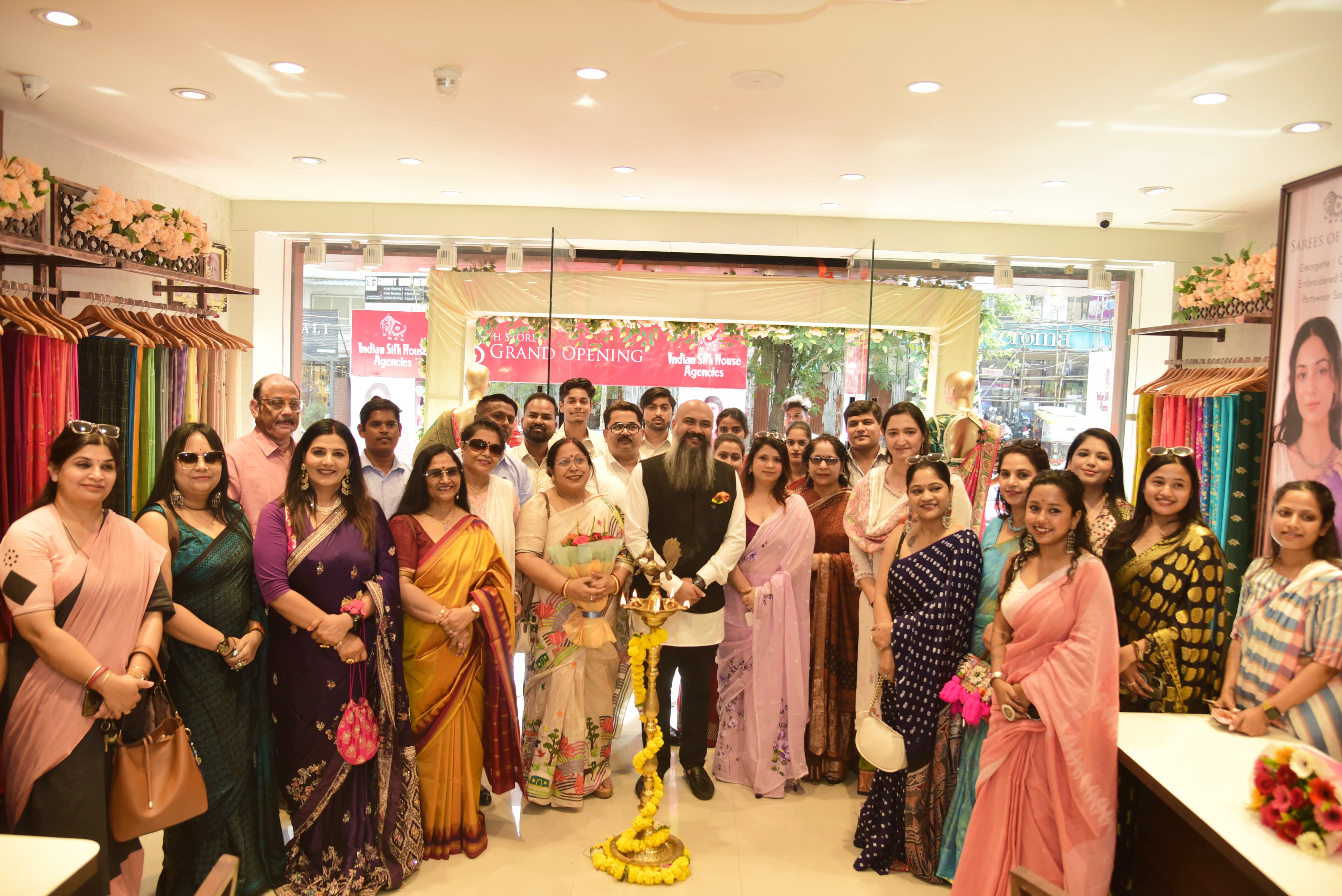
Bhopal, May 15 : Indian Silk House Agencies, East India’s most trusted saree brand with a 54-year legacy of trust and craftsmanship, has marked its entry into Madhya Pradesh’s capital with the launch of its first store in Bhopal. Located at Shop No. 1, Upper Ground Floor, E-3/52, Arera Colony, 10 No. Market, the 1,600 sq. ft. store brings the brand’s celebrated ‘Sarees of India’ proposition to one of Central India’s most culturally resonant cities, furthering its vision of taking sarees for India, far and across India.
With an existing presence in Indore, Ujjain and Jabalpur, this launch marks Indian Silk House Agencies’ fourth store in Madhya Pradesh, deepening its footprint across the state’s key cultural and commercial centres. It also represents the brand’s 68th store nationwide, underscoring its rapid expansion as it builds a trusted, national saree platform.
At its heart, the Bhopal store is a celebration of India’s textile soul. The collection brings together a rich repertoire of weaves – from Bengal’s poetic Kantha, intricate Baluchari, textured Matka and Tussar, to the timeless grandeur of South India’s Kanjivaram, Kanchipuram and Arni silks. This is further complemented by iconic traditions such as Banarasi, Katan Banarasi, Ikkat, Bandhej, Paithani, Gadwal and Uppada, alongside Madhya Pradesh’s own luminous Chanderi and Maheshwari sarees. Together, they create a living tapestry of ‘Sarees of India’, where every drape carries a story, a region, and a legacy.
Rooted in a network of over 15,000 artisans across 60+ weaving clusters, Indian Silk House Agencies continues to act as a bridge between India’s craft communities and the modern consumers, translating heritage into contemporary relevance while building trust, authenticity and access at scale.
Bhopal, a city where culture is not preserved but lived, offers a natural home for this philosophy. The store is thoughtfully designed for today’s Indian woman, one who values heritage yet embraces fluidity in expression, choosing sarees not only for occasions, but as an extension of everyday identity.
Speaking on the launch, Mr. Darshan Dudhoria, CEO, Indian Silk House Agencies, said
“The saree is one of India’s most enduring cultural identities, yet its role in everyday life is being reimagined by a new generation. At Indian Silk House Agencies, our vision is to normalise the saree for the modern Indian woman, making it as relevant to daily expression as it is to celebration. Through our platform, we are bringing ‘Sarees of India’ to women across India curating authentic weaves, building trust at scale, and making them accessible in a contemporary retail environment. With our first store in Bhopal, we are continuing this journey of taking sarees for India, to every corner far and across India, while remaining deeply committed to the artisans who define this legacy.”
With the launch of its Bhopal store, Indian Silk House Agencies continues to strengthen its footprint across the country, not merely expanding retail presence, but shaping how India discovers, trusts and experiences the saree. By bringing together regional craftsmanship, cultural storytelling and modern retail infrastructure, the brand is building what it envisions as India’s most trusted saree ecosystem.
Mumbai, May 15 : ZEE5 is set to premiere its upcoming reality show Maa Hai Na, hosted by Shilpa Shetty Kundra, a heartwarming format that brings celebrity mothers and their children together under one roof. The show captures unscripted, real moments as mother-child duos cook, argue, laugh, and reconnect through honest and emotional conversations.
Among the participants, digital entrepreneur and public personality Tanya Mittal will be seen with her mother Sunita Mittal, while actress Urvashi Dholakia will appear alongside her son Kshitij Dholakia, adding another strong and emotional mother-son dynamic to the line-up.
Tanya Mittal, Urvashi Dholakia and Kshitij Dholakia’s participation in the show marks a key milestone powered by Balaji Telefilms’ Hoonur, a dedicated and a fast-growing talent management and creator-first platform that is reshaping how modern entertainment personalities transition into mainstream media. As Hoonur talents, all the three represent different yet complementary sides of the entertainment spectrum, Tanya and Kshitij bringing a new-age digital-first, youth-driven voice, and Urvashi bringing established screen presence and depth, while reflecting Hoonur’s focus on building meaningful pathways through curated opportunities, strategic talent management, and strong brand positioning across reality, digital, and mainstream entertainment formats.
For Tanya Mittal, the experience has been both emotional and deeply personal. “No matter how independent we become, there’s always that one person we go back to for comfort and for me, that’s my mom. Maa Hai Na felt very close to my heart as it reflects real family moments, laughter, small arguments, emotional conversations, and the chaos that somehow brings you closer. It also gave my mom and me time we don’t usually get in our daily lives, and that’s something I’ll always cherish. For my mom, it’s also her first-ever reality show appearance, made possible with Hoonur’s support and guidance. I’m truly grateful to Hoonur for helping me grow beyond one space and for their constant belief in my journey,” says Tanya Mittal.
Urvashi Dholakia, who joins the show with her son Kshitij, described her experience,
“Doing Maa Hai Na with my son felt very real and special because it’s not often that life gives you the chance to pause and just be with your child in such an honest way. We laughed, we disagreed, we cooked, and somewhere in all of that, we reconnected in a way I will always remember. For me, it’s those unfiltered moments that make this experience truly beautiful. I’m also grateful that this opportunity came through Hoonur. It gave me a space to share something so personal in a very genuine way.”
Hoonur is steadily emerging as a talent-first platform that is reshaping how artists transition into mainstream entertainment by creating meaningful opportunities across reality television, digital content, and broader media formats. With a dynamic talent roster featuring names like Shiv Thakare, winner of The 50, along with Shiny Doshi and Urvashi Dholakia, who were also part of the same reality show, and now Shagun Sharma, who is set to appear in Khatron Ke Khiladi 15, the platform is consistently placing its talents in high-impact, high-visibility reality shows. Through curated collaborations, sharp positioning, and hands-on talent management, Hoonur is not just building careers but actively opening doors for artists to be seen, heard, and celebrated on some of the biggest entertainment stages.
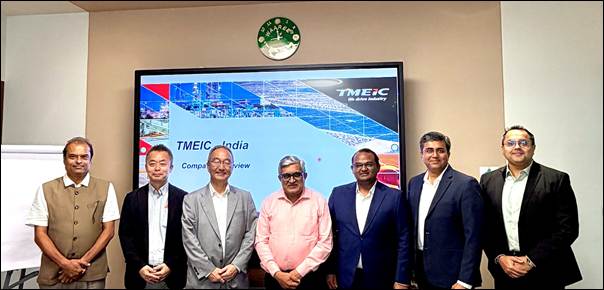
Bengaluru, India May 15: WaareeCleanEnergySolutionsPrivateLimited (WCES), a 100% subsidiary of Waaree Energies Ltd., has secured a landmarkorder to develop a multi–technologyGreenHydrogenproject at the facility of TMEICIndustrialSystemsIndia Pvt. Ltd. in Tumkur, Karnataka.
The project will deliver an integrated GreenHydrogen ecosystem covering production, storage, and utilization within a single site. WCES will deploy a hybrid system using both PEM and Alkaline electrolysers, enabling flexible and efficient operations through centralized automation.
The scope also includes hydrogen compression, storage, and a high-pressure refuelling station, along with an EV charging unit powered by hydrogen fuel cells-demonstrating combined hydrogen and electric mobility applications. WCES will handle end-to-end execution, including engineering, procurement, commissioning, and five years of operations and maintenance.
Commenting on the development, Anuj Sharma, CEO, WCES, said: “This project reflects our commitment to building scalable, future-ready greenhydrogensolutions and advancing India’s cleanenergy transition.”
This initiative aligns with India’s National GreenHydrogen Mission and is expected to serve as a scalable model for future deployments in the country.
Crypto asset service providers (CASPs) have long served as the backbone of the virtual digital asset ecosystem. They operate as marketplaces where users buy, sell, and trade crypto assets. But a recent paper by the Bank for International Settlements (BIS) argues that the world’s largest CASPs have evolved well beyond that role. Today, the BIS finds, these platforms perform functions that closely resemble those of traditional financial intermediaries like banks and credit institutions. The BIS refers to such platforms as multifunction cryptoasset intermediaries, or MCIs. It also argues that understanding what they do, and how they do it, has direct implications for how they should be governed.
For instance, most MCIs offer users access to “earn programmes”. In earn programmes, customers deposit their idle assets with MCI’s in exchange for monetary returns. Customers transfer ownership of their crypto asset, for instance, a unit of a token, to the MCI for a set period of time. In exchange, the MCI promises to return the deposited asset with additional returns. The MCI then lends the crypto asset to borrowers, and returns a portion of the earnings they make back to the original customer. Regardless of how the MCI’s investment ultimately performs, the customer is contractually owed their unit of a token, or an equivalent amount, back.
MCIs are, in effect, doing what banks do. They are taking the customer’s funds and putting them to work. However, when banks enter and execute similar arrangements, they do so with strict rules and guidelines that ultimately protect consumers and their assets. For MCI’s however, no such guardrails are presently mandated by regulations.
The paper is careful not to frame MCIs as bad actors. The dynamics it describes arise from MCIs’ business model, not necessarily from intent. But it is equally clear that the regulatory architecture has not kept pace. As of 2025, only 11 of the jurisdictions surveyed by the FSB had a finalised regulatory framework addressing risks from crypto activities. Among those, only two covered MCI borrowing and lending activities.
If MCIs are to continue such functions, the BIS paper advocates a mix of entity-based and activity-based regulation. Entity-based regulation means that the MCI as a whole is subject to oversight, much like a bank is regulated as an institution rather than product by product. This would include requirements that are calibrated to the unique risks posed by each MCI’s business model and the broader cryptoasset market. Activity-based regulation would further impose leverage limits, customer asset safeguards and similar guardrails. Robust governance frameworks, stress testing, and consolidated supervision are equally essential.
As MCIs deepen their links with traditional finance through exchange-traded products, custody arrangements and institutional partnerships, disruptions at a major platform may carry growing potential for broader spillovers. The paper does not argue that MCIs should not exist, or that their role is inherently problematic. It argues, instead, that a role of this scale should not remain outside the regulatory perimeter.
BUFFALO, N.Y., May 02: Worldwide, more than a million breast cancer patients have been treated with cyclin-dependent kinase 4/6 (CDK4/6) inhibitors, which slow or stop the uncontrolled multiplication of cancer cells. Researchers see untapped potential in those targeted therapies, which can dramatically extend progression-free survival the time before the disease grows worse and overall survival, even in metastatic disease. Could those benefits be extended to patients with other types of cancer?
The latest advances in the rapidly evolving field of CDK inhibitors are newly reported in a research review in Nature Reviews Drug Discovery, co-authored by three investigators from Roswell Park Comprehensive Cancer Center whose collective expertise spans both the laboratory and clinic: Erik Knudsen, PhD, Chair of Molecular and Cellular Biology and Senior Vice President and Associate Director for Basic Science; Agnieszka Witkiewicz, MD, Professor of Oncology and Personalized Medicine; and Sheheryar Kabraji, BMBCh, Chief of Breast Medicine.
Marketed under the brand names Ibrance, Kisqali and Verzenio, CDK4/6 inhibitors were first approved by the FDA more than a decade ago for the treatment of the two most common breast cancer subtypes, HR+ and HER2-. They interfere with the overactive CDK proteins that enable cancer cells to multiply rapidly.
“Since unrestrained proliferation is a defining hallmark of cancer, there is hope that new CDK inhibitors and related therapeutic strategies could have a broad impact on the treatment of other cancers moving forward,” says Dr. Knudsen. But despite extensive research, these drugs are FDA-approved only as treatment for certain forms of breast cancer.
The authors present an overview of the progress made toward realizing the full potential of these drugs.
“Ten years after the first approvals of drugs in this category, CDK inhibition continues to provide new therapeutic options for patients with advanced cancer,” says Dr. Kabraji. “However, drug resistance and toxicity are ongoing challenges. Novel drug combinations guided by dynamic biomarkers will help us achieve more precise and effective CDK inhibition.”
The review cites recent developments contributing to that progress:
Because most tumors will eventually stop responding to CDK inhibitors, new treatments are in development that combine them with drugs targeting other treatment pathways, creating multiple roadblocks to prevent or postpone treatment resistance.
Investigators are also working to identify and evaluate new biomarkers that could better explain how tumors become treatment-resistant. This could also open the door to personalized treatment by making it possible to match a patient’s specific tumor characteristics with the most promising CDK therapies.
New CDK inhibitors are being created with the goal of improving patient outcomes. These include more-selective CDK4 inhibitors to reduce the side effects of treatment, such as low white blood cell counts, infections and gastrointestinal upsets, and CDK2 inhibitors to both reduce treatment resistance and successfully treat patients with a wider range of tumor types.
“By aligning therapeutic intervention with evolving tumor biology, the field can move beyond static treatment strategies toward a more responsive and durable model of precision oncology,” says Dr. Witkiewicz, highlighting further opportunities for progress in developing and employing these targeted treatments.
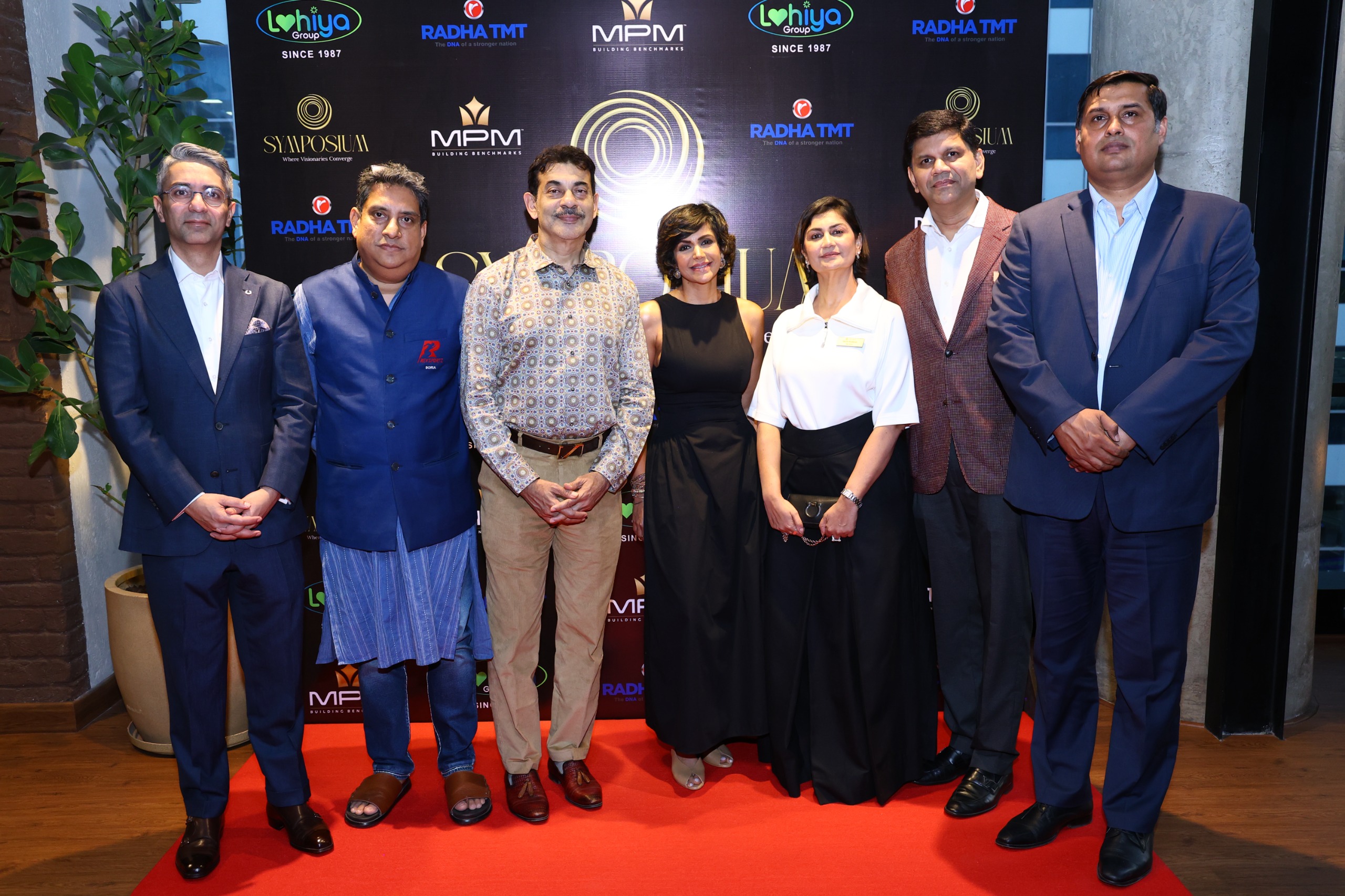
Hyderabad, May 2, 2026: Symposium, Hyderabad’s emerging platform for ideas and leadership, hosted its second flagship session, “Beyond the Game: The Business of Athletic Excellence,” at Quorum, Madhapur, Hyderabad on Thursday evening, bringing together some of India’s most respected voices from sport, public policy, administration, media, and industry for an evening of high-level discussion and exchange.
Founded by Mr Girish Mallpani and co-founded by Sri Jayesh Ranjan IAS, Symposium is envisioned as a recurring intellectual forum where leaders from government, business, academia, and public life engage in meaningful cross-domain dialogue on issues shaping India’s future.
The session featured an accomplished panel comprising: Abhinav Bindra — India’s first individual Olympic gold medallist and founder of the Abhinav Bindra Foundation; Col Nachhatar Singh Johal — CEO, Target Olympic Podium Scheme (TOPS), Sports Authority of India; Boria Majumdar — noted sports historian, author, and journalist and Mandira Bedi — actor, presenter, and advocate for sports and fitness
The discussion was moderated by Sri Jayesh Ranjan IAS, Special Chief Secretary, Government of Telangana, and co-founder of Symposium.
The evening explored what it truly takes to build world-class sporting ecosystems in India — from grassroots development and policy frameworks to institutional support, infrastructure, private investment, sports science, athlete welfare, and the growing business of sport.
Addressing the audience, Sri Jayesh Ranjan IAS highlighted Telangana’s progressive approach toward sports development, stressing the importance of allowing experts to lead athlete training, talent identification, and career planning, while governments focus on enabling infrastructure and long-term support systems.
He noted that this forward-looking model is already helping athletes prepare for life beyond their competitive years, addressing one of the most critical gaps in the sports ecosystem. He also observed that India’s sporting landscape is rapidly evolving, breaking traditional barriers of gender and access, with both government and media playing transformative roles in shaping the country’s sporting culture.
In a significant announcement during the session, Sri Jayesh Ranjan revealed that the first honorary doctorate to be conferred by the proposed Telangana Sports University would be awarded to Abhinav Bindra.
Referring to an earlier moment during the event when the emcee mistakenly addressed Bindra as “Doctor,” he remarked: “We will soon make that a reality.” He announced that whenever the first convocation of the Telangana Sports University is held, he will confer the first Honorary doctorate of Telangana Sports University on Abhinav Bindra” — Jayesh Ranjan.
Speaking about India’s Olympic ambitions, he highlighted the role of the Target Olympic Podium Scheme (TOPS), launched by the Ministry of Youth Affairs and Sports in 2014 to identify, support, and prepare India’s top athletes for Olympic and Paralympic competition.
Drawing parallels with cricket’s transformation through the IPL, he noted that the league had created a massive sports economy and professional ecosystem involving hundreds of specialists behind every franchise.
“The IPL transformed the way cricket is played and consumed. Each IPL team today functions like a large professional organisation with hundreds of people working behind the scenes. The important question now is: how do we build similar ecosystems for every other sport in the country?” he said.
Abhinav Bindra shared insights from his journey in elite sport and high-performance systems, emphasising that sport teaches lessons far beyond medals and victories.
“Sports have taught me how to respect myself,” Bindra said. Encouraging greater participation in sport across India, especially among rural youth and children, he stressed the importance of discipline, resilience, and sports as a way of life.
“The next decade will be the decade of sports. We must build sport from the grassroots. Ever since shooting began being introduced at the school level, more young people have started taking up the sport. Significant investments are now being made in sports infrastructure and athlete development,” he added.
Col Nachhatar Singh Johal reflected on India’s Olympic preparation strategy and the importance of structured talent pathways, institutional planning, and long-term investment in athlete development.
In one of the evening’s most candid observations, he remarked: “If sports are not doing well in this country, the primary culprits are the sports federations.”
Sports historian and journalist Boria Majumdar spoke about the importance of storytelling, media visibility, and commercial structures in shaping sporting culture in India.
Highlighting the challenges faced by women’s cricket, he acknowledged Mandira Bedi’s contribution in helping popularise the women’s game.
“Men’s cricket has been marketed exceptionally well. What many people consume today is not just cricket, but the spectacle around it. If audiences truly loved cricket equally across formats, women’s cricket would already be as commercially successful as the IPL,” he observed.
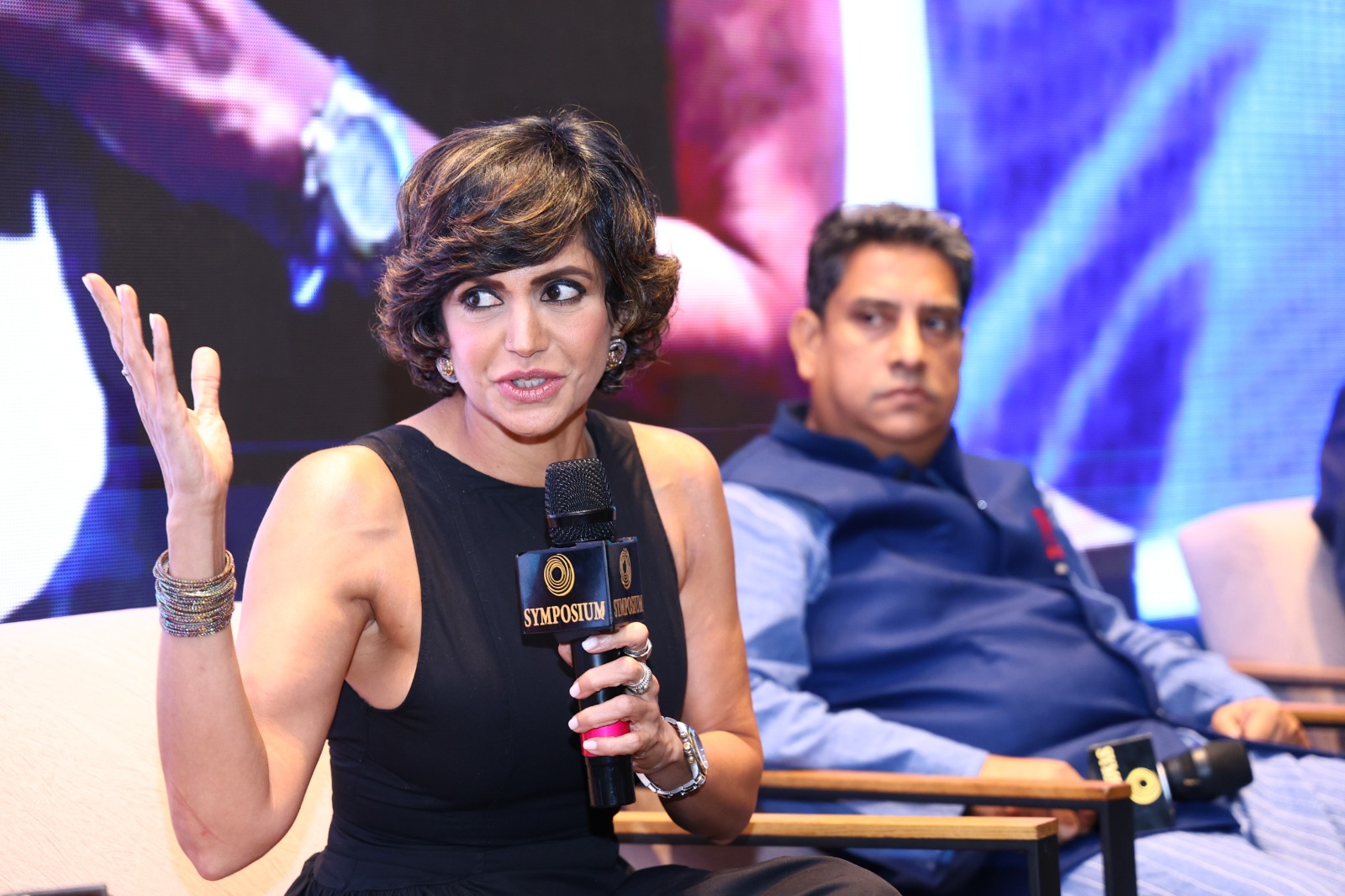
Mandira Bedi highlighted the remarkable rise of women’s sport in India, recalling how audiences had evolved from sparse stadium attendance to massive national and global viewership. She credited media coverage and sporting spectacles for creating visibility, aspiration, and wider recognition for athletes and women’s participation in sport.
Adding broader perspective to the conversation, Boria Majumdar also reflected on India’s sporting journey and the shift from celebrating isolated champions to building a more sustainable and interconnected sporting ecosystem.
In his opening remarks, Mr Girish Mallpani, Founder of Symposium and CMD of MPM Group, pointed to the meteoric rise of the Indian sports economy as evidence of the sector’s growing significance.
Referring to the dramatic rise in IPL franchise valuations — from approximately ₹400–500 crore in 2008 to well over ₹15,000 crore today — he noted that the sports ecosystem now creates value not only for athletes, but also for coaches, broadcasters, institutions, investors, sponsors, and the wider economy.
The event witnessed participation from senior bureaucrats, industry leaders, entrepreneurs, academicians, investors, policy thinkers, and members of Hyderabad’s leadership community, reinforcing Symposium’s vision of creating a high-trust platform for informed and meaningful dialogue.
Commenting on the success of the session, Mr Girish Mallpani said:
“Symposium was created with the belief that some of the most important ideas emerge when leaders from different disciplines come together in genuine conversation. This session reflected the kind of thoughtful exchange we hope to build consistently — conversations that are relevant, future-facing, and rooted in collective progress.”
Sri Jayesh Ranjan, IAS added: “India’s sporting ambitions today go far beyond medals. They are connected to policy, infrastructure, economics, youth development, and national identity. Forums like Symposium create the space for interdisciplinary thinking that is essential to shaping long-term outcomes.”
Conceived as an invitation-led platform for intellectual exchange, Symposium aims to cultivate a community committed to lifelong learning, informed leadership, and meaningful engagement across disciplines. Through curated sessions throughout the year, the forum seeks to examine themes at the intersection of policy, business, culture, technology, economy, and society.
The successful conclusion of its second session further establishes Symposium as a promising forum for serious conversation and collaborative thinking among India’s emerging and established leadership voices.
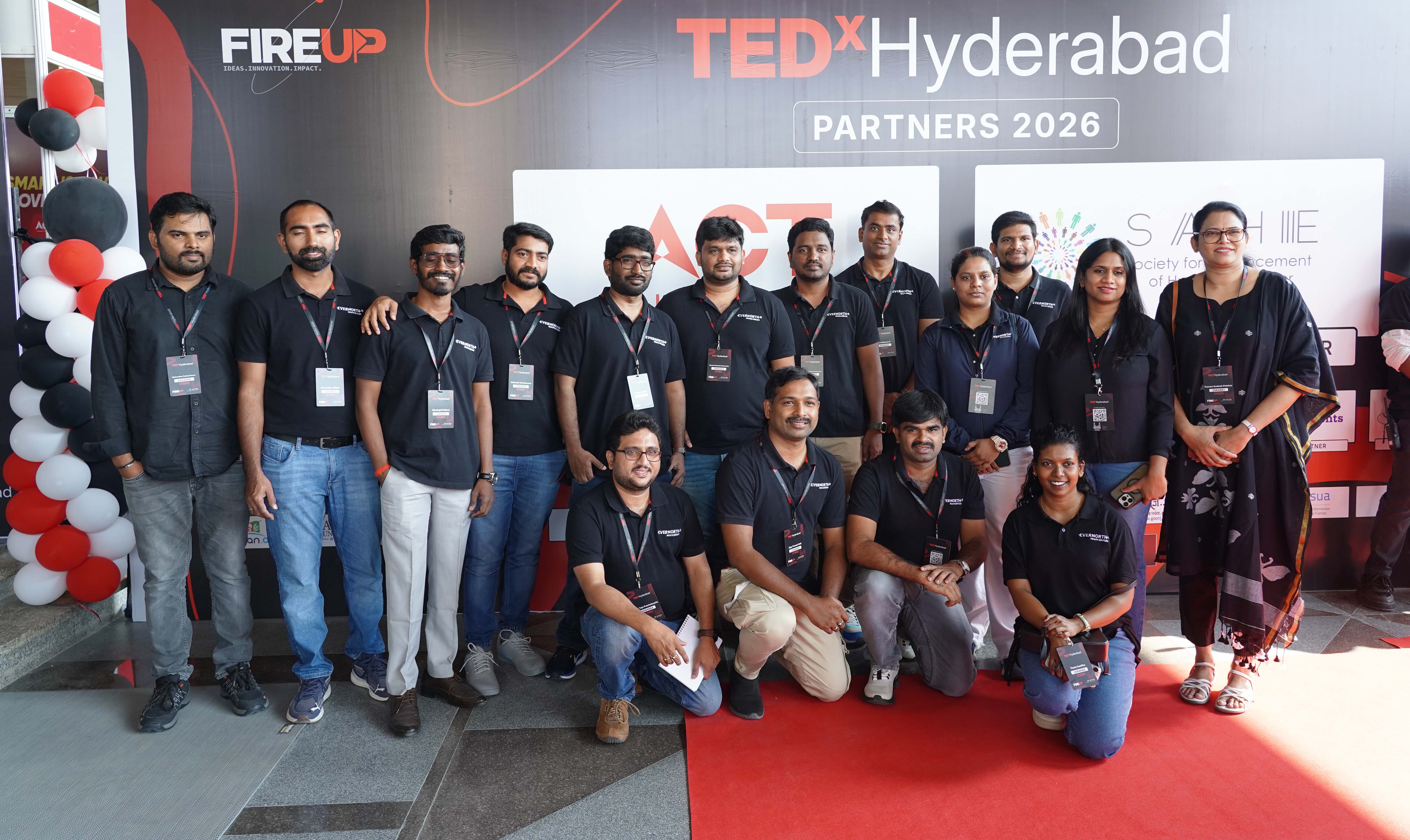
Hyderabad, Apr 19: TEDxHyderabad 2026 held on Sunday at Akshaya Convention, Vattinagulapally, near Financial District, Gandipet, Hyderabad, bringing together a powerful lineup of 14 thinkers, creators, and changemakers under the theme “FIRE-UP.” Over 1,200 attendees, including prominent personalities such as Allu Arvind, witnessed inspiring ideas and journeys. Four curated performances added vibrancy to the day-long event.
Now in its 11th year, the TEDxHyderabad community has impacted over 7,000 individuals and continues to be a platform for ideas that drive real-world change.
The event opened with a dynamic percussion performance by Vikram Venkatapuram, setting the tone for a day of powerful storytelling.
Dr. M. Subrahmanyam, founder of Sparsh Hospice, spoke on compassionate end-of-life care. “When cure is not possible, care must step in. Every soul has the right to die with dignity,” he said, highlighting how his initiative has served over 15,000 patients. He emphasized the urgent gap in palliative care, noting that while 15 lakh cancer cases emerge annually in India, less than 5% receive such care. “Death is not the failure of medicine,” he added.
Pediatrician Dr. Sivaranjani Santosh shared her eight-year legal battle against misleading ORS products. She warned against deceptive marketing practices, stating, “Misinformation in something as basic as oral rehydration can cost lives,” and called for greater public awareness and regulation.
Karate coach Ritesh Tiwari from Madhya Pradesh highlighted the power of “skill as service.” Over 25 years, he has trained more than 67,000 individuals, especially young girls, in self-defense. “I may not have wealth, but I have a skill—and I chose to give it away,” he said, urging society to value sports and confidence-building.
Uttam Kumar brought attention to the realities of deafblindness, reminding the audience that for over 500,000 Indians, this is everyday life. He emphasized that the real barrier lies in societal design, not disability, calling for inclusion with dignity.
Dr. Soma Raju spoke about innovations in medicine, including the Kalam–Raju stent, developed with Dr. A.P.J. Abdul Kalam, making cardiac care more affordable. He also highlighted the role of AI, stating, “AI is not a replacement, but a powerful second opinion,” and outlined five pillars of healthcare integration.
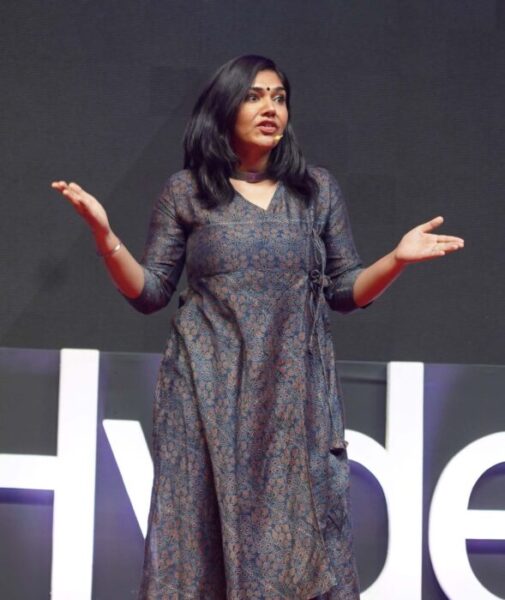
In her powerful talk, Dr. Suravi Kumar challenges the way we think about menopause—not as an ending, but as a critical turning point for brain and long-term health.
Environmental storyteller Uday Krishna captivated the audience with stories of India’s heritage trees. Having travelled over 40,000 km and helped save over 5,000 trees, he urged people to rethink how cities measure wealth. “The true wealth of a city stands quietly in its trees,” he said.
Shezzi M shared her unconventional journey from finance to radio, emphasizing courage and authenticity. “Fortune favours the brave,” she remarked.
Education innovator Pavan Goyal challenged rote learning systems, stating that 80% of students struggle with memorization. “What matters today is not what you learned, but what you built,” he said, advocating for innovation-driven education.
Cybersecurity expert Krishna Sastry Pendyala warned about the future of digital risks, emphasizing that trust in technology is critical. “The real danger isn’t technology—it’s treating cybersecurity as an afterthought,” he noted.
Srikanth Badiga spoke about dignity in death, sharing the inspiration behind Mahaprasthanam crematorium. “Cremation grounds are a mirror of society,” he said, highlighting the need for humane infrastructure.
Hemakshi Meghani, co-founder of the Indian School of Democracy, called for principled political leadership. “We don’t just need better politicians—we need deeper politicians,” she said, urging citizens to actively engage in shaping democracy.
Rajiv Chilaka, creator of Chhota Bheem, spoke about building a global animation brand from India. Quoting Netflix CEO Reed Hastings, he noted that over 27 million households outside India watched Mighty Little Bheem. “If you are afraid, don’t do it. If you do it, don’t be afraid,” he advised entrepreneurs.
The day concluded with Rajni Bakshi, who reflected on nonviolence and humane economics. “If violence is a choice, so is compassion—we must consciously choose the world we want to build,” she said.
The event also featured other captivating performances, including sitar by Ramprapanna Bhattacharya, handpan by Vikrant Dhadwal and Trilok Chander, and a fusion set by “A Sonic Voyage.”
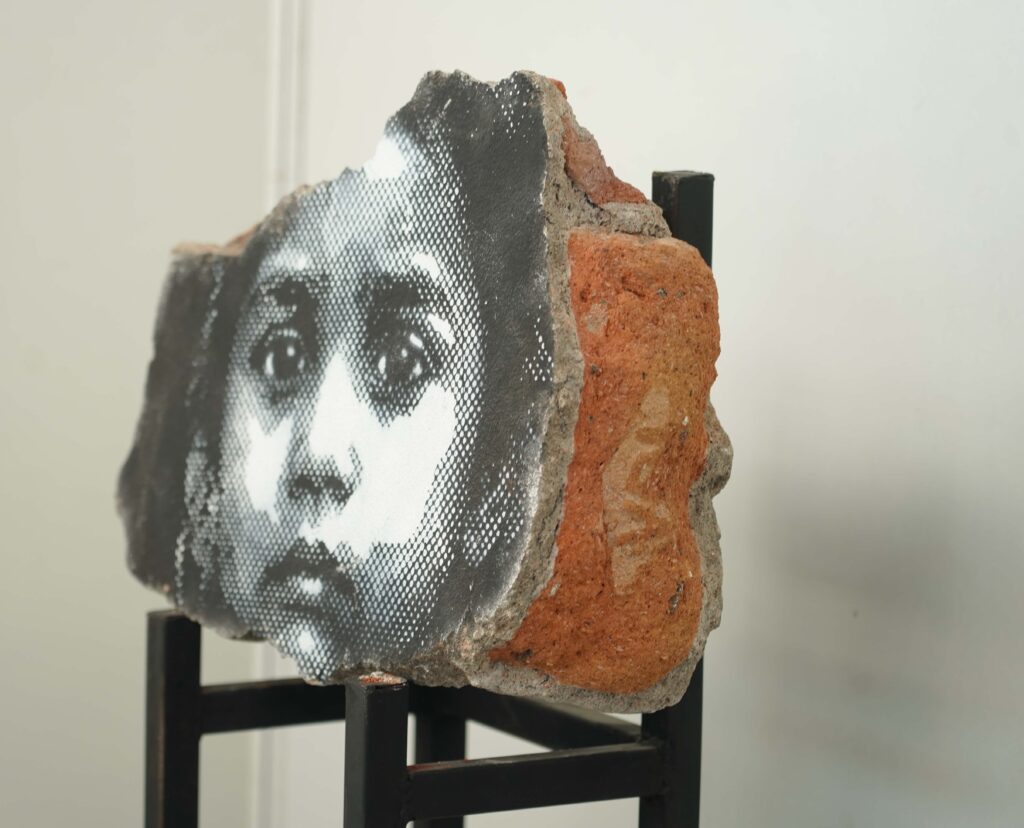
At the engagement zone, artists Swathi and Vijay drew attention with their “End Begging Mafia” campaign through evocative art on construction debris, while Navid Ahmed showcased “Planterior Design,” integrating plants into interiors, with over 240 projects completed.
Viiveck Verma, Curator & Licensee, said, “TEDxHyderabad has always been about ideas that inspire action. FIRE-UP reflects the urgency of turning ideas into impact.”
Ramesh Loganathan added, “It’s the diversity of ideas and people that creates lasting conversations beyond the stage.”
TEDxHyderabad, active since 2015, has curated 29+ events, engaged over 20,000 attendees, featured 113 speakers, and garnered over 15 million views globally.
BARCELONA, Mar 4 – SK Telecom (NYSE: SKM) today announced it has signed a three-party memorandum of understanding (MOU) with global server manufacturer Supermicro and global mechanical, electrical and plumbing (MEP) leader Schneider Electric to develop a total solution for artificial intelligence data centers (AIDC).
The agreement, signed at MWC26, aims to shorten AIDC construction timelines and help alleviate supply bottlenecks by leveraging the combined expertise of the three companies.
The companies will collaborate on a pre-fabricated modular model that integrates AI computing servers with supporting power and cooling infrastructure into a single pre-manufactured module, enabling AIDCs to be constructed in a building-block configuration.
Compared with the conventional steel-reinforced concrete (SRC) method, in which servers and infrastructure are installed sequentially after completion of the data center building, the pre-fabricated modular model offers both faster deployment and improved cost efficiency.
In addition, modules can be deployed in phases as demand grows, enhancing scalability while reducing the burden of significant upfront investments and enabling flexible responses to evolving market needs.
Under the MOU, SK Telecom will contribute its AIDC operational expertise; Supermicro will provide high-performance GPU servers optimized for customer-specific AI computing scenarios; and Schneider Electric will deliver MEP infrastructure design and construction capabilities to reliably support large-scale AI demand.
“Through collaboration with global leaders in the AIDC business, we are advancing a total solution based on a pre-fabricated modular model,” said Ha Min-yong, Head of SK Telecom’s AIDC Business. “Building on this initiative, we aim to proactively address the AIDC deployment needs of global hyper-scalers while further strengthening our cost competitiveness.”
“In the era of AI, the true measure of competitiveness lies in how fast and sustainably organizations can deliver high-performance infrastructure,” said Andrew Bradner, Senior Vice President at Schneider Electric. “Through this collaboration, we are introducing an integrated AI DC model based on a pre-fabricated modular design — empowering customers to lower carbon emissions, eliminate supply bottlenecks, and operate high-density AI workloads with greater resilience and efficiency.”
“Supermicro is excited to partner with SK Telecom to bring data centers online faster than ever before,” said Cenly Chen, Chief Growth Officer at Supermicro. “This new integrated solution will leverage Supermicro’s high-performance, GPU-optimized servers tailored to customer workloads. We look forward to helping organizations meet their growing data center needs with this latest technology.”
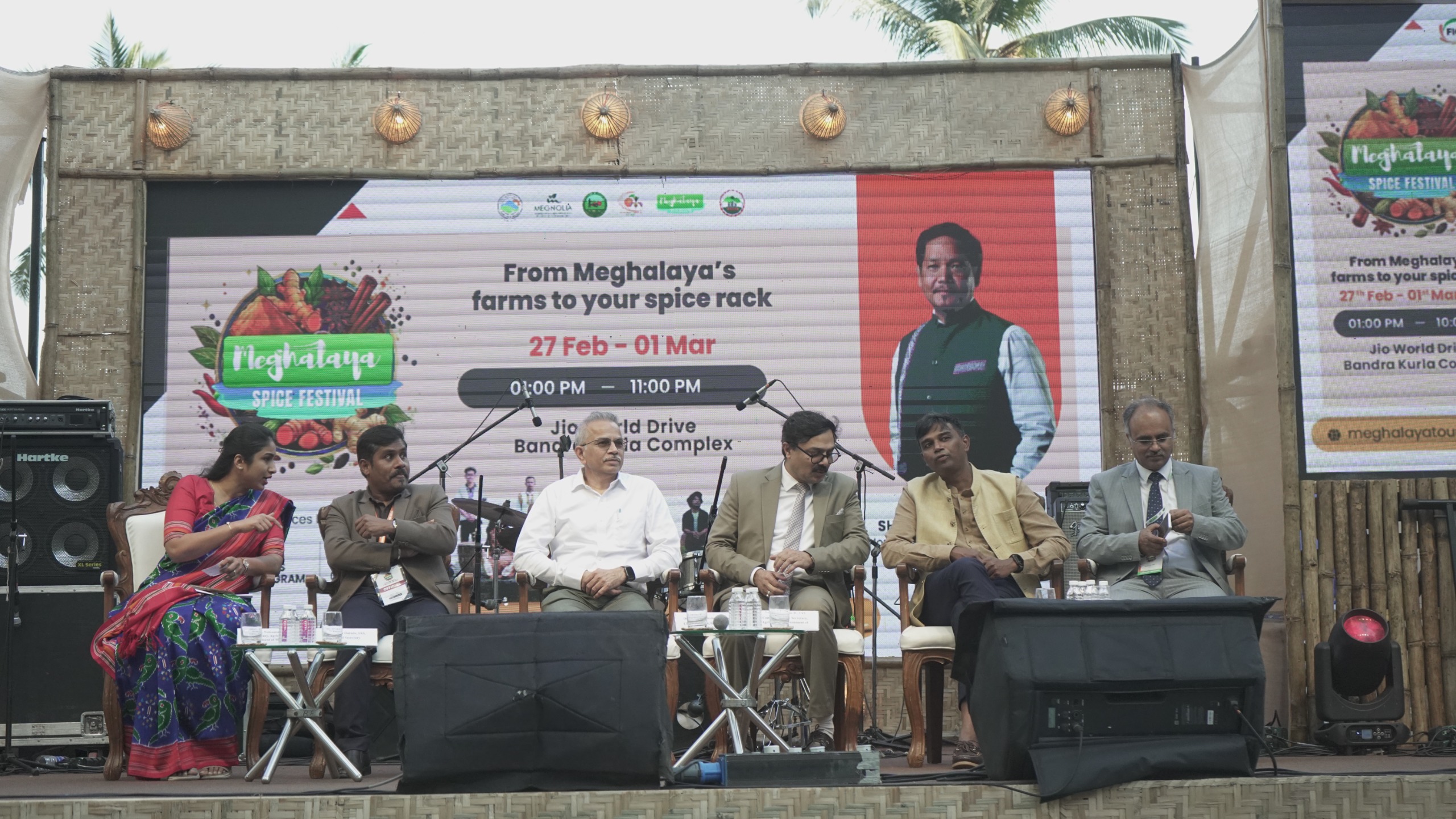
Strong footfall, active trade engagements and policy dialogue mark key day at Meghalaya Spice Festival, 2026
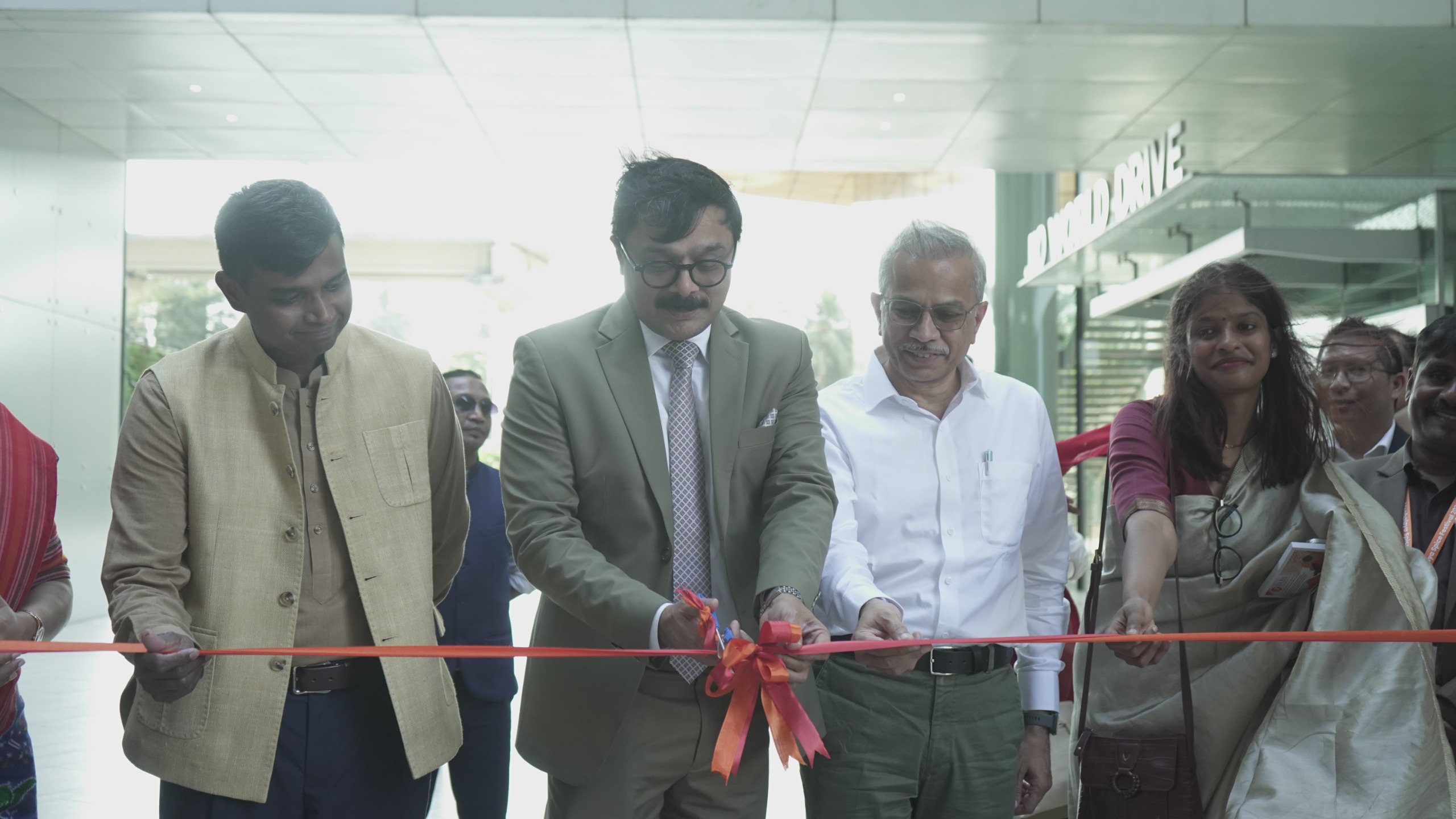
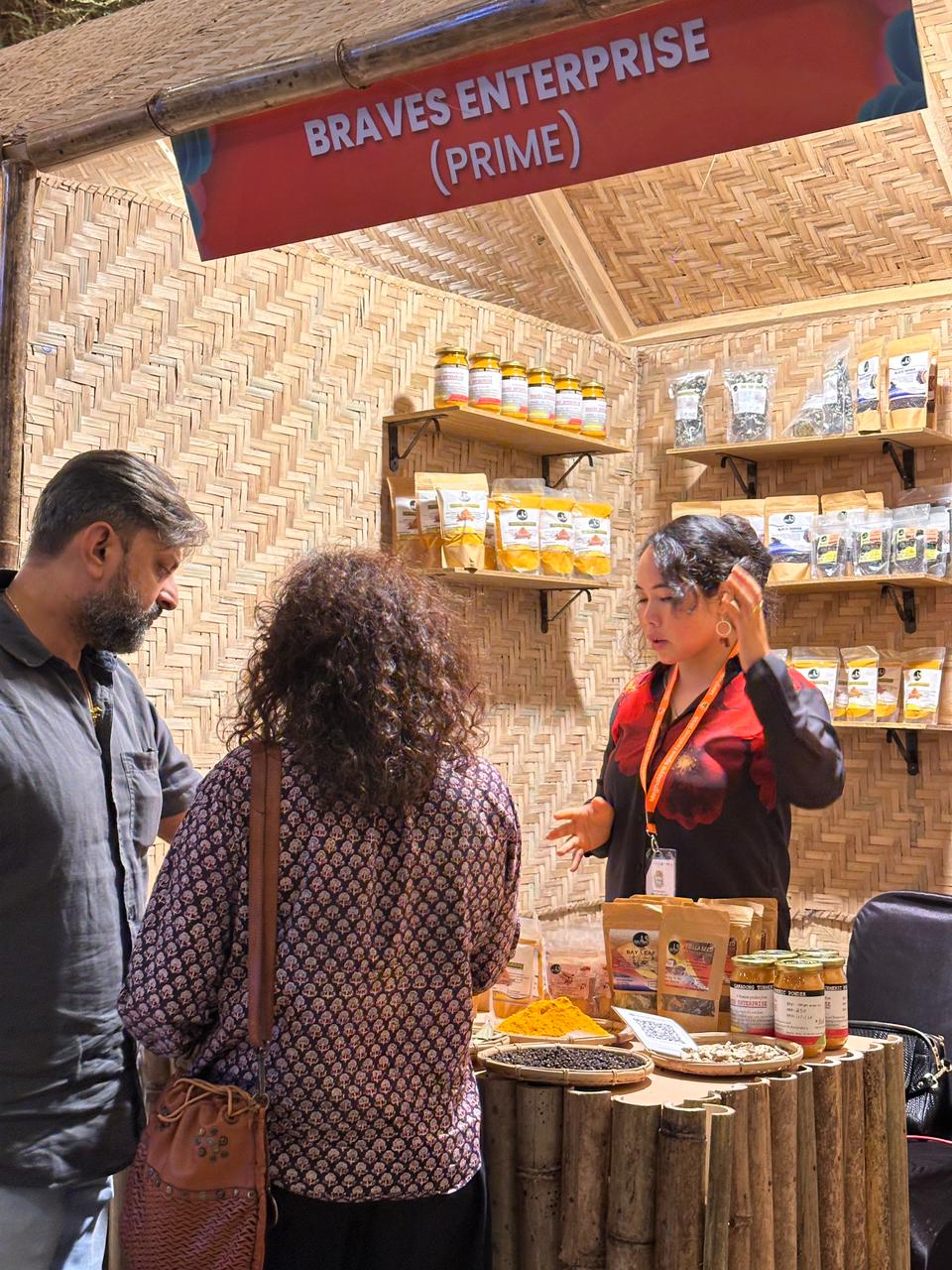
Mumbai, Mar 1: The first-ever Meghalaya Spice Festival was inaugurated today at the Jio World Drive, Bandra Kurla Complex (BKC), Mumbai, marking a significant national showcase of the State’s expanding organic spice economy. In a strong statement of intent, a 140-member delegation comprising farmers, entrepreneurs, cooperative leaders and senior officials travelled from Meghalaya to directly engage with buyers from Mumbai and beyond.
The inaugural day witnessed strong footfall, sustained buyer–seller engagement and structured B2G meetings in spices and tourism. A high-level Forum on Opportunities in Meghalaya’s Organic Spice Ecosystem set the tone for policy dialogue, while live processing demonstrations, tasting counters and curated retail displays transformed the venue into an active marketplace. Procurement discussions, export enquiries and partnership explorations continued throughout the day, signalling serious commercial interest.
The Meghalaya Spice Festival aims to amplify the national and global market outreach of Meghalaya’s premium organic spices, and the Inaugural edition itself, has started attracting buyers from Mumbai and beyond. Hosting the festival in Mumbai, India’s commercial capital, reflects Government of Meghalaya’s deliberate push to position its spices in premium domestic and international markets while ensuring that growth translates into higher incomes for farmers. The festival thus has been conceived as a strategic market-linkage platform to directly connect the State’s farmers and spice entrepreneurs with national retailers, institutional buyers and global exporters.
Dr. Shakil P. Ahammed, IAS, Chief Secretary, Government of Meghalaya, underscored the authenticity of the State’s agricultural base and urged industry stakeholders to engage directly with producers. “You come and interact with our entrepreneurs and farmers- you realise what authenticity is, what sincerity is, what quality is.” He further added, “Fundamentally, our farmers respect nature, they want to protect nature; that’s why we have the cleanest of the rivers, cleanest of the villages, and cleanest of the leadership.”
Dr. Vijay Kumar D., IAS, Commissioner & Secretary, Agriculture & Farmers’ Welfare Department, Government of Meghalaya highlighted the State’s expanding market footprint. Meghalaya’s turmeric, he noted, is already reaching domestic markets as well as markets in America, the Middle East and Europe, with ginger exports to Singapore this year. Emphasising sustainable partnerships, he stated, “We want to find buyers who believe in sustainable agriculture. We want buyers who take our products to the right markets and give the right price to our farmers.”
Referring to the scale of participation, he asserted, “We have the best turmeric in the world. Wherever we go, this is a story we take.” He also informed that the State’s largest spice-processing unit is set to be inaugurated in the coming months, strengthening value addition and market readiness.
Smti. N. Bhavani Sri, IAS, Secretary, National Turmeric Board, described the festival as a structured effort to harness the North-East’s agri-ecosystem through farmer collectivisation, standardised branding and improved post-harvest systems. Referring to the buyer–seller meet held in Shillong, following the Board’s inauguration, she noted that several exporters have since begun sourcing Lakadong turmeric from Meghalaya, including firms engaged in high-value curcumin extract and turmeric oil. She emphasised that Meghalaya is well positioned to meet organic standards and tap the growing global wellness market.
Blending commerce with culture, curated performances under the Chief Minister’s Meghalaya Grassroots Music Programme (CM-MGMP) added a distinctive cultural dimension to the festival, showcasing the State’s creative economy alongside its agricultural strengths in the heart of Mumbai.
The festival reflects a broader agricultural transformation underway in the State. Agriculture’s contribution to Meghalaya’s Gross State Domestic Product has more than doubled over the past six years, from ₹5,977.91 crore in 2018–19 to ₹12,332.26 crore in 2024–25, driven by high-value crops and market-linked value chains.
GI-tagged Lakadong turmeric, recognised for its 7–12 per cent curcumin content, anchors this growth. Under the Lakadong Mission, cultivation has expanded to 2,190 hectares, supported by over 20 processing units benefiting more than 13,000 farmers. Ginger and black pepper production have also risen significantly, with over 420 metric tonnes of spices traded across domestic and export markets between 2022 and 2025.
At the core of this expanding spice economy lies the vision of Hon’ble Chief Minister Shri Conrad K. Sangma, under whose leadership Meghalaya has emerged as one of the fastest-growing States in the country. As Meghalaya works towards becoming a USD 16 billion economy by 2032, spices, tourism and the creative sector are being positioned as integrated drivers of inclusive growth.
The Meghalaya Spice Festival continues at Jio World Drive from 1 PM to 10 PM until March 1, inviting industry stakeholders, retailers and consumers to experience the scale, quality and global ambition of Meghalaya’s organic spice ecosystem.
Dignitaries in attendance include Dr. Shakil P. Ahammed, IAS, Chief Secretary, Government of Meghalaya; Shri Vikas Chandra Rastogi, Additional Chief Secretary, Agriculture Department, Government of Maharashtra; Dr. Vijay Kumar D., IAS, Commissioner & Secretary, Agriculture & Farmers’ Welfare Department, Government of Meghalaya; Smti. N. Bhavani Sri, IAS, Secretary, National Turmeric Board; Shri R. Nainamalai, IFS, Secretary, Agriculture & Farmers’ Welfare Department, Government of Meghalaya; and Shri Biswajit Chakrabarty, Assistant Secretary General, FICCI, among other distinguished officials and stakeholders.