Tag: Square Feet Group

RBI Monetary Policy February – Reaction from Real Estate Industry Leaders

Keval Valambhia COO CREDAI MCHI

Keval Valambhia COO CREDAI MCHI

Ensuring stability in interest rates holds profound implications for both the residential and commercial real estate domains. Keeping the Repo rates low will foster an environment of financial accessibility through consistently low borrowing costs. Stable interest rates serve as a pivotal catalyst for driving heightened interest and investment in properties across both sectors. This, in effect, generates a ripple effect of increased demand, thereby injecting vitality into the real estate industry and also to economy at large. Amidst the intricacies of economic fluctuations and market uncertainties, the imperative of prioritizing affordable housing cannot be overstated.”
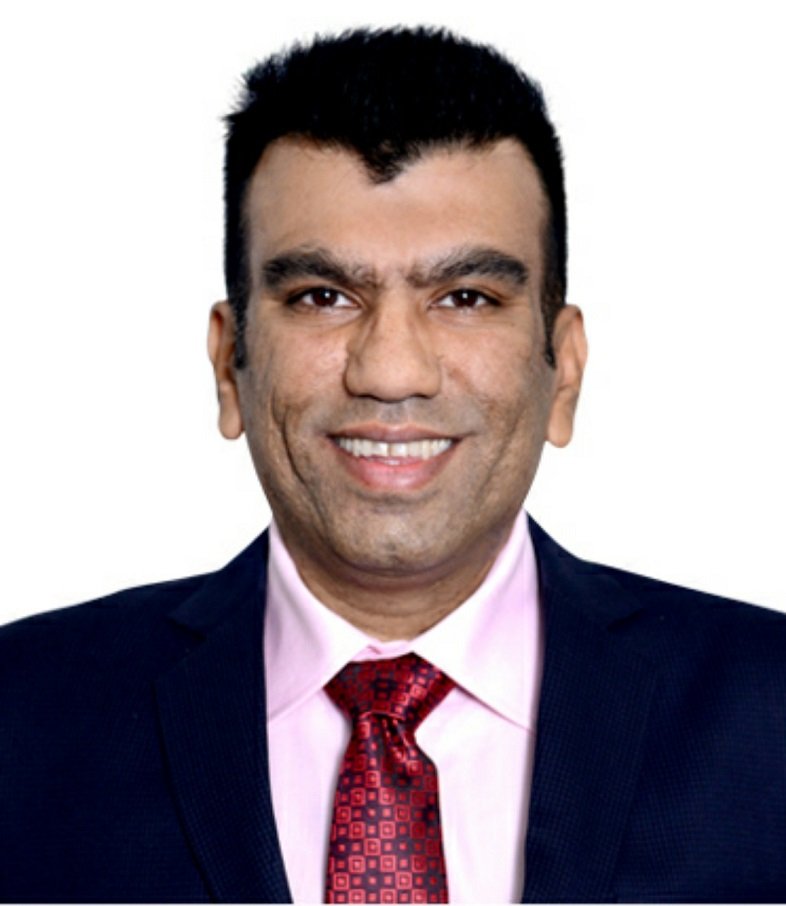
Sachin Marani, Director - Square Feet Group, Secretary - CREDAI MCHI - Thane

Sachin Marani, Director – Square Feet Group, Secretary – CREDAI MCHI – Thane

“We are pleased that the RBI has decided to maintain the REPO rates unchanged, considering that inflation remains above the 4 per cent target. The market had anticipated that the RBI would maintain the status quo on its policy stance in this monetary policy. The current GDP projection for FY24 is 7.0%, indicating a robust Indian economy. The repo rate has been held at 6.5% for five consecutive meetings, and there is speculation that policy rate cuts may commence from June or August onwards.

The interim budget focused on maintaining fiscal discipline with no major new spending announcements, suggesting less pressure on the RBI to hike rates to control inflation. This decision will be a relief for homebuyers, especially in the affordable segment where the market is getting stabilized after a period of instability. There is a growing demand for real estate amongst millennials especially in emerging markets like Thane, Navi Mumbai, and Panvel where the real estate prices are still rational and reachable.

The millennials are looking more than carpet and structure, they want a lifestyle, facilities, plug-and-play solutions in housing and they want to buy properties from reputable developers. The only thing that is stopping or perhaps delaying their home buying decisions is the anticipation that interest rates will come down in the next few months. As a developer, we are also optimistic that the RBI will consider reducing the REPO rates in the upcoming monetary policy, which will greatly relieve homebuyers and particularly bring more young home buyers into the real estate fold.

Vihang Sarnaik, Director, Vihang Group low res

Vihang Sarnaik, Director, Vihang Group

We’re pleased with the RBI’s decision to maintain the status quo on REPO, especially given the ongoing inflation above the 4 per cent target. It aligns with market expectations, indicating a sense of stability in the current monetary policy. As a leading developer catering the middle-class housing aspirations, this will keep the housing demand intact.

The decision to keep the repo rate intact will help developers like us who catering the middle-class aspiration of owning a home. It will help to continue the current momentum in real estate sales as even a 0.25 BPS increase would have impacted the home-buying sentiments in this segment.

We have anticipated that there won’t be a major change in the repo rates so we have secured a monumental approval for a staggering 3 million square feet commencement certificate from TMC to deliver quality housing in the price bracket of Rs60 to Rs 90 Lakhs to cater to this aspirational middle class.

Looking ahead, we’re optimistic that the RBI will consider reducing the REPO rates in the upcoming monetary policy, providing much-needed relief to the working and salaried class in owning a home.

Nikunj Sanghvi, Managing Director - Veena Group, Treasurer- CREDAI-MCHI

Nikunj Sanghavi, Managing Director – Veena Developers, Treasurer – CREDAI MCHI

“The decision to uphold the current repo rate is a welcome move in the face of a challenging economic environment world wide, showcasing a judicious approach to balancing diverse sectoral needs, including real estate. Recognizing the intricate dynamics in transmitting repo rate adjustments to lending rates, this decision provides a glimmer of positivity that holds the potential to invigorate buyer sentiments. Nevertheless, as an industry, we maintain vigilance, considering the cumulative impact of recent rate hikes on demand, especially in the affordable and middle-income segments. Emphasizing the broader economic interest and the housing industry’s well-being, we advocate for a future reduction in the repo rate by the RBI.

Budget Expectation from Vihang Group, Square Feet Group, Veena Group and Bhairaav Group

Vihang Sarnaik, Director, Vihang Group

Budget Expectation Spokesperson – Vihang Sarnaik, Director, Vihang Group

“A critical facet of my expectation from the Budget is the re-evaluation of affordable housing criteria. I expect the Honourable Finance Minister will find some merit in establishing a separate affordable housing index for each Tier-1 and Tier-2 cities with impetus to the housing affordability of the Metro Cities Periphery.

It is crucial to incorporate essential factors such as inflation, land cost, construction cost, approval cost, and labour cost for defining affordability in housing.

For instance, in the case of Mumbai, where housing costs are notably high, we hope that the Budget will increase the price ceiling of affordable housing from ₹45 lakhs to ₹90 lakhs so that the whole affordable scheme benefits reach its intended audience.

As per the current affordable housing scheme, the limit is set at ₹45 lakhs and you will not find a single home in Mumbai in that price bracket. So, the scope of availing the full benefit of credit link subsidy under PMAY is non-existent in Mumbai.

According to me, the Government should redefine affordable housing and extend the Credit Linked Subsidy Scheme (CLSS) and Pradhan Mantri Awas Yojana (PMAY) to a larger audience as per the existing real estate prices prevalent in the city and not make it centralised. I think such a move will empower the unorganised sections and salaried professionals to fulfil their dream of owning a home in a city like Mumbai.”

Budget Expectation Sachin Marani, Director – Square Feet Group, Secretary – CREDAI MCHI – Thane

“As we stand on the cusp of a new budget coupled with a promising urban housing scheme, the potential for transformation looms large, particularly for families inhabiting rented homes, slums, chawls, and unauthorized colonies within cities. These financial initiatives carry the promise of a substantial impact, especially in bustling metropolises like Mumbai, where nearly 30% of the population resides in unorganized housing.

In the throes of an election year, the hopeful expectation is that the budget will hone in on fostering home ownership among marginalized and organized segments of society. A critical focal point emerges—the formidable challenge faced by those in unorganized housing, particularly the hurdle of securing loans due to the lack of clear documents such as Form 16. An astonishing 90% of individuals in these housing arrangements presently find themselves excluded from home loan eligibility due to paperwork constraints.

As the year 2024 unfolds as an election year, the anticipatory gaze turns towards the budget potentially addressing this pressing issue. The hope is for the formulation of measures involving guarantees and assurances to banks, accompanied by favorable adjustments in interest rates and loan terms.

Nikunj Sanghvi, Managing Director - Veena Group, Treasurer- CREDAI-MCHI

Budget Expectation Nikunj Sanghvi, Managing Director – Veena Group, Treasurer- CREDAI-MCHI

In the context of the upcoming budget and the proposed housing loan scheme, addressing gender disparities in property ownership emerges as a pivotal aspect deserving attention. With a stark 3% ownership rate among women compared to men in India, it is imperative for the Government to consider targeted measures in this budget.

An optimistic expectation is the introduction of tax benefit schemes exclusively designed for working women. Envisioning a tax saving scheme offering up to ₹3 lakh on the principal amount for their initial home purchase. Such an initiative not only serves as an incentive for property ownership but also contributes significantly to fostering gender equality and empowering women financially.

The government should also offer additional 1 or 2 percent interest waiver for women under the new credit-linked housing loan scheme.

The tax benefit combined with interest waiver is poised to be a compelling catalyst, further attracting women to invest in real estate. Moreover, a potential exception to the section 24(b) cap of ₹2 lakh on interest paid by first-time female homebuyers would not only encourage their entry into the real estate market but also pave the way for greater financial independence among women in our society.

Madan Jain, Chairman of the Bhairaav Group and President of CREDAI-MCHI Navi Mumbai

Budget Expectation Madan Jain, Chairman of the Bhairaav Group and President of CREDAI-MCHI Navi Mumbai

“In anticipation of a pivotal general election, the interim budget holds the potential to make significant strides in fostering economic inclusivity, with a focus on tax exemptions for home purchases. A key expectation is the introduction of a tax exemption up to Rs 5 Lakhs, encompassing Rs. 2 Lakhs on the Principal Loan Amount and Rs. 3 Lakhs on Home Loan Interest.

This proposed fiscal measure, coupled with the government’s commitment to a credit-linked home loan subsidy, underscores a dedicated effort to alleviate financial burdens for the salaried middle class. The envisaged synergy between tax reforms and a targeted approach to affordable housing not only promises to invigorate the real estate sector but also aims to enhance financial inclusivity by broadening access to home ownership opportunities.

The transformative potential of such initiatives aligns seamlessly with the overarching goal of creating a more equitable society. This will mark as a progressive stride in economic policies, signaling the government’s dedication to relieving financial pressures and nurturing an inclusive economic environment.