Category: Health

Simplify Genomics and SimonMed Announce Collaboration to Advance Preventive Healthcare Through Integrated Genomics and Imaging

Combining whole genome interpretation with large-scale whole-body MRI to enable a more comprehensive view of human health 

San Diego, CA — June 30, 2026 — Simplify Genomics today announced a collaboration with SimonMed aimed at advancing a more integrated approach to preventive healthcare. By combining SimonMed’s national scale in whole-body MRI with Simplify’s Whole Genome Interpretation and Reporting Platform, the collaboration seeks to provide a more complete picture of human health— helping identify risk earlier, personalize care pathways, and support more proactive health decisions. Across both imaging and genomics, there is growing evidence that early indicators associated with disease may be identified well before they surface in traditional care pathways. Together, these modalities offer complementary perspectives: genomics can provide insight into underlying disease risk, while imaging can help identify existing structural or physiological changes. 

Simplify Genomics has spent years developing and refining its clinical reporting platform as a CAP/CLIA-certified laboratory and has processed in excess of 50,000 whole genomes to date. The platform includes thousands of disease associations and a broad set of pharmacogenomic insights, designed to support clinical interpretation and integration within real-world care settings. 

Paired with SimonMed’s leadership in accessible, AI-enhanced imaging at national scale—including a network of more than 175 imaging centers across the United States —the collaboration creates an opportunity to explore patterns and connections that may not be visible through any single modality alone, supporting earlier insight and helping to inform clinical decision-making. 

“This collaboration reflects a shared vision for the future of healthcare—one that is more proactive, data-driven, and personalized,” said Travis Lacey, CEO of Simplify Genomics. 

“We believe the future of healthcare lies in making advanced preventive insights more accessible and actionable,” said John Simon, CEO of SimonMed. “By combining imaging and genomics, we have an opportunity to help patients and providers better understand health risk earlier and with greater clarity.” The collaboration is progressing rapidly, with additional updates expected in the near future. 
JP Nadda launches WhatsApp-based Ayushman Sarathi chatbot, unified drug registry

June 29: Union Health Minister J.P. Nadda has launched the Ayushman Sarathi WhatsApp chatbot along with a Unified Drug Registry to make healthcare services more accessible and digitally connected.

The WhatsApp chatbot will help citizens easily access information about government health schemes, hospital services, eligibility, and other health-related queries in a simple and quick way.

The Unified Drug Registry will act as a central digital system to track medicines and improve their availability, monitoring, and regulation across the healthcare system.

Officials said the initiative aims to make healthcare services more transparent, efficient, and citizen-friendly by using widely accessible digital platforms.

Govt invites proposals to cut import dependence in medical devices

June 29: The government has invited proposals from industry, startups, academic institutions, research organisations, and innovators to reduce India’s dependence on imported medical devices and strengthen the country’s domestic manufacturing ecosystem.

The initiative aims to identify practical solutions that can accelerate indigenous production, promote innovation, and address critical technology gaps in the medical devices sector. It seeks to encourage the development of high-quality, affordable medical equipment that can meet India’s growing healthcare needs while reducing reliance on overseas suppliers.

Officials said the proposals will help shape policies and support mechanisms to strengthen research and development, encourage investment in advanced manufacturing, and foster collaboration between industry, academia, and government. The move is also expected to improve supply chain resilience, enhance India’s competitiveness in the global medical devices market, and create new opportunities for startups and manufacturers.

The initiative forms part of the government’s broader vision of building a self-reliant healthcare ecosystem under the Atmanirbhar Bharat initiative, ensuring reliable access to critical medical technologies while positioning India as a global hub for medical device innovation and manufacturing.

New laboratory tool opens door to better treatments for rare and deadly melanomas

Researchers have created a powerful new cellular model to study rare tumours that are resistant to immunotherapies. The tool could change how therapies are developed for aggressive melanomas that currently have almost no effective treatment options. 
 

A research team at the University of Turku in Finland have developed a reliable laboratory model to study BAP1-deficient melanomas, which are a rare type of melanoma that evade the immune system once they have metastasized and are universally resistant to current state-of-the-art immunotherapies.

Metastatic BAP1-deficient melanoma is the most common intraocular malignancy in adults, but it remains rare and extremely difficult to treat once it spreads. When the disease reaches the liver, as it does in roughly half of patients, median survival is measured in months. Unlike common melanomas, BAP1-deficient melanomas do not respond to the immune checkpoint therapies that have transformed cancer care over the past decade.

The key driver behind the tumour’s immune evasion is the loss of a gene called BAP1 (BRCA1-associated protein 1). When BAP1 is lost, tumours become more aggressive, grow faster, and suppress the immune cells that would otherwise attack them. BAP1 loss is the most important molecular event in uveal melanoma progression, and it also plays a role in mesothelioma, renal cell carcinoma, and other cancers.

However, scientists have been unable to study the consequences of BAP1 loss properly in the laboratory, because no suitable immune-competent model existed.

Gene editing solved the missing puzzle piece

To address the issue, the research team used CRISPR-Cas9 gene editing to delete BAP1 from normal melanocyte cells, creating a new pre-clinical tumour model that behaves like human BAP1-deficient melanoma in an animal with a fully functioning immune system.

“BAP1 loss is associated with poor prognosis and resistance to immunotherapy in melanoma. Until now, there has been no preclinical model that faithfully reproduces the tumour–immune interactions seen in patients. Our model fills this gap, for the first time, by recapitulating the human tumour immune microenvironment in vivo. This provides a powerful platform to study how BAP1 loss drives immune evasion and to test novel immunotherapy combinations that may overcome treatment resistance,” explains lead researcher of the study, Dr Mona Wang Meng from the University of Turku.

The absence of a proper laboratory model has been one of the biggest bottlenecks slowing down drug development for BAP1-deficient melanoma and related rare tumours. Previous models either lacked a functional immune system, making them useless for immunotherapy studies, or carry too many confounding mutations that obscure the specific role of BAP1.

“The implications go well beyond melanoma. BAP1 loss is a shared vulnerability across several hard-to-treat cancers. This platform allows us, and research groups worldwide, to rationally design and test new immunotherapy combinations — something that simply was not possible before,” says Dr Carlos R. Figueiredo, the Principal Investigator of the study.

The study was published in the journal Communications Biology. It is part of the broader research programme of MIORG within the InFLAMES Research Flagship at the University of Turku, which focuses on harnessing the immune system to fight cancer. 


Centre to launch Aarogya Setu 2.0 to boost digital healthcare access

New Delhi, June 2026: The Government of India is set to launch Aarogya Setu 2.0, along with a series of new digital health initiatives aimed at strengthening inclusive and accessible healthcare across the country.

The upgraded platform will focus on providing citizens with enhanced health tracking, real-time medical alerts, telemedicine support, and improved integration with government health services. Officials said the new version will be more user-friendly, secure, and connected with India’s expanding digital health ecosystem.

Alongside Aarogya Setu 2.0, the government is also rolling out additional digital initiatives designed to improve health data management, early disease detection, and access to healthcare services in rural and underserved areas.

Health authorities stated that these initiatives are part of a broader mission to build a digitally empowered and inclusive healthcare system, ensuring better reach, faster response, and improved public health outcomes.

The launch is expected to significantly strengthen India’s digital health infrastructure and support the goal of universal healthcare access.

CM Vijay to Launch Statewide Pulse Polio Campaign in Tamil Nadu

Chennai, June 27: Chief Minister Vijay will launch a statewide Pulse Polio Immunization Campaign in Tamil Nadu on Sunday, reinforcing the government’s commitment to sustaining polio-free status and strengthening child health initiatives across the state.

The campaign aims to ensure 100% immunization coverage for children under the age of five through widespread vaccination drives at hospitals, primary health centres, schools, and designated booths across all districts.

State health officials have made extensive preparations, including setting up immunization booths, mobilizing healthcare workers, and coordinating with local administration to ensure smooth implementation of the drive. Awareness campaigns have also been intensified to encourage maximum participation from parents and guardians.

The Pulse Polio initiative remains a critical public health program, focusing on preventing the re-emergence of poliovirus and maintaining high levels of community immunity. The state government continues to prioritize child health and preventive healthcare through regular immunization efforts.

The Chief Minister’s participation in the launch event underscores the administration’s focus on strengthening public health infrastructure and ensuring the well-being of children across Tamil Nadu.

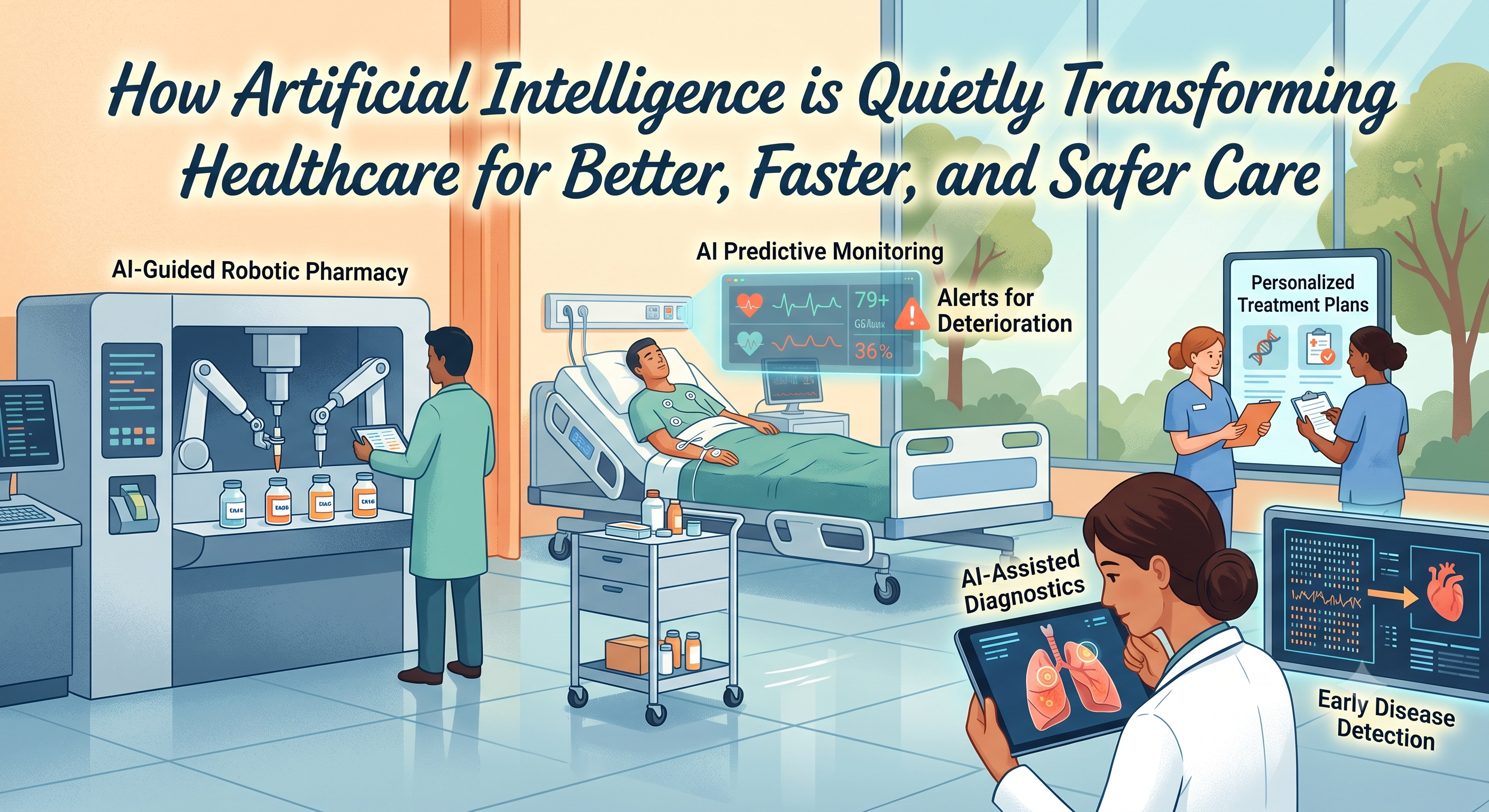
How Artificial Intelligence is Quietly Transforming Healthcare for Better, Faster, and Safer Care

How Artificial Intelligence is Quietly Transforming Healthcare for Better, Faster, and Safer Care

Artificial Intelligence (AI) is no longer a future concept in healthcare—it is already reshaping how diseases are detected, how treatments are planned, and how hospitals operate every day. From early diagnosis to personalised medicine, AI is helping doctors work faster, reduce errors, and deliver more focused patient care.

What makes this shift important is not just technology, but the way it improves real human lives—by catching illnesses earlier, reducing delays, and making healthcare more accessible and efficient.

1. Earlier, Smarter Detection of Diseases

One of AI’s biggest strengths lies in its ability to detect patterns that are often invisible to the human eye. By analysing scans such as X-rays, MRIs, and CT images, AI systems can identify early signs of diseases like cancer, heart disorders, and neurological conditions.

This early insight allows doctors to begin treatment sooner, often improving recovery chances and reducing complications. In many cases, AI acts as a second set of eyes—supporting doctors in making more confident decisions.

2. Care Designed Around Each Patient

Healthcare is becoming more personalised thanks to AI. Instead of a “one-size-fits-all” approach, AI uses patient history, genetic data, and lifestyle information to help doctors design more targeted treatments.

This means fewer side effects, better outcomes, and treatments that are more closely aligned with each patient’s unique health condition. It is a shift toward truly individualised care.

3. Preventing Illness Before It Becomes Serious

AI is helping healthcare move from treatment to prevention. By studying patterns in health records and real-time data, AI can identify early warning signs of chronic illnesses such as diabetes, hypertension, and heart disease.

This allows doctors to intervene early—before conditions become severe—reducing hospital visits and improving long-term health outcomes.

4. Making Hospitals Run More Smoothly

Behind the scenes, AI is helping hospitals become more efficient. Tasks like appointment scheduling, billing, record management, and insurance processing are increasingly being automated.

This reduces pressure on healthcare staff and gives doctors more time to focus on patients rather than paperwork. It also helps reduce delays and improves overall hospital organisation.

5. Faster Development of New Medicines

Developing new drugs traditionally takes years, but AI is speeding up this process. It can analyse large sets of chemical and biological data to identify promising drug candidates more quickly.

This is especially important for complex diseases, where faster research can lead to life-saving treatments reaching patients sooner.

6. Continuous Health Monitoring Outside Hospitals

With wearable devices and smart sensors, patients can now be monitored even at home. AI continuously tracks vital signs like heart rate, oxygen levels, and blood sugar.

If something unusual is detected, alerts are sent to healthcare providers immediately. This is especially helpful for patients with chronic conditions who need constant monitoring.

7. Virtual Health Support Anytime

AI-powered virtual assistants are making healthcare more accessible. They help patients with reminders, basic health questions, appointment scheduling, and guidance.

This 24/7 support system ensures that patients are never completely disconnected from healthcare assistance, even outside hospital hours.

8. Helping Doctors Make Better Decisions

AI acts as a support system for doctors by analysing patient data and comparing it with global medical research. It provides evidence-based suggestions that help in diagnosis and treatment planning.

This is especially useful in complex cases where multiple treatment options exist.

9. Improving Patient Experience

AI is also making healthcare more patient-friendly. Faster processing, reduced waiting times, and better communication tools improve the overall experience for patients.

With fewer administrative burdens, healthcare providers can spend more meaningful time with patients, improving trust and care quality.

10. Smarter Hospital Management

Hospitals use AI to predict patient inflow, manage staff schedules, and allocate resources more efficiently. This helps avoid overcrowding and ensures better service during peak demand periods.

It also improves planning and reduces stress on healthcare systems.

Conclusion

Artificial Intelligence is not replacing doctors—it is supporting them. It is helping healthcare systems become faster, more accurate, and more human-focused.

By combining technology with medical expertise, AI is shaping a future where healthcare is not only more advanced but also more personal, preventive, and accessible to all.

India Reviews Residual Shelf-Life Norms for Imported Pharmaceuticals

New Delhi, June 26: The government has invited comments and suggestions from stakeholders on the proposed framework concerning residual shelf-life requirements for imported pharmaceutical products, as part of ongoing efforts to strengthen regulatory clarity and ensure the availability of quality medicines in the country.

The consultation exercise aims to review and rationalise existing provisions governing the minimum residual shelf-life required for drugs at the time of import clearance. The objective is to ensure a balanced approach that safeguards patient safety while also improving ease of doing business for the pharmaceutical sector.

Officials said the proposed review seeks to align regulatory requirements with current global practices and supply chain realities, particularly in cases where medicines are imported to meet urgent clinical or public health needs. The initiative is also expected to reduce procedural bottlenecks and improve the efficiency of drug availability in the domestic market.

Stakeholders, including pharmaceutical manufacturers, importers, industry associations, healthcare professionals, and other concerned parties, have been requested to submit their comments and feedback within the stipulated timeframe.

The government will examine all suggestions received during the consultation process before finalising the revised guidelines on residual shelf-life requirements for imported drugs. The updated framework is expected to enhance regulatory transparency while ensuring uninterrupted access to essential medicines.

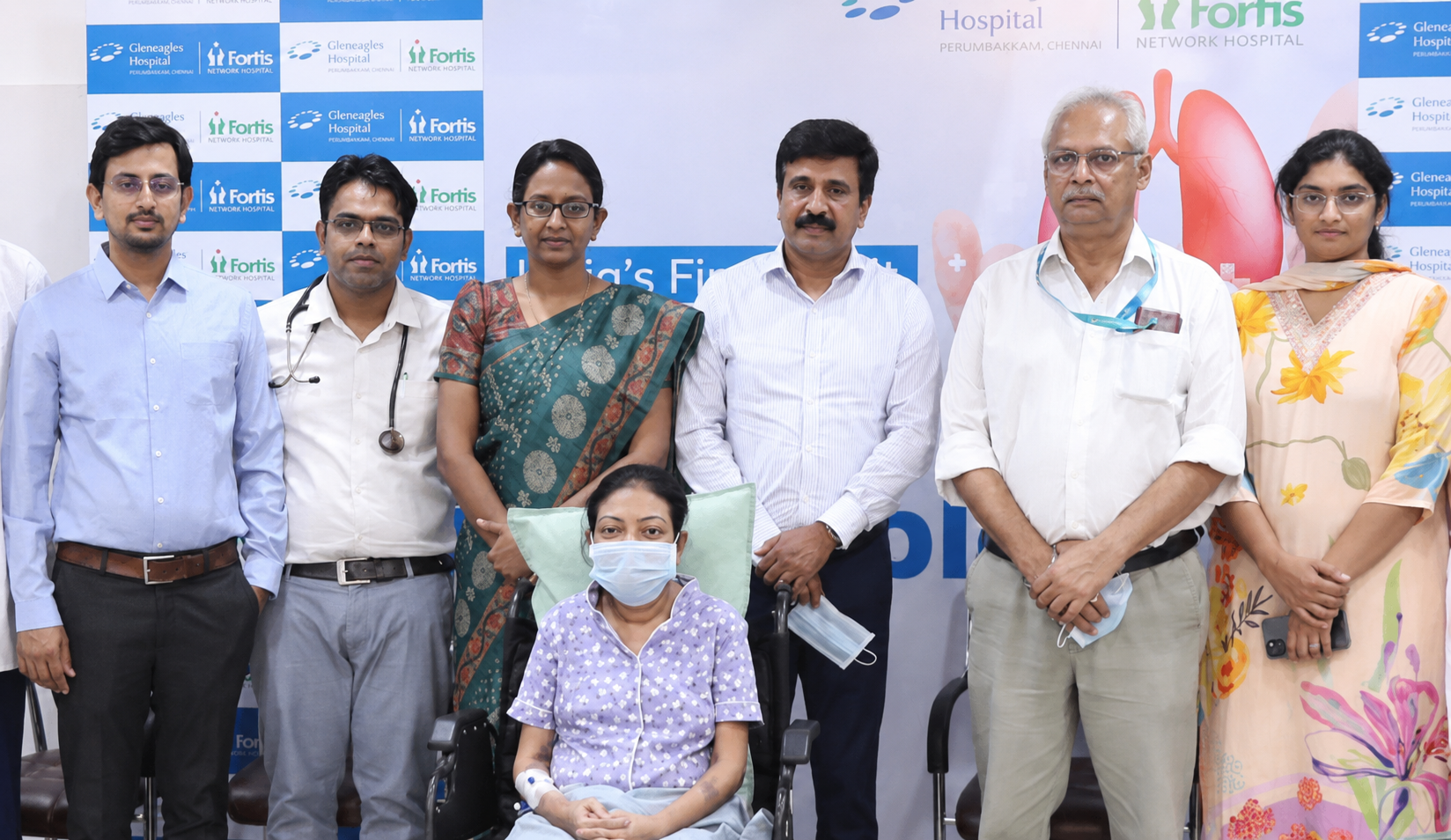
Gleneagles Hospital Chennai Performs India’s First Adult Lung Transplant Using Pediatric Donor Lungs

Gleneagles Hospital Chennai Performs India’s First Adult Lung Transplant Using Pediatric Donor Lungs

Chennai, June 26: Gleneagles Hospital Chennai, a part of the Fortis Healthcare Network, has successfully performed India’s first adult lung transplant using lungs from a pediatric donor, offering a new lease of life to a 39-year-old woman from West Bengal suffering from advanced Rheumatoid Arthritis-Associated Interstitial Lung Disease (RA-ILD).

The patient had been battling RA-ILD for the past six years. The progressive condition, associated with rheumatoid arthritis, causes severe scarring of the lungs and significantly impairs breathing. Despite ongoing medical treatment, her condition deteriorated steadily, with her oxygen requirement increasing from 1 litre per minute to 8 litres per minute. This severely impacted her quality of life and ability to carry out routine daily activities.

The patient approached Dr. Govini Balasubramani, Director, Heart & Lung Transplant, Gleneagles Hospital Chennai, supported by Dr. Sindhura Koganti, Senior Consultant – Pulmonology, Interventional Pulmonology and Sleep Medicine, Dr. Vimi Varghese, Senior Consultant – Pulmonology, Interventional Pulmonology and Sleep Medicine, and Dr. Sushmita Roychowdhury, Senior Consultant – Pulmonology. 

Approximately five months ago, she visited the team to explore the possibility of a lung transplant. However, finding a suitable donor proved particularly challenging due to her height, weight, and advanced stage of lung disease. As her condition worsened, she required multiple hospital admissions, highlighting the urgent need for a life-saving transplant.

A breakthrough came when the transplant team received information from government authorities regarding a young paediatric brain-dead donor following a road traffic accident. Given the rarity of such a scenario, the team undertook a comprehensive evaluation to determine whether the donor lungs could be safely transplanted into an adult recipient. After detailed assessment and meticulous planning, the team concluded that the organs could be successfully matched despite significant size and anatomical differences.

The transplant procedure presented unique surgical challenges, particularly in adapting and connecting the donor’s vascular and bronchial structures to those of the adult recipient. Despite these complexities, the multidisciplinary transplant team successfully completed the surgery without the use of artificial pump support.

Commenting on the landmark achievement, Dr Govini Balasubramani, Director, Heart & Lung Transplant, Gleneagles Hospital Chennai, a part of the Fortis Healthcare Network, said: “This was a highly complex transplant due to the significant size mismatch between the donor and recipient lungs. We are deeply grateful to the donor family for their selfless decision during an incredibly difficult time, which gave our patient a second chance at life. This case demonstrates the transformative impact of organ donation and showcases the possibilities of advanced transplant care in India.”

Following the successful transplant, the patient made a remarkable recovery and was discharged within 12 days. She is now able to walk independently and no longer requires oxygen support.

This achievement marks a significant milestone in Indian transplantation. Pediatric donor lungs are rarely considered for adult recipients due to challenges related to size mismatch and the complexity of connecting critical vascular and airway structures. The successful outcome highlights the potential for expanding donor utilization, increasing transplant opportunities, and reducing wait-list mortality among patients with end-stage lung disease.

Commenting on the achievement, Mr. R. Y. Bharath Kanth Reddy, Chief Executive Officer, Chennai & Hyderabad Cluster, Gleneagles Hospitals, a part of the Fortis Healthcare Network, said, “This landmark procedure reflects our commitment to delivering advanced, patient-centric care and showcases the expertise of our multidisciplinary transplant team. Successfully performing India’s first adult lung transplant using lungs from a 13-year-old donor highlights how innovative approaches in organ transplantation can expand opportunities for critically ill patients awaiting life-saving organs.”

Commenting on the hospital’s commitment to delivering advanced transplant care, Ms. S. Niranjani, Chief Operating Officer & Hospital Head, Gleneagles Hospital Chennai, a part of the Fortis Healthcare Network, said, “At Gleneagles Hospital Chennai, we remain committed to delivering advanced clinical care backed by multidisciplinary expertise and innovation. This milestone reflects our team’s unwavering dedication to providing the best possible outcomes for patients with complex medical conditions.”

Highlighting the clinical significance of the achievement, Dr. Biswarup Pal, Head of Medical Services, Gleneagles Hospital Chennai, a part of the Fortis Healthcare Network, said, “This successful transplant underscores the strength of coordinated multidisciplinary care and clinical excellence. It highlights our commitment to advancing transplant medicine while ensuring the highest standards of patient safety and care.”

The patient’s recovery was very remarkable. She was extubated on the first postoperative day, began walking independently without oxygen support by the third postoperative day, and was discharged on the twelfth postoperative day. Today, she is breathing normally and has returned to her daily activities independently, marking a significant improvement in her quality of life.

India Launches AIR SUVIDHA 2.0 for Travellers from Ebola-Affected Countries

New Delhi, June 25: The Government of India has launched AIR SUVIDHA 2.0, a digital health declaration system for passengers arriving from Ebola-affected countries, to strengthen public health screening and border preparedness.

The upgraded platform will require travellers from identified high-risk countries to submit health and travel details online before arrival in India. This will help authorities assess risk in advance and streamline screening at airports.

Officials said the system is designed to improve early detection of potential health risks, support faster response measures, and enhance contact tracing if required. It is part of India’s broader efforts to strengthen surveillance against infectious diseases.

AIR SUVIDHA 2.0 is an upgraded version of the earlier system used during the COVID-19 pandemic and includes improved data tracking and integration features for better monitoring of international arrivals.

Passengers from Ebola-affected countries will need to complete the mandatory online form before travel. Airport health teams will conduct additional screening based on risk assessment protocols.

Health authorities said the initiative aims to balance public safety with smooth passenger movement while ensuring strict monitoring of arrivals from affected regions.

The government stated that the platform reflects its continued focus on preparedness, early warning systems, and safeguarding public health at international entry points.