July 3: NITI Aayog has proposed a global licensing framework to help standardise Ayurveda practices and products and expand their acceptance in international markets.
The proposal aims to create uniform global standards, improve quality certification, and make it easier for Ayurveda-based products and services to be recognised abroad. It is also expected to support exports and encourage greater international collaboration in traditional medicine.
The initiative is part of efforts to position Ayurveda more strongly in the global wellness and healthcare sector while ensuring credibility, safety, and consistency across offerings.
New Delhi, July 2: The Government of India and key industry stakeholders held discussions to outline a roadmap for strengthening India’s global leadership in the AYUSH sector, focusing on Ayurveda, Yoga, Unani, Siddha, and Homoeopathy systems of medicine.
The meeting highlighted the need to enhance research, innovation, quality standards, and global outreach to promote AYUSH products and services in international markets. Officials and industry representatives discussed ways to improve regulatory frameworks, boost exports, and encourage investment in traditional medicine systems.
Participants emphasized the growing global acceptance of holistic healthcare practices and the importance of positioning India as a leading hub for traditional medicine and wellness solutions.
The discussions also focused on strengthening collaboration between government bodies, research institutions, and industry players to support scientific validation and international recognition of AYUSH practices.
Officials stated that the roadmap aims to expand global market access while ensuring quality, safety, and credibility of AYUSH products and services.
New Delhi, July 2: India’s MANAS mental health helpline has recorded close to one million connection attempts, reflecting increasing awareness and engagement with mental health support services.
The platform provides counselling and guidance to individuals experiencing stress, anxiety, and other mental health concerns. The high usage indicates a growing willingness among people to seek professional help and support.
Officials said the response highlights a positive shift in attitudes toward mental health and the importance of timely intervention. Efforts are underway to further strengthen the system and improve accessibility for users across the country.
The initiative continues to play a key role in expanding mental health awareness and support networks in India.
Seoul, July 2: South Korea’s pharmaceutical exports have surpassed $10 billion for the first time in 2025, marking a major milestone for the country’s healthcare and biotechnology sector.
The strong performance has been driven by rising global demand for biosimilars, vaccines, and advanced drug formulations developed by South Korean companies. Industry experts say increased overseas approvals and expanded production capacity have also contributed to the growth.
Officials and analysts view this achievement as a sign of South Korea’s growing competitiveness in the global pharmaceutical market, with expectations of continued expansion in the coming years.
By:- Dr. Jaineel Parekh, Orthodontist, Illusion Aligners
Orthodontic treatment is no longer a one-size-fits-all solution.Patients can choose between traditional braces and clear aligners based on their dental needs, lifestyle, and personal preferences. While both are designed to improve alignment and oral health, there are some important differences to consider.
1. Visibility During Treatment
Traditional braces use brackets and wires attached to the teeth, making them visible throughout the treatment process. Clear aligners, including solutions such as Illusion Aligners, are designed to be nearly invisible, making them a preferred choice for individuals looking for a more discreet treatment experience.
2. Eating and Daily Habits
One of the biggest differences lies in convenience. Braces remain fixed to the teeth, which means certain foods may need to be avoided. Clear aligners can be removed while eating and drinking, allowing patients to continue enjoying their regular diet with fewer restrictions.
3. Oral Hygiene Maintenance
Maintaining oral hygiene is essential during orthodontic treatment. With braces, cleaning around brackets and wires requires additional effort. Clear aligners, such as Illusion Aligners, can be removed during brushing and flossing, helping patients maintain their oral care routine more easily.
4. Comfort and Treatment Experience
Advancements in orthodontics have improved comfort across both treatment options. However, aligners are made from smooth, custom-made materials that reduce the chances of irritation often associated with brackets and wires. Traditional braces, meanwhile, continue to be a reliable option for a wide range of orthodontic needs.
5. Treatment Planning and Technology
Modern orthodontics is increasingly driven by digital technology. Many clear aligner systems, including Illusion Aligners, use digital scans and treatment planning to map tooth movement with greater precision. Traditional braces also benefit from technological advancements, but the treatment process differs in how adjustments are made over time.
University of Toyama researchers find three factors that predict mother-to-infant bonding difficulties in the absence of postnatal depression
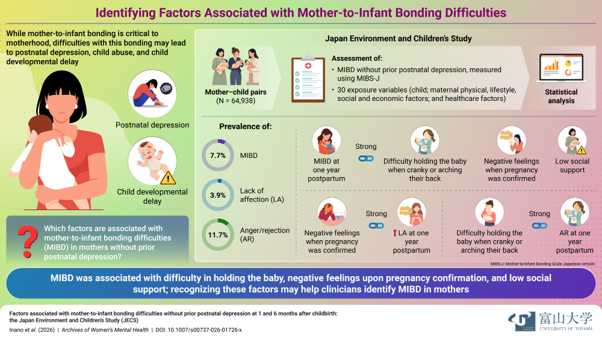
July 1: Mother-to-infant bonding difficulties (MIBD) are commonly associated with postnatal depression. MIBD has been linked to developmental delays and child abuse. Researchers found that about half of MIBD cases in Japan involve mothers who did not experience postpartum depression. Difficulty holding a fussy baby, lack of happiness about pregnancy, and low social support predict an increased risk of MIBD. Clinicians observing these signs should intervene to ensure maternal and child well-being.
A strong emotional bond between a mother and her child is vital during early infancy. However, some mothers experience indifference, aloofness, or anger when interacting with their infants, a phenomenon called mother-to-infant bonding difficulties (MIBD). MIBD has been linked to inappropriate child-rearing and developmental delays in children. Therefore, it becomes crucial for medical professionals to intervene and help mothers bond better with their infants.
Researchers have long known that postnatal depression is a strong predictor of MIBD. However, mothers without postnatal depression make up a very large proportion of mother-child pairs affected by MIBD. “The prevalence of MIBD is reported to be 11%–12%, but to our knowledge, there are relatively few reports on the prevalence of MIBD without postnatal depression,” says Ms. Hitomi Inano from the Department of Nursing Sciences, Graduate School of Medicine and Pharmaceutical Sciences, University of Toyama, Japan. “It is highly likely that maternal bonding difficulties are involved in the steadily increasing incidence of child abuse and developmental disorders in recent years,” she adds.
Ms. Inano led a study on MIBD in mothers without postnatal depression. This study was supported by Dr. Akiko Tsuchida, Dr. Hidekuni Inadera, and Professor Tomomi Hasegawa from the Faculty of Medicine at the University of Toyama, as well as Dr. Kenta Matsumura from the Aomori University of Health and Welfare. Using data from the Japan Environment and Children’s Study (JECS), the researchers studied the overall prevalence of MIBD and factors associated with increased MIBD risk. Their findings were made available online on June 3, 2026, in Volume 29 of the journal Archives of Women’s Mental Health.
The research team found that MIBD was present in 11.6% of all mother-child pairs in the JECS dataset, which was consistent with previous studies. While MIBD prevalence was only 7.7% in mother-child pairs where the mother did not have postnatal depression, this group still accounted for nearly half of all cases of MIBD in the dataset. Next, the team looked at the prevalence of the two components of MIBD, namely lack of affection (LA) and anger and rejection (AR). 38.2% of mothers gave at least one affirmative response to LA-related items, compared with 51.8% for AR-related items.
What aspects of pregnancy and postpartum increase the risk of MIBD? The team analyzed 30 variables across six dimensions: child factors, maternal physical factors, maternal lifestyle factors, maternal psychological factors, maternal social and economic factors, and healthcare or medical intervention factors. Of these, three variables showed the strongest associations with MIBD.
The strongest predictor was a mother reporting difficulty in holding her infant due to crying, fussiness, or back-arching at one month postpartum; these mothers were 3.45 times more likely to experience MIBD at one year postpartum. The second strongest predictor was a mother reporting any emotion other than happiness upon pregnancy confirmation—confusion, upset, or neutrality were associated with a 2.42-fold increase in MIBD risk. Conversely, mothers reporting high social support during their pregnancy had a 55% lower likelihood of experiencing MIBD.
Ms. Inano highlights the need for active monitoring and intervention. “Mothers with bonding difficulties who screen negative for postnatal depression are unlikely to be identified by healthcare professionals and are therefore often overlooked as potential recipients of support,” she says. Clinicians should strongly consider intervening if a mother reports difficulty in handling her baby when the baby is cranky or arching their back, even if the mother shows no signs of postnatal depression.
Ms. Inano hopes that these findings will lead to more mothers receiving timely support, thus ensuring their own well-being and the healthy development of their children.
A genomic study links rare inherited BRCA2 mutations to primary lungadenocarcinomas
Although lung cancer is often linked to environmental exposures and acquired mutations, some patients develop multiple independent tumors, suggesting a potential role for inherited genetic susceptibility. While the contribution of germline pathogenic variants (GPVs) in several tumors is studied, their significance in lung cancer remains unknown. Now, researchers have explored the genetic basis of multiple primary lung cancers, offering insights into novel BRCA2 GPVs which could serve as targets for therapeutic strategies.
Lung cancer remains the leading cause of cancer-related deaths worldwide and is generally thought to arise from mutations acquired over a lifetime through environmental exposures. However, clinicians are increasingly encountering patients with not just one, but multiple tumors in their lungs. At Fujita Health University Hospital in Japan, 7.5% (53/699 cases)of lung cancer surgeries involved patients with synchronous or metachronous multiple lung lesions, far more than would be expected. Whether these additional tumors represented cancer spreading within the lungs or reflected an inherited predisposition to developing multiple independent cancers remains unclear.
To explore this, a team of researchers led by Professor Motoshi Suzuki from the Department of Molecular Oncology, Fujita Health University, Japan, along with a graduate student Dat Quoc Tran from the Department of Molecular Oncology, Fujita Health University, Japan, employed genomic sequencing techniques. They hypothesized that hidden genetic factors, rather than chance alone, might explain at least some of these cases. Their findings were published in Volume 34 Issue 6 of the journal Oncology Researchon May 21, 2026.
“Although germline pathogenic variants (GPVs) have transformed the understanding and management of some cancers, their role in lung adenocarcinoma(LUAD) has remained largely unexplored,” says Prof. Suzuki.
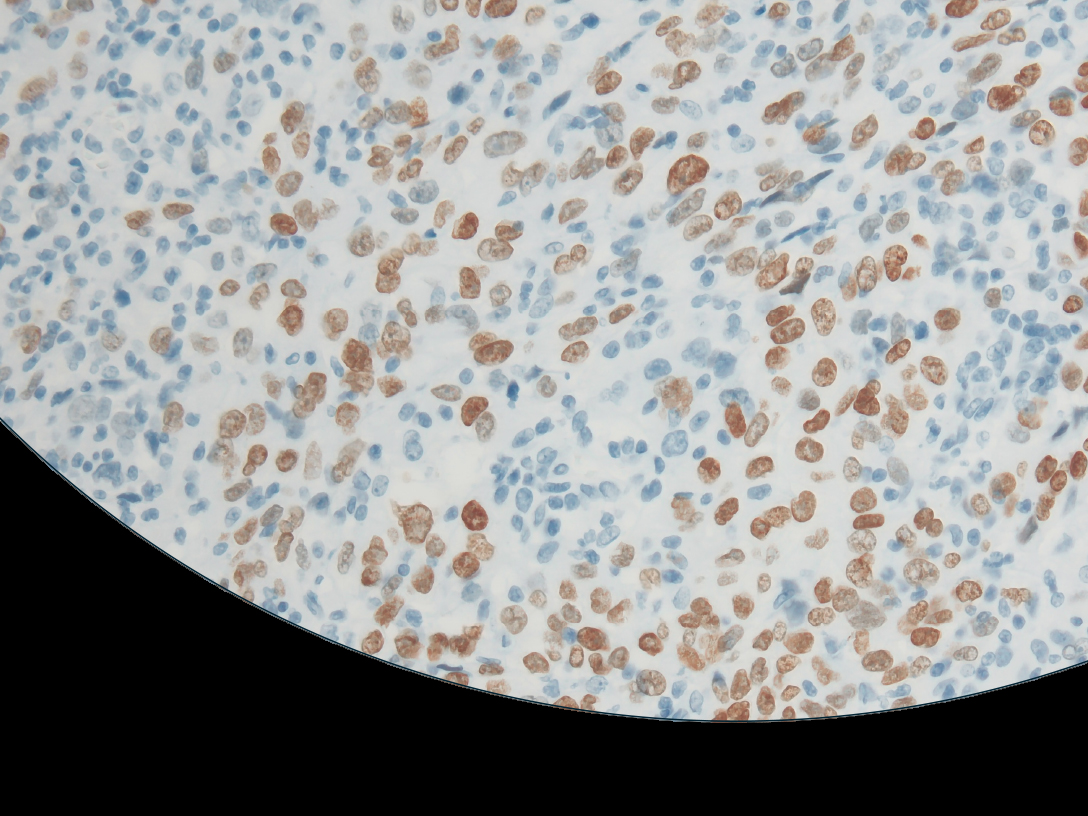
The researchers analyzed 26 LUADtumors from 11 patients with multiple lung cancers using targeted next-generation sequencing covering 143 cancer-related genes. By comparing mutation profiles across tumors and validating shared variants with Sanger sequencing, they distinguished inherited germline variants from tumor-acquired mutations. To determine whether similar alterations occurred more broadly, they also screened 125 tumors from an independent cohort of 123 patients withLUAD.
The results revealed that nine of the 11 patients had true multiple primary lung cancers, while one had intrapulmonary metastasis and one exhibited features of both conditions, underscoring the value of combining genomic profiling with conventional pathology for accurate diagnosis. More strikingly, the researchers identified two previously unreported truncating germline variants inBRCA2. One was detected across three independent tumors in a single patient, while the second was found in an unrelated patient who lacked the common driver mutations typically associated withLUAD. These findings suggest that inherited BRCA2 alterations may contribute to susceptibility to multiple primary lung cancers.
The study also points toward important clinical applications. Molecular profiling could help physicians distinguish multiple primary tumors from intrapulmonary metastases, enabling more accurate staging and treatment decisions. Furthermore, identifying inherited BRCA2 alterations raises the possibility that some patients may benefit from therapies already used for other BRCA-associated cancers. “We identified BRCA2 likely GPVs in patients with multiple primary LUAD. Thus, PARP inhibitors and other molecularly targeted approaches directed at BRCA2-related DNA repair deficiencies may eventually become viable treatment options for patients with these specific genetic backgrounds,”says Prof. Suzuki.
Overall, the study provides compelling evidence that inherited genetic susceptibility may contribute to the development of primaryLUAD. By uncovering two novel likely pathogenic BRCA2 variants and demonstrating the power of integrated genomic profiling, the research opens new avenues for precision diagnosis, targeted therapy, and future efforts to identify and manage patients at increased genetic risk.
The future of wellness may not begin with vitamins—it begins with the gut. Challenging decades of conventional thinking, Gut Bela has introduced a wellness concept that places gut metabolism at the centre of overall health. To bring this message to life, 86-year-old Rahul Singh, son of the late Khushwant Singh, set out on a non-stop drive from Delhi to Kasauli on Tuesday morning, demonstrating that healthy ageing is not just about living longer, but about remaining energetic, mentally sharp and physically active. Singh says his daily wellness routine includes Gut Bela along with CoviVeda Anti-Ageing Tea, which he has been consuming regularly for the past seven to eight years.
According to the company, this is not a publicity stunt but an attempt to draw attention to the growing scientific understanding that gut health influences multiple aspects of physical and mental well-being.
What exactly is Gut Bela & CoviVeda?
Gut Bela introduces a new philosophy: Fix the gut to transform the body and mind. Unlike traditional supplements that often deliver limited results, Gut Bela targets gut metabolism, digestion, microbiome balance, and nutrient absorption using a synergistic blend of time-tested Indian herbs and modern nutritional science.
Prithu Nath, founder of Gut Bela and CoviVeda explained:
“For decades, people have chased health through more vitamins. We believe the real starting point is the gut. When digestion and metabolism improve, the body naturally absorbs nutrients better, balances hormones, boosts energy, supports libido, sharpens the mind, and promotes a younger, more vibrant you. Gut Bela brings together ancient Ayurvedic wisdom and emerging microbiome research to deliver real, noticeable results—often within two weeks.”
While CoviVeda is designed to support lung and respiratory health, complementing a holistic wellness approach by promoting overall well-being alongside daily health routines.
The Science of Gut Vitality
Modern research confirms the gut as the body’s “second brain,” influencing far more than digestion:
* Gut-Brain Axis: Supports neurotransmitter production (like serotonin), reduces brain fog, and enhances mental clarity, focus, and mood. * Metabolism & Energy: Improves nutrient absorption, regulates blood sugar, and fights fatigue for sustained all-day vitality. * Hormone & Libido Health: Helps balance hormones and reduces inflammation that can dampen drive. * Immunity & Healthy Ageing: Promotes regular bowel movements, lowers systemic inflammation, and supports overall rejuvenation.
Gut Bela is formulated as a 100% natural, gentle daily supplement for constipation relief, digestion, microbiome support, and complete gut vitality—helping users feel lighter, more energetic, and confident.
This initiative aims to spark a broader conversation on preventive health: prioritizing digestive wellness proactively rather than treating symptoms later. Rahul Singh’s energetic journey stands as living proof of what is possible when you put gut health first.
The Gut-Brain Connection
Scientific studies over the past decade have shown that the gut and brain remain in constant communication through neural, hormonal and immune pathways. Improving gut function may help reduce digestive discomfort while supporting clearer thinking, improved mood and sustained energy in many individuals.
Because the digestive system also plays an important role in nutrient absorption and hormone regulation, maintaining gut health may positively influence overall physical performance, healthy ageing and quality of life.
Driving a Conversation on Healthy Ageing
Speaking before beginning his journey, Rahul Singh said he continues to feel energetic and active even at the age of 86.
“Age should never become the defining factor in how we live. I feel energetic, refreshed and mentally alert. Looking after my gut has become an important part of my daily routine. Along with Gut Bela, I have also been drinking CoviVeda Anti-Ageing Tea every day for the last seven to eight years. Together, they have become part of my wellness routine, and I hope this journey encourages more people to think differently about health and ageing,” he said.
Science and Tradition Together
Prithu Nath said Gut Bela is the result of years of research that combines traditional Indian herbal wisdom with emerging scientific understanding of the human microbiome. He believes that the future of preventive healthcare lies in strengthening the body’s natural systems rather than merely treating symptoms after they appear.
The company said it hopes the campaign will inspire more people to view gut health as the foundation of long-term wellness and healthy ageing, while encouraging a shift towards preventive healthcare backed by both traditional knowledge and modern science. The campaign also highlights Rahul Singh’s long-term commitment to a preventive wellness routine, including his daily consumption of CoviVeda Anti-Ageing Tea for the past seven to eight years alongside his focus on gut health.
New Delhi, June 30: BJP National President JP Nadda has lauded Prime Minister Narendra Modi’s vision and leadership in strengthening India’s health sector and medical education ecosystem.
He said that under the Prime Minister’s leadership, the country has witnessed significant expansion in healthcare infrastructure, including an increase in medical colleges, medical seats, and improved access to quality healthcare services.
Nadda noted that ongoing reforms have helped modernise the medical education system, improve healthcare delivery, and address the shortage of trained medical professionals across the country.
He further stated that these initiatives are contributing to a stronger, more resilient health system capable of meeting the country’s growing healthcare needs.
The BJP reiterated its commitment to supporting continued reforms and development in the health and medical education sectors under the leadership of Prime Minister Narendra Modi.
Combining whole genome interpretation with large-scale whole-body MRI to enable a more comprehensive view of human health
San Diego, CA — June 30, 2026 — Simplify Genomics today announced a collaboration with SimonMed aimed at advancing a more integrated approach to preventive healthcare. By combining SimonMed’s national scale in whole-body MRI with Simplify’s Whole Genome Interpretation and Reporting Platform, the collaboration seeks to provide a more complete picture of human health— helping identify risk earlier, personalize care pathways, and support more proactive health decisions. Across both imaging and genomics, there is growing evidence that early indicators associated with disease may be identified well before they surface in traditional care pathways. Together, these modalities offer complementary perspectives: genomics can provide insight into underlying disease risk, while imaging can help identify existing structural or physiological changes.
Simplify Genomics has spent years developing and refining its clinical reporting platform as a CAP/CLIA-certified laboratory and has processed in excess of 50,000 whole genomes to date. The platform includes thousands of disease associations and a broad set of pharmacogenomic insights, designed to support clinical interpretation and integration within real-world care settings.
Paired with SimonMed’s leadership in accessible, AI-enhanced imaging at national scale—including a network of more than 175 imaging centers across the United States —the collaboration creates an opportunity to explore patterns and connections that may not be visible through any single modality alone, supporting earlier insight and helping to inform clinical decision-making.
“This collaboration reflects a shared vision for the future of healthcare—one that is more proactive, data-driven, and personalized,” said Travis Lacey, CEO of Simplify Genomics.
“We believe the future of healthcare lies in making advanced preventive insights more accessible and actionable,” said John Simon, CEO of SimonMed. “By combining imaging and genomics, we have an opportunity to help patients and providers better understand health risk earlier and with greater clarity.” The collaboration is progressing rapidly, with additional updates expected in the near future.