Category: Health

New Peer-Reviewed Study Published Ahead of World Vitiligo Day Demonstrates Improved Outcomes When GliSODin® Is Combined With Targeted Phototherapy

Research Published in Photodermatology, Photoimmunology & Photomedicine Shows Significant Improvements in Repigmentation and Quality of Life for Patients With Localized Vitiligo

PARIS, France, June 25: New clinical research published in the peer-reviewed journal Photodermatology, Photoimmunology & Photomedicine demonstrates that combining oral gliadin-protected superoxide dismutase (GP-SOD), the patented antioxidant technology behind GliSODin®, with targeted phototherapy significantly improves outcomes for patients with localized vitiligo compared to phototherapy alone.

The study, Combination of Oral Gliadin-Protected Superoxide Dismutase With Targeted Phototherapy in Vitiligo: A Prospective, Comparative, Randomized, Single-Blinded Study, was conducted by an international team of researchers led by Pr. Giovanni Leone of the Photodermatology and Vitiligo Treatment Center at Israelite Hospital in Rome, Italy, in collaboration with researchers from Nice University Hospital and Université Côte d’Azur in France, including renowned vitiligo expert Pr. Thierry Passeron.

Vitiligo is a chronic autoimmune condition that causes the loss of skin pigment, affecting millions of people worldwide. Increasingly, researchers have identified oxidative stress as an important factor in the disease process, prompting interest in therapies that support the body’s natural antioxidant defenses.

The six-month randomized study evaluated 40 adults with localized non-segmental vitiligo. All participants received targeted excimer lamp phototherapy, while half also received oral GP-SOD. Researchers found that patients receiving the combination treatment experienced significantly greater repigmentation compared to those receiving phototherapy alone. In addition, patients receiving GP-SOD reported significantly greater improvements in quality of life. The treatment was also well tolerated, with no serious adverse events reported.

“These findings reinforce the growing body of evidence supporting the role of oxidative stress in vitiligo and suggest that addressing this pathway may help improve patient outcomes when combined with established treatment approaches, in particular the combination with phototherapy has been shown to be one of the best approaches to stabilize vitiligo and increase the pigmentation response,” said Pr. Giovanni Leone.

These findings add to a growing body of clinical research supporting the role of GP-SOD as an adjunct to phototherapy in vitiligo treatment. Previous research published in the Journal of the European Academy of Dermatology and Venereology demonstrated improved repigmentation outcomes when oral GP-SOD was combined with NB-UVB phototherapy. This latest study is among the first to specifically evaluate its use alongside targeted phototherapy for localized vitiligo. Researchers concluded that combining GP-SOD with UVB phototherapy resulted in significant improvements in repigmentation, quality of life, and overall treatment outcomes while maintaining a favorable safety profile.

“At GliSODin, our mission has always been to support the body’s natural ability to defend itself against oxidative stress,” said François Vix, CEO of GliSODin. “We are encouraged to see continued independent clinical research exploring the role of GP-SOD in conditions where oxidative stress is believed to play a key role.”

The publication arrives just ahead of World Vitiligo Day on June 25, an annual global initiative dedicated to raising awareness, advancing research, and supporting individuals living with vitiligo.
Toray Develops Breakthrough Hydrophilic Coating for Contact Lenses and Other Silicone-Based Medical Devices

Tokyo, Japan, June 24: Toray Industries, Inc. announced today that it has developed an innovative hydrophilic coating that enhances the wettability of silicone materials by more than 20 times. This breakthrough enables silicone to achieve durable hydrophilicity, opening new possibilities for contact lenses and a broad range of medical device applications.

Silicone materials are widely used in medical devices, including contact lenses and catheters, due to their flexibility and excellent biocompatibility. However, silicone’s inherently hydrophobic nature limits its suitability for applications requiring high wettability or lubricity. In contact lenses, poor wettability can lead to dryness and foreign-body sensations, while in catheters it can reduce maneuverability and increase the risk of blockages. Although various approaches, such as surface modification and material redesign, have been explored to improve silicone hydrophilicity, these methods often complicate manufacturing processes and present challenges in achieving adequate hydrophilicity and long-term clinical durability.

To overcome these limitations, Toray leveraged its proprietary polymer molecular design and precision polymerization technologies to develop a novel hydrophilic polymer with a strong affinity for silicone. By utilizing the polymer’s self-assembly properties, the company successfully created a highly durable, nanometer-scale hydrophilic coating on silicone surfaces.

The ultra-thin coating imparts hydrophilicity while preserving the silicone’s intrinsic physical properties. By bringing the hydrophilic polymer into contact with the surface of commercially available silicone hydrogels and applying heat, Toray can form a hydrophilic coating layer approximately 20 nanometers thick. Tests demonstrated that the coated surfaces exhibited more than a 20-fold improvement in wettability compared with uncoated surfaces, while the coefficient of friction decreased by approximately 90%. The coating also maintained high durability even after repeated rubbing.

Applying this hydrophilic coating to contact lenses is expected to significantly enhance wearer comfort during prolonged use. In addition, studies have shown that the coating suppresses the adhesion of biological substances to silicone elastomers, suggesting potential applications in medical devices such as stents and catheters, where improved lubricity and reduced blockage could enhance performance and patient outcomes.

Toray plans to actively promote this coating technology and expand its application across a wide range of medical device materials.

Through continued innovation in advanced materials and healthcare technologies, Toray remains committed to helping create a world in which people can lead healthier, more comfortable, and more independent lives.

Ebola Cases in DR Congo Cross 1,000 as WHO Flags Unusually High Early Spread

June 24: The Democratic Republic of the Congo has reported 1,094 Ebola cases amid a sharp early surge in the outbreak, with the World Health Organization (WHO) noting the unusually high caseload recorded in the first month.

Health authorities said the rapid rise in infections has triggered intensified response measures, including expanded surveillance, contact tracing and emergency preparedness across affected regions.

The WHO has expressed concern over the pace of transmission in the initial phase of the outbreak, warning that swift and coordinated containment efforts are essential to prevent wider community spread.

National health agencies, working with international partners, are strengthening treatment facilities, scaling up diagnostic capacity and accelerating vaccination efforts in high-risk areas.

Officials have urged communities to remain vigilant, report symptoms early and cooperate with health teams to support containment efforts and reduce further transmission.

Public health responses are also focusing on improving awareness, reinforcing infection prevention measures and ensuring timely medical intervention in remote and vulnerable regions.

The outbreak remains under close monitoring as authorities continue efforts to control its spread.

India Emerges as Global Generics Powerhouse, Says Expert

June 24: India’s strong position in global pharmaceutical markets, particularly its approximately 20 per cent share in global generic drug exports, provides a solid foundation for sustained industry growth, according to industry experts.

Experts note that this leadership in generics reflects India’s robust manufacturing ecosystem, cost competitiveness and deep expertise in producing high-quality, affordable medicines for global markets.

The country’s pharmaceutical sector continues to play a critical role in global healthcare supply chains, supplying essential medicines to both developed and emerging economies. This has strengthened India’s reputation as a “pharmacy of the world.”

Analysts believe the sector’s growth potential remains strong, supported by rising global demand for affordable healthcare solutions, expanding export opportunities and continued investments in research, development and manufacturing capacity.

India’s established regulatory compliance standards and large-scale production capabilities are also seen as key factors enabling sustained export growth in the generics segment.

With increasing focus on self-reliance and value-added pharmaceutical production, the industry is expected to further expand its global footprint in the coming years, strengthening India’s position in the international pharmaceutical market.

Organic Tattva Introduces ‘Shuddhasana’: Because Wellness Begins Long Before You Step on the Yoga Mat


New Delhi, June 24: While Yoga Day often celebrates physical postures and mindfulness practices, Organic Tattva is shifting the conversation to what truly fuels holistic wellness: purity on the plate.

With the launch of its new sprouts campaign featuring Kareena Kapoor Khan, Organic Tattva introduces the philosophy of Shuddhasana the practice of embracing purity in everyday food choices. The brand believes that wellness doesn’t begin when you step onto a yoga mat; it begins with the food you consume every day.

The message comes at a critical time when food transparency is under the spotlight, and regulators are cracking down on misleading health and organic claims. As consumers navigate a growing number of wellness labels, Organic Tattva is encouraging them to look beyond surface-level claims and ask deeper questions about quality, safety and authenticity.

In the pulses category, terms such as “unpolished” have become common, but it’s not sufficient. However, Organic Tattva believes true purity demands far more than a single processing claim. The brand’s organic dals and pulses are backed by:

  • Non-fumigated processing practices

  • Testing for over 250 pesticide residues

  • Certified organic sourcing

  • End-to-end traceability and quality assurance

  • No artificial preservation methods

For Organic Tattva, Shuddhasana is not merely a campaign , it is a commitment to helping consumers make informed choices rooted in purity and trust.

Kriti Mehrotra, Co-Founder, Organic Tattva, said:“Yoga is not limited to an hour on the mat. The choices we make every day from what we eat to what we feed our families are equally important. Through Shddhasana, we want to inspire consumers to embrace purity as a way of life. In food, purity goes far beyond labels like ‘unpolished.’ Consumers deserve to know whether their dals are non-fumigated, whether they have been tested for pesticide residues and whether every stage of sourcing and processing meets the highest standards. At Organic Tattva, our promise is simple: complete transparency, uncompromising quality and food that families can trust.”

The company’s Yoga Day initiative highlights sprouts as one of nature’s most wholesome foods while reinforcing a larger message: wellness starts with purity. In an increasingly crowded health-food landscape, Organic Tattva believes consumers should expect evidence not just claims.

Because true wellness is not just about Asanas. It is about Shuddhasana.


Preventive Health Measures Could Deliver Massive Global Savings: WEF

New Delhi, June 23, 2026: Investing in simple preventive healthcare measures could help the world save nearly USD 6 trillion by 2040, according to a World Economic Forum (WEF) report.

The report highlights that shifting focus from treating diseases to preventing them can significantly reduce long-term healthcare costs while improving overall public health outcomes. It notes that early diagnosis, routine health check-ups, vaccinations, healthier lifestyles, and timely medical interventions can help avoid the progression of serious and costly illnesses.

According to the findings, a large share of global healthcare expenditure is driven by chronic conditions such as diabetes, cardiovascular diseases, and respiratory disorders. Many of these conditions can be managed more effectively—or even prevented—through early action and consistent primary healthcare support.

The WEF report further emphasizes that preventive healthcare not only reduces pressure on healthcare systems but also improves workforce productivity and quality of life. Healthier populations are likely to contribute more effectively to economic growth, reducing absenteeism and long-term medical dependency.

Experts suggest that stronger primary healthcare networks, increased public awareness, and greater investment in digital health tools such as telemedicine and early screening technologies will be key to achieving these outcomes.

The report also calls for collaboration between governments, private sector players, and healthcare providers to build systems that prioritize prevention alongside treatment.

Overall, the findings underline a clear message: investing in preventive healthcare today could lead to substantial economic savings and healthier societies in the decades ahead.

International Yoga Day Celebrations Spotlight “Yoga for Healthy Ageing”

June 22: The global observance of International Yoga Day witnessed widespread participation this year, with the theme “Yoga for Healthy Ageing” gaining momentum across countries, communities, and wellness platforms.

Events, workshops, and mass yoga sessions were organised in multiple regions to promote physical wellbeing, mental balance, and holistic health through traditional yoga practices. The initiative highlighted the growing global recognition of yoga as a tool for improving quality of life, particularly among older populations.

The celebrations brought together practitioners, instructors, and wellness enthusiasts who demonstrated various yoga asanas and breathing techniques aimed at enhancing flexibility, strength, and mental clarity. Special sessions were also conducted focusing on preventive healthcare and age-friendly wellness routines.

Organisers emphasised the importance of incorporating yoga into daily lifestyles to support healthy ageing and improve overall wellbeing. The theme encouraged individuals across age groups to adopt sustainable health practices rooted in mindfulness and physical activity.

The observance reflected yoga’s expanding global footprint, with increasing participation from diverse cultures and communities. It also underscored the role of yoga in promoting harmony between physical health and mental wellness.

International Yoga Day continues to serve as a platform for spreading awareness about the benefits of yoga, with this year’s celebrations reinforcing its relevance in addressing modern health challenges and supporting lifelong wellbeing.

How to Deal with Travel-Related Back Pain During Summer Vacations

By Dr. Dharam P. Pandey Director APARC Health & Motion  Premier Chian of Physiotherapy and Rehabilitation care Provider
 
New Delhi-its ’s again that time of the year, when we are planning on how and where to spend our precious summer vacations. It is an ideal time to connect with yourself by taking that much needed break, exploring new places and spending some quality time with family and friends. While people tend to enjoy this time, it can also bring an unwelcome companion– back pain.
 
Health professionals see a spike in such cases of travelrelated back pain during the summer months. It can happen due to long hours spent sitting in cars, buses, trains, or flights as that can put extra pressure on the spine. In addition, the aches and stiffness are also triggered by carrying heavy bags, sleeping in unfamiliar beds, and changes in daily routine can also trigger aches and stiffness.
 
In India, the situation becomes even more challenging because of the extreme summer heat. Not many people may be aware that dehydration can affect spinal health too. As we say, our body is a wonderful machine, so in this case, the discs between the bones of the spine need water to work properly and absorb shock. Dehydration can affect the functioning of these discs, while muscles may feel tighter and more prone to pain.
 
The good news is that a few simple steps can help keep your back comfortable during your trip.
 
Start with hydration. During summer travel, try to drink around 3–4 litres of water a day. This helps keep the body and spine functioning well. It’s also a good idea to avoid too much tea or coffee, which can contribute to dehydration said Dr. Dharam P. Pandey Director APARC Health & Motion 
 
Premier Chian of Physiotherapy and Rehabilitation care Provider If you’re travelling by car or plane, give your lower back some support. A small lumbar cushion works well, but even a rolled-up jacket can help maintain the natural curve of your spine and reduce strain.
 
For road trips, don’t stay seated for hours at a stretch. If you’re driving from places like Gurugram to hill destinations in Himachal Pradesh or Uttarakhand, take a short break every 45 to 60 minutes. Walk around, stretch your legs, and give your back a chance to relax.
 
Packing smartly can also make a difference. Instead of lifting heavy duffel bags, choose lightweight rolling luggage that is easier to move around.
 
Footwear matters too. Flip-flops and flat sandals may be comfortable for short periods, but they don’t offer much support. Supportive walking shoes or sneakers are a better option for long travel days.
 
And if you like to exercise during your vacation, try doing it early in the morning before the temperatures rise.
 
A little planning can go a long way. By staying hydrated, moving regularly, and supporting your spine, you can enjoy your summer holiday without letting back pain spoil the fun.

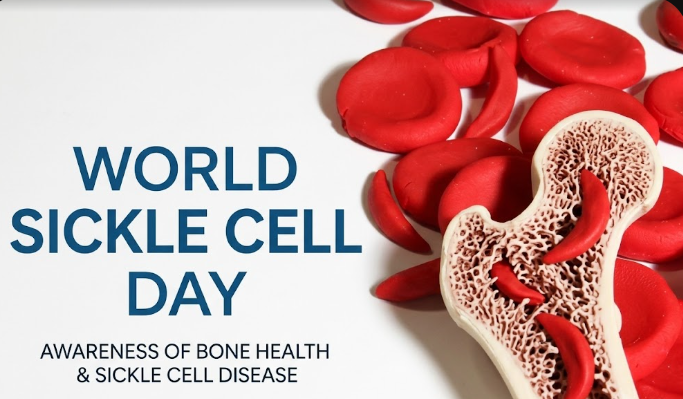
World Sickle Cell Day 2026: From “Closing the Survival Gap” to a New Era of Cure, Care and Equity

World Sickle Cell Day 2026: From “Closing the Survival Gap” to a New Era of Cure, Care and Equity

Every year on June 19, the world observes World Sickle Cell Day—but in 2026, the conversation feels different. It is no longer limited to awareness alone. It is now about urgency, equity, and a rapidly evolving medical future.

The official theme for World Sickle Cell Day 2026 is:

“Closing the Survival Gap: Equity in Sickle Cell Disease”

This theme captures a critical truth: survival should not depend on geography, income, or access to healthcare. It calls for a world where early diagnosis, advanced treatment, and continuous care are available to every patient—not just a privileged few.

A Disease at the Centre of Inequality and Innovation

Sickle cell disease (SCD) is a genetic blood disorder where red blood cells become rigid and sickle-shaped, blocking normal blood flow. This leads to severe pain episodes, anaemia, organ damage, and lifelong health complications.

Globally, over 300,000 babies are born with SCD every year, with the highest burden in low- and middle-income countries.

India carries one of the heaviest burdens worldwide, particularly affecting Scheduled Tribes and underserved communities, where delayed diagnosis and limited healthcare access continue to shape outcomes.

Yet, 2026 marks a turning point—where science, policy, and public health are beginning to converge.

From Hope to Reality: The Rise of Gene-Based Cures

For decades, sickle cell disease was managed, not cured. That is now changing.

Gene Therapy: Rewriting the Disease Itself

One of the most significant breakthroughs is CRISPR-based gene therapy, including treatments like Casgevy. This approach modifies a patient’s own stem cells so the body can produce healthy haemoglobin.

For the first time, medicine is not only treating symptoms—but addressing the genetic root cause.

Stem Cell Transplant: The Established Cure

Hematopoietic stem cell transplantation (bone marrow transplant) remains the only established curative option today. While limited by donor availability and eligibility, it has transformed outcomes for many children worldwide.

Targeted Medicines: Turning a Fatal Cycle into a Manageable Condition

Modern therapies are reshaping daily life for patients:

  • Voxelotor – improves anaemia by preventing red blood cell sickling
  • Crizanlizumab – reduces painful crisis frequency
  • L-Glutamine – lowers oxidative stress in cells
  • Hydroxyurea – long-standing therapy that increases fetal haemoglobin

Together, these treatments are reducing hospitalisation, improving quality of life, and extending life expectancy.

India’s National Mission: Screening at Scale, Saving Lives Early

India has launched the National Sickle Cell Anaemia Elimination Mission, targeting elimination of the disease as a public health problem by 2047.

Its core focus includes:

  • Mass screening in high-burden districts
  • Distribution of Sickle Cell Identity Cards
  • Early diagnosis and treatment linkage
  • Creation of digital patient tracking systems

Large-scale outreach programmes in tribal and rural regions are identifying cases earlier than ever before—often before symptoms become severe.

The Survival Gap: Why Theme 2026 Matters

The theme “Closing the Survival Gap” is not symbolic—it reflects real-world inequality.

Two children with the same disease may have entirely different futures depending on:

  • How early they are diagnosed
  • Whether treatment is accessible
  • Whether their families are informed

This gap is what global health systems are now being challenged to eliminate.

Prevention Begins Before Birth: The Power of Genetic Awareness

One of the most important yet overlooked aspects of SCD is the sickle cell trait.

  • Carriers usually have no symptoms
  • But they can pass the gene to children
  • If both parents are carriers, there is a 25% risk of disease in the child

This makes pre-marital and pre-pregnancy screening essential, especially in high-risk regions.

Awareness here is not optional—it is preventive medicine.

Everyday Management: Small Actions, Lifelong Impact

Even with advanced treatment, daily care remains essential:

 Medical Support

  • Vaccinations and infection prevention
  • Daily antibiotics in young children (as prescribed)
  • Folic acid supplementation

Lifestyle Protection

  • Proper hydration
  • Avoiding extreme temperatures
  • Early response to pain episodes

These steps reduce complications and improve long-term stability.

A New Healthcare Ecosystem Emerging

Beyond treatment, India is building a structured ecosystem through:

  • National Health Mission screening portals
  • Community outreach camps
  • Tribal health initiatives
  • Genetic counselling expansion

The goal is not just treatment—but continuity of care from birth to adulthood.

Conclusion: From Awareness to Equity, From Equity to Cure

World Sickle Cell Day 2026 marks a rare moment in global health—where science is advancing rapidly, and policy is beginning to align with need.

The theme “Closing the Survival Gap: Equity in Sickle Cell Disease” is both a promise and a challenge.

Because today, the question is no longer whether sickle cell disease can be understood.

It is whether every child—regardless of where they are born—can access:

  • Early screening
  • Timely treatment
  • And, one day, a cure

The tools are now available. The systems are being built. The responsibility is collective.

And the message is clear:

A survival gap that can be closed must not be allowed to remain open.

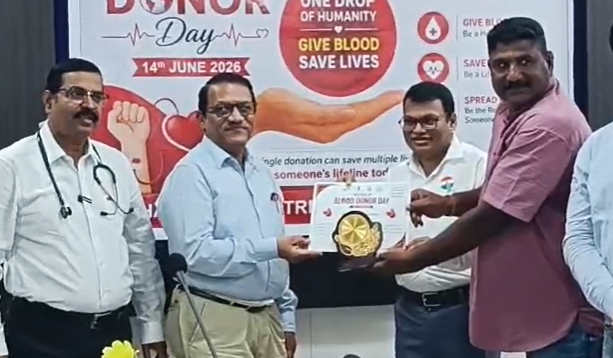
World Blood Donor Day Celebrated at Jeypore; Kotpad’s Tulasi Das Nayak Honoured

World Blood Donor Day Celebrated at Jeypore; Kotpad's Tulasi Das Nayak Honoured

Kotpad/Jeypore: World Blood Donor Day was celebrated at the District Headquarters Hospital in Jeypore with great enthusiasm. The event was attended by the Sub-Collector, the Chief District Medical Officer (CDMO), and other dignitaries, who felicitated voluntary blood donors from different parts of the district for their invaluable contribution to saving lives.

Among those honoured was Tulasi Das Nayak, popularly known as Nini Babu, a prominent blood donor from Kotpad. Young blood donor Rabindra Sahu also participated in the programme and extended his support to the initiative.

Tulasi Das Nayak is widely respected in the Kotpad region for his dedication to voluntary blood donation and humanitarian service. Whenever there is an urgent need for blood, residents often reach out to him for assistance. Over the years, he has actively encouraged and motivated young people to come forward and donate blood, emphasizing that blood donation is one of the noblest acts of service to humanity.

His selfless commitment has inspired many youths in the region to participate in blood donation drives and social welfare activities. Community members praised his efforts, noting that his example has helped create greater awareness about the importance of voluntary blood donation.

The event concluded with a renewed appeal to citizens, especially the younger generation, to donate blood regularly and contribute towards saving lives in times of medical emergencies.