The Future of 5G and 6G in India: How Next-Generation Connectivity Could Create New Business Opportunities

The Future of 5G and 6G in India: How Next-Generation Connectivity Could Create New Business Opportunities

India’s digital economy is entering a new phase of transformation, driven by rapid technological development, increasing internet adoption and the growing demand for faster, more reliable connectivity. From online banking and e-commerce to artificial intelligence, smart manufacturing and digital healthcare, connectivity has become a critical foundation for modern businesses. As 5G networks expand across the country, attention is gradually shifting towards the next generation of wireless communication  6G.

The Future of 5G and 6G in India: How Next-Generation Connectivity Could Create New Business Opportunities

The evolution from 5G to 6G is expected to create opportunities that extend far beyond faster internet speeds. It could transform how businesses operate, how industries manage resources, how customers access services and how entrepreneurs develop new technology-driven solutions.

For India, this transition represents an opportunity not only to improve digital infrastructure but also to strengthen its position in the global technology and telecommunications industry.

India’s Growing 5G Ecosystem: Building the Foundation for the Future

The introduction of 5G has significantly changed India’s telecommunications landscape. Higher data speeds, lower network latency and improved connectivity are creating possibilities for applications that require real-time communication and large amounts of data.

According to the Ministry of Communications, by February 2026, 5G services were available in 99.9% of India’s districts, supported by more than 5.23 lakh installed 5G base transceiver stations.

This expansion is creating opportunities for telecom operators, infrastructure providers, technology companies and startups. Businesses can use 5G-enabled solutions to improve operational efficiency, develop digital products and reach customers through new channels.

However, the real value of 5G will depend on how effectively industries convert improved connectivity into practical business applications.

How 5G Could Transform Business Opportunities Across Industries

1. Smart Manufacturing and Industrial Automation

Manufacturing is among the sectors that could benefit significantly from 5G technology. Reliable, low-latency connectivity can support connected machinery, industrial robotics, automated production lines and real-time equipment monitoring.

Factories can use connected sensors to identify equipment problems, monitor production performance and reduce unexpected downtime. These capabilities could help manufacturers improve productivity, manage operational costs and maintain product quality.

For Indian manufacturing businesses, particularly small and medium-sized enterprises, 5G-enabled industrial solutions could create opportunities to compete more effectively in domestic and international markets.

2. Healthcare and Remote Medical Services

The healthcare industry could also experience major changes through next-generation connectivity. 5G can support high-quality video consultations, remote patient monitoring, connected medical devices and faster exchange of medical information.

Hospitals and healthcare providers may use connected technologies to improve coordination between specialists and patients, particularly in locations where access to advanced medical facilities is limited.

For health-tech startups, this creates opportunities to develop remote monitoring platforms, connected diagnostic solutions and digital healthcare services.

3. Agriculture and Smart Farming

Agriculture remains an important part of India’s economy, and connectivity could help farmers make more informed decisions.

5G-enabled sensors, drones and smart farming platforms can support soil monitoring, weather analysis, irrigation management and crop-health assessment.

Agri-tech companies can develop solutions that help farmers use water efficiently, monitor crop conditions and improve agricultural productivity. These innovations could also encourage investment in precision agriculture and rural technology services.

4. E-commerce and Digital Customer Experiences

Faster and more reliable connectivity can improve online shopping experiences through high-quality product demonstrations, augmented reality, virtual experiences and interactive customer services.

Retailers could introduce virtual product trials, immersive shopping platforms and personalised digital experiences. Logistics companies may also benefit from connected tracking systems and real-time supply-chain monitoring.

This could create fresh opportunities for e-commerce platforms, digital marketing agencies, software developers and technology startups.

6G: The Next Major Opportunity for India’s Technology Industry

While 5G adoption is continuing, researchers and technology companies are already working towards 6G, the sixth generation of wireless communication.

Unlike a simple upgrade in internet speed, 6G is expected to introduce more intelligent, integrated and responsive communication networks. Emerging research areas include artificial intelligence-powered networks, advanced sensing technologies, satellite-based connectivity and improved integration between digital and physical environments.

India released its Bharat 6G Vision in March 2023, with the ambition of becoming a leading contributor to the design, development and deployment of 6G technology by 2030.

The government is also supporting research through the Bharat 6G Alliance, which brings together industry players, academic institutions, startups and research organisations.

According to a July 2026 government update, the Bharat 6G Alliance had expanded to 90 member organisations, reflecting growing collaboration across India’s telecom ecosystem.

Emerging Business Opportunities Through 6G Technology

The development of 6G could open new business opportunities across several technology-driven industries.

1. Artificial Intelligence and Intelligent Networks

Future 6G networks are expected to integrate artificial intelligence more deeply into network operations. AI could help manage network traffic, predict technical failures, improve connectivity and optimise resource utilisation.

This may create opportunities for AI developers, software companies, telecom equipment manufacturers and cybersecurity businesses.

2. Satellite and Rural Connectivity

One of the important possibilities of 6G is improved integration between terrestrial networks and non-terrestrial networks, including satellites and high-altitude platforms.

This could help extend digital connectivity to remote villages, agricultural regions, coastal areas and locations where conventional telecom infrastructure is difficult to establish.

Businesses could explore satellite communication services, rural broadband solutions and connected digital platforms.

3. Immersive Communication and Virtual Experiences

Future communication technologies may support advanced augmented reality, virtual reality and holographic communication experiences.

These developments could create opportunities in online education, entertainment, virtual shopping, tourism, professional training and remote collaboration.

4. Autonomous Systems and Smart Transportation

Advanced connectivity could improve communication between vehicles, road infrastructure and traffic management systems.

Automotive companies, mobility startups and logistics providers may benefit from technologies supporting intelligent transportation, connected vehicles and automated operations.

Why Startups and Small Businesses Should Pay Attention

The growth of next-generation connectivity will not benefit only large telecommunications companies. Startups, entrepreneurs and small businesses could also become important participants in the emerging digital ecosystem.

For example, technology startups could develop applications for smart agriculture, industrial monitoring, connected healthcare and AI-powered business services.

Small and medium-sized enterprises could use improved connectivity to modernise operations, automate routine activities and access wider markets.

Telecom infrastructure development may also create demand for specialised services, including network installation, cloud computing, cybersecurity, software development and technical maintenance.

For entrepreneurs, the opportunity lies in identifying practical problems that better connectivity can solve rather than simply developing technology without a clear business purpose.

India’s 6G Research and Indigenous Technology Push

India’s ambition to participate in the global 6G ecosystem is supported by research, innovation and collaboration between government, industry and academic institutions.

The Telecom Technology Development Fund is supporting research in areas such as 6G communication, quantum communication, telecom security and satellite networks.

A March 2026 government update reported that 136 research and development projects had been approved under the programme, including 104 projects related to 6G technology.

These initiatives could encourage domestic technology development, strengthen intellectual property creation and reduce dependence on imported telecommunications technologies.

For Indian startups and research institutions, this presents an opportunity to participate in developing future communication standards, equipment and applications.

Challenges That Could Influence the Growth of 5G and 6G

Despite the promising opportunities, the transition towards next-generation connectivity will involve several challenges.

High Infrastructure Investment: Expanding advanced telecom networks requires significant investment in spectrum, fibre-optic infrastructure, base stations and supporting technologies.

Digital Divide: Rural and remote communities may continue to face connectivity gaps if infrastructure development remains concentrated in economically stronger regions.

Cybersecurity and Data Privacy: Increasingly connected devices and intelligent networks could create additional security risks. Businesses will need stronger data protection and cybersecurity systems.

Affordable Technology: The cost of compatible devices, network services and digital infrastructure must remain manageable for consumers and smaller businesses.

Skilled Workforce: The telecom industry will require professionals with expertise in artificial intelligence, network engineering, cloud computing, cybersecurity and advanced communication systems.

Addressing these challenges will be essential to ensure that technological progress translates into sustainable economic development.

What the Future Holds for India’s Digital Economy

The future of India’s telecommunications industry will depend on how effectively the country combines infrastructure expansion with innovation, investment and practical business applications.

5G is expected to remain an important driver of digital transformation in the coming years, while 6G research is laying the foundation for the next stage of connectivity.

Businesses that invest in digital capabilities, develop technology partnerships and prepare their workforce for emerging communication technologies could gain a competitive advantage.

Government initiatives, private-sector participation, domestic manufacturing and research collaboration will also play important roles in building a stronger telecommunications ecosystem.

Conclusion: Turning Next-Generation Connectivity into Economic Growth

The evolution of 5G and 6G represents more than a technological advancement for India. It offers an opportunity to create new business models, strengthen industries, encourage entrepreneurship and expand access to digital services.

While 5G is opening new possibilities in manufacturing, healthcare, agriculture, retail and logistics, 6G could take connectivity further through intelligent networks, advanced sensing, satellite integration and immersive digital experiences.

India’s ambition to contribute to global 6G development by 2030 could create opportunities for technology companies, startups, investors and skilled professionals.

Ultimately, the success of next-generation connectivity will not be measured only by internet speed. Its real impact will depend on how effectively it improves businesses, creates employment, supports innovation and makes digital opportunities accessible to more people across the country.


WAVES Film Bazaar Completes 20 Years, Opens 2026 Edition in Goa

WAVES Film Bazaar Completes 20 Years, Opens 2026 Edition in Goa

The five-day film marketplace aims to turn creative concepts into international collaborations, with over 2,500 delegates expected from across the industry.

Goa, Nov 20: The 20th edition of WAVES Film Bazaar opened at Taj Cidade de Goa Horizon on Friday, bringing together filmmakers, producers, writers, investors, distributors and other industry professionals to explore partnerships and take film projects to wider markets.

Organised by the National Film Development Corporation (NFDC) under the Ministry of Information and Broadcasting, the five-day marketplace is being held alongside the 57th International Film Festival of India (IFFI). The event marks two decades of efforts to connect India’s film industry with international creative and business networks.

Film Bazaar’s growth reflects expanding global reach

Delivering the keynote address at the inauguration, Secretary of the Ministry of Information and Broadcasting Chanchal Kumar highlighted the platform’s growth since its launch in 2007.

From an initial gathering of 204 delegates representing 18 countries, Film Bazaar has expanded into a major industry marketplace, attracting more than 2,500 delegates in recent editions.

Kumar described the initiative as a bridge between creative ideas and commercial opportunities. Referring to Prime Minister Narendra Modi’s vision of ‘Create in India, Create for the World’, articulated at WAVES 2025, he stressed the importance of giving Indian creative professionals greater access to global markets.

He invited filmmakers and industry representatives from India and abroad to use the platform to discover new projects, build partnerships and create opportunities that deliver both cultural and economic value.

A platform for projects at every stage

Addressing the gathering as Guest of Honour, IFFI Festival Director Ashutosh Gowariker highlighted Film Bazaar’s role in connecting filmmakers with people who can help advance their projects, whether they are still developing a script or have completed a film and are seeking distribution.

He said the marketplace supports creative journeys at different stages rather than limiting its engagement to finished productions. Even informal conversations and meetings, he noted, can develop into meaningful professional collaborations.

Gowariker encouraged delegates to make full use of the event, interact with new people and share ideas, including unfinished projects. He urged participants to approach the marketplace with openness and confidence, as a single conversation could lead to an important opportunity.

He also underlined cinema’s ability to change perspectives and influence how people understand the world.

NFDC highlights two decades of association with IFFI

Welcoming participants, NFDC Managing Director Dhiraj Singh described Film Bazaar as an integral part of IFFI, maintaining a close association with the festival over the past 20 years.

He noted that the marketplace has grown considerably in scale and scope, creating a broader range of opportunities for professionals across the film industry.

The inauguration was attended by G. Krishnakumar, Chairman of NFDC, and Prabhat, Additional Secretary in the Ministry of Information and Broadcasting. Prabhat delivered the vote of thanks.

Taking Indian stories to international audiences

Over the years, WAVES Film Bazaar has developed into a meeting point for creative talent and industry decision-makers. By bringing together writers, filmmakers, producers, investors and distributors, it seeks to help promising projects find collaborators, funding and routes to international audiences.

As the marketplace enters its third decade, its focus remains on strengthening industry connections and creating pathways through which diverse Indian stories can reach viewers around the world.

The 2026 edition is being held from November 20 to 24 in Goa, as part of the wider IFFI programme running from November 20 to 28.

Beyond Physical Wellness: How Health Insurance Is Making Mental Health Care More Accessible in India

Mental health has become an increasingly important part of overall well-being. In today’s fast-paced world, stress, anxiety, depression, sleep disorders and other psychological challenges are affecting people across different age groups. Changing lifestyles, workplace pressure, financial uncertainty, academic competition and social expectations have made mental health care more important than ever. Despite growing awareness, many people hesitate to seek professional support because of social stigma, a lack of information and the cost of treatment.

Beyond Physical Wellness: How Health Insurance Is Making Mental Health Care More Accessible in India

In this situation, health insurance is emerging as an important financial support system for people seeking mental health care. Traditionally, health insurance was primarily associated with hospitalisation, surgeries, medical emergencies and physical illnesses. However, the growing recognition of mental health has encouraged insurance providers to expand their coverage to include certain mental health conditions and treatments.

Understanding the Growing Importance of Mental Health Coverage

Mental health is closely connected with physical health, productivity and quality of life. Conditions such as depression, anxiety disorders, bipolar disorder and schizophrenia may require professional diagnosis, medication, counselling or long-term treatment.

For many individuals, the financial burden of repeated consultations, prescribed medicines, psychological assessments and hospitalisation can become difficult to manage. Without adequate financial support, some patients delay treatment or discontinue therapy.

Health insurance can help reduce these financial barriers by covering eligible mental health treatments. It also encourages individuals and families to consider psychological care as an essential part of healthcare rather than an optional expense.

How Health Insurance Supports Mental Health Treatment

One of the biggest advantages of mental health insurance coverage is financial protection. Depending on the policy, coverage may include several treatment-related expenses.

1. Mental Health Hospitalisation

Certain health insurance policies cover eligible hospitalisation expenses for specified mental health conditions. This may include room charges, medical consultations, nursing expenses and prescribed treatment during an inpatient stay, subject to policy conditions.

2. Psychiatric Consultations

Some insurance products offer coverage or additional benefits for consultations with qualified psychiatrists. This can help patients access professional diagnosis and treatment without bearing the entire cost themselves.

3. Medication and Treatment Expenses

Mental health treatment may involve regular medication and medical monitoring. Depending on the policy, prescribed medicines and related expenses may be covered under eligible benefits or outpatient treatment provisions.

4. Therapy and Counselling Support

Psychological counselling and therapy play an important role in managing conditions such as anxiety, depression and emotional distress. Certain insurance plans and wellness programmes offer access to counselling or mental health support services. However, routine outpatient therapy is not automatically covered under every policy.

Mental Health Insurance Coverage in India: What Has Changed?

India’s approach to mental healthcare has gradually evolved through regulatory developments and increased public awareness. The Mental Healthcare Act, 2017, established important rights for people receiving mental healthcare, including provisions relating to insurance.

Section 21(4) of the Act requires insurers to provide medical insurance for the treatment of mental illness on the same basis as physical illness. This marked an important step towards reducing discrimination in healthcare coverage.

The Insurance Regulatory and Development Authority of India (IRDAI) has also taken steps to strengthen mental health coverage within the insurance sector. As a result, mental illness is increasingly recognised as an important component of health insurance protection.

However, the actual benefits available to policyholders depend on individual policy wording, coverage limits, exclusions, waiting periods and applicable conditions.

Why Mental Health Insurance Matters for Working Professionals

Workplace stress, long working hours, professional competition and uncertainty about career growth can affect employees’ emotional well-being. Young professionals, corporate employees and entrepreneurs may experience burnout, anxiety and sleep-related difficulties because of continuous work pressure.

Mental health coverage can make professional support more financially accessible. Employers that include mental health benefits in group health insurance programmes can also contribute to a healthier and more supportive working environment.

Beyond financial assistance, insurance-backed access to mental health services may encourage employees to seek timely treatment instead of ignoring early symptoms.

Challenges That Still Need Attention

Despite improvements in insurance coverage, several challenges remain.

Limited Awareness: Many policyholders are unaware that mental illness treatment is covered under health insurance regulations and may not understand the benefits available in their policies.

Outpatient Treatment Gaps: Regular counselling, therapy sessions and psychiatric consultations may not be included in standard hospitalisation-focused plans.

Policy Limitations: Sub-limits, waiting periods, exclusions and specific eligibility requirements can affect the amount of financial support available.

Social Stigma: Fear of judgement and discrimination continues to prevent many individuals from discussing mental health concerns or seeking professional help.

Limited Access to Specialists: People living in smaller cities and rural areas may face difficulties finding qualified mental health professionals and suitable treatment facilities.

Addressing these challenges will require greater awareness, transparent insurance policies, improved healthcare infrastructure and wider access to qualified professionals.

What Should Customers Check Before Choosing a Policy?

Before purchasing health insurance, individuals should carefully examine the mental health benefits included in the policy.

Important factors include:

  • Whether psychiatric hospitalisation is covered.

  • Whether outpatient consultations and psychological therapy are included.

  • Whether prescribed psychiatric medicines are eligible for reimbursement.

  • Applicable waiting periods and exclusions.

  • Coverage limits, co-payments and room-rent restrictions.

  • Availability of cashless treatment at network hospitals.

  • Procedures for filing mental health-related claims.

Comparing policy documents rather than relying only on advertisements can help customers make more informed decisions.

The Future of Mental Health Insurance in India

As awareness of psychological well-being increases, mental health coverage is likely to become a more significant part of India’s health insurance industry. Insurers may increasingly explore comprehensive healthcare solutions that combine physical treatment, psychiatric consultations, digital counselling and preventive wellness services.

Technology can also play an important role. Teleconsultations, digital mental health platforms and online counselling services have the potential to improve access to professional support, particularly for people living outside major metropolitan cities.

Employers, insurance companies, healthcare providers and policymakers can work together to create a system in which mental health services are easier to access, financially manageable and free from unnecessary stigma.

Conclusion: Mental Health Protection Is an Essential Part of Healthcare

Health insurance is useful for mental health care because it can reduce the financial pressure associated with diagnosis, treatment and hospitalisation. More importantly, recognising mental health within insurance coverage sends a strong message that psychological well-being deserves the same attention as physical health.

However, meaningful protection goes beyond simply including mental illness in a policy. Customers need transparent coverage, affordable outpatient services, accessible specialists and greater awareness of their insurance rights.

As India continues to strengthen its healthcare ecosystem, mental health insurance can become an important tool for building a healthier and more financially secure society. After all, true healthcare protection should not only help people recover from physical illnesses but also support their emotional and psychological well-being.

Goa Cabinet approves Goa AI Policy 2026 and five flagship schemes

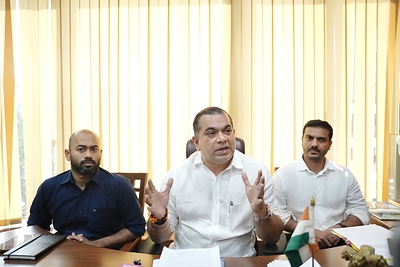
PORVORIM, India, Nov. 20, 2026 /PRNewswire/ — Strengthening the state’s Artificial Intelligence ecosystem, the Goa Cabinet today approved the Goa AI Policy 2026 along with five flagship schemes proposed by the Department of Information Technology, Electronics and Communications (DITE&C). The policy introduces a targeted budget allocation framework, dedicating 60% of the outlay towards AI skilling and capacity building, 20% towards AI startup promotion and support and 20% towards AI infrastructure development across the state.

Hon’ble Minister ITE&C, Shri Rohan A. Khaunte alongside Secretary IT, Shri Santosh Sukhadeve, IAS (left) and Director ITE&C, Shri Kabir Shirgaonkar (right).

At the post-Cabinet briefing, Hon’ble Chief Minister of Goa, Dr. Pramod Sawant emphasised that AI skilling initiatives will cover all levels, actively integrating school and college students into the state’s technology roadmap.

Highlighting the policy’s vision and transformative impact on the state, Shri. Rohan A. Khaunte, Hon’ble Minister for Information Technology, Electronics & Communications, said, “The approval of the Goa AI Policy 2026 and its schemes is a step towards advancing the Goa AI Mission 2027. By dedicating 60 percent of our outlay to AI skilling and grassroots capacity building, we are ensuring that students, teachers, local MSMEs and young innovators across every taluka are equipped for the AI era. Our vision of 50,000 graduates by 2030 is rapidly becoming a reality. This Government walks the talk, it will be a proud moment for all of us to see it delivered. We are one of the few states that hasn’t just drafted a policy, but has actively executed it and delivered real schemes on the ground. A total of 250 cr has been allocated under the Innovation Fund. For the next one quarter, 10 crore will be allocated out of which 60% is for skilling and rest for infrastructure and startup promotion.”

With allocation of 60%, the ‘AI Ready Goa Scheme – AI Skilling, Certification and Capacity Building Program’ commits to a future-ready and inclusive AI talent base, spanning phased introduction of AI fundamentals for schools, AI Labs in up to 50 Government schools and training of 500 teachers and a 100-expert AI Coach Network, while the ‘Konkani AI & Research Excellence Scheme – AI Research, Centers of Excellence and Language Technology Development’ intends to develop and release a Konkani LLM and speech/translation infrastructure via BHASHINI, with community-validated, consent-based corpus development.

With the budgetary allocation of 20%, the ‘Udyam AI Scheme – AI Adoption and Deployment Support for MSMEs’, calls for consolidating MSME support under Udyam AI through a structured handholding framework covering diagnostic support, DPDP readiness checks, advisory support, access to tools and compute, outcome-linked AI deployment assistance and skilling, aiming to support at least 200 MSMEs annually. The ‘Goa AI Startup & Innovation Promotion Scheme – Startup Funding, Incubation and Innovation Support’ further commits to supporting AI startups, MSMEs, research-led enterprises and technology firms through incubation, prototyping support, hackathons, Government challenge statements and sectoral Centres of Excellence and to developing the Goa AI Lab as a flagship co-working, prototyping and innovation hub.

20% has been sanctioned to strengthen and operationalise AI-related infrastructure. The ‘Goa AI Infrastructure & Compute Access Scheme – AI Compute, Sandbox, Data Exchange and Shared AI Infrastructure Program’ will specifically facilitate Goa State AI Compute access, indicatively equivalent to around 100 GPUs or equivalent GPU-hours through partnerships with CDAC, IndiaAI Compute Capacity, AIRAWAT, empanelled cloud providers or approved data-centre partners, with up to 10% reserved for sensitive/priority public-sector use cases.

Through the Goa AI Policy 2026 and the five schemes, the Department of Information Technology, Electronics and Communications is building an AI-ready workforce, positioning Goa at the forefront of ethical AI, regional language computing and a testbed for AI innovation across the country.


Cision View original content to download multimedia:https://www.prnewswire.com/in/news-releases/goa-cabinet-approves-goa-ai-policy-2026-and-five-flagship-schemes-302946827.html

Goa Cabinet approves Goa AI Policy 2026 and five flagship schemes

ARRB Systems India receives CRRI validation for iPAVe — introduces an integrated pavement assessment technology to India’s road sector

Showcased at the Indian Road Congress 2026, iPAVe is the only integrated platform of its kind in India, combining Network Survey Vehicle, Traffic Speed Deflectometer and Ground Penetrating Radar technologies in a single vehicle

NEW DELHI, Nov. 20, 2026 /PRNewswire/ — In a significant development for India’s road infrastructure assessment ecosystem, ARRB Systems India, the Indian arm of Australia-headquartered ARRB Systems, has announced the successful validation of its intelligent Pavement Assessment Vehicle (iPAVe) by the Central Road Research Institute (CRRI). The validation marks an important step towards the commercial deployment of an integrated pavement assessment solution designed to bring multiple road survey capabilities together in a single vehicle.

ARRB Systems Logo

As India’s road network continues to expand, assessing not just the visible condition of roads but also their underlying structural health is becoming increasingly important. Traditionally, different aspects of pavement assessment have required separate survey technologies and processes. ARRB Systems India’s iPAVe seeks to address this challenge through an integrated platform that combines functional and structural pavement evaluation in a single survey operation.

ARRB Systems India is the only company currently offering this combination of pavement assessment technologies within a single integrated vehicle in India. Bringing the international experience in pavement engineering, road surveying and asset management, iPAVe brings advanced assessment capabilities to the Indian market. The platform brings together three key capabilities such as:

  1. The Network Survey Vehicle (NSV) captures road surface conditions and functional parameters, enabling systematic assessment of road network quality.
  2. The Traffic Speed Deflectometer (TSD) evaluates pavement structural performance by measuring pavement deflection under moving traffic loads, helping identify structural weaknesses and assess the road’s load-bearing capacity.
  3. The Ground Penetrating Radar (GPR) uses radar technology to assess subsurface pavement characteristics and provide insights into pavement layers and their composition.

By integrating these capabilities, ARRB’s iPAVe equips road authorities to obtain a comprehensive picture of pavement health via a single survey platform. iPAVe is designed to support a bespoke, and evidence-based approach to road asset management. Its capabilities are particularly relevant for national and state road authorities, including the National Highways Authority of India (NHAI), the Ministry of Road Transport and Highways (MoRTH) and State Public Works Departments (PWDs), alongside infrastructure developers and engineering consultants.

Commenting on the development, Anand Kumar, Chief Business Officer, ARRB Systems India, said, “The successful validation of iPAVe is a significant milestone for ARRB Systems as it highlights our commitment to bringing globally advanced pavement assessment technologies to India. This technology alone can reduce dependence on multiple independent assessment exercises, improve the efficiency of data collection and help connect surface-level observations with underlying structural conditions.

As India’s road infrastructure expands, integrated, data-driven solutions are becoming increasingly essential. By combining multiple survey capabilities in a single platform, we believe this will help Indian road authorities strengthen maintenance planning, prioritise interventions and make more informed infrastructure investment decisions. We look forward to working with government agencies and other stakeholders.”

Adding to this, Ayachi Gupta, Director, ARRB Systems India, said, “Road infrastructure is an enabler of economic growth, social development and access to opportunities. As India continues to expand its road network, the focus must also shift towards quality, safety and long-term durability. At ARRB Systems India, we believe that advanced technologies such as iPAVe can play a vital role in enabling proactive road assessment, helping authorities identify potential issues early and make informed maintenance decisions. We are poised to support making of a smarter, safer and more sustainable road network for India.”

After a successful validation, ARRB Systems India is now considering iPAVe deployment commercially to deepen its engagement with the country’s road infrastructure and the extended ecosystem. This is a step forward in the company’s efforts to introduce advanced pavement engineering and assessment technologies to support better-informed decisions across India’s growing road network.

India has the world’s second-largest road network, with National Highways spanning approximately 1.46 lakh km, according to the Ministry of Road Transport and Highways (MoRTH). The scale of this network, coupled with the growing focus on road quality, durability and maintenance, underscores the need for more comprehensive and technology-driven pavement assessment solutions. MoRTH reported an average annual expenditure of approximately ₹6,000 crore on the maintenance and repair of National Highway stretches over the three years preceding its January 2025 update.

In this context, technologies such as ARRB Systems India’s iPAVe are poised to support road authorities in identifying pavement deterioration, prioritising maintenance interventions and making more informed infrastructure investment decisions.

About ARRB Systems India

Established in 2018, ARRB Systems India is the Indian presence of ARRB Systems, a global provider of advanced road survey equipment, pavement assessment technologies and road asset management solutions. Headquartered in Melbourne, Australia, ARRB Systems Pty Ltd is the original equipment manufacturer and proprietary technology holder of the Hawkeye platform and iPAVe technology. The company supports road authorities, infrastructure developers and consultants through advanced pavement assessment and data-driven road asset management solutions.


Cision View original content to download multimedia:https://www.prnewswire.com/in/news-releases/arrb-systems-india-receives-crri-validation-for-ipave–introduces-an-integrated-pavement-assessment-technology-to-indias-road-sector-302946836.html

ARRB Systems India receives CRRI validation for iPAVe -- introduces an integrated pavement assessment technology to India's road sector

Canara HSBC Life Insurance Renews Association with Canara Bank Marathon 2026, Championing a Healthier and Financially Secure India

Partnership reinforces a shared commitment to physical wellbeing, financial preparedness and stronger communities

BENGALURU, India, Nov. 20, 2026 /PRNewswire/ — Canara HSBC Life Insurance Company Limited has renewed its association with the Canara Bank Marathon 2026, reaffirming its commitment to encouraging healthier lives and greater financial preparedness. Scheduled for 22 November 2026 at Sree Kanteerava Stadium, Bengaluru, the event brings together individuals and communities around the shared values of discipline, resilience and long-term wellbeing.

Canara HSBC Life Insurance Logo

The association builds on the longstanding relationship between Canara Bank and Canara HSBC Life Insurance, extending their partnership beyond financial services to support an initiative that connects with people’s everyday aspirations. Through its participation, the Company aims to encourage individuals to approach their physical health and their families’ financial security with equal purpose.

Speaking on the association, Soly Thomas, Deputy CEO and Chief Distribution Officer, Bancassurance, Canara HSBC Life Insurance said, “India’s progress rests on the wellbeing and financial resilience of its families. As a life insurer, our responsibility is to help people protect what they are building and pursue their aspirations with confidence. Our association with the Canara Bank Marathon reflects this larger purpose—encouraging people to invest in their health while taking meaningful steps to secure their families’ future.”

“Building lasting financial security, much like preparing for a marathon, requires an early start, consistent effort and a long-term commitment. We are proud to stand alongside Canara Bank in an initiative that brings communities together and puts wellbeing at the centre. We want the spirit of race day to inspire habits that endure—staying active, planning ahead and protecting the people who depend on us.”

Featuring 3K, 5K and 10K runs, the event welcomes participants at different stages of their fitness journeys, from first-time runners to those pursuing new personal milestones. Soly Thomas will attend the event to represent Canara HSBC Life Insurance.

For Canara HSBC Life Insurance, the partnership reflects its ‘Promises Ka Partner’ philosophy – helping customers honour their commitments to loved ones and protect their aspirations through life’s uncertainties. By supporting the Canara Bank Marathon, the Company seeks to bring the importance of financial protection into a positive community experience and encourage conversations that translate awareness into action.

About Canara HSBC Life Insurance

Incorporated in 2007, Canara HSBC Life Insurance Company Limited is a publicly listed company co-promoted by Canara Bank (36.5%) and HSBC Insurance (Asia-Pacific) Holdings Limited (25.5%), with the remaining shareholding held by public shareholders, including Punjab National Bank (13%). As a bancassurance-led insurance company with its corporate office in Gurugram, Haryana, and 107 branch offices as of September 30, 2026, across India, Canara HSBC Life brings together the trust and market knowledge of public and private banks.

For more than 18 years, Canara HSBC Life Insurance has sold insurance products to customers through multiple channels and a well-diversified network of Canara Bank, HSBC Bank and its other bancassurance partners located in multiple Tier 1, 2 and 3 cities across the country. Canara HSBC Life Insurance has a vast portfolio of life insurance solutions and offers various products across individual and group insurance segments comprising life, term plans, retirement solutions, credit life and employee benefit segments through partner banks and digital channels.

With an aim to provide simpler insurance and faster claim process, Canara HSBC Life Insurance intends to keep the promises of their customers alive with their “Promises Ka Partner” philosophy.

For further press queries email us on prateek.sharma@canarahsbclife.in

Cision View original content to download multimedia:https://www.prnewswire.com/in/news-releases/canara-hsbc-life-insurance-renews-association-with-canara-bank-marathon-2026-championing-a-healthier-and-financially-secure-india-302946860.html

Canara HSBC Life Insurance Renews Association with Canara Bank Marathon 2026, Championing a Healthier and Financially Secure India

IFFI 2026: Ashutosh Gowariker Unveils Vision Behind ‘Stories Without Borders’

IFFI 2026: Ashutosh Gowariker Unveils Vision Behind ‘Stories Without Borders’

Festival Director Ashutosh Gowariker highlights three new cinematic sections, greater visibility for documentaries and the role of media in taking global cinema to wider audiences.

Panaji, Nov 20: The 57th International Film Festival of India (IFFI) is setting its sights on cinema as a force that can connect people across geographical, social and cultural divides. Built around the theme ‘Stories Without Borders’, this year’s festival aims to bring together films that explore shared human experiences while reflecting the diversity of societies and cultures.

At a media briefing held at the PIB Media Centre in Panaji on Friday, Festival Director Ashutosh Gowariker outlined the vision behind the 2026 edition and called on media professionals to explore the festival’s wide-ranging programme. The session was attended by Dhiraj Singh, Managing Director of the National Film Development Corporation (NFDC), and moderated by Smita Vats Sharma, Director General (West), Press Information Bureau.

Theme explores boundaries within society

Explaining the central theme, Gowariker said that ‘Stories Without Borders’ is not limited to national or geographical boundaries. It also addresses divisions within families and communities, including those shaped by caste, social differences and other socio-cultural realities.

The festival seeks to showcase stories that move beyond these barriers and highlight emotions and experiences that connect people across different backgrounds.

Three new sections broaden the festival programme

A key feature of this year’s edition is the introduction of three new sections: Animation, Documentary and Films about Films.

Gowariker highlighted the growing importance of documentary filmmaking and the need to create greater opportunities and visibility for documentary creators. In this connection, IFFI will organise a special gala presentation of films made by winners of the recently concluded Mumbai International Film Festival (MIFF).

The expanded programme also includes retrospectives, curated showcases and special screenings, offering audiences opportunities to engage with different forms, styles and traditions of filmmaking.

Media urged to explore the full cinematic line-up

The Festival Director encouraged journalists and other media representatives to look beyond their usual film preferences and experience the festival across its various sections.

He specifically highlighted gala screenings, red-carpet events, international press conferences and Panorama interactions as important opportunities to engage with filmmakers and visiting delegates, understand their creative journeys and discover new cinematic perspectives.

Gowariker also urged media professionals to cover films across categories, including retrospectives, while maintaining their independent editorial judgement and critical approach. He said media coverage plays a significant role in bringing the festival’s films and conversations to audiences across the country.

Greater flexibility for media interactions

Addressing the practical needs of journalists covering the event, Gowariker expressed his willingness to facilitate informal and meaningful interactions between the media and the festival team. He said arrangements had been adjusted to provide greater flexibility, taking into account the professional commitments of media personnel and the time required to cover festival activities.

The briefing also saw the unveiling of the official brochure of the 57th IFFI.

Running from November 20 to 28, 2026, the festival continues to position itself as an international meeting point for filmmakers, audiences and industry professionals. With its expanded programming and emphasis on stories that cross social and cultural boundaries, IFFI 2026 aims to strengthen cinema’s role in encouraging dialogue, creativity and cross-cultural understanding.

Indian Railways Holds Digital Life Certificate Camp in Delhi, 250 Pensioners Benefit

New Delhi, Nov 20: Indian Railways organised a special camp in the national capital under the Digital Life Certificate (DLC) Campaign 5.0 to help pensioners complete their annual life certificate submission through digital means.

Indian Railways Holds Digital Life Certificate Camp in Delhi, 250 Pensioners Benefit

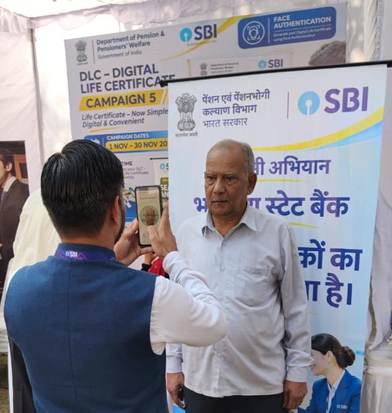
The mega camp, held on November 19, was jointly organised by Northern Railway Headquarters and the Delhi Division. It enabled pensioners to submit their Digital Life Certificates using the Jeevan Pramaan App’s face authentication facility, reducing the need for conventional, in-person verification procedures.

More than 250 pensioners attended the initiative and registered for the digital submission process. Of these, 58 Digital Life Certificates were generated at the venue through face authentication.

Banks and UIDAI extend support

Railway personnel and representatives from 12 participating banks assisted pensioners throughout the process. Officials helped attendees navigate the app and complete the required formalities to ensure a smooth experience.

Representatives of the Unique Identification Authority of India (UIDAI) were also present to provide assistance with Aadhaar verification and updates. A health camp was organised alongside the digital service facility for the benefit of pensioners attending the programme.

The initiative brought together railway officials, banking representatives and Aadhaar authorities to address different requirements pensioners may face while submitting their life certificates.

Senior officials attend the programme

The camp was attended by Smt. Nivedita Shukla Verma, Secretary, Department of Pension and Pensioners’ Welfare (DoPPW); Shri Harsh Khare, Additional General Manager, Northern Railway; Smt. Rekha Yadav, PED/IR, Railway Board; and Shri Sujit Kumar Mishra, Principal Chief Personnel Officer, Northern Railway, among other dignitaries.

The programme forms part of Indian Railways’ efforts to expand access to digital pension services and make essential procedures more convenient for retired employees.

Through initiatives such as the Digital Life Certificate Campaign, the Railways aims to encourage the use of technology while ensuring that pensioners receive assistance in completing important pension-related requirements.

Scientists Discover New Way to Control Quantum Magnetism for Future Data Storage

Scientists Discover New Way to Control Quantum Magnetism for Future Data Storage

New research shows how changing the connections in a quantum network can reshape its magnetic order, potentially paving the way for advanced quantum devices.

New Delhi, Nov 20: Scientists at the Raman Research Institute (RRI) have demonstrated a new way to control magnetic ordering in a quantum system by modifying the connections between its constituent particles. The theoretical breakthrough could open fresh possibilities for designing quantum devices, including technologies capable of storing quantum information.

The study, conducted by RRI researchers Revathy B. S., a postdoctoral fellow, and Shovan Dutta, Assistant Professor in the institute’s Theoretical Physics group, explores how the arrangement of interacting quantum particles responds to changes in the geometry of a network.

RRI is an autonomous institute under the Department of Science and Technology (DST).

Changing network connections to control quantum behaviour

The researchers examined a square lattice in which one site is vacant, creating a hole, while the remaining sites are occupied by electrons. Each electron carries an intrinsic quantum property known as spin, which can point either up or down.

As the hole moves between sites, its motion influences how the surrounding electron spins arrange themselves. This phenomenon, known as kinetic magnetism, differs from conventional magnetism, which generally arises from direct interactions between spins. Instead, kinetic magnetism emerges from the quantum motion of particles and has no classical counterpart.

In magnetic systems, ferromagnetic order occurs when spins align in the same direction, while antiferromagnetic order involves neighbouring spins pointing in opposite directions. Earlier research had established that a square lattice containing one hole could favour a ferromagnetic ground state.

The RRI team found that this magnetic arrangement can be modified by changing the lattice’s connectivity.

A diagonal bond creates a different magnetic pattern

The researchers showed that introducing a diagonal connection between two sites in the square lattice can cause the spins of the corresponding electrons to form a singlet — a quantum state in which the two spins are antiparallel and entangled.

While this pair develops a distinct magnetic arrangement, the remaining sites retain their ferromagnetic order, with the hole continuing to move through the network.

The finding suggests that a relatively small, local change in the network’s structure can influence the magnetic organisation of the larger quantum system.

Lead researcher Revathy B. S. said the effect was remarkably predictable: introducing a diagonal bond at a chosen location could reliably produce singlet formation there.

The researchers therefore demonstrated that the overall magnetic order of a quantum many-body system can be engineered by adjusting its geometry and connectivity.

Co-author Shovan Dutta noted that the result is particularly striking because comparable geometric changes in classical systems do not necessarily produce the same changes in magnetic ordering.

Advanced computation helps solve a complex problem

Understanding such quantum systems has been challenging because of the enormous computational effort required to analyse their possible configurations.

Even a lattice containing 20 sites can generate around two million possible configurations, making a direct examination extremely demanding.

To overcome this challenge, Revathy and Dutta combined advanced numerical calculations with analytical methods. This enabled them to identify the microscopic patterns responsible for the changes in magnetic order and explain the physical mechanisms behind them.

The findings have been published in the journal Physical Review B.

Potential implications for quantum information technology

Although the research is theoretical, it comes at a time when experimental techniques are advancing towards the possibility of observing and testing complex quantum phenomena.

The work could contribute to future approaches for designing and controlling quantum states in interacting-particle systems.

Conventional hard drives store information through magnetic patterns representing classical bits. The singlet states identified in the study, however, are entangled quantum states and could potentially offer a route towards storing quantum information.

The research does not demonstrate a working quantum memory, but it provides a theoretical framework for exploring how network geometry can be used to shape quantum states — an important step towards developing future quantum technologies.


Tripura to Get 150-Seat OBC Students’ Hostel in North Tripura With Central Funding

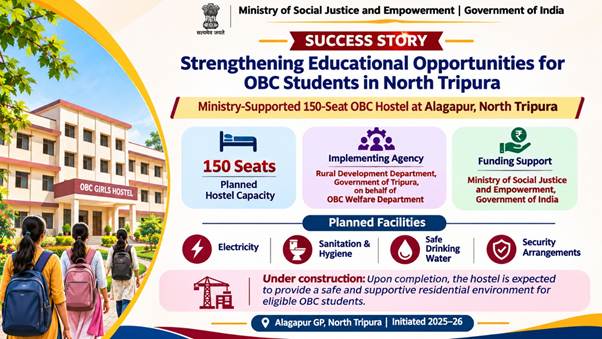
Agartala, Nov 20: Educational access for students from disadvantaged communities in Tripura is set to receive a boost with the establishment of a 150-seat residential hostel for students belonging to the Other Backward Classes (OBC) community at Alagapur Gram Panchayat in North Tripura.

Tripura to Get 150-Seat OBC Students' Hostel in North Tripura With Central Funding

The initiative, supported by the Union Ministry of Social Justice and Empowerment, aims to address accommodation-related challenges faced by students, particularly those from rural and economically weaker backgrounds, and provide them with a safe and supportive environment to continue their education.

The project was initiated during the financial year 2025-26 and is designed to accommodate up to 150 eligible OBC students once the facility becomes operational.

Centre-State Partnership to Strengthen Educational Infrastructure

The hostel is being implemented by the Rural Development Department of the Tripura Government on behalf of the state’s OBC Welfare Department, with financial assistance from the Union Ministry of Social Justice and Empowerment.

The collaborative arrangement highlights the role of Centre-State cooperation in expanding educational infrastructure and improving access to learning opportunities for socially and economically disadvantaged communities.

Hostel to Offer Essential Residential Facilities

The proposed facility will include essential amenities such as electricity, proper sanitation, hygiene facilities, safe drinking water and adequate security arrangements.

These provisions are intended to create a healthy and secure residential environment where students can focus on their studies without facing the difficulties associated with finding affordable accommodation.

For students from remote and rural areas, access to residential facilities can play an important role in reducing barriers to higher education and ensuring continuity in their academic journeys.

Focus on Skills, Leadership and Academic Development

Apart from providing accommodation, the hostel is envisioned as a platform for the overall development of students.

The initiative will encourage academic excellence, leadership development and participation in skill-building activities. Refresher programmes and skill-orientation courses are also envisaged to help students improve their capabilities and prepare for future educational and professional opportunities.

The project forms part of the Ministry of Social Justice and Empowerment’s broader efforts to promote inclusive education and ensure equitable access to opportunities for disadvantaged sections of society.

By expanding residential educational infrastructure, the initiative seeks to support the aspirations of OBC students and contribute to the national vision of building an inclusive and empowered India under Viksit Bharat@2047.

Once operational, the 150-seat hostel is expected to provide an important support system for eligible students pursuing their educational goals in North Tripura.