In today’s digital age, media coverage plays a crucial role in shaping how brands are perceived by the public. From news articles and online reviews to social media mentions, media acts as a powerful bridge between businesses and consumers. A well-planned media strategy not only increases brand visibility but also builds credibility, making it an essential component of modern brand development.
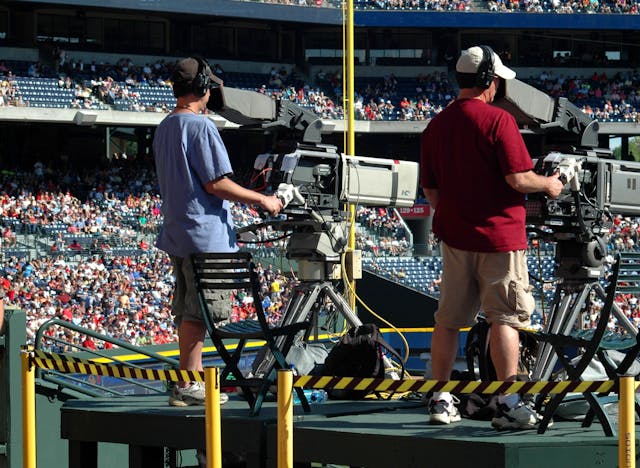
Branding goes beyond logos and visual identity—it represents a company’s values, reputation, and overall image. To effectively communicate this identity, many businesses rely on professional agencies. Partnering with a best media coverage company can help brands gain positive exposure, manage public perception, and reach a wider audience. Positive media coverage strengthens a brand’s reputation and creates trust, while negative publicity can harm its image, making strategic media management crucial.
Media coverage exists in various forms, including press releases, interviews, news stories, and social media engagement. Traditional media outlets such as newspapers and television continue to provide credibility and authority. At the same time, digital platforms enable brands to connect directly with their audience, share updates instantly, and build interactive relationships. This combination creates a dynamic environment where brands must remain active and responsive.
One of the most important impacts of media coverage is its influence on consumer trust. Modern consumers often rely on online information and media reviews before making purchasing decisions. Positive media mentions act as social proof, reinforcing a brand’s reliability and encouraging customer confidence. On the contrary, negative media exposure can lead to doubt and reduced customer loyalty, highlighting the importance of maintaining a consistent and transparent public image.
Media coverage also serves as a powerful marketing tool. Businesses can generate attention through well-crafted press releases, product launches, and collaborations with influencers. These strategies help increase visibility and create buzz around the brand. Influencer partnerships, in particular, allow brands to tap into established audiences, boosting both credibility and engagement.
However, media coverage comes with risks. Negative press can spread quickly, especially through social media platforms, potentially damaging a brand’s reputation. Issues such as product failures, poor customer experiences, or controversies can escalate rapidly if not addressed. To handle such situations, brands must implement strong reputation management strategies, respond promptly to feedback, and maintain transparency.
Building strong relationships with media professionals is equally important. Engaging with journalists, sharing valuable insights, and maintaining open communication can increase the likelihood of positive coverage. Brands that invest in these relationships are better positioned to control their narrative and enhance their public image.
Looking ahead, the future of media and branding will continue to evolve with the rise of digital platforms and influencer marketing. Brands that focus on authenticity, adaptability, and consistent communication will have a competitive advantage.
In conclusion, media coverage is a key driver of brand success. By leveraging positive exposure, managing risks effectively, and working with the right media partners, businesses can build strong, credible, and lasting brand identities in an increasingly competitive market.