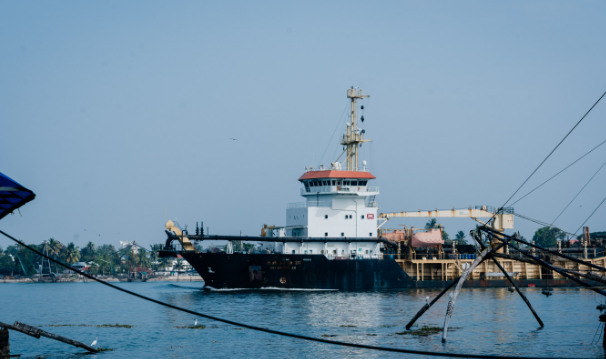
Pic Credit: Pexel
Thiruvananthapuram, Aug 18: The expansion of Vizhinjam International Seaport is set to strengthen Kerala’s position in India’s maritime economy, with the Rs 16,000-crore Phase 2 project expected to increase the port’s annual capacity to 5.7 million TEUs and generate more than 5,000 direct and indirect jobs.
A Bigger Port, A Bigger Opportunity
The expansion comes as Vizhinjam begins full-fledged export-import operations, marking an important step in its evolution from a transshipment hub into a wider gateway for Indian trade.
The Phase 2 project will add around 1,200 metres of container berths and bring permanent rail connectivity, improved road infrastructure, logistics parks, warehousing and other facilities. The accelerated development is targeted for completion by December 2028.
New Opportunities Around the Port
The impact of the project is expected to extend well beyond cargo handling. A larger port can create demand for transportation, freight forwarding, warehousing, packaging, equipment maintenance, shipping services and other businesses.
For local entrepreneurs and MSMEs, this could open new opportunities to provide services to port operators, exporters, importers and logistics companies.
As activity increases, the surrounding region could also see greater demand for commercial facilities, accommodation, food services and other support businesses, creating a broader economic ecosystem.
Employment Growth in the Maritime Sector
The expected creation of more than 5,000 direct and indirect jobs could provide new opportunities for workers across Kerala.
Port expansion is likely to increase demand for people with skills in cargo handling, logistics, engineering, transportation, warehousing, equipment operations and maritime services. It could also encourage greater investment in specialised training and skill development.
For young people, the growth of the port could therefore create career opportunities not only inside the terminal but across the wider maritime and logistics sector.
Stronger Links to Global Markets
The start of EXIM operations gives businesses a more direct route for handling international cargo. Better connectivity can help exporters and importers move goods more efficiently while improving the reliability of supply chains.
The planned road and rail infrastructure will be particularly important. A modern port can achieve its full potential only when cargo can move smoothly between the terminal, industrial areas, warehouses and markets.
Investment Could Multiply Around Vizhinjam
With the Phase 2 investment, cumulative investment in the Vizhinjam project is expected to reach around Rs 30,000 crore.
The scale of investment could encourage further private-sector participation in logistics, industrial infrastructure, warehousing and related services.
This creates the possibility of a multiplier effect: port investment can attract logistics companies, logistics activity can support manufacturers and exporters, and the resulting business growth can generate additional employment.
Building Kerala’s Maritime Future
Vizhinjam’s location close to major international shipping routes gives it an important strategic advantage. Its expanding capacity could strengthen Kerala’s role in India’s maritime trade while creating new opportunities for investment and employment.
The success of the project, however, will depend on the timely development of supporting infrastructure, efficient cargo movement and a business environment that encourages private investment.
For Kerala, Vizhinjam represents more than a port expansion. It offers an opportunity to build a larger maritime economy where shipping, logistics, manufacturing, entrepreneurship and employment grow together.
