
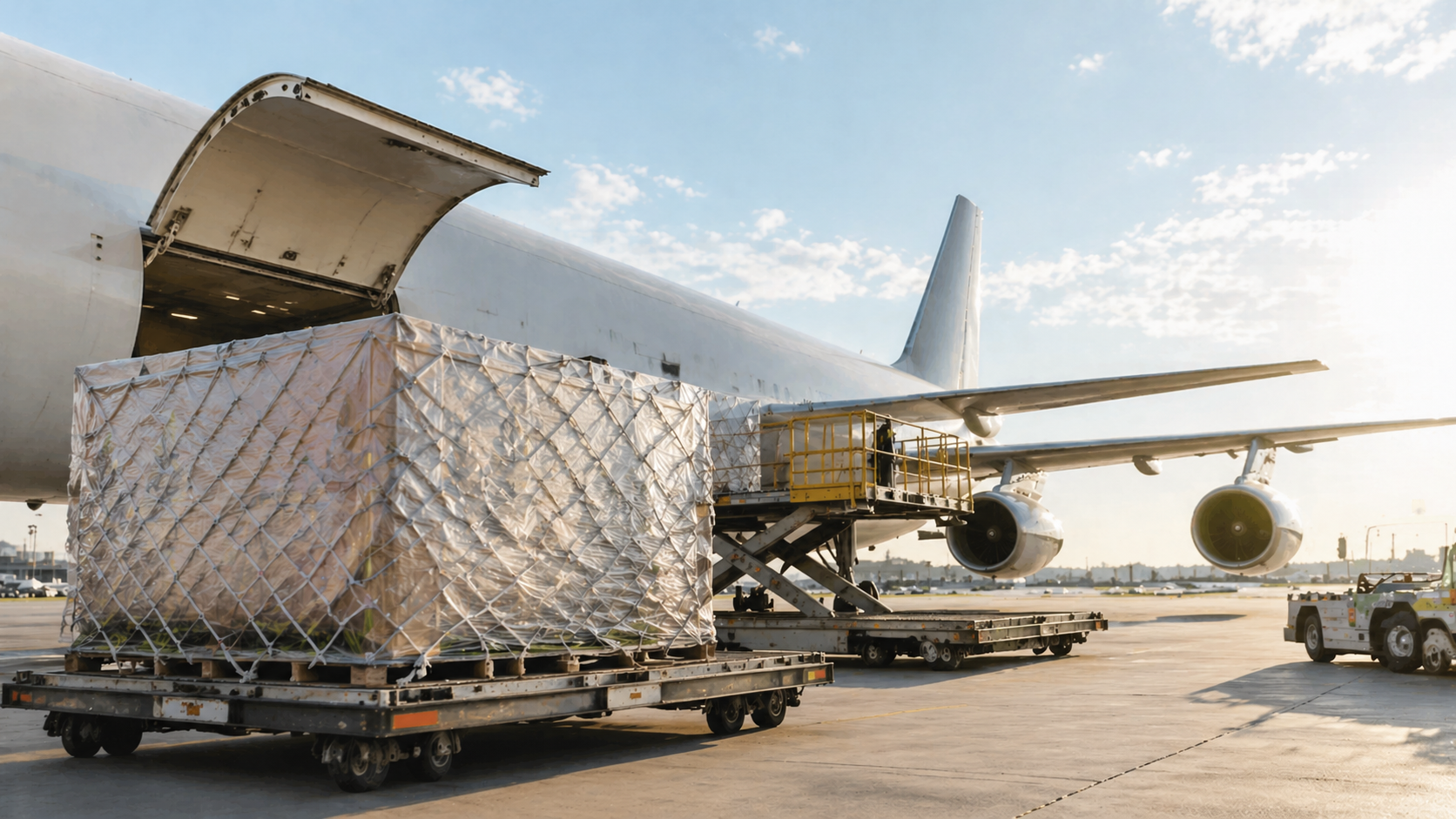
Global logistics is going through a structural shift. Air cargo is no longer seen only as a premium option for emergencies. For many companies, it has become a practical tool for managing speed, uncertainty, and supply chain risk.
Why Air Freight Demand Is Growing
Global air cargo demand has continued to rise in recent years, supported by international trade, e-commerce growth, and the need for faster delivery. In 2025, demand reached record levels when measured by cargo tonne-kilometers.
Several factors are driving this trend:
- more complex global supply chains;
- higher expectations for fast delivery;
- disruptions in ocean and land transport;
- growth in high-value and time-sensitive goods;
- increased demand for flexible logistics solutions.
Air cargo is not replacing sea freight. Instead, it is becoming an essential part of diversified logistics strategies.
At the same time, companies such as company ACGC are part of this shift toward more flexible and efficient air freight solutions.
The E-commerce Effect on Air Cargo
E-commerce has significantly reshaped delivery expectations. Customers now expect fast shipping, even across borders. This has increased the role of air freight in moving goods that are valuable, seasonal, or time-sensitive.
Air cargo is widely used for electronics, fashion, pharmaceuticals, spare parts, and perishable products. In these sectors, delays can lead to lost revenue, production issues, or product spoilage.
Supply Chain Disruptions Push Businesses Toward Speed
Global supply chains remain vulnerable to disruption. Port congestion, geopolitical tensions, weather events, and regulatory changes can delay shipments and create uncertainty.
In such situations, businesses often turn to air freight to maintain continuity. While it is more expensive than sea transport, it helps reduce the impact of missed deadlines, stock shortages, and production downtime.
As a result, air cargo is increasingly used not only for urgent shipments but also as a strategic backup.
Technology Is Making Air Freight More Accessible
The air cargo sector is evolving through digitalization. Online booking systems, real-time tracking, automated documentation, and improved route planning are making air freight easier to manage.
These tools increase transparency and reduce errors. They also allow businesses to better compare delivery options based on time and cost.
Another important factor is the use of cargo space on passenger aircraft. As passenger traffic grows, this additional capacity supports the expansion of global air freight.
Long-Term Outlook for Air Cargo
Air cargo demand is expected to continue growing over the long term. This growth is supported by global trade, express delivery, and the increasing movement of high-value goods.
At the same time, the industry faces challenges. Air freight remains more expensive and more carbon-intensive than many other transport options. Fuel costs, capacity limits, and environmental regulations will continue to influence the market.
The Bottom Line
Air cargo demand continues to rise because businesses need speed, reliability, and flexibility in an unpredictable global environment.
It is not the right solution for every shipment. However, for urgent and high-value goods, air freight remains one of the most effective ways to keep supply chains moving.