By Mr. Pranav Bansal, MD & CEO, Bansal Wire Industries on the Union Budget 2026
“The Union Budget’s Rs 20,000-crore Carbon Capture and Utilisation (CCUS) scheme is a timely and pragmatic intervention for India’s steel sector, where a large share of emissions are structurally hard to abate. Enabling CCUS deployment across power, steel, cement and refining can create immediate and measurable impact, allowing existing assets to align with climate goals while sustaining industrial growth. Equally significant is the Budget’s clear thrust on strengthening domestic manufacturing, particularly through support for construction and infrastructure equipment and the proposed infrastructure risk guarantee fund, which together can improve project viability and crowd in private capital.
For us, the real opportunity lies in integrating CCUS pathways, energy-efficient processes and cleaner material inputs into our operations, while continuing to serve India’s expanding infrastructure needs. The way forward must now focus on rapid technology deployment, bankable demonstration projects and close industry-government collaboration, so that India’s steel value chain can emerge as a globally competitive, low-carbon engine of growth for Viksit Bharat.” Mr. Pranav Bansal, MD & CEO, Bansal Wire Industries Limited.
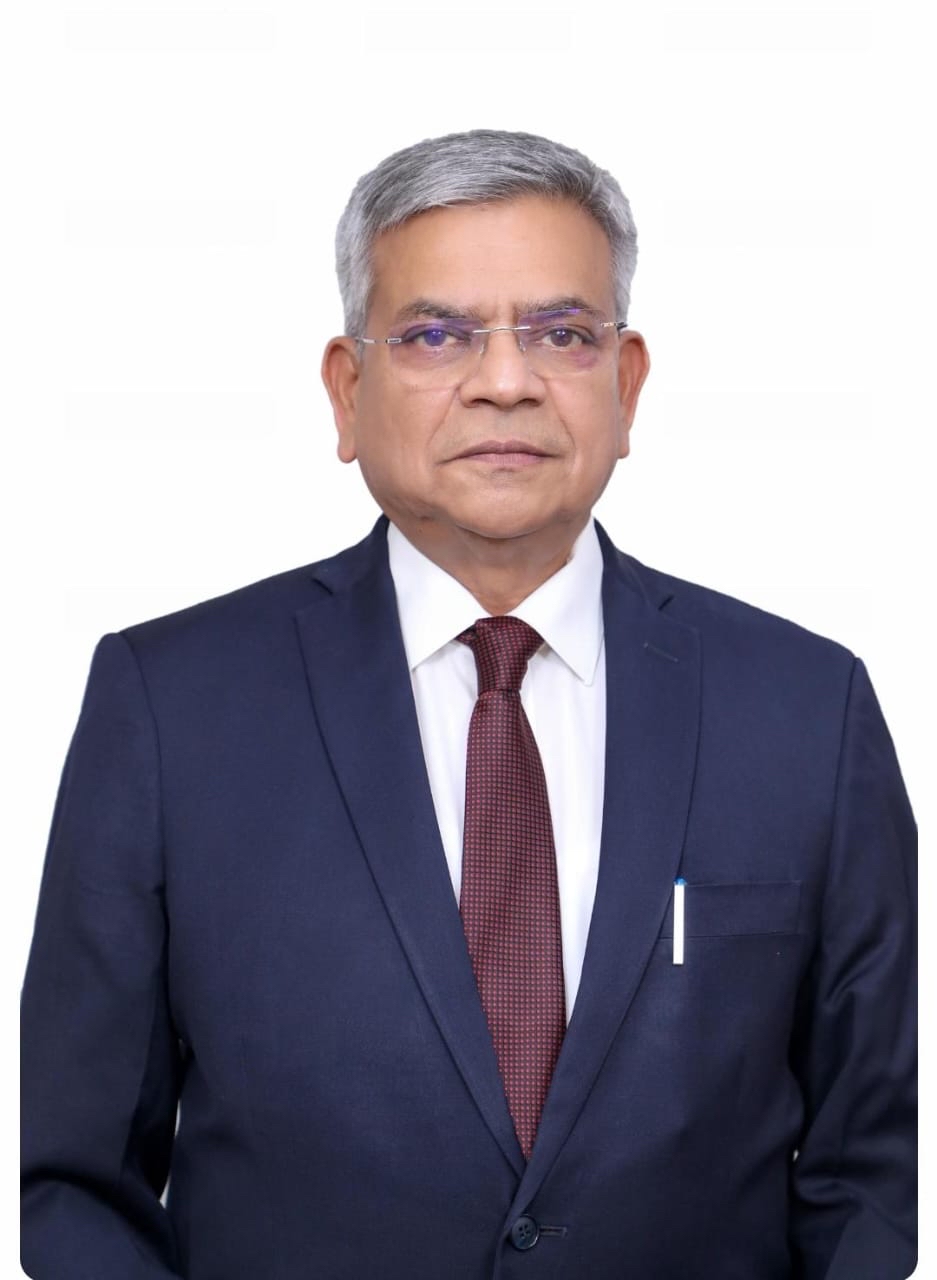
By Mr. K.L. Bansal, Chairman and Managing Director, DEE Development Engineers
“What stands out from this Budget is the continuity in supporting sectors that require sustained capital investment and long-term planning. There is a clear acknowledgement of emerging areas such as alternative and clean fuels, alongside core segments like nuclear power and steel. For industries that operate on long execution cycles, policy stability and public investment provide the confidence needed to plan capacity, deepen localisation, and strengthen manufacturing capabilities over time. Equally important are the customs reforms announced, particularly the move towards automated, trust-based clearance and reduced compliance touchpoints, which will meaningfully improve ease of doing business and reduce transaction timelines for manufacturers.
The approach to the energy transition also appears balanced and practical. Clean energy solutions such as biomass and waste-to-energy are being recognised for their ability to address emissions, rural income generation, and energy availability together. When combined with nuclear power as a stable, low-carbon baseload and steel as the backbone of infrastructure development, this creates a more integrated energy and manufacturing framework. Looking ahead, such alignment between policy intent and industrial needs, supported by smoother trade facilitation, should help attract long-term investment, improve domestic competitiveness, and support steady, sustainable growth across the sector.”