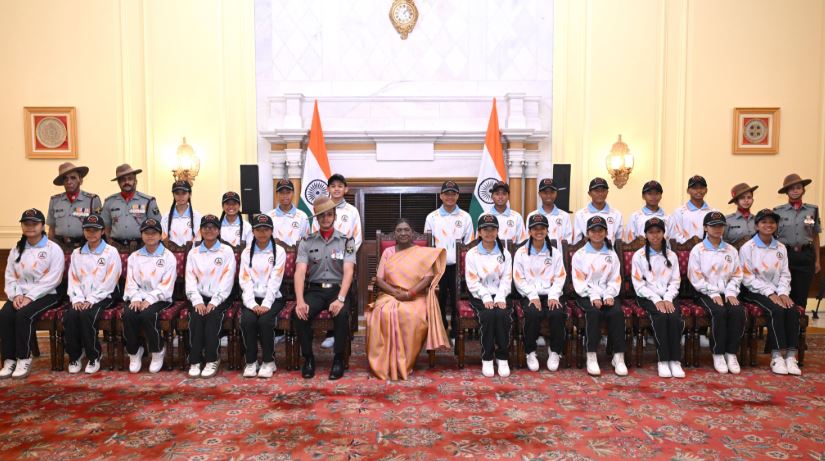
The National Integration Tour is a vital initiative aimed at promoting unity and understanding among the diverse cultural fabric of India. With a nation comprising multiple languages, traditions, and backgrounds, such tours play a crucial role in fostering connections and building a sense of national identity among the youth. They serve as a platform for students to engage with peers from various regions, allowing them to broaden their perspectives and appreciate the rich heritage that characterizes the country.
In the context of this tour, a group of enthusiastic students from Manipur embarked on a journey to Rashtrapati Bhavan, symbolizing the essence of this initiative. These students, hailing from a region known for its unique culture and traditions, sought to experience firsthand the historical significance of the nation’s presidential residence while gaining insights into the functioning of democratic institutions. Their motivation stems from a desire to enhance their understanding of India’s governance as well as to connect with other young individuals who share the same aspirations of promoting national solidarity.
As participants in the National Integration Tour, the students from Manipur are encouraged to immerse themselves in the values of diversity and inclusivity. These experiences not only promote interpersonal connections but also instill appreciation for the various cultures that coexist within India. Through visits to significant heritage sites and interactions with representatives of different states, students can reflect on the importance of unity in a country that celebrates heterogeneity.
Ultimately, the National Integration Tour is not merely an educational trip; it is an opportunity for young minds to learn the importance of unity. As this group from Manipur embarks on their journey, they exemplify the spirit of the initiative, embracing the chance to witness the confluence of traditions and the collective narrative that binds the nation together.
A group of students from Manipur called on President Droupadi Murmu. The group visited Rashtrapati Bhavan as part of the National Integration Tour. pic.twitter.com/bNWeJbIR6L
— President of India (@rashtrapatibhvn) October 26, 2025
The visit to Rashtrapati Bhavan by the students from Manipur was a remarkable experience, encapsulating the essence of India’s rich heritage and governance. The day began with an early morning assembly, where the students were briefed about the significance of the President’s residence, emphasizing its role as a symbol of the nation. The itinerary included a guided tour of the sprawling gardens and striking architectural elements that embody the British colonial era, alongside Indian cultural motifs.
As the students entered the main building, they were awestruck by the grandeur of the architecture. They visited the renowned Durbar Hall, which serves as a venue for important state functions. The hall’s majestic dome and intricate decorations left a lasting impression on the students. Additionally, the visitors explored the Ashoka Hall, a space that highlights India’s presidential decisions and diplomatic engagements. This carefully curated tour allowed the students to absorb the historical and political significance embedded within these iconic walls.
The students also participated in informative briefings about the various functions of the Rashtrapati Bhavan, enriching their understanding of India’s political framework. Engaging discussions on the responsibilities of the President and the significance of Rashtrapati Bhavan as a national monument sparked curiosity among the attendees. Students were encouraged to ask questions, fostering an interactive learning environment that deepened their appreciation for India’s democratic processes.
Personal anecdotes shared by the students added a heartfelt dimension to the day’s events. Many expressed their excitement to witness the President’s ceremonial attire, while others recounted moments of inspiration as they envisioned their future roles in society. Overall, the visit to Rashtrapati Bhavan provided the students with invaluable insights into national integration and pride, reinforcing their connection to India’s diverse culture and governance.
During the recent visit of students from Manipur to Rashtrapati Bhavan, a significant highlight was the interaction with President Droupadi Murmu. This occasion was not only an opportunity for the young visitors to engage directly with the highest constitutional authority of the country, but also served as a platform for meaningful dialogue on education, motivation, and national aspirations. The students were keen to express their thoughts and questions, demonstrating their enthusiasm for participation in the nation’s development.
President Murmu welcomed the students warmly, emphasizing the importance of youth engagement in the democratic process. Her address contained powerful messages that resonated with the collective hopes of the students. She spoke of her commitment to fostering an inclusive nation, encouraging the students to be active participants in shaping their future. By sharing her own journey and challenges faced along the way, President Murmu underscored the significance of resilience and ambition.
In return, the students eagerly shared their aspirations and concerns regarding various national issues, ranging from education reforms to environmental sustainability. Their questions illustrated a keen awareness of the socio-political landscape and indicated a desire for constructive dialogue with leaders. This interaction illuminated the bridge between the youth and the leadership, reinforcing the idea that the voices of the younger generation are vital for the country’s progress. It created an inspiring atmosphere that motivated students to think critically about their roles in the future of India.
Such interactions not only empower the students but also provide leaders with valuable insights into the hopes and challenges of the youth. The visit to Rashtrapati Bhavan, therefore, was marked not only by ceremonial significance but by a genuine exchange of ideas that can inspire a more engaged citizenry. This connection between the President and the future leaders of the nation stands as a testament to the importance of dialogue in fostering unity and progress.
The recent visit of students from Manipur to Rashtrapati Bhavan has had a profound impact on their perceptions of national identity, governance, and civic responsibility. For many of these young learners, the experience was not merely a tour of a prominent historical site; it was a journey into the heart of Indian democracy. Witnessing the presidential residence, learning about its significance, and understanding the functions of the highest constitutional authority in the country have left them with a greater appreciation for the complexities of governance.
Students expressed that this visit reinforced their sense of belonging to a greater national community. They realized that, despite regional differences, every citizen plays a vital role in shaping the future of the nation. Engaging with officials, staff, and guides during the tour allowed them to discuss issues surrounding national development, leading to meaningful conversations about their responsibilities as members of society. This setting has created a platform for them to reflect on what it means to be a responsible citizen, underlining the necessity of active participation in democratic processes.
The implications of such tours extend beyond individual reflections; they serve as a catalyst for wider youth empowerment initiatives. By participating in these educational experiences, students are encouraged to think critically about their role in governance and societal progress. These insights are essential for fostering a generation that is not only informed but also motivated to contribute effectively to nation-building. The visit has encouraged the students to remain engaged, seek further knowledge about their country, and participate in initiatives that promote civic virtues.
In conclusion, the reflections shared by the students underscore the transformative potential of national integration tours. These experiences can inspire young minds to develop a strong sense of duty and become active participants in the evolution of their communities and the nation at large.