Archive: January 30, 2026

Desert X AlUla 2026: monumental land art exhibition opens in the ancient oasis of AlUla

Works by Mohammed Al Saleem throughout the exhibition are on loan courtesy of Riyadh Art collection, The Royal Commission for Riyadh City.

Desert X AlUla 2026: monumental land art exhibition opens in the ancient oasis of AlUla

AlUla, Saudi Arabia, Jan 30: This week marked the official opening of Desert X AlUla 2026, the landmark fourth edition of the international, open-air biennial exhibition. Arts AlUla, in collaboration with Desert X, welcomes visitors to experience a stellar line-up of Saudi and international multi-generational artists whose site-responsive earthworks, sculptures, and installations will engage in a powerful dialogue with the awe-inspiring landscapes and layered heritage of AlUla.

As a premier destination rich in ancient history and breathtaking nature, AlUla, located in Northwest Saudi Arabia, solidifies its position on the global stage as a dynamic, emerging land art destination with Desert X AlUla, the region’s first public art biennale, and a key highlight of the AlUla Arts Festival.

The 2026 edition of Desert X AlUla brings together 11 acclaimed artists whose diverse works reflect a wide spectrum of ideas, materials, and traditions. From monumental kinetic sculpture to sound-based explorations above and below ground, each commission is deeply rooted in relationships to AlUla’s distinctive environment, further cementing Desert X AlUla’s reputation as a globally significant platform for site-responsive land art.

Desert X AlUla runs until February 28, 2026, as a cornerstone of the annual AlUla Arts Festival. Curated by Wejdan Reda, Zoé Whitley, with artistic direction by Neville Wakefield, and Raneem Farsi, its fourth edition explores ‘Space Without Measure.’ Inspired by Kahlil Gibran, the theme fosters contemplation of imagination within AlUla’s natural settings. The exhibition, set in the desert canyons of AlUla, serves as a pre-opening programme for Wadi AlFann, offering a pivotal glimpse into AlUla’s plans to create a permanent land art ‘Valley of the Arts’.

Hamad Alhomiedan, Director of Arts & Creative Industries at the Royal Commission for AlUla (RCU), said: “At Desert X AlUla 2026, audiences will engage with art that deeply converses with AlUla’s unique landscapes and rich heritage. These compelling commissions highlight AlUla’s dynamic transformation into a major global destination, where ancient and contemporary expressions converge. This exhibition is part of our broader revitalisation of AlUla as a culturally rich destination to live, work and visit and integral to positioning AlUla in the global dialogue of contemporary art and as a precursor to monumental projects like Wadi AlFann.”

Participating artist/artworks are:

·      Sara Abdu, A Kingdom Where No One Dies: Contours of Resonance

·      Mohammad Alfaraj, What was the Question Again?

·      Mohammed AlSaleem, The Thorn, AlShuruf Unit, The Triangles, Flower Bud, and Al Ahilla (courtesy of Royal Commission for Riyadh City)

·      Tarek Atoui , The Water Song

·      Bahraini-Danish, Bloom 

·      Maria Magdalena Campos-Pons, Imole Red 

·      Agnes Denes, The Living Pyramid

·      Ibrahim El-Salahi, Haraza Tree

·      Basmah Felemban, Murmur of Pebbles

·      Vibha Galhotra , Future Fables

·      Héctor Zamora, Tar HyPar

Budget 2026: What India Can Expect – A Turning Point for Growth, Startups, and the Middle Class

Budget 2026: What India Can Expect – A Turning Point for Growth, Startups, and the Middle Class

Shrikant Pandey, Managing Director at Indiamanthan Publications

India heads into Union Budget 2026–27 with momentum. The latest Economic Survey projects FY27 real GDP growth at 6.8%–7.2% (fiscal year starting April 2026) and flags risks from geopolitics and weak exports. Budget 2026 will be judged on one outcome: can India keep investing for long-term growth while making household finances predictable?

1) Growth: capex continues, but “quality of spend” becomes the headline

Public capital expenditure (capex) remains a reliable growth lever. In Budget 2025–26, capex was earmarked at ₹11.21 lakh crore (3.1% of GDP) alongside a fiscal deficit target of 4.4% of GDP—growth with a visible fiscal boundary. Budget 2026 is expected to stay on this path, with sharper emphasis on projects that cut costs for business.

Likely priority areas:

  •  
  • Urban infrastructure (transport, water, basic services)
  •  
  • Logistics and rail (freight efficiency)
  •  
  • Energy transition (grid, storage, renewables)
  •  
  • Manufacturing ecosystems (clusters, supply chains)

Industrial output rose 7.8% year-on-year in December 2025, led by manufacturing—momentum worth reinforcing through execution, not just allocation.

2) Middle class: relief via simplification and cost-of-living realism

For salaried families, the pressure points are EMIs, education fees, healthcare, and daily expenses. So expectations from Budget 2026 centre on “breathing room” and fewer compliance shocks.

Two tax tweaks many experts are watching:

  •  Enhancement of the standard deduction 
  • Allowing housing-loan interest deduction for self-occupied property under the new tax regime

Equally important are system upgrades: faster refunds, cleaner TDS matching, and smoother dispute resolution—practical reforms that save money and mental bandwidth without big rate cuts.

3) Startups: policy certainty + talent incentives

India’s startup ecosystem is mature enough that stability now matters as much as scale. Budget 2026 is likely to face two core asks:

A) Close out legacy angel-tax disputes

Even after angel tax was removed earlier, many startups still report older demands that complicate fundraising and due diligence. A clean settlement/closure mechanism would quickly improve investor confidence.

B) Fix ESOP taxation so it aligns with real cash outcomes

ESOPs are critical for hiring, but employees often face tax complexity before they see cash. Nasscom has pushed for broader ESOP tax deferral coverage. Reports also suggest the government is considering expanding ESOP tax deferral beyond current narrow eligibility—an efficiency move that boosts retention without a big fiscal bill.

Startups will also watch continuity in incentives like the Section 80-IAC tax holiday framework for eligible DPIIT-recognised startups.

4) Jobs, MSMEs, and consumption: where the Budget gets “felt”

If Budget 2026 wants to be a turning point, it must translate growth into jobs—mainly through MSMEs. Expect focus on easier working-capital access, simpler compliance, and skilling linked to industry demand. On the household side, policy will likely prioritise “supply-side” fixes—better logistics and infrastructure—because that’s how inflation pressure eases without large subsidies.

Fiscal credibility remains the guardrail. Markets will watch whether the government keeps the deficit glidepath intact while sustaining capex, because that influences borrowing costs across the economy—home loans, business credit, and the cost of capital for startups.

What to watch on Budget Day

Households: standard deduction signals, housing/health-linked relief, refund and notice reforms

Startups: angel-tax legacy closure, ESOP deferral expansion, clarity on incentives

Economy: capex quality (not only size) and the fiscal path supporting long-term growth

Conclusion

Budget 2026 doesn’t need fireworks to be transformational. If it delivers disciplined investment, reduces taxpayer friction, and gives startups the certainty to hire and innovate, it can strengthen growth durably and restore middle-class confidence.

Oreo Turns India’s World Cup Dreams into a Nationwide Fan Movement with ‘Dream for the Team’

New Delhi, Jan 30: As India gears up for one of its most defining cricket campaigns yet, Oreo is stepping onto the field as a fan rallying the nation with a powerful new initiative, ‘Dream for the Team’. Rooted in the deeply Indian belief that collective positivity and manifestation can shape outcomes, the campaign invites fans across the country to come together, dream boldly, and back Team India, one Oreo cookie at a time.

Oreo Turns India’s World Cup Dreams into a Nationwide Fan Movement with ‘Dream for the Team’

Reinforcing its role as a fan itself, Oreo has brought on board cricket icon Rohit Sharma to lead the movement not as a player or strategist, but as a fellow supporter who believes in the power of dreaming together. Through the campaign, Oreo encourages millions of Indians to channel their hopes, optimism, and belief into a shared fan movement that celebrates togetherness and faith in the team.

Cricket remains India’s greatest cultural unifier, and Oreo has consistently engaged with the sport through a distinctive, playful lens from ‘Bring Back 2011’ during the 2022 tournament season to ‘Oreo Bola Mat Bol’ in 2023. This year, as Team India faces historic odds and the pressure of defending its title, Oreo takes fandom a step further by transforming passive cheering into collective participation.

Commenting on the campaign, Nitin Saini, Vice President Marketing, Mondelez India, said,

“Cricket has always been a powerful cultural connector in India, and Oreo has consistently found playful, meaningful ways to participate in that passion. With ‘Dream for the Team’, we wanted to move beyond cheering and create a platform where fans can actively contribute their hopes and positivity for the team. By bringing our product, technology, and storytelling together, we’re turning everyday moments into a shared movement that celebrates belief, optimism, and togetherness.”

The campaign is anchored by a film featuring Rohit Sharma as the ultimate Indian cricket fan. In the film, Rohit is seen manifesting his dreams for the team and encouraging others to do the same. As he shares his hopes, those around him initially mistake them for tactical insights from a captain. A child eventually reminds him that he is no longer leading the team on the field to which Rohit responds with a simple yet powerful thought: “To help India win, you don’t need to be in the team. You just need to dream for the team.” 

Sharing his thoughts, Rohit Sharma, exclusively managed by RISE Worldwide, said,

“I have been part of many proud moments in Indian cricket, both on and off the field. What I love about ‘Dream for the Team’ is that it reminds every fan that their belief matters. You do not have to always wear the jersey to help the team win. When millions of Indians come together and dream with positivity, that collective belief becomes very powerful.”

At the heart of the initiative are 16 unique Oreo cookie designs, each inspired by iconic moments and outcomes from the game from sixers and hat-tricks to Yorkers and centuries. Fans can unlock the experience by scanning the QR code on promotional packs to visit www.oreo.in/dreamfortheteam. By scanning the cookies, fans can manifest multiple dreams linked to each design, including choosing specific players they want to wish for. Each dream becomes part of a dynamic digital ‘dream wall’, which tracks fans’ collective hopes alongside Team India’s progress through the tournament. As dreams come true, fans stand a chance to win match tickets, exclusive experiences, merchandise, and digital rewards.

The campaign will roll out pan-India across approximately 250 million Oreo packs, translating to over one billion dream-carrying cookies in the market. ‘Dream for the Team’ will be amplified through a high-impact presence across TV, digital, outdoor, social, and e-commerce platforms, including integrations across cricket broadcasts, creators, and quick-commerce apps. In-store, Oreo will take over shelves with immersive visibility and point-of-sale experiences designed to stop fans in their tracks.

Taking fandom even further, Oreo has quite literally turned itself blue. The brand has introduced a limited-edition ‘Dream Blue’ pack featuring blue crème biscuits- a symbolic gesture of solidarity and belief. By changing its iconic crème colour from white to blue, Oreo signals that it is not just cheering from the sidelines but actively backing the team alongside millions of Indian fans.

With ‘Dream for the Team’, Oreo once again blends culture, product, and participation -transforming India’s cricket dreams into the biggest fan movement of the season.


BCSSL Deploys AccessGenie AIoT Video Analytics at RAHCT Dialysis Centre

Hyderabad, Jan 30: Blue Cloud Softech Solutions Ltd. a leading provider of AI-driven enterprise and cybersecurity solutions, is pleased to announce the successful design, implementation, and deployment of its flagship AccessGenie AIoT Video Analytics Platform at the Rajiv Aarogyasri Health Care Trust Dialysis Centre, operating under PPP mode at Area Hospital, Kondapur, Hyderabad.

RAHCT has formally certified the completion and operational readiness of the system after evaluating it across functional, security, and performance parameters. The deployed AIoT solution includes:

KeyCapabilitiesDelivered

Monitoringandanalysisofstaffandpatiententry/exit:

The AccessGenie AIoT Video Analytics Platform enables comprehensive monitoring of all entry and exit points within the dialysis centre. Using advanced video analytics, the system tracks both staff and patient movements, ensuring accurate attendance records, streamlined visitor management, and enhanced facility security. This capability also assists in maintaining compliance with health and safety protocols and supports efficient resource allocation.

Facialrecognition–basedpatient identification:

The platform employs state-of-the-art facial recognition technology to accurately identify patients as they arrive at the centre. This secure, contactless authentication method minimises the risk of identity mismatches, streamlines the patient check-in process, and safeguards sensitive health information, thereby improving overall patient experience and operational efficiency.

Trackingmovementpatternsanddialysisworkflowmonitoring:

By continuously analysing movement within the facility, the system provides actionable insights into staff and patient flow. This data helps optimise dialysis processes, reduce bottlenecks, and ensure adherence to prescribed treatment schedules, thereby contributing to improved patient outcomes and better utilisation of centre resources.

Integrationwithdialysismachinesforreal-timemappingofpatient health parameters:

The AccessGenie platform interfaces seamlessly with dialysis machines, capturing and correlating real-time patient health metrics such as blood pressure, heart rate, and other critical parameters. This integration facilitates continuous health monitoring, rapid response to potential complications, and comprehensive documentation for clinical governance and future reference.

Securestorageofvideoandclinicalmetadata:

All video feeds and associated clinical metadata are stored in a highly secure environment, compliant with relevant data privacy and healthcare regulations. This ensures the confidentiality, integrity, and availability of sensitive patient and operational data for authorised access and audit trails.

Secure API integration with Arogyasri SAS platform for analytics and governance:

The system is designed with robust, secure API connectivity to the Arogyasri SAS platform, enabling real-time data exchange. This integration enhances the centre’s ability to perform advanced analytics, generate actionable reports, and support governance requirements mandated by the Rajiv Aarogyasri Health Care Trust.

Advanced anomaly and safety detection features:

The platform incorporates intelligent features for early detection of safety and security incidents. Key functionalities include fall detection, mob gathering alerts, fire and smoke detection, identification of suspicious behaviour, emotion tracking of individuals, abandoned object alerts, and more. These capabilities empower staff to respond proactively to potential risks, ensuring a safer environment for both patients and healthcare personnel.

RAHCT has officially confirmed that the AccessGenie AIoT Video Analytics Platform has successfully surpassed all functional, operational, and security benchmarks during the evaluation process. This endorsement acknowledges Blue Cloud Softech Solutions Limited’s technical expertise, innovation, and commitment to timely delivery. The deployment at the Kondapur centre demonstrates the company’s ability to deliver advanced, integrated solutions tailored to the critical needs of healthcare facilities operating under the Public Private Partnership (PPP) model.

Leadership Comment:

“The successful deployment of the AccessGenie AIoT Video Analytics Platform underscores BCSSL’s commitment to socially responsible innovation and delivering cost-effective, technology-driven healthcare solutions for the Rajiv Aarogyasri Health Care Trust, Government of Telangana.”

said Mr. Tejesh Kodali, Group Chairman, Blue Cloud Softech Solutions Limited.

“Guided by our vision to make quality of security accessible through platforms such as AccessGenie, our leadership continues to prioritize solutions that balance affordability, security, and operational excellence. The dedication and technical expertise of our team have enabled the delivery of a robust, integrated system that meets the highest compliance and performance standards, while addressing the unique operational needs of public safety institutions under the Arogyasri scheme. As we move forward, we remain focused on leveraging technology to enhance patient safety, strengthen healthcare support systems, and improve clinical outcomes for the communities we serve.”

Kimirica Partners with Netflix, to launch a luxurious limited-edition fragrance-led cultural Bridgerton collaboration by Shondaland

India, Jan 30: Luxury lifestyle brand Kimirica has unveiled a fragrance first collaboration with Netflix and Shondaland’s global series Bridgerton, signalling a growing shift in how Indian brands are approaching pop culture partnerships. Rather than relying on surface level licensing, the Kimirica x Bridgerton collection translates narrative, mood, and emotion into a thoughtfully designed, multi category self-care experience.

Kimirica Partners with Netflix, to launch a luxurious limited-edition fragrance-led cultural Bridgerton collaboration by Shondaland

At the heart of the collaboration lies Kimirica’s long standing belief that fragrance is not an accessory, but a powerful emotional anchor. The collection is structured around three distinct fragrance stories, each inspired by the world of Bridgerton and designed to extend seamlessly across bath, body, and home formats.

Mayfair Soirée offers a fresh, daytime profile built around bright citrus notes of orange rind balanced with a woody cedar base, designed for everyday rituals. Lady in Silver is quieter and more restrained, centred around white wisteria, creating a soft, intimate fragrance experience suited for workdays and personal moments. Midnight Masquerade introduces a richer, evening-oriented scent, blending neroli and thyme to create warmth and depth that translates effortlessly into candles, room sprays, and body mists.

The collection spans across body & hand washes, body & hand lotions, body mists, soy candles, reed diffusers, room sprays, curated hand caddy sets, and luxury gift sets. Central to the range are body mists, a growing favourite for offering a lighter and more versatile way to experience scent throughout the day. Equally distinctive are the hand caddy sets, designed as refined sink-side accessories that elevate everyday spaces while blending function with aesthetic appeal. Together, reinforcing Kimirica’s strength in building fragrances that move fluidly across personal and living spaces. This category spanning approach reflects the brand’s larger strategy of designing lifestyle ecosystems rather than standalone products.

Speaking on the collaboration, Rajat Jain, Co-founder and CEO, Kimirica, said, “With Kimirica x Bridgerton, we wanted to create something truly larger than life. Fragrance has always been our strongest expression, and this collaboration allowed us to build an entire world around it, one that feels emotional, immersive, and indulgent at every touchpoint.”

Design plays a central role in the collection’s storytelling. Regency inspired illustrations, metallic foiling, and carefully balanced colour palettes lend the products visual richness The packaging is intended to be collectible yet functional, aligning with Kimirica’s philosophy that luxury should feel lived in, not ornamental.

Kimi Jain, Co-founder and Head of Brand Experience, added, “A truly premium product is a holistic experience. It cannot force a choice between luxury, wellness, and responsibility. This

collection reflects our belief that indulgence today must be thoughtful, where design, fragrance, formulation, and ethics coexist seamlessly.”

The collaboration is underpinned by Kimirica’s broader brand commitments. Every product is vegan, cruelty free, dermatologically tested, IFRA certified, and manufactured in India. The formulations are free from SLS and parabens, made using responsibly sourced ingredients, and developed through Kimirica’s in house R&D and manufacturing capabilities. These values extend across the brand’s wider portfolio, which includes fragrance, bath and body, skincare, home fragrance, and personalised gifting.

Beyond personal care, Kimirica has built a strong presence in luxury home fragrances, offering soy candles, room sprays, reed diffusers, and design forward hand caddy sets that blend décor with daily function. With curated gifting formats and pre assembled experience sets, the brand has positioned itself at the intersection of self-care, design, and modern Indian luxury.

The Kimirica x Bridgerton collaboration reflects a growing maturity in India’s lifestyle brand landscape, where cultural relevance is driven by depth, not novelty. By anchoring the partnership in fragrance, design, and conscious manufacturing, Kimirica demonstrates how Indian brands can engage with global entertainment properties while retaining authenticity and long-term brand equity.

With presence across 100 plus locations in India and a strong direct to consumer platform, Kimirica continues to build thoughtfully crafted self-care experiences that blur the line between beauty, wellness, and home, proving that modern luxury is as much about how something makes you feel as how it looks.

FUJIFILM India Introduces Advance Imaging and Healthcare IT Solutions to Support India’s Preventive Healthcare Ambition

Hyderabad, Jan 30: India’s radiology and diagnostic imaging ecosystem is entering a new phase of growth, driven by rising life expectancy, increasing health awareness, and the expanding reach of public healthcare initiatives such as Ayushman Bharat, which are fueling demand for timely, accurate, and accessible diagnostics across the country. As imaging volumes grow across preventive, acute, and chronic care, there is a parallel need for advanced, scalable technologies that can support high-quality diagnosis while strengthening healthcare delivery beyond metro cities. Responding to these evolving needs, FUJIFILM India, a leader in advanced diagnostic imaging solutions, today announced the launch of Four new diagnostic imaging and healthcare IT solutions at the Indian Radiological and Imaging Association (IRIA) 2026, underscoring its commitment to strengthening India’s diagnostic imaging ecosystem through advanced, clinically validated, and workflow-centric technologies that enable diagnostic confidence, operational efficiency, and broader access across diverse clinical environments.

FUJIFILM India Introduces Advance Imaging and Healthcare IT Solutions to Support India’s Preventive Healthcare Ambition

At the center of the showcase is FCT iStream, Fujifilm’s latest CT scan system, built on a “Less is More” design philosophy. FCT iStream combines high-definition imaging, dose optimization, and AI-enabled workflow automation powered by the Synergy-Drive workflow suite and REiLI Medical AI technologies. The CT scanner automates key steps across the imaging process, from patient positioning & scan planning to image reconstruction & seamless integration with SYNAPSE 3D Workstation for advanced visualization, helping radiology departments to manage rising patient volumes with greater efficiency and consistency. Advanced reconstruction and Organ-based dose modulation technologies further enable high diagnostic confidence at significantly reduced radiation doses, supporting a wide range of clinical applications including oncology, cardiology, neurology, trauma, and preventive health screening.

Complementing its CT offerings, FUJIFILM India also highlighted its women’s health imaging portfolio, led by advanced full-field digital mammography systems, including AMULET SOPHINITY and AI Designed with a strong focus on patient comfort and diagnostic precision, these mammography machines support early breast cancer detection through high-resolution imaging, AI-assisted positioning, tomosynthesis, and contrast-enhanced mammography capabilities. Together, they reinforce FUJIFILM India’s continued emphasis on preventive healthcare and improved screening outcomes, particularly in women’s health.

The portfolio further includes digital radiography (X-ray) systems, such as the FDR Smart X Essential series, engineered for reliability, flexibility, and efficient workflows in high-throughput clinical environments. Designed for deployment across tertiary hospitals, diagnostic centres, and space-constrained facilities, these X-ray systems combine consistent image quality with space-efficient configurations and streamlined operations, supporting broader access to essential radiography services across urban and non-metro settings. Option of inbuilt AI interface also available.

Underpinning the imaging portfolio is Fujifilm’s healthcare IT ecosystem, including enterprise imaging and data management platforms such as HCIT Fenix, along with advanced visualization solutions that enable seamless image access, interoperability, and clinical collaboration. By integrating imaging systems with intelligent software platforms, FUJIFILM India aims to support end-to-end diagnostic workflows while enabling faster clinical decision-making and optimized clinical operations. Developed under FUJIFILM India’s Make in India initiative, FENIX brings together PACS, RIS, Mobility, and smart workflow tools on a unified, scalable platform designed to meet the evolving needs of radiology practices across India. Built with a strong focus on performance, interoperability, and ease of use, FENIX supports faster diagnosis, seamless integration with existing systems, and flexible deployment across hospitals, diagnostic centres, and teleradiology networks. This launch reinforces FUJIFILM India’s long-term commitment to locally developed innovation that empowers radiologists, improves clinical efficiency, and enhances patient care.

Commenting on the showcase at IRIA 2026, Mr. Nobuo Matsunobe, General Manager, Modality Systems Division, Medical Systems Business, FUJIFILM Corporation, said, 

“Fujifilm’s healthcare innovation is driven by a deep focus on image quality, dose optimization, and workflow automation across modalities. The solutions showcased at IRIA 2026, from FCT iStream and AMULET SOPHINITY to FDR Smart X Essential, ARIETTA 750 DeepInsight, and our healthcare IT platforms, reflect our approach of combining AI-enabled technologies with clinician-centric design to address rising imaging volumes, optimize operational efficiency, and enhance diagnostic confidence. These technologies are designed to perform consistently across diverse clinical environments while meeting global standards of quality and reliability.”

Adding to this, Mr. Koji Wada, Managing Director, FUJIFILM India, said,

 “India’s diagnostic imaging needs are evolving rapidly, with increasing demand for accuracy, speed, and access across care settings. Our presence at IRIA 2026 reflects our group purpose of ‘Giving our world more smiles’ by supporting India’s healthcare providers with a comprehensive portfolio of advanced yet practical imaging and healthcare IT solutions. We are focused on strengthening diagnostic infrastructure by remaining committed to bringing our diverse ideas and unique capabilities together to change the world.”

With its expanded presence at IRIA 2026, FUJIFILM India further strengthens its position as a trusted healthcare technology partner, offering an integrated diagnostic imaging portfolio spanning CT, mammography, digital radiography, ultrasound, and healthcare IT. The company continues to focus on AI-enabled imaging, workflow automation, preventive healthcare, and clinician education, working closely with healthcare institutions to enable timely diagnosis, improve patient outcomes, and support India’s evolving healthcare priorities.

Aditya Birla Sun Life Insurance’s अ-Nishchit Index 2.0 Highlights India’s Uncertainty Trends in 2025

Chandigarh, Jan 30: Aditya Birla Sun Life Insurance Company Limited (“ABSLI”), the life insurance subsidiary of Aditya Birla Capital, India’s leading diversified financial services company, today announced the launch of the अ-Nishchit Index 2.0, a nationwide measure of household uncertainty. The nationwide index pegs India’s overall uncertainty score at 79, showcasing various aspects of uncertainties in the lives of India’s citizens. 

The अ-Nishchit Index 2.0 captures uncertainty across 11 parameters and 49 attitudinal statements, broadly classified into uncontrollable external risks and potentially controllable personal factors. These factors reflect how Indians perceive risks related to economic stability, health, safety, emotional wellbeing, digital security, family responsibilities and environmental factors. Validation checks conducted as part of the study show that 73% of respondents reported being extremely worried about their future, reinforcing the robustness of the Index outcome. 

Personal Finance Concerns Remain Elevated among Indian Households

The survey shows that personal finance anxiety in India is increasingly shaped by preparedness gaps rather than income levels alone. Concerns around economic and financial instability remain high at (80), led by fears of inflation eroding savings (81) and incomes failing to keep pace with rising living costs (80). This anxiety extends into long term planning, with respondents uncertain about their ability to build adequate wealth (80) and maintain emergency buffers for job loss or medical shocks (79), while a significant proportion are also unsure whether their insurance adequately covers serious illnesses (78). 

Retirement related worries are also prominent, with an index score of 78, reflecting concerns around the rising cost of elderly care (79), doubts about financial independence in old age (78), and insufficient retirement planning (78). Together, the findings point to a growing shift in personal finance priorities, from wealth creation alone to ensuring resilience across working years, healthcare needs, and retirement. 

Financial preparedness linked to lower uncertainty 

The Index remains largely consistent for individuals holding up to three insurance/investment products, with scores ranging narrowly between 78 and 80, closely aligned with the overall index score of 79. A similar pattern is observed for investment ownership, where respondents with one to three investment instruments record stable scores of 79 to 80. 

A distinct shift appears only among the cohort holding 4 or more insurance/investment products, where the index score drops to 73 for insurance and 75 for investments. This indicates that meaningful reductions in perceived uncertainty emerge only once households achieve deeper, more diversified financial coverage, reinforcing that breadth and layering of financial protection rather than basic ownership drives greater financial certainty. 

Mr. Kamlesh Rao, MD & CEO, Aditya Birla Sun Life Insurance, said, “The अ-Nishchit Index 2.0 delivers a clear message: as uncertainties across economic stability, climate impact, health risks, digital security and long-term financial security increasingly converge in everyday life, India’s path to greater certainty lies in proactive, layered and well-understood financial preparedness that helps individuals and families move from managing uncertainty to regaining control over their future.” 

What Drives Uncertainty in India

Uncontrollable factors dominate the index. Economic and financial instability (Rank 1) and environmental and climate concerns (Rank 2) emerge as joint top drivers, with an अ-Nishchit Index of 80, reflecting concerns around inflation, income volatility, climate events, and long-term sustainability. Digital and cybersecurity risks, public safety and crime (Rank 4), along with government policy and geopolitical factors such as taxes, fuel prices, and global conflicts (Rank 5), also feature among the top five drivers, each having an अ-Nishchit Index of close to 80. 

Among potentially controllable factors, health and medical risks (Rank 3) have an अ-Nishchit Index of 80, driven by concerns around sudden medical emergencies, lifestyle diseases, and unpredictable treatment costs. This is followed closely by emotional and mental wellbeing (Rank 6), income, debt, and financial planning (Rank 7), and career and employment challenges (Rank 8), each with an अ-Nishchit Index of 79, reflecting rising stress, financial insecurity, and job-related pressures. Family and social responsibilities (Rank 9) and retirement and ageing (Rank 10) have an अ-Nishchit Index of 78, while education affordability and children’s growth (Rank 11) records 75. 

Uncertainty Cuts Across Age and Gender, but Deepens Sharply by Region and City Size 

The index remains remarkably consistent across gender, age, and occupation, underscoring how uncertainty is widely shared. Scores cluster tightly between 78 and 80 across men (78), women (80), salaried professionals (79), business owners (80), and across generations, from Baby Boomers (78) to Gen X (80).

अ-Nishchit Index is lowest in the South (71) and high in all the other zones led by East (83). Uncertainty increases as city size decreases, rising from 73 in Tier 1 cities to 86 in Tier 3 towns. While married individuals with children show a marginally higher score of 80, the number of dependents does not meaningfully change the index, indicating that where people live and the level of access they have matter more than life stage or household structure in shaping perceived uncertainty. 

From Adoption to Adequacy: India’s Life Insurance Challenge 

Awareness of individual life insurance products is reasonably widespread, though usage varies significantly across categories. Term insurance is known to 58% of respondents, with 20% currently holding a policy, while whole life insurance shows 59% awareness and 20% usage. Savings oriented products such as money back policies have 57% awareness and 25% usage, making them the most commonly held life insurance plans, whereas endowment plans see 41% awareness but only 5% adoption. 

Market linked products remain relatively niche, with ULIPs known to 33% of respondents and used by just 2%. Long term protection focused products also show modest uptake, with pension or annuity plans at 57% awareness translating into 8% usage, and child plans at 62% awareness resulting in 10% current ownership. 

This uneven conversion from awareness to active coverage is driven by a combination of affordability concerns, complexity, and trust gaps. Nearly 32% of respondents cite high premium costs as a barrier, while 30% say life insurance does not feel urgent enough at present. Decision paralysis also plays a role, with 28% unsure about which plan to choose and 17% finding policy terms and conditions too complex. Trust remains a critical constraint, as 29% point to negative claim experiences of friends or family and 23% report a lack of trust in insurance companies. 

Furthermore, the survey reveals nearly 68% of term insurance holders have coverage below 9× their annual income, and 37% have less than 5× – far short of the 15–20× recommended by experts for adequate family protection. Only 10% reach the 10-14 times bracket, with just 7% at 15 times or higher. 

Conclusion

The अ-Nishchit Index 2.0 presents a clear and compelling picture of contemporary India: a nation progressing economically, yet living with a deep and persistent sense of uncertainty. With the index standing at 79, and three in four Indians describing themselves as extremely worried about their future, uncertainty is no longer driven by isolated events but by the accumulation of multiple, overlapping risks.

Coffee Island Extends Its New House Fresh Menu Across Delhi NCR

Delhi, Jan 30 : Coffee Island has unveiled its new House Fresh Menu across select cafés in Delhi NCR, with the rollout beginning January 30 at its Netaji Subhash Place outlet in Delhi and its Gurugram locations at HQ27 and AIPL Joy Central, Sector 65. The refreshed all-day menu features freshly prepared dishes, comforting café classics, and globally inspired flavours, offering guests a wider choice for breakfast, lunch, and dinner.

Coffee Island Extends Its New House Fresh Menu Across Delhi NCR

Rooted in its Greek heritage and global café culture, Coffee Island continues to strengthen its food-forward positioning with a focus on generous portions, familiar tastes, and everyday indulgence. Designed for varied dining moments from relaxed mornings and working lunches to leisurely evening catch-ups the House Fresh Menu enhances the brand’s evolving café experience.

Available across Coffee Island outlets, the menu includes an assortment of freshly made favourites such as pastas, flatbreads, melts, and desserts. Guests can enjoy Italian staples like Spaghetti Aglio Olio, Penne Arrabbiata, and Three-Cheese Mac, alongside flavour-packed flatbreads including Basil Pesto Veggie, Italian Margherita, and Chicken Jalapeño Melt. The range also features indulgent melts and sandwiches served on brioche or flatbreads, with options such as Chilli Cheese Mushroom, Ham & Cheese Brioche, and Chilli Cheese Brioche. Desserts span Basque-style cheesecake, Biscoff cream cheese and chocolate mousse jars, and soft tea cakes in almond, choco-banana, and cinnamon pistachio flavours.

Exclusive to the Gurugram cafés at HQ27 and AIPL Joy Central, the House Fresh Menu introduces an all-day breakfast selection, positioning these outlets as go-to spots for leisurely mornings and brunch-style dining. The breakfast offerings include Islander eggs prepared scrambled, boiled, fried, or as omelettes, along with Akuri toast and indulgent French toasts topped with Nutella, berries, or classic maple syrup.

Complementing the food, Coffee Island continues to showcase its coffee expertise through a wide range of hot and cold beverages, signature blends, and non-coffee options such as boba teas and milkshakes, delivering a well-rounded café experience.

With the launch of the House Fresh Menu, Coffee Island reinforces its commitment to freshly prepared food and relaxed café dining, making its Delhi NCR locations at NSP, HQ27, and AIPL Joy Central inviting destinations for everyday meals and unhurried visits.

Cloud.in and AWS Convene Industry Leaders to Redefine Security for the Generative AI Era

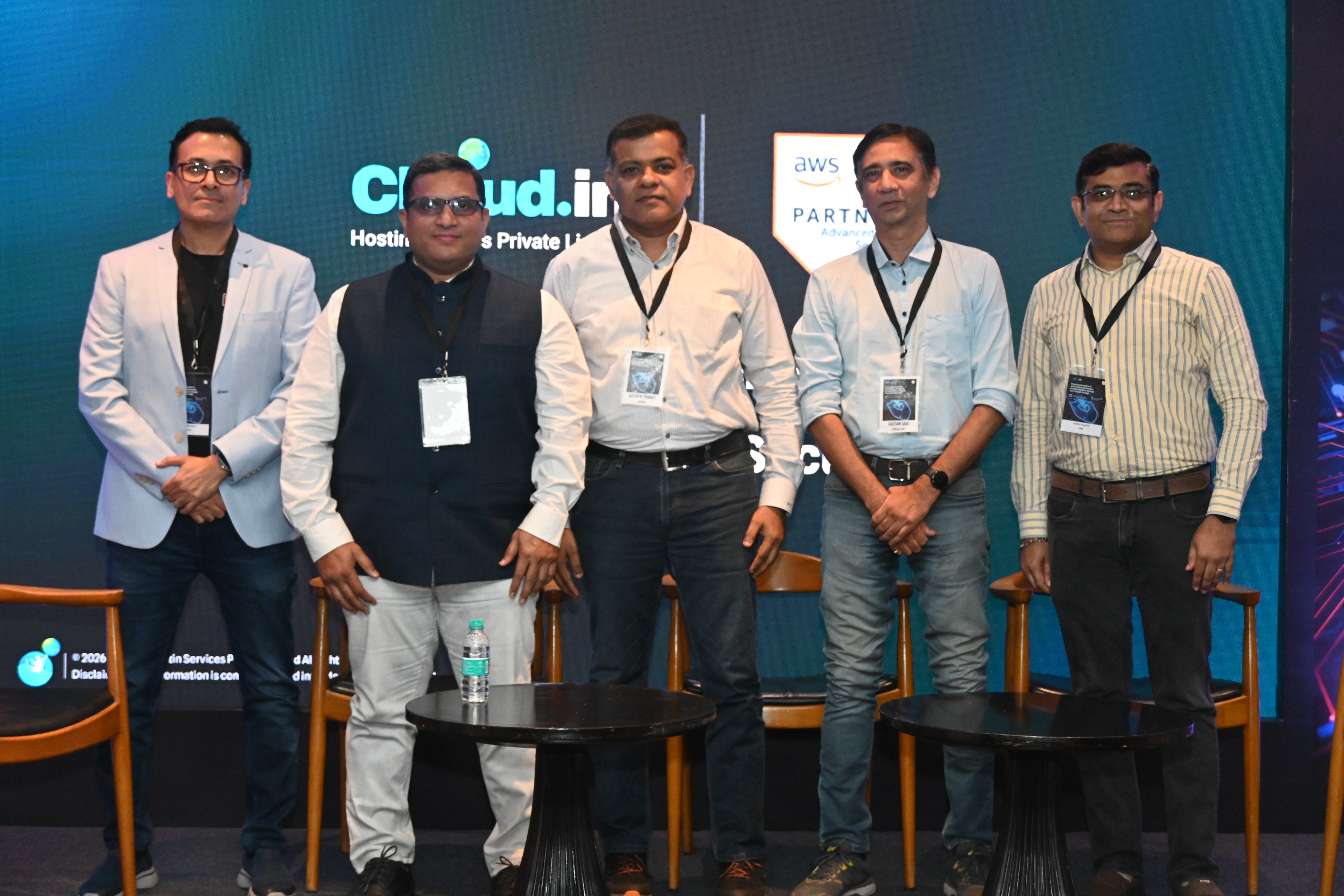
Mumbai, Jan 30: Cloud.in, a leading cloud consultancy and managed services provider, in partnership with Amazon Web Services successfully hosted an exclusive executive summit titled “Securing Generative AI and Business Workloads: Proactive Defense through Zero Trust at the Edge.” The summit brought together 50 top-tier delegates and industry pioneers to address the escalating security challenges of the modern digital landscape.

Cloud.in and AWS Convene Industry Leaders to Redefine Security for the Generative AI Era

The event featured a high-impact panel discussion on securing Generative AI workloads, highlighting the critical shift toward Zero Trust architectures as a robust defense against AI-driven threats. The discussion emphasized heightened security stakes in sectors such as FinTech and Media, where real-time transactions demand uncompromising integrity. AWS representatives shared insights on how integrated infrastructure and security tools can transform risks into opportunities for faster, more resilient growth, while consensus emerged that strong governance and proactive leadership remain essential to navigating the evolving AI landscape.

The summit opened with a keynote by Abhijeet Pandey, Head of Security at AWS, on “The New Perimeter.” Pandey outlined India’s evolving threat landscape and underscored the need for edge-based security, urging businesses to move beyond traditional defenses to protect distributed workloads against global threats.

Following the keynote, AWS Solutions Architects conducted a technical deep dive into Proactive Defense, showcasing how AWS WAF, Bot Control, and Shield Advanced work in tandem to neutralize sophisticated attacks before they reach core infrastructure.

Abhay Joshi, VP of Sales and Marketing at Cloud.in, reaffirmed the company’s commitment to customer success, detailing how Cloud.in helps enterprises seamlessly adopt and scale AWS security frameworks.

Cloud.in also showcased its proprietary innovation suite aimed at enhancing enterprise resilience:

Rudra Sentinel – A cutting-edge threat detection and monitoring tool.

Niyantrac – A comprehensive cloud governance and configuration control platform ensuring continuous compliance and structural integrity.

A highlight of the summit was the panel discussion “Future-Proofing Security: Navigating AI Risks and Edge Defense,” featuring experts from AWS, Media, FinTech, and Journalism sectors. Panelists discussed the urgent need to secure Generative AI workloads, offering sector-specific insights on how AI and edge computing are reshaping business risk management.

“As Generative AI becomes central to business strategy, security can no longer be an afterthought. This event underscores our mission to provide the tools and expertise necessary to defend the next generation of digital innovation,” said Abhay Joshi.

The summit concluded with networking sessions, allowing industry leaders to exchange insights and explore collaborative approaches to securing AI-driven business transformation.

Budget 2026 Expectations: Developers Urge Policy Support to Sustain Housing Demand and Urban Growth

Budget 2026 Expectations: Developers Urge Policy Support to Sustain Housing Demand and Urban Growth

As expectations build ahead of the Union Budget 2026, real estate industry leaders across Maharashtra are calling for focused policy interventions to strengthen housing affordability, sustain end-user confidence, and accelerate urban and infrastructure-led growth. Stakeholders believe the sector’s continued contribution to economic expansion, employment generation, and city transformation can be further amplified through enhanced tax incentives for homebuyers, infrastructure status for housing, rationalisation of GST on construction inputs, faster approvals, and sustained investments in connectivity, redevelopment, and sustainable development—measures that together can support balanced, inclusive, and long-term growth across residential, commercial, and luxury segments.

Mr. Prashant Sharma, President, NAREDCO Maharashtra

“The real estate sector continues to be a critical driver of economic growth, employment generation, and allied industries. In the upcoming Union Budget, the industry is hopeful of measures that further strengthen end-user demand, enhance affordability, and accelerate project execution. Granting infrastructure status to housing, especially affordable and mid-income segments, would significantly improve access to institutional finance and reduce borrowing costs for developers.”

He added, “We strongly urge the government to revisit tax benefits for homebuyers by increasing the deduction limits on home loan interest and principal repayment under Sections 24(b) and 80C, which have remained unchanged for years. Rationalization of GST on construction materials and clarity on input tax credit would also help ease cost pressures. Additionally, faster approvals, policy support for redevelopment and urban housing, and incentives for sustainable and green developments will go a long way in supporting the sector’s long-term, inclusive growth.”

Mr. Kaushal Agarwal, Chairman, The Guardians Real Estate Advisory

“As the Union Budget 2026 approaches, the real estate sector will be watching closely for policy continuity and targeted measures that further strengthen housing affordability and sustain end-user confidence. The market has demonstrated strong resilience over the past year, supported by steady sales across major cities and rising participation from genuine homebuyers. In this context, calibrated tax relief for buyers, particularly in the mid-income and affordable segments, such as enhanced deductions on home loan interest and principal, along with a relook at stamp duty and registration charges, could meaningfully ease the cost of ownership and encourage first-time buyers.”

“Equally important will be the government’s continued focus on urban infrastructure, metro connectivity, and redevelopment-led growth, which are key to unlocking new demand corridors and improving city livability. Greater clarity and consistency in taxation, including a rational approach to levies on under-construction properties, can further strengthen buyer sentiment and developer confidence. Together, these measures can support balanced, inclusive growth while reinforcing real estate’s role as a stable, long-term contributor to India’s economic and urban development.”

Mr. Shilpin Tater, Managing Director, Superb Realty

“The real estate sector continues to be a key driver of economic growth, employment generation, and urban transformation. As we approach the Union Budget, the industry is optimistic about policy measures that enhance project viability and sustain end-user demand across both residential and commercial segments. Granting infrastructure status to housing, improving access to long-term and affordable financing, and facilitating ease of doing business will significantly support developers, especially in urban, redevelopment-led, and mixed-use markets.”

“We also expect the government to address rising construction costs through rationalisation of GST on key building materials and greater clarity on input tax credit. Faster approvals, policy support for redevelopment, and targeted incentives for green and sustainable developments will help improve supply efficiency. In the commercial real estate segment, a stronger budgetary focus on future-ready office and business spaces anchored in thoughtful design, sustainability, employee well-being, and technology integration will be crucial. Incentives for green-certified and energy-efficient buildings, technology-enabled smart workspaces, and continued investment in urban infrastructure will enable developers to create high-quality assets that enhance productivity, occupier experience, and align with evolving business needs and global standards.”

Mr. Kamlesh Thakur, Co-Founder & Managing Director, Srishti Group

“Increasing tax benefits for homebuyers and extending interest subsidy schemes will go a long way in supporting genuine end-user demand, particularly in the affordable and mid-income segments. As cities evolve, the focus must shift from mere connectivity to true accessibility. Accelerating critical infrastructure such as the Goregaon–Mulund Link Road, metro corridors, and key arterial routes will unlock new micro-markets and meaningfully compress travel time. From a developer’s perspective, faster regulatory approvals, single-window clearances, improved access to long-term capital, rationalisation of GST on construction materials, and incentives for sustainable development are essential enablers. Together, these measures will empower the sector to deliver high-quality housing while driving inclusive and long-term urban growth.”

Ms. Shraddha Kedia-Agarwal, Director, Transcon Developers

“In the forthcoming Union Budget, we expect policy measures that further strengthen housing affordability, provide greater ease of doing business, and support timely project execution. Enhancing tax benefits for homebuyers and ensuring easier access to long-term, low-cost funding will help sustain end-user confidence across housing segments, including luxury housing and mixed-use developments. Luxury residences, quality commercial assets, and India’s strong appeal among NRIs have emerged as important demand drivers, and policy clarity on taxation, repatriation norms, and investment-friendly regulations will further strengthen this segment. Equally important is a focus on accelerating urban infrastructure and redevelopment-led growth. Rationalization of GST on construction inputs, faster approvals, and incentives for sustainable and green developments will enable developers to deliver high-quality urban assets while creating long-term value for homebuyers, investors, and the city.”

Mr. Gaurav Varma, Director, ORA Group

“The real estate sector continues to be a vital enabler of urban growth and economic momentum. Strengthening tax incentives for homebuyers and ensuring access to long-term, cost-efficient funding will help sustain healthy end-user demand across segments. In addition to apartments, plotted developments and second homes are witnessing rising interest, driven by improved infrastructure, work-from-anywhere trends, and the aspiration for lifestyle-led ownership. Luxury housing and redevelopment-led projects are gaining strong traction in urban markets, driven by evolving lifestyle preferences and infrastructure-led accessibility. Fast-tracking key infrastructure projects, metro corridors, and arterial road networks will be critical in unlocking new micro-markets and enhancing livability. Rationalization of GST on construction materials, faster approvals, and incentives for sustainable developments will further enable developers to create high-quality residential assets that deliver long-term value to homebuyers and the city.”

Mr. Dhruman Shah, Promoter, Ariha Group

“In the forthcoming Union Budget, we expect policy measures that improve project viability, streamline approvals, and enhance housing affordability for end users. Luxury real estate has emerged as a strong growth segment, driven by discerning buyers seeking larger homes, better amenities, and well-located addresses. Redevelopment projects too have played a crucial role in upgrading ageing urban infrastructure and delivering high-quality urban living. Faster clearances, single-window approvals, rationalization of GST on construction materials, and incentives for sustainable and green developments will significantly ease execution challenges. Continued focus on infrastructure creation and last-mile connectivity will further support redevelopment-led growth and enable the delivery of globally benchmarked residential assets.”