Archive: December 29, 2023

Singer India Unveils CreateWithSinger Campaign

 Singer

Delhi, 29th December 2023: Singer India, a leading brand in the sewing machine category and the home appliances industry, today unveiled the #CreateWithSinger campaign, which is live on the company’s official Facebook and Instagram handles.

The contest urges creative minds to share DIY tips and tricks and to showcase their best quilting, embroidery, sewing, and craft projects through engaging reels.

To mark the beginning of the campaign, Singer India has created a hamper with a personalized name tag which has been created on Singers’ technologically Advanced, Wi-Fi Enabled, Sewing and Embroidery Machine, capable of stitching and embroidering with exceptional quality, to be launched early next year. The hamper also includes two versatile pouches and a Kasuti embroidered bookmark, created on Singers’ Zig Zag machine by the talented students of Singer’s Skill Centers. With this campaign, Singer showcases the capabilities of its Zig Zag machines which are high on functionality as they come with a range of built-in stitches, and advanced features and are effortless to learn and use.

Said Mr. Rakesh Khanna, VC, and MD, Singer India Limited, “#CreateWithSinger is a campaign we are proud of as it celebrates the art of crafting and sewing. The hamper to unveil the contest is conceptualized and crafted by our creative Singer Sewists, who have worked on Singer’s Embroidery and Fashion Maker machines.”

“We are confident that this campaign will inspire craft enthusiasts to share their stories with us and we also hope to foster a culture of DIY craftsmanship and encourage a growing community to embrace crafting with new age, technologically advanced machines to be able to create beautiful and simple pieces with ease and precision.”, he further added,

New heat pump system being developed to dry, dehydrate food products

dehydrate food products

Researchers at Texas A&M are looking to create a new heat pump system that will reduce the energy-intensive process of drying down products ranging from dried fruits and nuts to grains used in food and feed products.

DECEMBER 29, 2023: Scientists are looking for a more environmentally and economically friendly heat pump system to dry food and feed products ranging from grain for livestock to apple chips in the grocery store.

Rosana Moreira, Ph.D., professor in the Department of Biological and Agricultural Engineering at the Texas A&M College of Agriculture and Life Sciences, has decades of expertise related to food processing technologies, including dehydration, which is the drying process that could ultimately be integrated into the new technology.

Moreira is part of a research team tasked to develop a heat pump system to improve the energy efficiency of air-drying products at extremely high temperatures. Traditional dryers are energy-intensive and powered by natural gas or electricity generated by fossil fuels.

The $3 million grant awarded by the U.S. Department of Energy aims to reduce industrial carbon pollution and move toward net-zero emissions by implementing innovative technologies by 2050.

Moreira will help assess the prototype’s food-processing aspect, engineered by a team led by Zheng O’Neill, associate professor of mechanical engineering and J. Mike Walker ’66, Career Development Professor in the Texas A&M Department of Engineering.

“We will be helping assess novel technology,” she said. “Dr. O’Neill and her team are doing something unique, and we will be tasked with analyzing how efficient the technology is and whether its use may affect product quality.”

Input, expertise lead to heat pump innovation

The U.S. food and beverage industry, which employs nearly 2 million workers and ships almost $1 trillion in products annually, accounts for approximately 10% of all manufacturing energy use nationally, O’Neill said. This energy expenditure does not account for post-harvest drying processes in the food and agricultural sectors.

O’Neill and her team are pursuing an innovative heat pump system that integrates dehumidification, low-cost internet-connected sensors, data assimilation and model-free predictive controls to operate food dehydration processes intelligently and safely.

Moreira and her team will assess the energy efficiency of the new technology with models and how the new process impacts the product’s physical and sensory features. Graduate students on her team are putting together mathematics- and physics-related data for the models, and the team will begin collecting experimental data in January.

“Dr. O’Neill needs to know how efficient her technology is compared to traditional heating technology using natural gas, but also how the drying process impacts the product being dried, the color, texture, shrinkage, nutritional value, taste,” Moreira said. “They want to quantify any differences in the end product and be sure the new technology is not detrimental to quality.”

Patricia Smith, Ph.D., Department of Biological and Agricultural Engineering head, said Moreira’s work is a good example of how faculty engage in synergistic problem-solving.

“I am excited that Dr. Moreira and her team have this opportunity to provide input and expertise,” she said. “This project has a fantastic one-two research punch by helping create innovative solutions for sustainable energy that also provides economic benefits for stakeholders across an enormous spectrum.”

Expert suggests avoiding fad diets to start 2024

diets

Bad news: if you are planning to start a diet as your New Year’s resolution, you probably won’t stick to it.

It’s not your fault. Studies have shown that restrictive diets have high rates of failure, and one West Virginia University expert suggests making a few small changes to your nutrition and physical activity are more sustainable and have a larger impact on your health in the long term.

Gina Wood with the WVU Extension Family Nutrition Program offers tips on making lifestyle changes that will last.

Quotes:

“Diets typically ask people to make drastic changes. They are either asking you to cut out an entire food group or drastically reduce your calorie intake. They are asking too much of people. The chances of that working are pretty slim.

“Every food group has its role. The more of those things you cut out, the less nutritious your diet is going to be. It is difficult to maintain health without a full array of nutritious foods. Variety is the key.

“The first thing to think about is what kind of changes you really want to make. Some people aren’t even aware what their habits are. Maybe start with a food or physical activity journal. Look at what you are doing every day and where you can start making a change.

“Pick something small. If you notice you are only eating vegetables twice a week, start by adding another serving once or twice a week. Do something small that is realistic, because once you have one small success, you’re going to be able to build on that.

“People who are successful in terms of weight loss and improving lifestyle, it’s not the drastic changes — it’s the small changes you are able to maintain over time. Consistency leads to success. It’s about progress, not perfection.

“Check out MyPlate.gov. It has all sorts of information about the number of servings and quantities of food groups you need. It has recipes, handouts and games, and tons of nutrition information.” — Gina Wood, specialist and Expanded Food and Nutrition Education Program coordinator, WVU Extension Family Nutrition Program

WVU Extension Family Nutrition Program’s work is supported by the Expanded Food and Nutrition Education Program from the USDA Food and Nutrition Service.

KEZAD Group Welcomes AED 20 million Excel Astra Fabrication Facility in KEZAD

The Facility will Contribute to Abu Dhabi’s Non-Oil Exports, Create 400 Jobs

ExcelAstra 

Abu Dhabi, UAE – 29 December 2023: Khalifa Economic Zones Abu Dhabi – KEZAD Group, the largest operator of integrated and purpose-built economic zones, and UAE-based Excel ASTRA Engineering & Construction, a leading construction contractor providing integrated solutions for Energy sector projects, have signed a 50-year lease agreement to set up a fabrication facility in KEZAD.

Excel Astra to invest approximately AED 20 million to build the facility on approximately 45,000 square metres of land in KEZAD Al Ma’mourah. The facility will leverage on the collective expertise of KEZAD and ASTRA to accelerate growth in the industry sector while creating jobs and providing products and services to the country’s energy sector.

The company sees the creation of around 400 new jobs, and a sales potential of over AED 200 million a year. The company’s “Made in the UAE” products are set to enhance the export potential of the emirate.

Mohamed Al Khadar Al Ahmed, CEO, Khalifa Economic Zones Abu Dhabi -KEZAD Group said: “KEZAD Group welcomes companies like Excel Astra, that help enhance the vision of our wise leadership to stimulate the growth of our nation’s industrial sector and position the emirate as a global trade hub.

“KEZAD always strives to provide an ideal infrastructure to a diverse range of industries, including metal, petrochemicals, oil and gas, food, logistics, and construction materials, with all the benefits of setting up business in Abu Dhabi.”

Harish Muhammed Bashir, Managing Director, Excel Astra Engineering and Construction Group said: “The signing of the comprehensive agreement shows the shared vision and commitment of both organisations towards fostering growth and development, which will add to the ‘Make it in the Emirates’ initiative.”

The facility is likely to source AED 80 million worth of goods and services from the local market annually, thereby strengthening the local economy.

The strategic position of the fabrication yard will help Excel Astra compete globally in the manufacturing sector. Its partnership with global companies will also help in bringing expertise and will contribute to the fabrication of value-added products, thus supporting the industrialisation of the entire MENA region.

2024: Consistent and deliberate changes: Business leaders weigh in on their insights for 2024


Cristina-Fonseca_Head-of-AI_Zendesk

Cristina Fonseca, Head of AI, Zendesk- “More and more companies will trust AI to fully automate resolutions in the CX context. With the latest advancements in AI and large language models (LLMs), there will be seamless blending between bots and human agents. Additionally, we expect the number of interactions touched by AI to be at least 10x higher compared to 2023 – moving the industry even closer towards this reality of fully digital agents.”


Arick

Arick Goomanovsky, VP of Tenable Cloud Security- More Consolidation Ahead: “Consolidation of cloud security products and vendors will accelerate throughout 2024 because of demand from customers, who now understand the power of cloud native security to transcend traditional silos and provide a unified, contextual risk picture. This means not only more secure applications, but better optimization of resources, skills and time, during a period when organizations are stretched to the limit.”

Dr. Gandhi, Creative Synergies Group

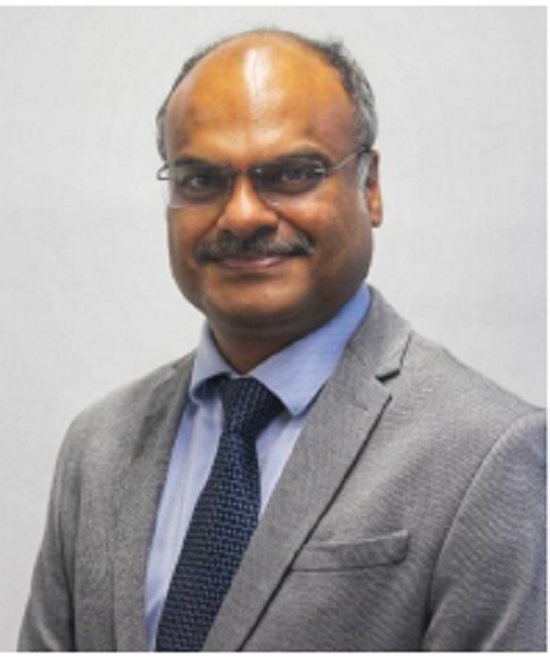
Dr. Mukesh Gandhi, Founder and CEO, Creative Synergies Group- 2024 will usher in an era of realistic and deliberate technological trends, and with everything that has taken shape in 2023, it’s hard to disagree. Businesses must embrace digital transformation, and although this has been evident since 2020, this year made it very clear that moving things slowly is not a viable option. This especially holds true for sectors where innovation intersects necessity such as, transportation, manufacturing, process industry, edtech, and e-commerce.

The catalyzing force in 2024 will stem from strategic deployment of applied generative AI. It can significantly impact every aspect of business from refining and enhancing predictive maintenance models, optimizing fleet management and streamlining operational efficiency. Applied generative AI will also be pivotal in manufacturing in the coming year, accelerating production and design iterations, and cultivating a culture of continuous innovation.

Next-gen technologies will make a major impact across industries in the coming year. They will emerge as the linchpin in autonomous vehicles and intelligent traffic management systems. These technologies will also fuel smart factories and autonomous logistics industries, pushing the boundaries of efficiency and agility. Additionally, with the ongoing electric vehicles boom, green technologies will continue to dominate the transportation industry and make significant inroads into the manufacturing sector.

Sustainable manufacturing, processing and shipping practices will be huge in 2024, reducing the environmental impact of the sector overall. In the process industries, intelligent connectivity is set to be a major investment avenue. By leveraging interconnected devices and IoT technologies, the sector can optimize production workflows, and elevate operational resilience.

Edtech and e-commerce sectors will also double down on next-gen technologies to provide a personalized and frictionless experience for users worldwide. Personalization will be elevated with productionized machine learning, analyzing intricate user patterns, gauging preferences, and tweaking their experiences accordingly. These trends could be instrumental in breathing new life for the resurgence of edtech globally.

Security works in tandem with digital overhaul, and the several cases of data breaches in 2023 have served as a reminder that security cannot be taken lightly. In 2024, businesses will seek out advanced technological support to establish hyper-secure environments across their devices, applications, and networks.

These trends point to a transformative narrative that businesses can achieve with collaborative digital transformation. Innovation, connectivity, and sustainability will be the defining aspects of 2024, and we, at Creative Synergies Group, are positive that these technological integrations will empower businesses to thrive regardless of the economic landscape.”

Amol R Deshmukh, MedRabbits (2)

Mr. Amol R Deshmukh, Founder and CEO, MedRabbits- ’2023 marks a pivotal juncture in healthcare, witnessing the convergence of two dynamic trends – the burgeoning demand for home-based care driven by demographic shifts and the evolving landscape of medical tourism. As the aging population gravitates towards personalized, home-centric healthcare solutions, and with the persistent pursuit of cost-effective treatments, the demand for home healthcare services continues its ascent.

Simultaneously, in the sphere of medical tourism, this year reflects a nuanced narrative. While the allure of seeking specialized treatments abroad persists, the global landscape is witnessing a recalibration. Patients now prioritize safety, quality, and holistic care experiences over mere cost arbitrage, reshaping the very fabric of medical tourism.

These trends underscore a transformative phase where Artificial Intelligence emerges not only as a catalyst but as a linchpin. While AI’s impact on pharmaceuticals and acute care remains substantial, its integration into home healthcare and medical tourism stands at the precipice of profound change. The maturation of AI technologies promises real-time insights, empowering caregivers and transforming patient experiences, ensuring better outcomes, and amplifying satisfaction across both home-based care and the evolving paradigm of medical tourism in 2024.’

Binod Singh, Cross Identity png

Mr. Binod Singh, CEO and Chairman, Cross Identity-  “As we bid farewell to another transformative year in cybersecurity, the challenges posed by fragmented Identity and Access Management (IAM) systems seem more prominent. This year, organizations navigated the dynamic landscape, grappling with risks of vulnerabilities and breaches. The strain of implementing multiple IAM systems was felt, draining resources and diminishing overall efficiency, compounded by the lack of a unified dashboard hindering comprehensive visibility. Against this backdrop, the recently published report by IDSA adds a poignant layer to the narrative. The report reveals a stark reality – 90% of organizations faced at least one identity-related breach in the past year, reflecting a 7.1% YoY increase. The rise in both the number and complexity of identities has fundamentally altered the dynamic of identity management, underscoring the need for a unified and resilient approach.

In response, upskilling programs emerged as a cornerstone, empowering organizations to shift from a defensive to a proactive cybersecurity stance. Foundational cybersecurity practices – from robust passwords to vigilant defense against phishing – have paved the way for a more secure digital future.

Reflecting on the year’s trends, integrating AI and ML in identity management took center stage, emphasizing precision and breach prediction. Advanced Multi-Factor Authentication, Zero Trust principles, and Converged IAM solutions emerged as pivotal components. As we navigate the path ahead, the lessons learned in 2023 emphasize the need for a strategic shift towards identity first security, leveraging advanced technologies and comprehensive strategies to fortify defenses and ensure a resilient cybersecurity posture.”

Krishna Rangasayee, CEO and Founder, SiMa.ai

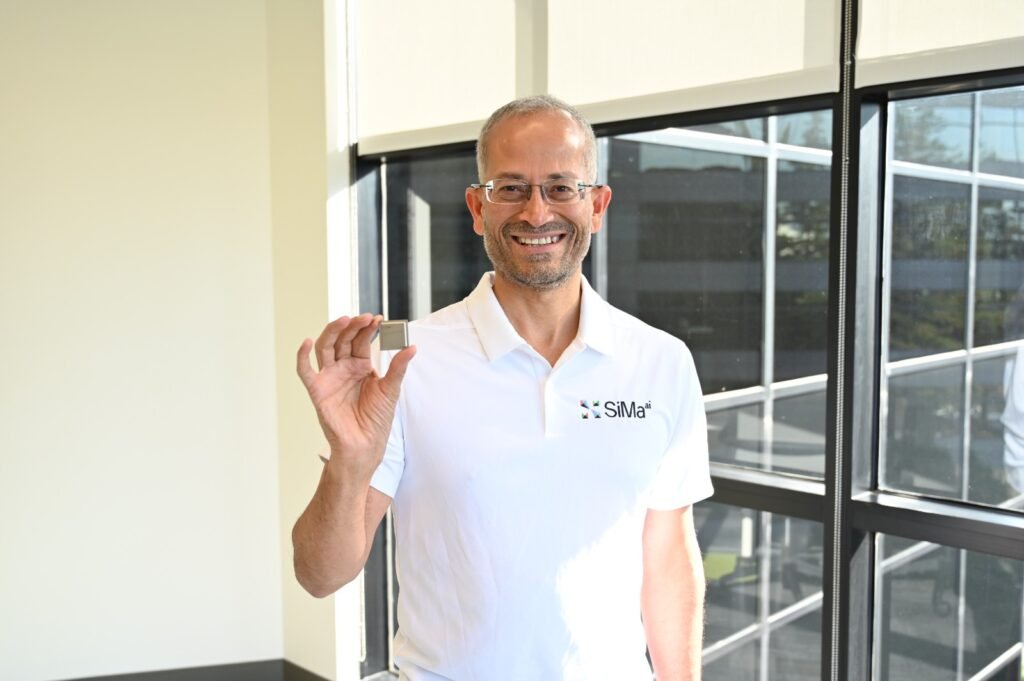
Mr. Krishna Rangasayee, CEO and Founder of Sima.Ai- “Embarking on the threshold of 2024, we stand witness to a pivotal moment in the embedded edge market, where the synergy of artificial intelligence (AI) and physical devices heralds transformative changes across diverse industries. The initial surge of generative AI unfolded predominantly in the cloud, offering a consumer-like experience. However, the real watershed moment, the second and more significant wave, is poised to occur at the edge.

OpenAI’s recent decision to pause ChatGPT Plus sign-ups serves as a signal that the cloud infrastructure faces challenges in meeting the scale and performance demands essential for mission-critical operations at the edge. This pause serves as a stark reminder of the inherent limitations of the cloud, particularly when considering scenarios involving unmanned drones or actively-used medical devices.

As we navigate the uncharted territory of multimodal AI at the edge, one thing becomes abundantly clear – 2024 will be a year marked by fundamental changes to the machinery that humans rely upon. The landscape is set for the proliferation of generative AI models tailored for specific functions, influencing not only the technical aspects but also instigating a paradigm shift in societal norms.”

Padmakumar Nair- CEO & Co-Founder, Ennoventure Inc. (1)

Mr. Padmakumar Nair, CEO & Co-founder of Ennoventure Inc- “In today’s technology-driven era, countering counterfeiting has become a complex challenge. As businesses shift towards digital platforms, the demand for effective brand protection solutions has become critical. In 2024, the growing threat of forgery requires a proactive approach, utilizing state of the art technology based anti-counterfeit solutions. Software as a Service (SaaS) emerges as a valuable ally, providing adaptable tools to tackle the increasing presence of counterfeit products.

Authenticity holds a key role in navigating the intricate landscape of international trade. The effectiveness of anti-counterfeit SaaS surpasses a mere solution; it embodies a dedication to upholding integrity, promoting transparency, safeguarding consumer trust, and ensuring continual genuine innovation in the digital era, where counterfeiting poses a challenge to every transaction. The emergence of the anti-counterfeit software as a service trend in 2024 highlights a dedication to preserving the legitimacy of goods in the digital realm. Ennoventure Inc.’s development of these covert brand protection solutions promises a robust defense against illicit practices while adeptly adapting to the evolving counterfeit challenges.

This urgency is reinforced by a joint report by CRISIL and the Authentication Solution Providers’ Association (ASPA), which presents statistics. Almost 25-30% of all products sold in the country are counterfeit, particularly affecting sectors like apparel, fast-moving consumer goods (FMCG), pharmaceuticals, automotive, and consumer durables. These findings emphasize the seriousness of the issue, reinforcing the need for proactive measures to address the pervasive problem of counterfeit goods.’’

Sandeep Agarwal

Mr Sandeep Agarwal, Global CTO, and Managing Director, Visionet India- “Reflecting on the insights from 2023 and looking ahead at the trajectory of the Indian IT sector in 2024, the momentum of digital transformation emerges as a pivotal lesson. The transformative trends of last year, notably the widespread integration of generative AI into daily applications, are poised to redefine innovation in India. As generative AI becomes an integral part of search engines, office software, and communication tools, its potential as a savvy personal assistant, enabling efficiency and productivity, becomes increasingly evident in the Indian tech landscape.

Furthermore, the convergence of augmented reality (AR), virtual reality (VR), and the immersive internet is dismantling the barriers between the physical and digital realms. In 2024, this trend is expected to intensify in India, blurring the lines between reality and the virtual, making the digital experience more realistic while imbuing the real world with digital-like flexibility.

Sustainable technology (ESG) is also set to play a prominent role in India throughout 2024, aligning with the nation’s commitment to environmental responsibility. As the country strives for net-zero goals, both corporations and individuals in India will leverage technology to minimise their ecological impact, contributing to the global movement towards a greener future.

In the face of an escalating cyber threat landscape, cyber resilience takes precedence. With over 500 million cyberattacks being blocked in Q1 2023, the cost of cyber security measures is projected to exceed significant sums by the end of 2024. Consequently, robust cybersecurity solutions that fortify defences and offer effective countermeasures become imperative for every organisation operating in the Indian IT sector.

In conclusion, 2024 holds the promise of an Indian IT landscape defined by continuous digital transformation, the pervasive influence of generative AI, seamless integration of physical and digital realms, a steadfast commitment to sustainable practices, and an unwavering focus on cybersecurity. The Indian tech ecosystem stands at the forefront of these innovations, poised to shape the future of technology in the country.”

Raj K Gopalakrishnan

Raj K Gopalakrishnan, Co-Founder & CEO, Mappls KOGO– “As we stand at the crossroads of another remarkable year, Mappls KOGO proudly embraces a future defined by our revolutionary application of AI to the travel sector. Our journey, fueled by cutting-edge AI technology, geospatial intelligence, and real-time travel data, is poised to reshape the very landscape of travel experiences. Founded with a vision to empower individuals to effortlessly plan journeys, save time, and explore the world, KOGO is more than an app—it’s a gateway to a new era in travel.

Looking ahead in the dynamic realm of AI Travel, the year ahead holds exciting prospects for further integration of artificial intelligence. From KOGONAUT- our proprietary AI chatbot providing real-time assistance to predictive analytics enhancing travel predictions, the synergy of AI and travel is set to redefine the way we explore the world. In the coming year, we can foresee technology not only meeting but exceeding the expectations of discerning travellers, making every journey a uniquely personalised adventure.

Automated bookings have ushered in a new era, simplifying the travel planning process, and making reservations and execution seamless from start to finish. At the heart of our success lies the KOGONAUT—a beacon guiding users through cultural insights, hidden gems, and unforgettable experiences. The follow-up rounds of funding not only showcase a boost in investor confidence but are also a catalyst that will propel Mappls KOGO’s capabilities and data refinement to unprecedented heights. With a user base exceeding 2 million and strong collaborations with travel brands globally, we eagerly anticipate the transformative experiences that lie ahead for Mappls KOGO and our global community of explorers. Here’s to a year filled with boundless discovery and unparalleled adventures!”

Mr. Jose Ramapuram,

Mr. Jose Ramapuram, Marketing Director at Evolve Back Resorts- “Remarkably, in 2023, the surge in travelers seeking upscale accommodations that align with their preferences for wellness, adventure, and authentic yet immersive experiences continued. The demand for enlightening and culturally unique activities remains on the rise, with our historical treks and trails in Hampi, coffee plantation trails in Coorg, and safaris unveiling India’s biodiversity in Kabini captivating the interest of many. In keeping with this trend, we tweaked our existing experiences and introduced several new experiences for your guests. These include our Plantation 4×4, visit to the Dubare Elephant Camp, Spirit of Kabini and Elkhill 4×4.

Beyond these evolving travel preferences, a significant industry transformation has unfolded in recent years, marked by a rising call for ethical and sustainable travel. Foreseeing the environmental implications within our sector, Evolve Back’s foundational philosophy of safeguarding the ‘Spirit of the Land’ and shaping experiences rooted in local culture and heritage has taken center stage. We anticipate the enduring popularity of these trends throughout 2024 and eagerly anticipate another year of successfully crafting unforgettable experiences.”

Manish Sinha

Manish Sinha, Founder & Chief Technology Officer, PatSeer– “As we bid farewell to another transformative year in Intellectual Property (IP) research, PatSeer is proud to stand as a testament to the advancements driven by artificial intelligence (AI). In 2023, we find ourselves at the crossroads of innovation and efficiency, where AI has not only reshaped the landscape of patent research and intelligence but has also become an indispensable ally in the pursuit of streamlined operations and cost reduction.

Looking ahead into 2024, the democratisation of AI, coupled with the collaborative efforts of IP and IT teams, has ushered in a new era for the IP space. With AI’s unparalleled potential to increase efficiencies and reduce costs, patent departments are poised to witness extraordinary benefits. In the face of the US Patent & Trademark Office’s proposed plan to increase filing costs, organisations increasingly turn to AI to uncover efficiencies and cut costs.

Two prominent use cases for generative AI in the IP space that saw increased adoption in 2023 were the ability to filter complex patent documents or portions thereof into concise summaries and the ability to generate new patent application drafts that can serve as a baseline for further refinement for attorneys. Both law firms and companies are gaining from this efficiency increase. As AI use cases evolve, opportunities abound, from facilitating deeper and more complex analysis to responding rapidly to office actions.

Embracing the uncertainty of AI’s future, staying attuned to emerging trends, and actively evaluating its potential has become imperative for IP professionals. Beyond mere time and cost savings, AI provides a competitive edge crucial in the current economic climate. For those yet to explore AI’s capabilities in intellectual property processes, the time is ripe to embark on this transformative journey. By integrating AI into their practices, IP professionals can not only unlock new efficiencies but also redefine the art of IP, ensuring a future where innovation and efficiency converge seamlessly.”

National Lacrosse League: Ten Things to Know for Week 5

Seven Games Across Three Days has 14 of 15 Teams in Action; Seven Local Broadcasts Plus N.Y.-Toronto NLL Game of the Week on TSN, ESPNU

National Lacrosse League

PHILADELPHIA, December 29, 2023 – The National Lacrosse League (@NLL), the largest and most successful professional lacrosse property in the world, features seven games, a season high to date, this New Year’s weekend over three days, highlighted by the New York Riptide vs. Toronto Rock (Saturday, 4 p.m. ET) matinee serving as the NLL Game of the Week on TSN and on ESPNU in the U.S. Seven local market outlets will broadcast games that include the NLL Saturday Showcase featuring the Vancouver Warriors at Colorado Mammoth (Saturday, 9 p.m. ET / 7 p.m. MT, ESPN+, TSN+, Altitude Sports) and the NLL New Year’s Eve Special when the undefeated Albany FireWolves visit the Saskatchewan Rush (Sunday, 8 p.m. ET / 7 p.m. CT, ESPN+, TSN+, My4 Albany).

Here are 10 things to know about the NLL entering Week 5:

Resetarits Ranks: Philadelphia Wings forward Joe Resetarits remains one of the all-time great U.S.-born NLL players. He now needs six points to pass Casey Powell (674 points) to be the top scoring American in League history. Read more on his pursuit in this NLL.com feature by Adam Levi.

Post Exclusive: The N.Y. Post’s Dexter Henry had this exclusive interview with New York Riptide standout and former #1 NLL Draft pick Jeff Teat (Brampton, Ont.) this week, where he discussed the expectations of that lofty selection, his record-setting rookie season, his 2024 MVP goals, team goals, and more.

Hasen Century: Rochester’s thrilling 13-11 victory over Vancouver pushed the Knighthawks to 3-0 for the second straight season, and also marked the 100th victory behind the bench for Mike Hasen, who becomes the sixth coach in league history to reach the century mark. The win occurred nearly 13 years after Hasen’s first win as head coach in January 2011. Hasen now trails Tony Cordingley (107), with active coaches Ed Comeau of Georgia (124, second) and Paul Day of Philadelphia (113, fourth) also among the leaders.

Mammoth Save Makes ESPN Top 10: This series of saves by Colorado’s Brett Dobson (Oshawa, Ont.) garnered the No. 9 spot on ESPN SportsCenter’s Top 10 plays on Saturday.

Auld Lang Sask: The Albany FireWolves and Saskatchewan Rush get New Year’s Eve to themselves on the NLL schedule, and the SaskTel Centre will be the place to be on Sunday night to ring in 2024. The Rush celebrate with the Fan Experience Zone from noon until 5 p.m., followed by the pre-game show live from the concourse, halftime performance by the KC Aerials Group and more. Fans outside the Saskatoon area can tune into the game on TSN+, ESPN+ as well as over the air on My4 in Albany.

Here Comes the Metric System: LAXMetrics, powered by the NLL, is an innovative data approach to better understand the League. This week, NLL.com’s Cooper Perkins looks at the prospect of an MVP run by Toronto Rock forward Mark Matthews.

Go Local: Seven local outlets will have live coverage of six of the NLL’s games this weekend: Albany at Philadelphia (Friday, 6:30 p.m. ET / 7:30 p.m. AT, NBC Sports Philadelphia); Georgia at Buffalo (Friday, 7:30 p.m. ET, Peachtree Sports Network, CW23); Rochester at San Diego (Friday, 10 p.m. ET / 7 p.m. PT, Fox 5); Las Vegas at Calgary (Saturday, 9 p.m. ET / 7 p.m. MT, Silver State Sports & Entertainment Network (SSSEN)); Vancouver at Colorado (Saturday, 9 p.m. ET / 7 p.m. MT, Altitude Sports); and Albany at Saskatchewan (Sunday, 8 p.m. ET / 7 p.m. CT, My4)

Power Up: NLL.com’s Adam Levi checks in with his weekly Power Rankings, keeping the Bandits at No. 1 and the Halifax Thunderbirds (2-0) at No. 2. Toronto’s (2-0) win at Panther City vaults the Rock to No. 3, ahead of Albany (3-0), which puts its unbeaten mark on the line at Saskatchewan on New Year’s Eve.

NLL Players reaching milestones last week included:

Colorado forward Eli McLaughlin (Surrey, B.C.) now has 500 points after a goal and assist vs. Georgia

Panther City forward Will Malcom (New Westminster, B.C.) now has 201 points after a two-goal, three-assist effort vs. Toronto

Vancouver goaltender Aaron Bold (Victoria, B.C.) became the eighth goaltender in league history to play 9000 minutes (now 9058)

Player achievements within reach this week are:

Buffalo forward Chase Fraser (Vancouver, B.C.) needs four goals to reach 100

Buffalo forward Tehoka Nanticoke (Six Nations, Ont.) needs four points to reach 100

Buffalo defenseman Steve Priolo (St. Catharines, Ont.) needs one point to reach 200

Buffalo forward Dhane Smith (Kitchener, Ont.) needs six assists to pass Gavin Prout for 10th on the all-time list with 622

Calgary goaltender Christian Del Bianco (Coquitlam, B.C.) needs 65 minutes played to become the 20th goaltender all-time with 5000

Calgary forward Thomas Hoggarth (Lakefield, Ont.) needs four goals to reach 100

Calgary forward Tyler Pace (Coquitlam, B.C.) needs six goals to reach 100

Colorado forward Zed Williams (Silver Creek, N.Y.) needs two assists to reach 100

Georgia forward Brendan Bomberry (Six Nations, Ont.) needs five assists to reach 100

Georgia forward Andrew Kew (Oakville, Ont.) needs six goals to reach 100

Halifax forward Ryan Benesch (Elmira, Ont.) needs 12 goals to pass Colin Doyle (depending on Dane Dobbie, see below) for fifth on the all-time goals list with 528

Halifax defenseman Graeme Hossack (Port Perry, Ont.) needs four points to reach 100

Halifax forward Randy Staats (Six Nations, Ont.) needs seven goals to reach 200

Las Vegas forward Casey Jackson (Victoria, B.C.) needs one goal to reach 100

Las Vegas forward Zack Greer (Whitby, Ont.) needs nine points to reach 600

New York forward Connor Kearnan (Courtice, Ont.) needs seven assists to reach 100

New York forward Jeff Teat (Brampton, Ont.) needs five goals to reach 100

Philadelphia forward Joe Resetarits (Hamburg, N.Y.) needs 10 assists to reach 400 (in addition to the American-born scoring record, noted above)

Saskatchewan forward Patrick Dodds (Victoria, B.C.) needs five assists to reach 100

San Diego forward Wesley Berg (Coquitlam, B.C.) needs five goals to reach 200; four assists to reach 300; and nine points to reach 500

San Diego forward Dane Dobbie (Elora, Ont.) needs 10 goals (depending on Ryan Benesch, see above) to pass Colin Doyle for fifth place on the all-time goals list with 528

Toronto forward Dan Lintner (Courtice, Ont.) needs one game to reach 100

Toronto forward Challen Rogers (Coquitlam, B.C.) needs four points to reach 200

Vancouver goaltender Aaron Bold (Victoria, B.C.) needs one win to become the seventh goaltender all-time to win 90 games

Schedule – Week 5 (All Times Eastern)

Friday

Philadelphia Wings (1-2) at Halifax Thunderbirds (2-0), 6:30 p.m., ESPN+, TSN+, NBC Sports Philadelphia (broadcast team: Dalladay, Gregoire, M. Jenner)

Georgia Swarm (2-1) at Buffalo Bandits (1-1), 7:30 p.m., ESPN+, TSN+, Peachtree Sports, CW23 (Gurtler, Bermel, Buchanan)

Rochester Knighthawks (3-0) at San Diego Seals (1-1), 10 p.m., ESPN+, TSN+, Fox5 (Perkins, Ossello, Michaels)

Saturday

New York Riptide (0-2) at Toronto Rock (2-0), 4 p.m., TSN1, ESPNU (NLL Game of the Week on TSN) (Abbott, Gregoire, Docking)

Las Vegas Desert Dogs (1-2) at Calgary Roughnecks (0-2), 9 p.m., ESPN+, TSN+, SSSEN (Farhall, Ballantine, McDonald)

Vancouver Warriors (1-2) at Colorado Mammoth (0-2), 9 p.m., ESPN+, TSN+, Altitude Sports (NLL Saturday Showcase) (Lindahl, Shewchuk, Gallant)

Sunday

Albany FireWolves (3-0) at Saskatchewan Rush (1-2), 8 p.m., ESPN+, TSN+, My4 (NLL New Year’s Eve Special) (Janzen, Fraser, Ahmad)

ALTR and J’EVAR Founder Amish R. Shah Inspires at Pre Summit of 10th Vibrant Gujarat Global Summit 2024

ALTR and J'EVAR Founder Amish R. Shah

 NEW YORK, USA, December 29, 2023 — Amish R. Shah, founder of ALTR Created Diamonds and J’EVAR, took pride in attending the 10th Vibrant Gujarat Global Summit 2024 on December 12, 2023, held at the Platinum Hall, SGCCI. Serving as a distinguished guest speaker in the presence of Minister of State for Home Affairs Shri Harsh Sanghvi, Shah actively participated in the prestigious pre-summit seminar session “Lab-Grown Diamonds: A Visionary Journey for Gujarat’s Next Quarter Century on Gems & Jewellery.” underscoring his commitment to driving positive change in the industry.

This enlightening seminar dived into the critical theme of “Value Creation is the key to continued Success,” exploring pivotal topics that shape the future of the industry. Accompanied by renowned professionals, including Smt. Nirupa Bhatt, Shri Janak Mistry, and distinguished thought leaders, the event promoted insightful discussions on the challenges and opportunities within the evolving landscape of lab-grown diamonds.

Addressing the gathering, Minister of State for Home Affairs Harsh Sanghvi said, “The diamond industry has been instrumental in improving the standard of living for millions of citizens and families in the state, including Surat, leading them on the path to prosperity. Surat has always been at the forefront when it comes to real diamonds, and hence, the state government aims to make Surat a leader in the lab-grown diamond sector too.” Shri Sanghvi stated that the government has a concrete approach to help them by organizing pre-vibrant events to pay attention to their problems, their presentations, and to try and establish a network for the industrialists of the state. “Every single rupee invested in Gujarat is safe,” he added, emphasizing that the land of Gujarat has been beneficial in giving returns for the money invested here.

Industry Pioneer, Amish Shah, who started his journey in 2006, detailed the importance of value creation through branding, design, and marketing. He shared the journey of ALTR, the world’s first lab-grown diamond brand launched in 2016, which unlocked the category for the trade and consumer. He further explained how branding lab-grown diamonds proves essential for building trust and resonating with consumers. The foundation of transparency needed to be laid through brand communication and openness about the diamond’s manufacturing process, sourcing, and environmental impact. Authenticity needed to take center stage, emphasizing ethical and sustainable practices to meet the rising demand from consumers. Education played a pivotal role, enabling ALTR to enlighten consumers about the unique qualities and benefits of lab-grown diamonds, dispelling any misconceptions. Shah’s insights highlighted ALTR’s mission to establish lab-grown diamonds as a socially acknowledged brand, contributing to a narrative of sustainability and responsible consumerism. In essence, ALTR’s approach was not only to attract consumers but also to shape a positive industry perception through these 8 years.

Furthermore, Amish R. Shah eloquently stated, “The industry needs to transition from a component cost model to value creation.” Quoting J’EVAR as an example for value creation in the fine jewelry, he further stated, “The true value lies in what is created with the component, not just the component itself.” J’EVAR is a fine jewelry brand that focuses on the pillars of design, quality, sustainability, and innovation. The brand crafts its fine jewelry using recycled gold and Type IIA Lab Grown Diamonds grown with renewable energy. Consumers today are looking to align with brands like J’EVAR that reflect their lifestyle and value, delivering a unique and personalized experience in the realm of luxury and sustainability.

The session participants engaged in a profound exploration of challenges associated with short supply chains, focusing on early movers who laid the foundation for successful brands. Their discussions provided valuable perspectives on navigating challenges and ensuring sustained growth. The inherent opportunity within lab-grown diamonds lies in their capacity to enhance the allure of these gems, offering consumers a distinctive value proposition. Beyond the ethical and sustainable advantages, consumers can seize the opportunity to acquire larger diamond sizes, superior color, and clarity. This not only presents a more cost-effective alternative to traditional diamonds but also provides individuals with the privilege of enjoying heightened quality and aesthetic appeal.

India is the fifth-largest economy in the world today. As the country is moving rapidly towards becoming the world’s third-largest economy, the Surat Diamond Bourse inaugurated by the Honorable Prime Minister Narendra Modi on 17th December in Surat has already achieved the honor of becoming the world’s largest commercial hub.

SGCCI President Shri Ramesh Vaghasia delivered the vote of thanks while giving an overview of SGCCI’s Mission Global Connect launched with a target set for exports worth Rs 84,000 crores.

Chairman of ASSOCHAM, Gujarat Council Shri Chintan Thacker, in his welcome address, presented the role of the Gems and Jewellery sector of Gujarat in the context of ‘Viksit Bharat @2047’ and gave an outline of the pre-event.

At this event, Industries Commissioner Shri Sandeep Sagle, District Collector Shri Aayush Oak, Surat Municipal Commissioner Smt Shalini Aggarwal, Regional Chairman of Gujarat Gems and Jewellery Export Promotion Council (GJEPC) Shri Vijay Mangukiya, Chairman of the Indian Diamond Institute Shri Dinesh Navadia, President of Surat Jewellery Manufacturers Association Shri Jayanti Savaliya, state and central government officials, including industrialists and entrepreneurs from the gems and Jewellery sector, were present.

Study Identifies Visual System Protein for Circadian Rhythm Stability

Getty Images
Credit: Getty Images

Scientists at the Johns Hopkins University School of Medicine and the National Institutes of Health have identified a protein in the visual system of mice that appears to be key for stabilizing the body’s circadian rhythms by buffering the brain’s response to light. The finding, published Dec. 5 in PLoS Biology, advances efforts to better treat sleep disorders and jet lag, the study authors say.

“If circadian rhythms adjusted to every rapid change in illumination, say an eclipse or a very dark and rainy day, they would not be very effective in regulating such periodic behaviors as sleep and hunger. The protein we identified helps wire the brain during neural development to allow for stable responses to circadian rhythm challenges from day to day,” says Alex Kolodkin, Ph.D., professor in the Johns Hopkins Department of Neuroscience and deputy director for the Institute for Basic Biomedical Sciences.

Kolodkin co-led the study with Samer Hattar, Ph.D., chief of the Section on Light and Circadian Rhythms at the National Institute of Mental Health.

Scientists have long known that most living things have a circadian “clock,” a set of biological rhythms that operate on about a 24-hour cycle and that affect alertness, sleepiness, appetite and body temperature, among other cyclic behaviors. Upsetting this system — through shift work or long-distance travel over multiple time and light zones in humans, for example — can have severe consequences. Previous studies link persistent upsets in circadian rhythm to increased risk of cancer, depression and a host of other medical problems.

Circadian systems are essentially “trained” by exposure to light. Although researchers have made significant headway over the last few decades in outlining the mechanisms responsible for circadian rhythms, it has remained unclear how the brain becomes wired for them.

To learn more, Kolodkin and Hattar, along with study first authors John Hunyara and Kat Daly and their colleagues, searched a database for biological molecules present during development in the mouse brain’s control center for circadian rhythms — the suprachiasmatic nucleus (SCN).

Located deep within both the mouse and human brain in the hypothalamus, the SCN sits near areas that control vision and makes connections with brain cells that lead to the retina, the light-sensing part of the eye.

The research team quickly zeroed in on a cell surface protein called teneurin-3 (Tenm3), part of a larger family of proteins that play key roles in the visual system circuit assembly and more generally in other central nervous system circuits.

When the researchers genetically altered mice to prevent Tenm3 production, the animals developed fewer connections between the retina and the SCN, compared with animals with intact Tenm3. However, the mice lacking Tenm3 developed far more connectivity between cells in the core and shell of the SCN, where Tenm3 tends to localize.

To see how Tenm3 might stabilize circadian rhythms or subject them to disruption by even a tiny bit of light, the scientists designed a set of experiments.

First, they trained mice lacking Tenm3 on a 12-hour light/dark cycle, then shifted the dark period ahead by six hours. Mice with intact Tenm3 took about four days to readjust their circadian rhythms to the shift, as measured by activity patterns diagnostic of normal sleep cycles. The animals without Tenm3, however, adjusted far more rapidly, in about half the time.

When the researchers performed a similar experiment with light twice as dim as in the earlier test, it took the Tenm3-intact mice about eight days to adjust their circadian cycles, but only about four days for the mice without Tenm3. Even just a 15-minute pulse of dim light triggered the Tenm3-lacking mice – but not the mice with normal Tenm3 protein — to produce a brain chemical that serves as a proxy for light exposure, suggesting a heightened sensitivity to light cues necessary for setting or resetting the circadian clock.

These findings suggest to the authors that Tenm3 helps wire the brain to maintain stable circadian rhythms even when light exposure is variable. By learning more about this system and Tenm3’s role, says Hattar, researchers may eventually be able to diagnose and treat glitches that lead to insomnia and other sleep disorders in people, or possibly develop treatments for jet lag.

“There are very clear implications for human health,” he says.

Other Johns Hopkins researchers who contributed to this study include Katherine Torres.

This study was funded by grants from the NIH (R01EY032095) and the Intramural Research Program at the NIMH (ZIAMH002964).

How does the process of producing plastic components unfold?

Plastics play a pivotal role in our daily lives and their applications are almost limitless. From simple everyday objects to sophisticated components used in the automotive or aerospace industries, plastics are omnipresent. In this article, we would like to observe the process of manufacturing plastic components, which may seem complex, but nevertheless is fascinating and full of innovation.

Choosing the right plastic

The first step in the process of manufacturing plastic parts is choosing the right material. Plastics are divided into three main groups, i.e. thermoplastics, rigid elastomers and thermosets. The choice of a particular type of plastic depends on many factors, such as mechanical, chemical, thermal or aesthetic properties. The requirements in terms of strength, abrasion resistance and operating conditions of the finished product should also be taken into account. Proper selection of the material is crucial for the quality and functionality of the manufactured element.

Plastic moulding techniques

Various moulding techniques are applied in the production process of plastic elements, which allow for obtaining a variety of shapes and dimensions. The most popular methods using include injection moulds for plastics, stamping, blow moulding, rotomoulding or extrusion. The choice of a particular technique depends on the type of material, the size of the production batch and the requirements for quality and precision of workmanship. Each of these methods has its advantages and limitations, which is why material engineers are constantly working on improving moulding technology and developing new solutions.

Quality control and testing of finished components

The last stage of the production process of plastic elements, which is offered, among others, by the manufacturer of plastic products – Noex, is quality control and testing of finished products. For this purpose, various research methods are used, such as chemical composition analysis, dimensional measurements, strength tests or thermal properties tests. Quality control is aimed at ensuring compliance of the manufactured element with technical requirements and industry standards.

To sum up, the production process of plastic elements is not only technology, but also the passion and commitment of engineers who constantly strive to improve their solutions. Thanks to this, plastics are increasingly important in our lives, and their use is becoming more advanced and innovative.

January Is Glaucoma Awareness Month

by The Glaucoma Foundation

29-Dec-2023:New York, NY — Early diagnosis and treatment are the keys to controlling this “sneak thief of sight.” Start the new year by making an appointment for a comprehensive eye examination, advises The Glaucoma Foundation.

Some 3 million Americans have glaucoma, but many are unaware they have the potentially blinding disease because they have no symptoms. The notion that people believe they can tell if they’re developing glaucoma is one dangerous myth about the disease. Here are some others.

Myth 1: Your vision will deteriorate or blur if you are developing the disease.
Most forms of glaucoma have no symptoms or cause no change in vision until later in the course of the disease. Once vision has been lost to glaucoma, permanent damage has already been done to the optic nerve and sight cannot be restored.

Myth 2: Only old people get glaucoma.
Though frequency increases with age, glaucoma can strike at any time in a person’s life. Approximately one in 10,000 babies is born with glaucoma.

Myth 3: Glaucoma is always inherited?
Family history is a strong risk factor for glaucoma but an absence of family history does not mean a person is risk-free. If there is a family history, everyone in the family – from children on up – should be tested.

Myth 4: Ethnicity has nothing to do with glaucoma risk.
Blacks and Asians are at particularly high risk for developing glaucoma. Researchers have also recently discovered that glaucoma is far more common among U.S. Hispanics than originally thought. African Americans are six times more likely to suffer from glaucoma than Caucasian Americans, develop the disease years earlier, often with a greater rate off vision loss.

Myth 5: All people with glaucoma have elevated intraocular eye pressure.
Elevated eye pressure (IOP) is a risk factor for glaucoma and is not the disease itself. There are more than 40 different types of glaucoma, and not all are associated with elevated IOP. Glaucoma specialists believe that some forms of glaucoma are strongly related to vascular changes and impaired “nutrition” (poor blood flow) to the optic nerve. The common thread among all glaucoma is damage to the optic nerve rather than elevated IOP.

Myth 6: If you don’t have high blood pressure, you cannot have high eye pressure.
Blood pressure and eye pressure vary independently. Controlling blood pressure does not mean IOP is controlled. However, high blood pressure is often – but not always – associated with elevated IOP. Interestingly, low blood pressure is strongly associated with some forms of glaucoma such as normal-tension glaucoma

Myth 7: Glaucoma always leads to blindness.
This is one of the most dangerous myths of all. Some 90 percent of all glaucoma-related blindness could have been prevented with proper treatment. If fact, glaucoma is the leading cause of preventable blindness. But you can’t get treated unless you know you have a problem! Make an appointment to have your eyes checked today.