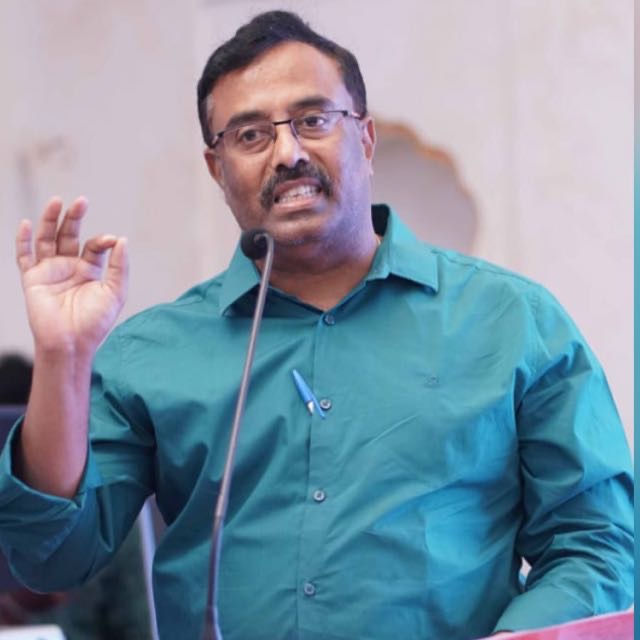
Hyderabad, Feb 1: D. Ramchandram, Co-Chair, Tourism Committee of Federation of Telangana Chambers of Commerce and Industry (FTCCI), while presenting the tourism industry’s perspective on the Union Budget 2026–27 today at FTCCI, said that although the Budget introduces several positive initiatives, it falls short of addressing the core structural issues faced by the tourism sector.
He said the industry welcomes initiatives such as the seaplane push, establishment of hospitality institutions, upgradation of hotel management institutes, training of 10,000 tourist guides, creation of five regional hubs for medical tourism, promotion of heritage and archaeological sites, adventure tourism, Buddhist circuits, and relief through TCS for Indian travellers. However, these measures, while positive, do not adequately address the long-standing demands critical for making tourism globally competitive and employment-intensive.
Ramchandram noted that key expectations such as industry status for tourism, GST rationalisation, a comprehensive National Tourism Policy, targeted MSME support, tourism-specific skill development, and focused support for Telangana tourism were not addressed in the Budget.
One of the most long-pending demands of the tourism sector is the granting of infrastructure status to tourism projects. Currently, hotels, resorts, convention centres, and theme parks are treated as real estate rather than infrastructure, which restricts access to long-term and affordable financing. Granting infrastructure status would enable cheaper credit, improve project viability, and accelerate investment in hotel capacity, MICE tourism, eco-resorts, and destination infrastructure. This reform would be particularly impactful for Tier-II and Tier-III cities and districts in Telangana, where tourism can act as a powerful driver of regional development and employment generation.
He further pointed out that India still lacks a comprehensive and contemporary National Tourism Policy aligned with global best practices. Globally, over 150 out of 195 countries operate with clearly articulated national tourism policies or long-term tourism roadmaps, including even smaller economies such as Japan and Thailand, which have successfully leveraged tourism for economic growth. The industry was expecting the announcement of a new National Tourism Policy or at least a clear roadmap, with emphasis on sustainable tourism, digital transformation, skill development, and public-private partnership (PPP). A long-term national policy is essential for India to unlock its full tourism potential and compete effectively at the global level.
GST rationalisation remains another critical requirement for the tourism and hospitality sector. High GST rates continue to make India a costly destination compared to South-East Asian countries, adversely impacting inbound tourism and price competitiveness. The industry has consistently sought a reduction in GST on hotel rooms—particularly in the ₹7,500 and above slab—tour operators, travel services, and convention and exhibition (MICE) services. Rationalisation would help lower costs, stimulate demand, attract international events, and strengthen India’s global tourism positioning. As the industry reiterates, “High GST is hurting inbound tourism and price competitiveness.”
Highlighting the role of MSMEs, Mr Ramchandram said that tourism MSMEs form the backbone of the sector, accounting for nearly 80% of tourism enterprises. With an estimated 5–6 million tourism-related MSMEs, the sector supports over 40 million direct and indirect jobs. Given this scale and employment potential, the industry had expected a dedicated tourism MSME credit line, interest subvention for small hotels and operators, and simplified compliance norms, which were not announced. Strengthening tourism MSMEs is essential for inclusive growth and destination development across Tier-II and Tier-III regions.
He also expressed disappointment that, despite high expectations, the Budget did not provide specific support for Telangana’s medical tourism ecosystem and heritage tourism circuits. Telangana, with Hyderabad’s globally recognised healthcare infrastructure and rich heritage assets such as Warangal and the Qutb Shahi monuments, holds immense potential to attract international and domestic tourists. Targeted central support for medical tourism hubs and heritage circuits could have significantly enhanced destination visibility, investment, and employment. The absence of such state-specific interventions is therefore seen as a missed opportunity.
—