Archive: July 1, 2026

Archer® Proves Purpose-Built AI Beats General-Purpose LLMs on Regulatory Change Management: 95% Verified Accuracy, 80x Faster, 92% Lower Cost

Archer® Proves Purpose-Built AI Beats General-Purpose LLMs on Regulatory Change Management: 95% Verified Accuracy, 80x Faster, 92% Lower Cost

Business Wire India

For enterprises deploying AI in compliance, a wrong date is a missed deadline. The more dangerous failure is a wrong answer the model returns with high confidence, one that flows silently into a compliance calendar and is only discovered after the window has passed. Archer® today released results showing purpose-built AI beats a general-purpose large language model (LLM) on regulatory work, and it’s not close. This head-to-head test compared Archer’s purpose-built, vertical-specific AI and proprietary data sets against a leading general-purpose LLM, on a core compliance task: determining the publication, effective and comment-close dates of regulatory documents across six jurisdictions.


General-purpose models are a genuine breakthrough, and this is no referendum on their quality. The question Archer set out to answer is narrower and more practical: what it takes to make a specific, high-stakes determination reliable, fast and affordable at scale. A vertical, domain-focused process, grounded in an expert-verified knowledge base, wins on all three at once.


Accuracy: 90% fewer wrong answers


On the same 55 documents, the general-purpose LLM was wrong 56% of the time. Confidence made it worse, not better. Of the answers it rated high confidence, 35% were still wrong. With Archer Evolv, more than 95% of determinations are verified outright, and the rest are routed to an expert before use. Not a single wrong date reached production. Nothing ships unverified.


Outcome on the sample documents

Generic LLM process

Archer Evolv

Correct

44%

95% verified, 5% expert-checked

Wrong, returned as valid

25%

0%

Failed or timed out

31%

0%


A model’s own confidence is not a control. Of the answers the general purpose LLM rated high confidence, 35% were wrong. That accuracy gap is the precondition for deploying agentic AI responsibly, because an autonomous operator is only as trustworthy as the determinations beneath it. Verified, source-traceable, expert-governed answers make it possible to safely deploy AI agents across an enterprise. This is the core of AI governance, and the layer Archer is built to provide.


“In compliance, an answer that is fast and cheap, but wrong, is worthless, and an answer you cannot trace is a liability,” said Kayvan Alikhani, Chief Product and Technology Officer of Archer. “Archer’s purpose-built AI verified more than 95% of determinations in real time. That is the foundation that lets enterprises scale AI agents without losing control of the outcome.”


Speed: verified answers in real time


Per request, the general-purpose process averaged about four seconds per response within a five-second timeout. Archer Evolv served a verified date in roughly five-hundredths of a second, about 80 times faster on repeat lookups. For AI agents and analysts working at the pace of a regulatory calendar, that is the difference between keeping up and becoming the bottleneck.


Cost: a persistent, verified knowledge base, not on-demand inference


A general-purpose process recomputes the answer on every request, with no memory of what it found before. Archer Evolv computes once at ingestion, verifies the result into a scalable, expert-governed knowledge base, and persists it for every future lookup at a fraction of the cost and latency. When a regulation is amended, Evolv catches the change proactively, re-verifies, and versions the updated answer. Nothing served is ever stale. For a 500-document corpus with 12 lookups each per month, that is 6,000 determinations against only 500. Archer Evolv avoids roughly 92% of the inference calls, a structural saving that widens as volume grows.


Context is what makes this possible


Archer Evolv’s advantage traces to context: before any AI runs, it assesses the organization’s jurisdictions, products, business units, risks and regulatory themes, so every determination is grounded in what is relevant to that enterprise. This is the difference between an answer and a defensible answer. The more agents a company deploys, the more valuable that foundation becomes, because every agent inherits the same verified, source-traceable grounding rather than re-deriving the world from scratch.


“The companies that win the next decade of SaaS will pair domain-specific AI with proprietary, vertical-specific context the foundation models cannot replicate,” said Bill Diaz, Chief Executive Officer of Archer. “That is the moat, and it compounds. This test is the proof.”


The full methodology, source data and case study are available on Archer’s thought leadership website, compliance.ai/evolv_assets/case-01-evolv-vs-raw-llm.html. To see Archer Evolv in action, visit www.archerirm.com.


About Archer


Archer powers how the world’s leading enterprises govern risk, compliance, and regulatory change. More than 1,300 organizations run on Archer, including half the Fortune 500 and 37 of the top 50 global banks. A new regulatory change lands somewhere in the world every six minutes, and agentic AI is outpacing most teams’ ability to govern it. Archer’s purpose-built AI is grounded in the deepest regulatory data and domain expertise in GRC, so every result traces back to its source, and every decision can be defended. Archer delivers solutions across the full range of GRC, including regulatory change management, AI risk management, regulatory intelligence, third-party risk, and IT and security risk. Learn more at www.archerirm.com.


Archer® Proves Purpose-Built AI Beats General-Purpose LLMs on Regulatory Change Management: 95% Verified Accuracy, 80x Faster, 92% Lower Cost


View source version on businesswire.com: https://www.businesswire.com/news/home/20260630423261/en/


 

Archer® Proves Purpose-Built AI Beats General-Purpose LLMs on Regulatory Change Management: 95% Verified Accuracy, 80x Faster, 92% Lower Cost

Sebastien Roussotte announced as new Achilles CEO

Sebastien Roussotte announced as new Achilles CEO

Mumbai, India, July 01: Achilles today announced the appointment of Sebastien Roussotte as Chief Executive Officer, effective immediately. He succeeds interim CEO Craig Rodgerson, who will return to his role as Chairman of the Achilles Board.

“It has been a privilege to step into the role of CEO of Achilles following the sad passing of my good friend and colleague, Paul Stanley, last year, and to help lead such an extraordinary company through this period,” said Rodgerson. “I am deeply grateful to have worked alongside a team of innovative, creative and deeply caring people whose commitment continues to define Achilles.”

Sebastien brings more than 25 years of international leadership experience building and scaling enterprise software and data businesses serving highly regulated and risk-conscious industries. He has a proven track record of driving growth, leading transformation and helping organisations navigate increasingly complex market and regulatory environments. He is without question the right person to lead Achilles through the next phase of its evolution. I could not be more confident in his abilities, his leadership and his character, and I look forward to working closely with him during this transition and in my role as Chairman.”

Roussotte joins Achilles following a distinguished international career spanning enterprise software, ESG intelligence, financial technology and risk analytics. Most recently, he served as CEO of GRESB, the global benchmark and data provider for ESG performance in real assets and infrastructure. Prior to that, he held senior leadership positions at Style Analytics, Finastra, Sophis and Thomson Reuters, leading international teams and delivering sustained business growth across Europe, the Americas and the Middle East.

“I am honoured to join Achilles at such an important moment for global business,” said Roussotte. “Across every industry, organisations are facing growing pressure to build more resilient, transparent and responsible supply chains. Regulatory expectations are increasing, geopolitical and operational disruptions are becoming more frequent, and businesses need far greater visibility into supplier risk than ever before.”

Achilles has a strong foundation in supplier assurance and risk management, built over more than 35 years working with leading organisations and suppliers around the world. The breadth of its network, cross-industry risk insight and growing use of AI-assisted risk prioritisation and continuous monitoring position the business well to help customers respond to increasingly complex supply chain challenges. I am excited to work alongside our customers, partners and teams around the world as we continue to strengthen Achilles’s leadership in supply chain risk and performance management.”

“I am humbled to step into this role, and I am committed to leading with the values, ambition and customer focus that have defined Achilles for more than 35 years.”

Roussotte brings extensive experience leading global software and analytics businesses through periods of transformation and expansion. Over the course of his career, he has successfully led strategic growth initiatives, acquisitions and international expansion programmes, with particular expertise in data-driven decision-making, ESG performance, governance and enterprise risk management.

Andersen Global Adds Depth to Tax and Global Mobility Capabilities in Germany

Andersen Global Adds Depth to Tax and Global Mobility Capabilities in Germany

Business Wire India

Andersen Global strengthens its presence through a Collaboration Agreement with Lohr and Company (L+C), a senior-led tax advisory platform, providing practical, responsive solutions in tax compliance, cross-border tax, global mobility, and transfer pricing.


Headquartered in Germany with a presence in Austria, L+C advises large multinationals and family-owned companies, family offices, foundations, and high-net-worth individuals. The firm, founded in 2001, specializes in areas such as global mobility, M&A, international tax law, country-by-country reporting, and transfer pricing, including Pillar 2 reporting. Additionally, L+C supports clients with trusts and foundations, tax compliance, payroll and financial accounting, and private financial advisory services.


“Collaborating with Andersen Global represents an important step in expanding our international capabilities and strengthening the value we provide to clients navigating increasingly complex cross-border matters,” said Jörg-Andreas Lohr, managing partner of L+C. “Our firm is built on delivering practical, high-quality solutions with a personalized approach. Through this collaboration, we are further positioned to support clients with seamless global resources while maintaining the client-focused service that defines our practice.”


Mark L. Vorsatz, global chairman and CEO of Andersen, added, “L+C enhances our organization’s capabilities with its strong senior leadership and deep technical expertise. Their experience advising family-owned businesses on complex international matters further strengthens our global platform and adds depth to our ability to support clients navigating workforce mobility and evolving cross-border regulatory matters.”


Andersen Global is an international association of legally separate, independent member firms comprised of tax, legal, and valuation professionals around the world. Established in 2013 by U.S. member firm Andersen Tax LLC, Andersen Global now has more than 50,000 professionals worldwide and a presence in over 1,000 locations through its member firms and collaborating firms.


Andersen Global Adds Depth to Tax and Global Mobility Capabilities in Germany


View source version on businesswire.com: https://www.businesswire.com/news/home/20260630084698/en/


Andersen Global Adds Depth to Tax and Global Mobility Capabilities in Germany

90% of IT Leaders See Gaps in AI Threat Readiness, Lenovo Brings Single Point of Accountability to Cyber Resiliency

90% of IT Leaders See Gaps in AI Threat Readiness, Lenovo Brings Single Point of Accountability to Cyber Resiliency

Business Wire India

As organizations accelerate AI adoption and digital workplace transformation, many are finding that cyber resilience is undermined not by a lack of security tools, but by growing operational complexity and threat sophistication. According to recent research, 90% of IT leaders acknowledge gaps in their ability to defend against AI-driven threats.


While security investments continue to grow, many organizations face a different challenge: fragmented accountability. Security operations remain highly distributed and siloed, making it increasingly difficult to coordinate response efforts, maintain end-to-end business continuity, and recover quickly when incidents occur.


To help organizations address this challenge, Lenovo is expanding its global Security Services portfolio with a revamped cyber resiliency framework and end-to-end security offerings designed to provide a single point of accountability, help organizations reduce security complexity, cut system downtime by up to 50%, and lower remediation costs by up to 40%.


“Security leaders don’t need more tools. They need greater confidence that their people, devices, and data remain protected, and clear accountability when issues arise,” said Rakshit Ghura, Vice President and General Manager, Digital Workplace Solutions, Lenovo. “When cyber incidents occur, organizations are often left coordinating across multiple vendors, platforms, and support teams. By bringing trusted devices, leading security technologies, expert managed services, and market-leading alliances together under a single operational model, Lenovo helps customers reduce complexity while strengthening resilience, so they can focus on their business and serving customers.”


Lenovo’s approach has been recognized by industry analysts and independent organizations, including recent recognition in the 2026 Fortress Cybersecurity Awards across cyber resilience, application security, and AI security categories.


According to ISG Research, Lenovo Security Services combines hardware trust, multi-layered protection, and AI-enabled operations within a unified framework that helps organizations improve resilience, maintain business continuity, and reduce operational disruption.1


Delivering Managed End-to-End Resilience at Scale


As part of the portfolio expansion, Lenovo is launching Security Services with Absolute, a fully managed end-to-end resilience offering designed to help organizations maintain critical security controls across distributed workforces without increasing demands on internal IT teams. The service enables essential security controls to automatically recover when disrupted, reducing manual intervention and helping organizations maintain consistent protection across complete environments.


The offering is supported by Lenovo’s global 24x7x365 Security Operations Center (SOC), where security specialists continuously monitor end-to-end activity and help organizations identify and respond to emerging threats. By combining firmware-level resilience, managed operations, and expert security oversight, Lenovo helps organizations strengthen end-to-end resiliency while reducing operational burden on internal teams.


Extending Visibility and Control Beyond Traditional Security Boundaries


Lenovo is also introducing Lenovo ThinkShield TraceLock, powered by Absolute Security, to help organizations maintain visibility and control of lost, stolen, or disconnected devices that may fall outside the reach of traditional endpoint management and security tools.


Conventional endpoint security depends on an active operating system or network connection. When devices are powered off or disconnected, they can become operational blind spots. ThinkShield TraceLock uses built-in cellular connectivity to let IT teams remotely locate, wake, and wipe devices, helping organizations protect sensitive data and reduce risk when hardware is lost or compromised.


The solution helps organizations strengthen compliance efforts, maintain control of sensitive corporate data, and support security policies even when endpoints are offline.


ThinkShield TraceLock is particularly valuable for organizations operating in highly regulated industries, including healthcare, financial services, government, and the public sector, where maintaining control over sensitive data and meeting compliance requirements are business-critical priorities.


ThinkShield TraceLock will be available beginning July 1 on select ThinkPad devices.2


A Unified Approach to Cyber Resilience


As cyber threats evolve, resilience is increasingly defined not by the number of security tools an organization deploys, but by how effectively an organization’s security posture is when different capabilities work together to prevent disruption, maintain continuity, and, if needed, accelerate recovery.


Lenovo’s end-to-end cyber resiliency framework helps organizations maximize the value of existing security investments through Identity and Access management, Data Protection, Extended Detection and Response, Visibility and Risk Management, and Security for AI. Lenovo’s cyber resiliency framework integrates with leading technology providers including Absolute, Cisco, Google, Microsoft, SentinelOne, and Veeam. Rather than requiring customers to coordinate across multiple providers for threat management and security incidents, Lenovo’s AI-enabled SOC delivers a coordinated operational model that combines end-to-end resilience, ongoing protection, and recovery through a single accountable relationship.


The result is a more integrated approach to cyber resilience that helps organizations reduce complexity, improve operational efficiency, and pursue digital transformation initiatives with greater confidence.


For more information on Lenovo’s framework for end-to-end cyber resiliency, read the eBook here.


About Lenovo


Lenovo is a US$83 billion revenue global technology powerhouse, ranked #196 in the Fortune Global 500, and serving millions of customers every day in 180 markets. Guided by its vision of “Smarter Technology for All”, Lenovo is executing a Hybrid AI strategy that spans Personal AI – one personal AI, multiple devices; and Enterprise AI – helping customers turn data into insights and value. This strategy is delivered through the Group’s commitment to world-class innovation and a full-stack AI portfolio, including devices (PCs, workstations, smartphones, tablets, accessories), infrastructure solutions (server, storage, edge, high performance computing and software defined infrastructure), as well as software, solutions, and services. With a global footprint spanning more than 20 research and development locations and a global supply chain that includes more than 30 manufacturing sites across 10 markets, Lenovo is widely recognized for its operational excellence. Lenovo is listed on the Hong Kong stock exchange under Lenovo Group Limited (HKSE: 992) (ADR: LNVGY). Learn more at www.lenovo.com and follow the latest news in our newsroom.


LENOVO and THINKSHIELD are trademarks of Lenovo. Google is a trademark of Google, LLC. All other trademarks are the property of their respective owners. ©2026 Lenovo Group Limited. All rights reserved.


1 Source: ISG Research, [ISG Provider Lens: Lenovo Security Services Briefing Notes], Information Services Group, April 2026.


2 ThinkShield TraceLock is available starting July 1st on select ThinkPads, including the ThinkPad X1 Carbon Gen 14, ThinkPad X1 2-in-1 Gen 11, ThinkPad T14s Gen 7 Intel and ThinkPad T16 Gen 5 Intel.


90% of IT Leaders See Gaps in AI Threat Readiness, Lenovo Brings Single Point of Accountability to Cyber Resiliency


View source version on businesswire.com: https://www.businesswire.com/news/home/20260630692574/en/


90% of IT Leaders See Gaps in AI Threat Readiness, Lenovo Brings Single Point of Accountability to Cyber Resiliency

Mapping the Risk Factors for Mother-Infant Bonding Disorder


University of Toyama researchers find three factors that predict mother-to-infant bonding difficulties in the absence of postnatal depression

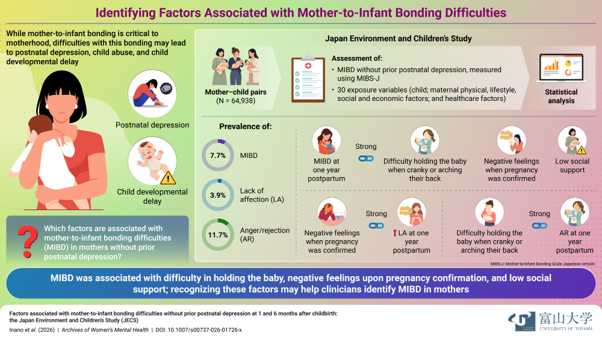
July 1: Mother-to-infant bonding difficulties (MIBD) are commonly associated with postnatal depression. MIBD has been linked to developmental delays and child abuse. Researchers found that about half of MIBD cases in Japan involve mothers who did not experience postpartum depression. Difficulty holding a fussy baby, lack of happiness about pregnancy, and low social support predict an increased risk of MIBD. Clinicians observing these signs should intervene to ensure maternal and child well-being.

Mapping the Risk Factors for Mother-Infant Bonding Disorder

  A strong emotional bond between a mother and her child is vital during early infancy. However, some mothers experience indifference, aloofness, or anger when interacting with their infants, a phenomenon called mother-to-infant bonding difficulties (MIBD). MIBD has been linked to inappropriate child-rearing and developmental delays in children. Therefore, it becomes crucial for medical professionals to intervene and help mothers bond better with their infants.

Researchers have long known that postnatal depression is a strong predictor of MIBD. However, mothers without postnatal depression make up a very large proportion of mother-child pairs affected by MIBD. “The prevalence of MIBD is reported to be 11%–12%, but to our knowledge, there are relatively few reports on the prevalence of MIBD without postnatal depression,” says Ms. Hitomi Inano from the Department of Nursing Sciences, Graduate School of Medicine and Pharmaceutical Sciences, University of Toyama, Japan. “It is highly likely that maternal bonding difficulties are involved in the steadily increasing incidence of child abuse and developmental disorders in recent years,” she adds.

Ms. Inano led a study on MIBD in mothers without postnatal depression. This study was supported by Dr. Akiko Tsuchida, Dr. Hidekuni Inadera, and Professor Tomomi Hasegawa from the Faculty of Medicine at the University of Toyama, as well as Dr. Kenta Matsumura from the Aomori University of Health and Welfare. Using data from the Japan Environment and Children’s Study (JECS), the researchers studied the overall prevalence of MIBD and factors associated with increased MIBD risk. Their findings were made available online on June 3, 2026, in Volume 29 of the journal Archives of Women’s Mental Health.

The research team found that MIBD was present in 11.6% of all mother-child pairs in the JECS dataset, which was consistent with previous studies. While MIBD prevalence was only 7.7% in mother-child pairs where the mother did not have postnatal depression, this group still accounted for nearly half of all cases of MIBD in the dataset. Next, the team looked at the prevalence of the two components of MIBD, namely lack of affection (LA) and anger and rejection (AR). 38.2% of mothers gave at least one affirmative response to LA-related items, compared with 51.8% for AR-related items.

What aspects of pregnancy and postpartum increase the risk of MIBD? The team analyzed 30 variables across six dimensions: child factors, maternal physical factors, maternal lifestyle factors, maternal psychological factors, maternal social and economic factors, and healthcare or medical intervention factors. Of these, three variables showed the strongest associations with MIBD.

 The strongest predictor was a mother reporting difficulty in holding her infant due to crying, fussiness, or back-arching at one month postpartum; these mothers were 3.45 times more likely to experience MIBD at one year postpartum. The second strongest predictor was a mother reporting any emotion other than happiness upon pregnancy confirmation—confusion, upset, or neutrality were associated with a 2.42-fold increase in MIBD risk. Conversely, mothers reporting high social support during their pregnancy had a 55% lower likelihood of experiencing MIBD.

Ms. Inano highlights the need for active monitoring and intervention. “Mothers with bonding difficulties who screen negative for postnatal depression are unlikely to be identified by healthcare professionals and are therefore often overlooked as potential recipients of support,” she says. Clinicians should strongly consider intervening if a mother reports difficulty in handling her baby when the baby is cranky or arching their back, even if the mother shows no signs of postnatal depression.

Ms. Inano hopes that these findings will lead to more mothers receiving timely support, thus ensuring their own well-being and the healthy development of their children.

As the World Races to Make More Chips, the Next Bottleneck May Be Femtosecond Lasers

As the World Races to Make More Chips, the Next Bottleneck May Be Femtosecond Lasers

As the World Races to Make More Chips, the Next Bottleneck May Be Femtosecond Lasers

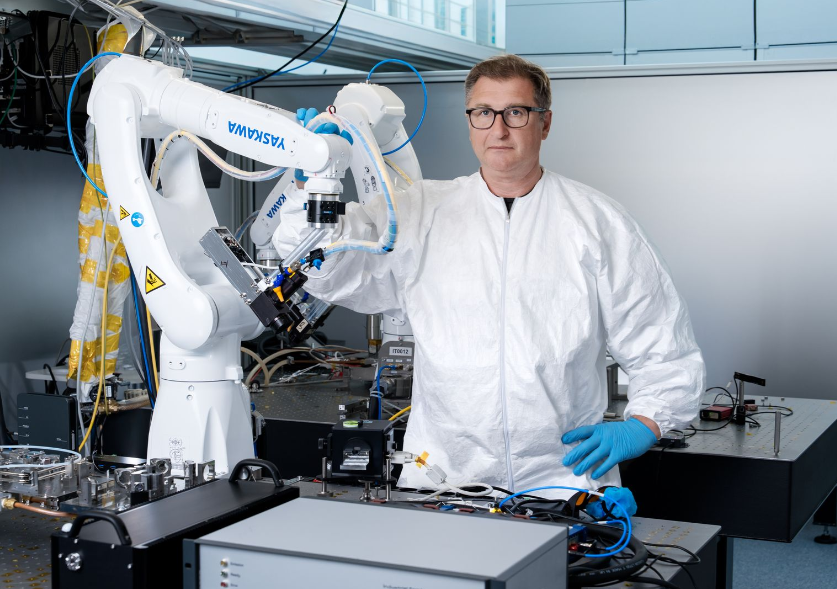
 Nikolajus Gavrillinas, co-founder and CEO of LITILIT. (Source: LITILIT)

July 1, Vilnius, Lithuania. Last week, Apple announced that it would increase prices for its MacBooks and iPads by 20%, making it the latest company to raise electronics prices amid soaring chip costs and shortages. According to experts, the solution to increasing chip production lies not only in expanding manufacturing capacity but also in securing the right precision tools.

At the end of June, Apple said that it would raise prices for its devices due to chip shortages, noting that it had “never seen a component price increase this much, this quickly.” Other tech companies, including Microsoft, Sony, Dell and HP have also increased prices or are planning to do so. The pressure is being felt across the whole electronics market: over the past year, memory chip prices have spiked approximately six-fold, according to a Morgan Stanley report quoted by Reuters.

The main reason for the price hikes is the AI boom, which has driven memory chip costs to levels that manufacturers can no longer absorb.

According to experts at LITILIT, a startup manufacturing femtosecond lasers, as chip demand grows, the world may also face a shortage of precision tools to manufacture them. Nikolajus Gavrilinas, CEO of LITILIT, says that femtosecond lasers are increasingly used in manufacturing the latest generation of semiconductors due to highly accurate processing with minimal thermal impact.

“On a modern chip node, even sub-microscopic thermal damage makes a component unusable. As chips become more complex, manufacturers turn to femtosecond lasers that can remove material without causing any thermal damage to the surrounding structure. Since femtosecond lasers are also increasingly used in the production of the equipment for the data centers and many other advanced applications, the world might also face a bottleneck, as femtosecond laser production remains concentrated in a small number of facilities worldwide,” Gavrilinas says.

Gavrilinas notes that having strong domestic femtosecond laser production capacity is especially important for Europe, which has recently proposed Chips Act 2, aiming to double the EU’s global semiconductor market share from 10% to 20% by 2030. Similarly, the US and China are also pushing to increase local chip manufacturing.

To address the potential shortage of femtosecond lasers, LITILIT has just broken ground on a new femtosecond laser factory in Vilnius. The factory targets a production capacity of 3,000 lasers per year within a couple of years of launch, making it the highest-capacity femtosecond laser facility in the world.

The company is producing lasers based on a few patented inventions (link to patent 1link 2), made by Kęstutis Regelskis, Nerijus Rusteika, and Gavrilinas, in close collaboration with the Center for Physical Sciences and Technology (FTMC) in Vilnius. The company’s long-term vision is to bring femtosecond lasers to massive-scale applications, with similar cost, integration simplicity, and reliability as nanosecond fiber lasers.

“Typical femtosecond lasers can deliver exceptional application performance, but are notoriously difficult to manufacture and require highly qualified specialists in production. We developed lasers with reduced component complexity, a purpose-built design, a high level of automation, and production processes adapted to serial manufacturing. This makes them ideal for serial production at the scale required for manufacturing semiconductors and other components that demand high-precision tools,” Gavrilinas explains.

According to Gavrilinas, the lesson from the current chip shortage is that advanced manufacturing depends on more than the capacity of the lithography process. It also requires access to other enabling tools behind next-generation production: from femtosecond lasers to advanced packaging and precision material-processing systems.

Peer-Reviewed Study Identifies Guardian FLEX SoftShox Chinstrap as Best-Performing for Facemask Impact Protection


Sports protective leader Guardian Sports & Stanford founded SoftShox achieves up to a 35% reduction in Head Acceleration Response Metric

ATLANTA (July 01) – Guardian Sports, the company leading sports safety at all levels of play, announces its inclusion in a new peer-reviewed study published in the Annals of Biomedical Engineering, highlighting statistically significant effects of the Guardian FLEX SoftShox Chinstrap, including up to a 35% reduction in HARM (Head Acceleration Response Metric) during laboratory testing. 

In 2024, the NFL found that 44% of in-game concussions were caused by facemask-to-facemask blows, and 50% of all impacts are facemask-to-facemask. The facemask zone is the most underdeveloped impact location on the modern football helmet. The new Guardian FLEX SoftShox Chinstrap aims to address that gap.

The new publication evaluated fourteen different chinstraps as part of official laboratory impact testing, with head kinematics recorded to calculate HARM rates. The results demonstrated statistically significant impact reductions among bottom straps compared to top straps, as well as thicker chin cup liners compared to thinner models.

The study found that the Guardian FLEX SoftShox Chinstrap achieved a 35% reduction in HARM at 3.0 m/s and a 31% reduction in HARM at 7.3 m/s, providing peer-reviewed evidence of its impact-mitigating performance.

Guardian Sports COO Jake Hanson shares, “This study marks a major milestone in sports safety & our quest to improve athlete protection & performance, providing scientific validation for the safety benefits of the Guardian FLEX SoftShox Chinstrap. We’re thankful to collaborate with the innovative team at SoftShox to achieve this milestone and look forward to seeing the Guardian FLEX SoftShox Chinstrap on football fields across the country this Fall.”

With teams across the U.S., from high school athletes to professional leagues, planning to wear the chinstrap during the upcoming 2026 season, this new data is expected to further support adoption.


Shri Jayant Chaudhary Launches IndiaSkills Competition 2026–27 to Discover India’s Next Generation of Skill Champions; Registrations open on SIDH

Shri Jayant Chaudhary Launches IndiaSkills Competition 2026–27 to Discover India's Next Generation of Skill Champions; Registrations open on SIDH

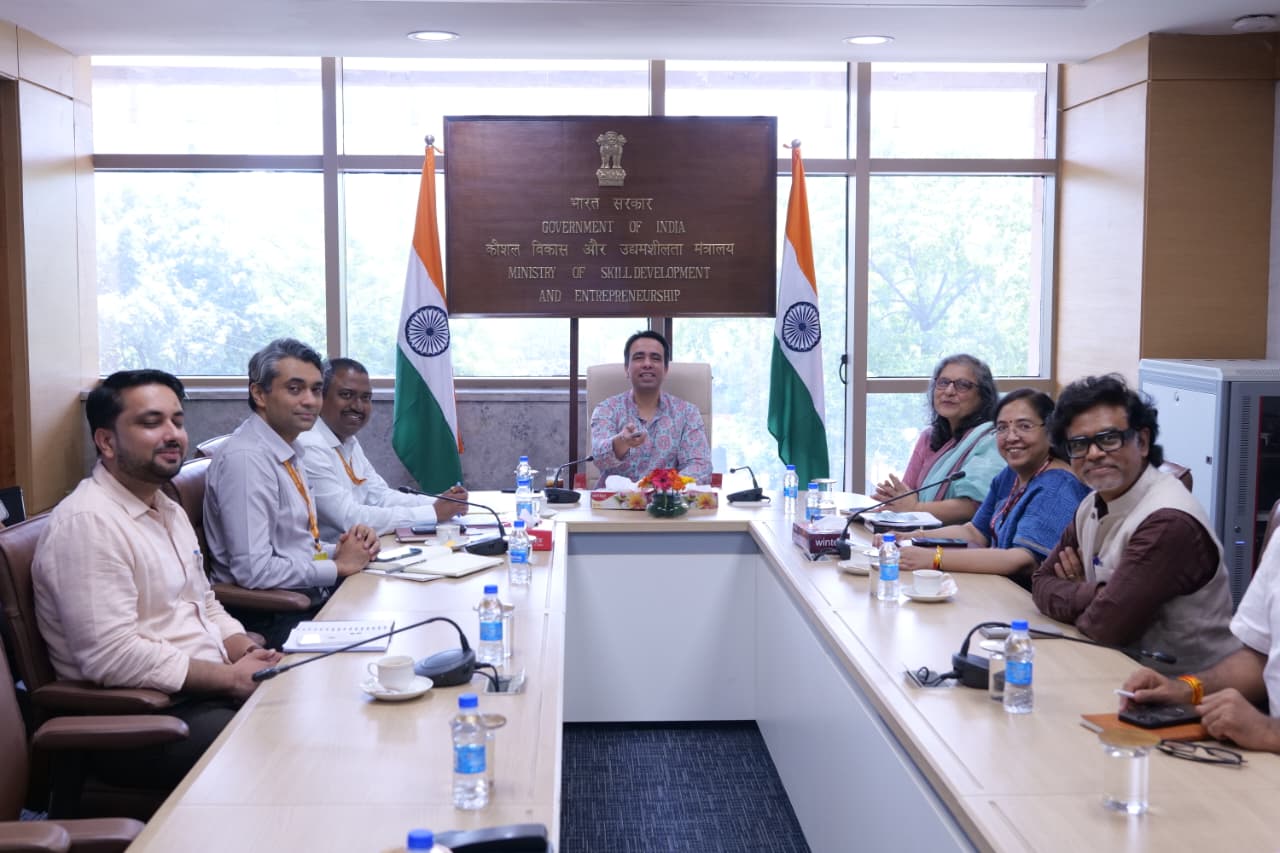
Chandigarh, July 01: Shri Jayant Chaudhary, Hon’ble Minister of State (Independent Charge) for Skill Development and Entrepreneurship, and Minister of State for Education, Government of India, launched the IndiaSkills Competition 202627, the country’s flagship skill competition that seeks to identify, nurture and showcase India’s most talented youth across 63 industry-relevant skill categories. Organised under the aegis of the Ministry of Skill Development and Entrepreneurship (MSDE) and supported by the National Skill Development Corporation (NSDC) as the knowledge and implementation partner, the competition will provide a national platform for young skilled professionals to compete against the highest standards of excellence and earn the opportunity to represent India on the global stage.

With this launch, registrations for the competition have opened on the Skill India Digital Hub (SIDH), providing a transparent, accessible and digital platform for youth across the country to participate. The competition will follow a structured pathway from District, State and Regional Competitions to the National Competition, where India’s finest skilled youth will be selected for advanced training and assessment before representing the country at global platforms such as the WorldSkills Competition.

Shri Jayant Chaudhary, Hon’ble Minister of State (Independent Charge) for Skill Development and Entrepreneurship, and Minister of State for Education, Government of India, said, IndiaSkills is not just a competition; it is a powerful platform for transforming skill into aspiration, excellence into opportunity, and talent into national pride. It reflects a new India where skilled youth are not only job-ready, but world-ready. As industries evolve and technology reshapes the future of work, India’s greatest advantage will be its ability to prepare young people with globally benchmarked skills, confidence and ambition. IndiaSkills 202627 is an invitation to every young aspirant across the country to step forward, showcase their capability and become part of India’s journey towards becoming the skill capital of the world.”

The IndiaSkills Competition 202627 will continue to feature the same 63 future-ready and industry-aligned skills as the previous cycle, covering advanced manufacturing, construction, digital technologies, engineering, hospitality, transportation, creative industries and emerging sectors.

Since its inception in 2016, IndiaSkills has evolved into India’s largest skill competition ecosystem. Participation has grown exponentially from around 5,000 registrations across 20 skills in 2016 to over 3.5 lakh registrations across 63 skills in the recently concluded IndiaSkills Competition 2025–26, with participation from all 36 States and Union Territories. The competition has emerged as a powerful platform for promoting vocational excellence, strengthening industry-academia collaboration, aligning training with international standards, and inspiring youth to pursue careers based on skills.

IndiaSkills has also become the country’s primary talent identification pathway for global skill competitions, contributing significantly to India’s improving performance on the international stage. At the WorldSkills Competition 2024 held in Lyon, France, India secured its best-ever global ranking of 13th, winning 4 Bronze Medals and 12 Medallions for Excellence. Building on this momentum, India further improved its standing by securing 8th position at the WorldSkills Asia Competition 2025, reflecting the growing strength and global competitiveness of India’s skilling ecosystem. Most recently, Team India delivered an outstanding performance at the Global Skills Challenge 2026 in Australia, winning 3 Gold, 1 Silver and 1 Bronze medals across advanced manufacturing, digital technologies, creative industries and service-sector skills. The country now looks ahead to showcasing its skill capabilities at the WorldSkills Competition 2026 in Shanghai later this year.

The Ministry has encouraged all States and Union Territories to maximise participation across skill categories and undertake extensive mobilisation through schools, ITIs, polytechnics, engineering colleges, universities, skill training institutions and industry partners to ensure wider outreach and talent identification.

Engineering the next generation of semiconductor materials, one layer at a time

News Release: Engineering the next generation of semiconductor materials, one layer at a time

Engineering the next generation of semiconductor materials, one layer at a time


July 1, 2026 — Silicon is an essential element for creating semiconductors, the building blocks of all modern-day computing technologies. However, as devices continue to shrink, engineers are approaching the limits of what silicon can achieve. 

It’s time for some new materials.

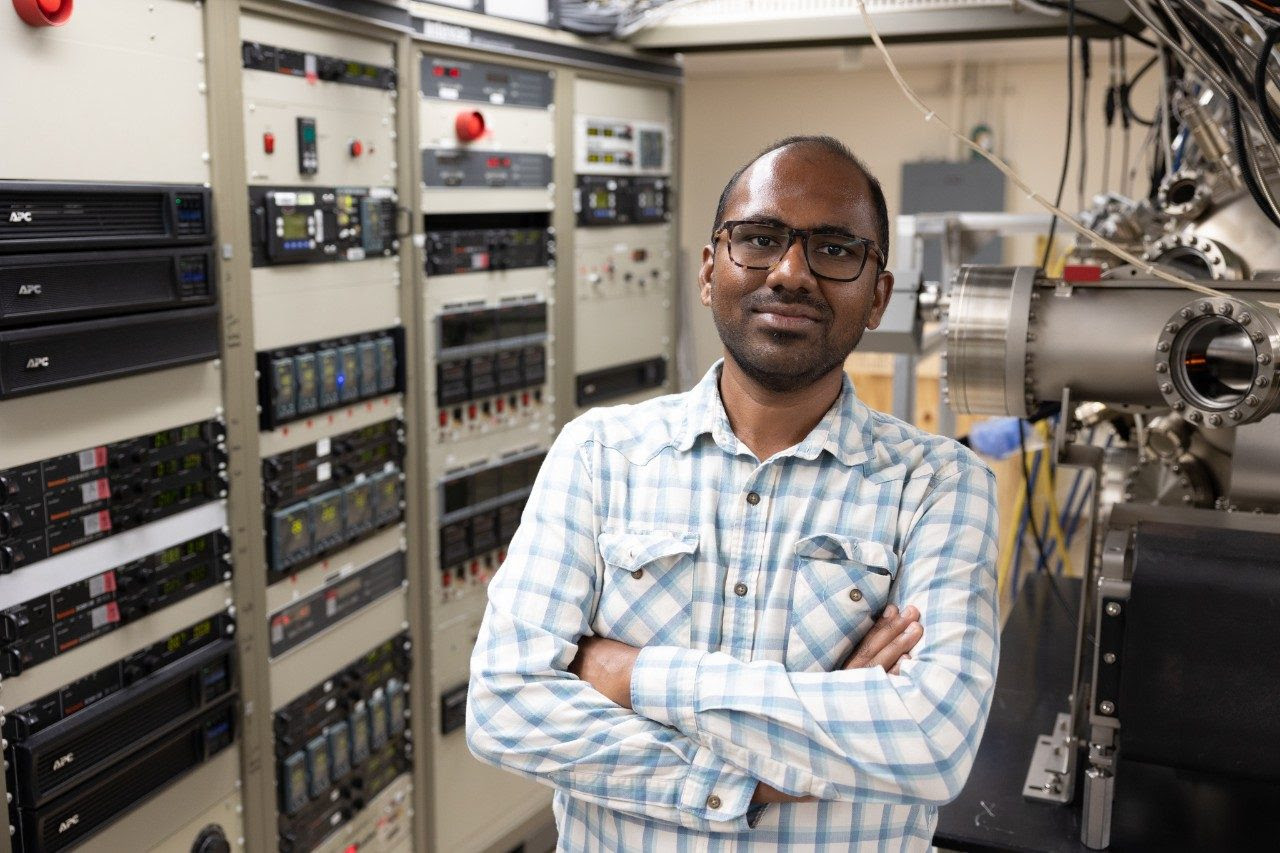
As a Ph.D. student in the Advanced Devices and Sustainable Energy Laboratory (ADSEL), Sengunthar Karthikeyan is helping to reinvent the foundation of semiconductors at the atomic level.

“The aim is to address the challenges in incorporating novel semiconductors in the future,” Karthikeyan said. “I’ve really enjoyed the hands-on research, growing material systems that have the potential to create different types of electronic and photonic devices, such as transistors, lasers, and photodetectors on the same platform.”

Creative solutions

Semiconductors are materials such as silicon with the ability to conduct or insulate against electricity. They serve as the microscopic on/off switches inside all modern electronics. As components have shrunk, engineers have encountered new challenges: electrons leaking through physical barriers in a process called tunneling and power density causing overheating. Silicon is also inefficient at emitting light, limiting its usefulness for photonic applications.

In the ADSEL group, Karthikeyan, his advisor Mantu Hudait, professor in the Bradley Department of Electrical and Computer Engineering, and fellow Ph.D. students experiment with elements such as indium, gallium, aluminum, tin, and germanium to create new materials that can replace silicon in future electronic systems. Components forged from new materials made from various combinations — such as indium-gallium-aluminum-arsenic with germanium-tin and mechanically stretched germanium — can operate at higher frequencies and faster speeds, and they can facilitate operations at the quantum level.

“ADSEL has given me an opportunity to analyze and understand the science behind the structure properties and co-relate them to device performance metrics,” said Karthikeyan. “I’ve been inspired to investigate numerous creative solutions before letting logistics interfere.”

For example, Karthikeyan spent nearly 14 hours carefully etching through a semiconductor layer to reach a target interface just nanometers thick. After missing the area on his first attempt, he repeated the experiment. He was able to successfully capture data used to characterize the material for future laser and photodetector applications. The efforts were detailed in his inaugural paper, Lattice‑matched GeSn with enhanced carrier confinement, published in the Journal of Materials Chemistry C.

What’s ahead

After completing his internship at Intel this summer, Karthikeyan will join the front end of line in the semiconductor industry, where he’s excited to bridge the gap between fundamental materials research and practical technology. His ultimate goal is to develop a way for transistors, lasers, and photodetectors to be manufactured together on the same semiconductor wafer.

“Karthikeyan’s contributions have strengthened our research in meaningful ways,” said Hudait. “His future impact will be significant. I’m excited to see him carry forward the curiosity, discipline, and integrity he has shown in our research group.”

Original study: DOI.10.1039/D3TC01018J

Abraham Accords, IMEC corridor: 53 local authorities across Northern Israel unite in a historic, unprecedented alliance to shape the region’s future

Against the backdrop of profound regional transformations, driven by the Abraham Accords and the development of the India–Middle East–Europe Economic Corridor (IMEC), 53 local authorities in northern Israel have, for the first time, forged an unprecedented regional alliance aimed at strengthening regional cooperation and accelerating economic development.

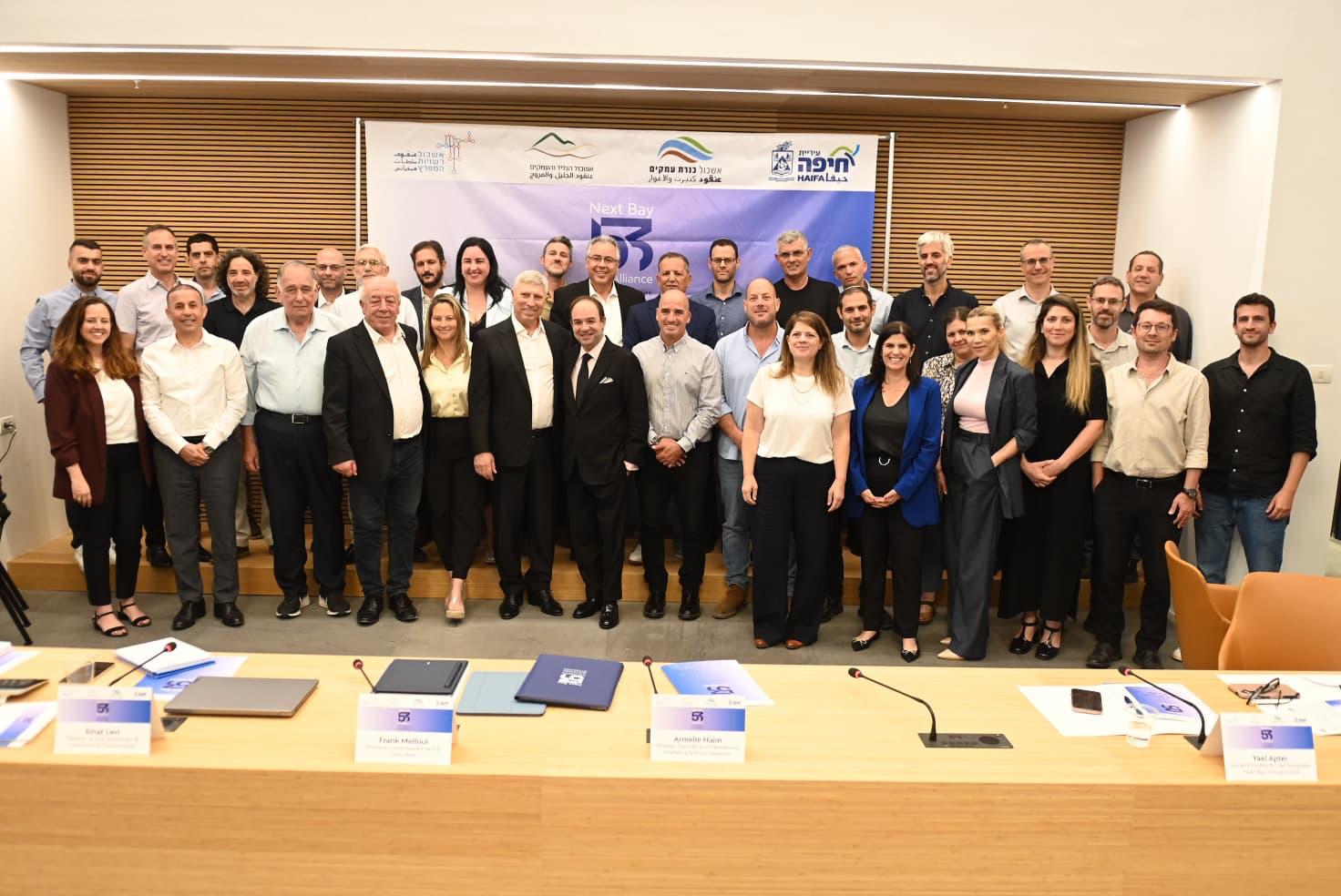
This regional initiative, named the “Next Bay 53-City Alliance,” brings together 53 local authorities stretching from Haifa Bay to the Beit She’an Valley and the Galilee, a strategic geographic, economic and social region home to more than 2 million residents, including Jewish, Arab, Druze, Bedouin, Circassian, Bahá’í, and Ahmadi communities.

Abraham Accords, IMEC corridor: 53 local authorities across Northern Israel unite in a historic, unprecedented alliance to shape the region's future


The alliance aims to strengthen northern Israel’s position as the country’s gateway to regional connectivity, foster cooperation among local authorities, and leverage the opportunities created by the India–Middle East–Europe Economic Corridor (IMEC) to promote economic growth, innovation, job creation, and regional development.

Thanks to its strategic location and infrastructure, northern Israel, including the Port of Haifa, one of the largest ports in the Eastern Mediterranean, is a key logistics hub along the IMEC Corridor. As Israel’s maritime gateway to the region, it represents a major strategic asset for expanding trade and connectivity between Asia, the Middle East, and Europe.

The Next Bay 53-City Alliance was jointly founded by the Haifa Bay Local Authorities Cluster, the Kinneret Valleys Cluster, the Galilee and Valleys Cluster, the Municipality of Haifa, the Municipality of Beit She’an, and the Emek HaMaayanot Regional Council.

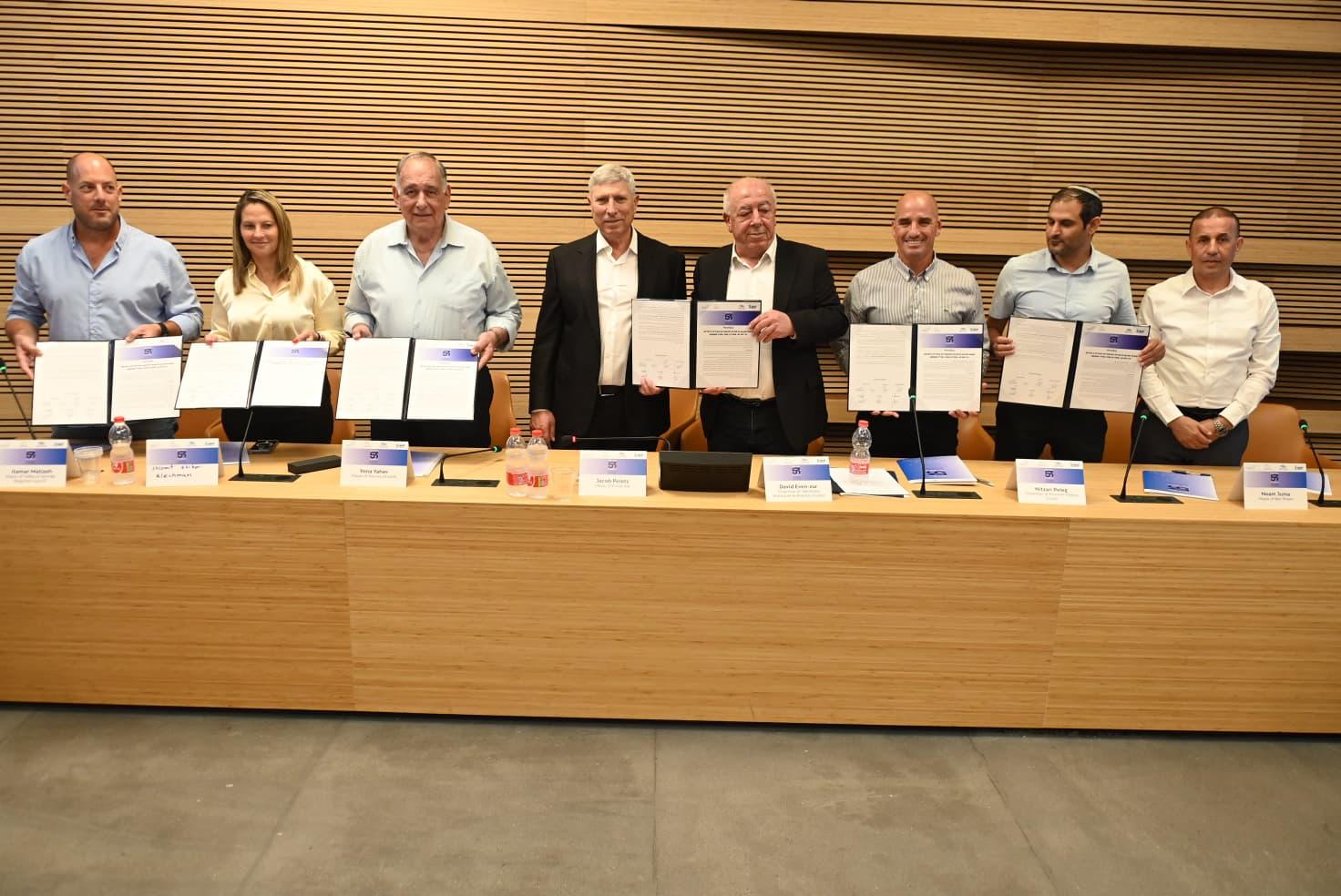
Last Thursday, their respective leaders signed the Alliance’s founding charter. The signing ceremony was followed by a panel discussion featuring senior officials from the Ministries of Foreign Affairs, Economy, Interior, Energy, Transport, Communications, and Regional Cooperation, focusing on the policy priorities and collaborative actions needed to position northern Israel within the India–Middle East–Europe Economic Corridor (IMEC).

Earlier this month, Frank Melloul was appointed Ambassador of the Next Bay 53-City Alliance to help raise the Alliance’s international profile and promote its vision and objectives on the global stage.

David Even Tzur, Chairman of the Haifa Bay Local Authorities Cluster and Mayor of Kiryat Yam, said: “Haifa Bay and northern Israel are home to a unique human mosaic. By bringing our local authorities together, we will be better positioned to seize the opportunities created by the Abraham Accords and the IMEC Corridor, driving economic growth, innovation, and regional development. The potential is tremendous.”

Abraham Accords, IMEC corridor: 53 local authorities across Northern Israel unite in a historic, unprecedented alliance to shape the region's future


Munir Zbeidat, Head of the Basmat Tivon Local Council and Chairman of the Forum of Bedouin Local Authorities in Northern Israel, said: “The Arab, Bedouin, and Circassian communities are committed to being an integral part of the regional vision advanced by the Forum of 53 Local Authorities. We want to be full partners in this initiative, contributing to its economic development momentum and working together to create jobs, foster growth, and expand opportunities for all residents of northern Israel.”

Yaakov Peretz, Mayor of Kiryat Ata, said: “The IMEC Corridor is a powerful example of the strategic opportunities emerging for our region, reinforcing northern Israel’s position as a major engine of growth for the country. This initiative has the potential to create tens of thousands of jobs, strengthen economic resilience, attract new investment, and accelerate regional development for the benefit of all residents of northern Israel.”

Yona Yahav, Mayor of Haifa, said: “The IMEC Corridor is far more than an infrastructure and transport project. It is a strategic opportunity to create high-quality jobs, attract international investment, strengthen the local economy, and improve the quality of life for millions of people. As Israel’s leading northern metropolis, Haifa is proud to play a central role in this initiative.
For decades, Haifa—and the wider region—has served as Israel’s gateway to the world: a port city, a center of trade, research, industry, innovation, and multiculturalism.”

Shlomit Shihor Reichman, Vice Chair of the Galilee and Valleys Cluster and Head of the Emek Yizreel Regional Council, said: “The IMEC initiative is far more than an economic or transport corridor. It is a regional opportunity to strengthen partnerships, advance infrastructure, innovation, employment, and tourism, and create new engines of growth for the benefit of the region’s residents. Broad cooperation among local authorities and partners across sectors is the key to unlocking this potential.”