Archive: March 30, 2023

IIIT B hosts Government-to-Person payment systems (G2P) connect workshop

IIM bagalore

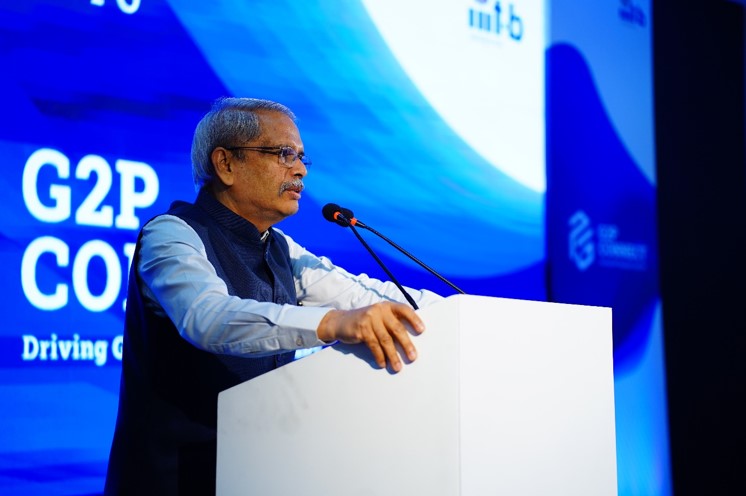
Bengaluru, 30th March 2023: The International Institute of Information Technology Bangalore (IIITB), heldthe Government-to-Person Connect Workshop recently. It was a two-day in-person workshop for global representatives interested in the implementation of digital G2P payment systems (G2P).The workshop was intended for governments to share learnings, and discuss the opportunities and challenges in building and expanding G2P payment programmes. The agenda featured group discussions by key leaders involved with digital public infrastructure.

The workshop focused on the need for digital public infrastructure (DPI) in G2P processes.G2P is a future for government payments. It will provide delivery over multiple channels and choice.

The event encouraged participation from the audience, and facilitated discussions on the current state and future plans for G2P DPI in all the attending countries.The event was attended by 120 participants from 25 countries.

Speaking on the occasion, Prof. Debabrata Das, announced regarding the upcoming center for DPI, tobe housed at the IIITB, Prof. Das said, “IIITB is happy to host the G2P Connect Workshop, with representatives from over 25 countries and various global organisations. We hope to see more participation from countries in the future as the new Centre for DPI builds digital public infrastructure for G2P processes.”

Delivering the key note address, Mr. Nandan Nilekani, Co-founder and non-executive chairman of Infosys, commented “DPI is the building block for a productive, resilient & equitable society. What we are seeing is a global policy consensus building around value of DPIs, and open technology frameworks are coming to life.”

Dr. Pramod Varma, ex-Chief Architect of Aadhaar, who gave an introduction to G2P infrastructure, explained, “G2P systems are inherently decentralized, managed by many, evolved in different ways, and need to work together to achieve the transformation. We need to design building blocks independently and connect them via common interoperability specifications/protocols.”

Earlier Mr. Kris Gopalakrishnan and Prof. Rajagopalan from IIITB gave the welcome address, introducing the workshop’s objectives.

Fagun Thakrar & Hillary Clinton Join Most Powerful Women for Women’s History Month

Fagun, Hillary -Most Powerful Women


Fagun Thakrar was invited to join Forbes Most Powerful Women conference that took place this month in honor of Women’s History Month along with other legends including Hillary Clinton Former United States Secretary of State, First Lady of Ukraine Olena Zelenska, Sports Champion Billie Jean King among many others. It was the greatest global gathering of iconic women from all generations who are truly changing the world.

Fagun Thakrar who was invited is a Multi-Hyphenate Young Female Global Leader who is tackling Global Issues. Fagun is an accomplished Activist, Actor, Director, Entrepreneur, CEO, Wellness Expert and Style Icon. Fagun is a critically acclaimed actor who has appeared in both Hollywood and international films. Her films have been released in cinemas internationally, have been selected in festivals and have won awards. As a film director Fagun creates films which shine lights on critical issues.

Fagun is actively involved in local level and global non-profit work with children, girls, women and the health sector. She is a wellness expert and worked with people from disadvantaged children to world leaders and national presidents. Fagun is also a socially conscious entrepreneur having founded several businesses. She is the founder of The Purpose Movie Studio that develops purpose-driven content and The Creatively Inspired Life Foundation, a non-profit dedicated to empowering young people to overcome barriers in their educational, professional and personal lives. The core of Fagun’s work and passions are to inspire people, improve lives, and help effect positive change across the globe.

New Strategies for Higher Education and Research for New India needed – Prof PB Sharma at AIU VCs Conference

New Strategies for Higher Education and Research for New India needed - Prof PB Sharma at AIU VCs Conference “With all pervading nature of technology and mind-boggling innovations unleashed by the genius of man in the new age of hyper connectivity and knowledge explosion, coupled with the ever-rising concerns for wellbeing of humanity and protection of environmental health, newer models of higher education for the learners of the new age are needed for the New India. The new age offers great opportunities but also  monumental challenges, that include major disruptions caused by technology innovations on one hand and the rising needs for compliance to sustainability in all walks of human endeavors. The universities in India, and across the globe are required to gear up to respond to this dire need and shape themselves as the universities of the new age to contribute effectively for the creation of the New India of our dream. New Strategies for transformational reforms in higher education and research in the universities of today are required to greet the new age challenges and make higher education and research a major game changer for creating a new world of blissful engagement and happy living on planet Mother Earth”, said Prof PB Sharma at the AIU VCs Conference held recently at University of Science and Technology Meghalaya. The AIU Conference was inaugurated by former President of India Shri Ram Nath Kovind in August presence of Dr Ranoj Pegu, Minister of Education, Govt of Assam, Dr Suranjan Das, President of AIU, Dr Pankaj Mittal, Secretary General of AIU, Shri Mahbubul Hoque, Chancellor USTM, Dr GD Sharma Vice Chancellor of USTM Meghalaya and large number of Vice Chancellors from all over India and also by representatives of Apex Bodies including Association of Commonwealth Universities, AICTE, NAAC and ICAR. Large number of students and faculty also attended the VCs Conference. The Valedictory function was graced by the Governor of Assam Shri Gulab Chand Kataria and the Minister of Education of Meghalaya Shri Rakkam A Sangama, Education Advisor of Govt of Assam Dr N G Mahanta and Shri Atul Kothari, National Secretary of Siksha and Sanskriti Utthan Niyas.

During the last two years, the world has witnessed a devastating impact of the Corona pandemic. Covid-19 that forced nations around the world, without exception, to take force measures including prolonged lockdowns and acknowledge the fact that the power of the microbial kingdom is more lethal and devastating than the power of guns and missiles invented by man so far. It forced businesses and industries to close and left out countless workers to lose their livelihood, and in a country like India even the means of transport came to a grinding halt. It also forced the migrant workers to walk empty pocket with their family to their native places in rural India, that once sent them to the towns and cities several hundred miles away from their natural habitat in search of jobs and livelihood in modern metropolises.

As per the World Health Organization, Corona Virus dashboard,  as many as 758.4 million confirmed Corona cases were reported from around the world, that resulted in an estimated 6.86 million deaths attributed to Corona virus. The devastating impact of corona virus on human health was, however, not restricted to deaths alone as its continued influence on human immunity and the threats arising out of the mutations of Corona Viruses are still a matter of grave concern and their impact is yet to be more accurately assessed. But one thing is clear, the pandemic had a pronounced effect on the mindset and the attitude of people towards their life as well as their livelihood. The COVID-19 has also impacted the social life of the younger generation and their aspirations and ambitions.

The universities were shut down and were forced to reinvent the way education is to be imparted to the tech-savvy, new age learners, who embraced technology and tech innovations with ease and speed. These new age learners belong to the 21st Century, a century of people that thrives on the capabilities of its people and on the power of their ideas. For them, PCM does not only mean Physics, Chemistry, and Mathematics but also People’s Capabilities and their Maturity. What more, they belong to an age that offers a smoother and a level playfield, when it comes to acquiring education in the digital age and with the vast body of knowledge being easily accessible to anyone having connectivity and digital devices like laptops, smartphones, tablets, etc.

But then Covid-19 was not just to force the businesses, corporates, industries and the universities to shut down but also to send a powerful message to our minds that the way we have decided to develop this world of ever rising consumption, increased pollution and ruthless onslaught and exploitation of nature would not be allowed to continue, as the Nature knows how to herald man’s quest for escalating greed and exploitation of Mother Nature. But then, the lessons learnt during pandemic were swiftly forgotten as life returned to almost normal after the prolonged pandemic. The care and concern for the environment as well as the well-being of the people at large once again became secondary to the urgency of rapid recovery of economy from its deep downfall during the pandemic days.

It is also important to note that the post pandemic world is witnessing global recession and job losses besides causing monumental challenges of reviving the global economy. But one thing is clear that the post Covid world has resulted into ushering a new age, a new world order in which the all-pervasive nature of technology and mind-boggling scientific advancements and technology innovations are forcing us to reinvent the transformative reforms in all sectors of human endeavor, including the way education is imparted and research is carried out in universities and institutions of higher learning., said eminent academician Prof PB Sharma who is the past President of Association of Indian Universities, AIU.

In this new age it is important to focus on creating new avenues for blissful engagement of the vast humanity that includes around 600 million youth below the age of 25 in India alone. These new age learners are looking for a learning environment that make them capable of greeting the new age challenges, capture great opportunities that the new age offers and shape them as outstanding human beings deeply caring and committed to creating a peaceful and compassionate world. The education for the new age must  therefore go beyond creating a hype of ML and AI and configure ways and means to create outstanding human beings capable of creating and sustaining a new world order of happy and healthy living on planet Mother Earth in peace and harmony.

In this new world order, education, especially higher education and research in colleges and universities is being increasingly recognized as a major game changer to empower the youth of the world with human capabilities and technologies to sustain our continued march on pathways of human excellence and assure higher levels of sustainability in production systems and services. But then, education cannot and should not merely be focused on economic growth, it should alongside build a caring and compassionate humanity and responsible citizenship that is so essential to create peace, harmony and happiness around the globe, opined Prof Sharma.

 New Age- The Age of Uncertainty but also Innovation Infinite

It goes without saying that the new age is the age of uncertainty but also of great opportunities to create a much better world than the world it was in pre-covid times. At the same time, it is also an age of great disruptions caused by rapid growth of innovative technology platforms, but then here it will be important to realize that innovations are a great power to create and create faster and better than the disruption it causes. Hence, the focus of innovation should be to utilize the power of innovation to create a new world in which technology innovations create employment, new demands for energy efficiency and environmental compliance but also great gains for accelerated economic growth and development with sustainability and inclusiveness.

Digital technologies are to be perceived as being a great friend of humanity at large as they promote transparency and trust so vital to create a fair and just global society. But for every great good there is a great threat of misuse and misguide. It would be prudent for the higher education in the new age to pay a greater attention to aspects of cyber security, information integrity and social media responsibility, else the digital technologies assisted by the newer tools of machine learning and AI shall create more misery than the comfort and efficacy they intend to create.

Integration of Ethics and Morals in Smart Machines and Systems Needed:

 It is here we need to foster in our universities new tech innovations such as ‘Technologies of Conscience’ for smart machines and systems. We need to develop new, smart, and intelligent devices with embedded technologies of conscience that besides creating the ease of doing business also positively impact the human behavior to protect them and the planet from the misguide and misuse of the enormous power of technology and pave the way for increased sustainability, empathy and compassion, so important for a blissful life on planet Mother Earth. Special attention is needed for development of new tech innovations in the campuses of the universities where the younger minds need to be sensitized about their importance at an early stage of their life.

The new age demands a caring and compassionate leadership that cares for its people, and settles the disputes, if any, by dialogues and coming together with its opponents on a common table to negotiate. War is no solution in this new age of transparency and easy access to technology integrated and smart warfare devices such as smart and intelligence drones and smart surveillance systems capable analyzing and assisting modern warfare. The new age higher education in business schools and management institutions need to focus on creating such a new age leadership that cares for the planet and the people and nurtures the world as one global family akin to Vasudhaiv Kutumbakam, the motto of G20 Presidency of India this year in 2023, said Prof Sharma.

Higher Education for the New Age Learners:

The new age education is to be more about capabilities to assimilate the existing knowledge, cause deep learning and critical thinking to utilize it for performing the work activity most efficiently and most effectively. The education of the new age should be largely about nurturing creativity and innovativeness that people have in their genes as also to provide them with an environment of bringing out their very best and manifest their innate potential of nobility and character skills.

UNESCO at the early dawns of the 21st Century had outlined the need for transformative reforms in education to foster an environment for not just ‘Learning to Know’, but also ‘Learning to Do’ and ‘Learning to Live Together’. The UNESCO report of the International Commission on Reimagining our Futures Together: A new Social Contract for Education (2021) strongly argues that ‘Since wars begin in the minds of men and women, it is in the minds of men and women that the defenses of peace must be constructed”. Naturally, where else other than in educational institutions, we shall have the opportunity to construct such defenses in the minds of our students to avert war and its agonies and create peace loving communities and nations.

Curriculum for Peace and Harmony:

It may be worth realizing what the Nobel Laureate Albert Einstein had said “Peace cannot be kept by force; it can only be achieved by understanding.” This tells us about the need to educate youth about the importance of peace and the benefits that come with it. We need to make them understand during their studies in the universities and colleges how to nurture a peace-loving society and practice peaceful coexistence. After all, much of the attitudinal and behavioural transformation takes place in students during their studies, more during their college days when they have an environment of autonomy and freedom to shape themselves the way they wish to be in future.  The new age education has thus to, from now onwards, necessarily take on board and that too in substantial manner the education for peace, inclusivity and above all integrity and sustainability. The curriculum for peace, inclusiveness, integrity and sustainability needs to be configured with its universal appeal and it is to be effectively integrated into the overall framework for the new age curriculum. This will also pave the way for designing the strategic framework for education for the new India of our dreams and the new world in which we wish to live as global citizens of a peaceful, happy and a prosperous world.

Research for Inclusive and Sustainable Development

The new age research, like new age education, also need to undergo a transformative reconstruct in its focus and in its goals and objectives. For the last many decades, the university research has been focused on strengthening the industrial revolution and creating mega corporates, in turn, creating great economies. But then economic development alone cannot be the objective of university research. The university research needs to serve the larger objective of creating a fair and just society free from inequality and disparities.

It is here, a renewed focus is needed for research for inclusive and sustainable development. Research that supports the growth and advancement of green technologies and makes circular economy a reality for achieving great goals of net zero emissions and zero waste discharge. Unfortunately, after the Second World War the research in science and technology became more heavily aligned to the needs of the industries and corporates and less towards the needs of society and the calls for protecting the health of the environment and the people on the planet.

Compared to this, the scientific research and technology innovations in ancient India were focused on science of life and technologies for human health and well-being. Ayurveda was the science of healthy life, and the food technologies were a guarantee to nourish a healthy body, a healthy mind and undoubtedly a happy soul. The focus on food and food products was so well integrated with natural medicines and nutrients that formed the basis for good health and well-being for a good 100 years of lifespan for humans. The care and concern for nature and the protection of environment was deeply integrated into education and research in ancient India. We need to go back to these basics and thus reinvent modern science and technology-based tech savvy education and research for the new India and the new world of peace and prosperity. Let the hype of automation, machine learning and AI assisted smart devices and systems not sway away our attention to education and research for good health and well-being for the new age developmental goals.

Our age-old traditions of living a life full of divine bliss and happiness were intrinsically related to paying our greatest attention to regular practice of yoga and meditation, consume sattvic plant and cereal based diet value added with cow milk and milk products, further supported by natural medicines integrated in our food as herbs and spices. These together with righteous conduct and a self-regulated lifestyle created an inspired humanity devoted to cultivating human excellence and utilize human life as an opportunity to serve, innovate and excel. We need to integrate such an emphasis on life sciences in our curriculum for education for new India and research for development of a healthy and happy society.

Today, it is all the more important for us to make our soul happy and obey its commands for leading a happy and blissful life. The soul within us guides us to do good and to remain on the side of a heart full of compassion for others and a mind devoted to innovating and exceling in service of man and Mother Nature. You may ask, in what language does the soul communicates with us? The soul is our best friend, and it communicates to us through feelings and expression of our emotions. When we listen to our soul and follow its commands of righteous acts and good deeds, happiness glows from our face. However, when we act against our conscience and disobey our soul, we feel guilty, and our face reflects that guilt. In the famous Bhagwat Gita, we are ordained to regulate ourselves through self-discipline, “Aatmasanyam”. A happy soul also inspires us to devote our time for classical music, classical performances, prayers to divine and connect with empathy, Aatmiyata with the diversity of the beautiful world around us. A mere walk through the green, in a park enables us to make our soul happy and mind refreshed from all the worries and tensions.

The yoga and the meditation were not merely gymnastics of body and mind but in true sense a time-tested scientific system of creating a healthy mind and a healthy body, as also to cultivate Aatmasanyam, the self-discipline, which holds the key for a happy and blissful life. The Asthanga yoga of Pantanjali Yogsutras, further inspires us to observe and practice Non-violence, Ahinsa, Truthfulness, Satya, Sustainable consumption, Aparigriha, Containment, Santosha, maintain purity of mind, a mind free from ego, yet fully committed to serve the society and Mother Nature. The university education and research should create a profound understanding of the time tested life sciences such as yoga and meditation and should create our abiding faith in the satvik, the righteous way of life that revolves around purity of mind, simplicity of means, integrity of actions and sustainability of systems and processes employed for a happy and healthy construct of a peaceful, compassionate and a developed human society, said Prof Sharma
[24]7.ai’s focus on gender diversity bears fruit with women employees contributing to over one-third of its India workforce

[24]7.ai’s focus on gender diversity bears fruit with women employees contributing to over one-third of its India workforce30 March 2023: [24]7.ai, a global leader in intent-driven customer engagement solutions, has laid a strong focus on creating a gender-inclusive workplace. The company hired over three thousand two hundred women employees during the year, taking the overall number of women in its workforce to over one-third.

To commemorate International Women’s Day, 2023, it has also launched ‘Shakti EmpowHer,’ an informal women’s network that focuses on mentoring, supporting, and creating a stronger voice for women across the organization.

The company’s equitable and inclusive policies and initiatives have been lauded by the industry. [24[7.ai has been certified among the ‘TOP 50 Best workplaces for women,2022’ by Great Place to work, a global authority on workplace culture. It has just won the ‘DivHERsity award’ for ‘Top 3 Companies by employee voice’ and ’Top 20 Most Innovative DivHERsity Programs’. The DivHERsity awards recognize companies that have shown consistent commitment to improving women’s participation in the workplace. It also won the UNWEP award for Leadership commitment toward gender diversity.

The company’s initiatives promote gender diversity and focus on building a strong employer brand. These include:

Shakti

A holistic program that aims at greater awareness, sensitization, and conversations on gender diversity with focused measures to provide equal opportunities for women across the 3 key pillars of Hiring, Development, and Retention of women. 737 women employees have undergone development programs in the last 12 months under this initiative.

Hiring Initiatives for talent outreach and attraction 

Women-focussed hiring drives: [24]7.ai has focussed on women-only hiring drives under the Shakti initiative. It has partnered with several channel partners, such as Aspire for Her, women NGOs, and women-only colleges, to extend outreach to women candidates in tier 2&3 cities and offer them jobs. Women employees participate in the recruitment and interview process to enable greater sensitivity and comfort for candidates while hiring.

Initiatives for Development of women employees 

Building a leadership pipeline of women leaders with Womenable – This unique mentoring and development program is designed to create a pipeline of women leaders for mid and senior-level leadership roles. 

Association with Global bodies – To facilitate a global exchange of ideas and perspectives, [24]7.ai constantly engages with client leaders as well as leaders from forums such as UN WEP(UN Women’s Empowerment Principles) and Great Place to Work. The 1st of the UN WEP Dialogue series was recently hosted at the [24]7.ai office, which was attended by over 50+ industry leaders and over 150+ participants.

Virtual Global Mobility Program – This program creates virtual global roles within [24]7.ai to enhance global exposure, especially for women who have locational constraints to relocate due to family commitments.

Aspire: A programme with flexi modules on demand like overcoming self-limiting beliefs and enhancing holistic development for women.

Retention initiatives at [24]7.ai that create an equitable culture

[24]7.ai has a strong focus on retention initiatives in the organization to help employees, especially women, cope better with demands at the personal and professional levels.

Adoption support policy – [24]7.ai also supports parents who choose to adopt instead of the conventional way of parenting by providing them with maternity leave and baby allowance.

Maternity benefits: To support women during pregnancy, [24]7.ai has several initiatives:

  • Baby allowances foremployees welcoming a new child into their family.
  • ‘Baby showers’ for expectant mothers at the campus.
  • Special cabs for expectant moms throughout their term of pregnancy for a comfortable and safe commute.
  • Moms-to-be badges are given toemployees to ensure special care is given to the expectant moms on campus. 

Gift of Time – An initiative at [24]7.ai where employees can ‘gift’ their leaves to colleagues in their time of need. Up to 30 days of leave can be gifted to others facing a serious ailment, illness, or injury which poses a threat to their life.

Diversity council:  A Diversity council has been constituted to work towards a strong diversity agenda throughout the year to ensure an equitable experience.

Equitable workplace policies – Women employees at [24]7.ai can avail the benefit of policies especially curated for women, like flexible work hours, work from home, etc. ‘Work from anywhere’ has been offered to women with infants or small children to manage their schedules better.

Nina Nair, Senior Vice President & HRD Head, India & the Americas, says “Our clear focus in the past years has been to make our organization gender diverse and inclusive. We strongly believe that a collaboration of unique individuals creates inventive solutions. This is why we at [24]7.ai aim to create an Equitable workplace that is flexible, supportive, and rewarding so that our employees are happy at work. Our focus on gender diversity has helped us ensure that over a third of our workforce are women, and even our senior leadership team comprises women who hold key positions across varied teams.”

Nina advocates equality and diversity within as well as outside of the organization and encourages an inclusive work environment.

Amidst soaring demand for luxury housing, Ambience Group begins possession of Noida Project

Amidst soaring demand for luxury housing, Ambience Group begins possession of Noida Project

New Delhi / Delhi NCR, 29 March 2023: Ambience Tiverton – Developed by The Ambience Group, has announced the commencement of possession of its luxury apartments. Amidst the growing demand for high-end housing, Ambience Tiverton is delivering an unparalleled living experience to its residents. The project is situated in the prime location of Sector-50, Noida, and features world-class amenities& services.

The luxury real estate market in Noida has been witnessing an upward trend in recent years, with a surge in demand from affluent buyers seeking premium properties. Against this backdrop, Ambience Tiverton has received an overwhelming response from homebuyers and investors alike, with possession commencement being eagerly awaited. The project offers world-class amenities&services and is poised to redefine luxury living in the city. With the delivery of its luxurious apartments, Ambience Tiverton is set to make its mark in the flourishing Noida real estate market.

Ambience Group has also announced a substantial price hike for the last few remaining apartments at Tiverton. The decision comes amidst a near sold out position and the growing demand for high-end properties in the area, making Tiverton an attractive investment opportunity for those seeking a luxurious lifestyle.

Ambience Tiverton, located in sector 50, Noida, offers world-class amenities & facilities. The project is spread across 3.5 acres of land and features 3 & 4 BHK apartments and penthouses. With its prime location and luxurious amenities, Tiverton is the perfect choice for those looking to invest in a luxurious home.

“Homebuyers today are looking for more than just a home, they are looking for an experience. The luxury real estate market in Noida has seen an uptick in demand over the past few years, with buyers seeking homes that offer world-class amenities, excellent connectivity, and an unparalleled lifestyle.We are confident that our buyers will appreciate the value of their investment in Tiverton, which offers a luxurious lifestyle with excellent connectivity to the city’s key landmarks.” said Ankush Kaul, Chief Business Officer – Ambience Group.

Additionally, Ambience is also excited to announce its upcoming carnival, Ambience Tiverton – The Final Stretch on 8th& 9th April 2023, which promises to be an extravaganza like no other. The carnival is set to take place at Ambience Tiverton in Noida and will be the last of its kind as they will reach a “sold-out” status with the carnival, making it an unmissable opportunity for those looking to experience something truly unique and unforgettable. Ambience Group remains committed to providing unparalleled experiences to its customers and is looking forward to welcoming them to this one-of-a-kind event.

Ambience Group is a leading real estate developer in India, with a track record of over three decades in delivering premium residential and commercial projects. Ambience includes some of the most iconic and sought-after properties across Delhi NCR, including residential complexes, commercial spaces, malls, and hotels. With a commitment to excellence and customer satisfaction, Ambience has emerged as a trusted name in the real estate industry, delivering exceptional value to its clients.

Airbus awards aircraft cargo doors contract to Tata Advanced Systems Ltd.

Airbus awards aircraft cargo doors contract to Tata Advanced Systems Ltd.

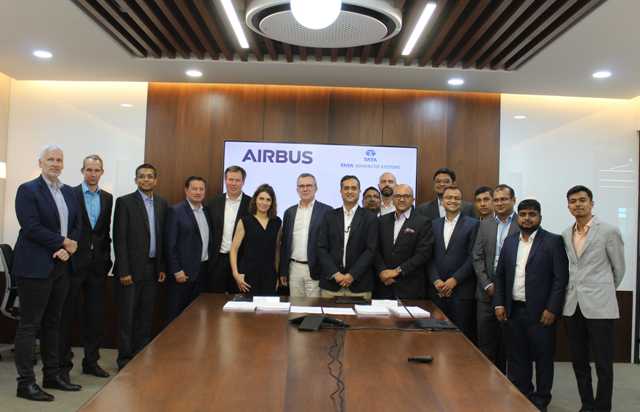
Hyderabad, 30 March 2023 – Airbus has awarded a contract to Tata Advanced Systems Ltd. (TASL) to manufacture cargo and bulk cargo doors of the A320neo aircraft family. The contract is a significant step towards increasing Airbus’ competitiveness in the single-aisle aircraft market and supporting the ramp-up of the A320 programme.

TASL will produce these doors at a new facility in Hyderabad using cutting-edge robotics and automation technology. Each shipset will include two cargo doors and one bulk cargo door. The contract was signed by Olivier Cauquil, SVP Aerostructure Procurement, Airbus, and Masood Hussainy, VP & HO Aerostructure & Aero-Engines, Tata Advanced Systems Ltd., at Hyderabad on March 29, 2023.

“When it comes to supporting the development of India’s industrial capacities, Airbus is walking the talk. The latest contract underlines our continued commitment to ‘Make-in-India’ for an AatmaNirbhar Bharat (self-reliant India),” said Rémi Maillard, President and Managing Director, Airbus India and South Asia.

“In TASL, we have a most trusted and able partner that will support the ramp-up of our A320neo family aircraft that has been the poster child of democratisation and transformation of India’s aviation sector. We will continue to grow our industrial footprint and the aviation and aerospace ecosystem at a fast pace in India.”

Commenting on winning this contract, Sukaran Singh, Managing Director and Chief Executive Officer, Tata Advanced Systems Ltd. said, “We have an ongoing relationship with Airbus based on trust and operational excellence, and this new contract win will further bolster our partnership in aerospace manufacturing in India.”

Airbus presently procures components and services worth $735 million every year from more than 100 Indian suppliers. Today, every Airbus commercial aircraft and every Airbus helicopter has critical technologies and systems designed, manufactured and maintained in India.

In addition, Airbus will build the C295 military aircraft Final Assembly Line (FAL) with TASL in Gujarat, the first concrete, large-scale Make-in-India manufacturing aerospace programme in the private sector. The programme will unlock the potential for cutting-edge design, component manufacturing, aircraft assembly and services capabilities across the value chain, fully addressing the Government of India’s stated ambition of an ‘AatmaNirbhar Bharat’ (self-reliant India) in defence manufacturing.

Together with our supply chain, Airbus supports nearly 10,000 jobs in India today. By 2025, this number should rise to about 15,000. On top of this, the C295 military aircraft programme will lead to the creation of 25,000 direct and indirect jobs over 10 years.

Quote by Cashfree Payments on NPCI’s Interoperability guidelines

Quote by Cashfree Payments on NPCI's Interoperability guidelinesBy Akash Sinha, Co-founder & CEO, Cashfree Payment.

“The NPCI circular announcing the full interoperability of KYC wallets across all UPI merchants is a significant step towards the growth of digital payments in India. The guidelines make wallets more appealing to customers by opening up newer use cases of payments. It will eliminate the need for customers to carry multiple cards, thereby reducing fraud and theft due to the exposure of card numbers.

Many merchants use wallets for accepting customer payments, for instance, at PoS. Interoperability will significantly ease collection for them since it will allow merchants to accept wallet payments regardless of the wallet being used by the customer. Further, it will eliminate the need for specific integrations with a particular wallet to accept payments on a website since customers can also pay via UPI or card infrastructure. This will increase the payment alternatives for customers.

The interoperability of wallets with UPI will catalyse the progress of digital payments, enhancing the customer experience. We look forward to the announcement of similar such initiatives and measures, while ensuring an effective regulatory environment, to assist the sustainable growth of digital payments.”

KlarifyLife, an HDFC Life initiative, launches ‘Term Guide’

KlarifyLife, an HDFC Life initiative, launches ‘Term Guide’


Kolkata, March 30, 2023: KlarifyLife, an initiative by HDFC Life, has launched ‘Term Guide’, a customised solution that aims to simplify the decision-making process for customers while purchasing term insurance. It also works as an aid for customers who are in the process of re-evaluating their term insurance needs.

The ‘Term Guide’ is a short, do-it-yourself (DIY), interactive guide that enables customers to understand their term insurance needs as well as the decisions they need to take while buying a term plan best suited to their unique requirements. The Term Guide can be accessed by all, at no cost, at https://www.klarifylife.com/term-guide

Based on their needs, ‘Term Guide’ enables an individual to decide on the following:

• Policy duration

• Life cover to meet their family’s requirements

• Add-on benefits aka riders

• Premium payment term and frequency

• Mode of payout

The idea for ‘Term Guide’ is based on the insight that many individuals are unable to make the right purchase decisions related to term plans, which leads to procrastination in the buying process and even avoidance in some cases. During several discussions on the topic, potential customers, especially from the millennials and Gen Z age group pointed out that the most overwhelming aspects of the process were the part of decision-making and the varied advice which they received from different sources.

The ‘Term Guide’ has been tested by potential term insurance customers as well as policyholders alike as part of a customer validation exercise. The feedback has been quite encouraging because it ensures customer involvement in every step of the decision-making process, enabling them to understand the logic behind every decision taken.

Speaking on the development, Vineet Arora, Chief Operating Officer, HDFC Life, said “KlarifyLife is committed to raising awareness about term insurance among millennials and Gen Z in an easy to understand manner. The ‘Term Guide’ is an awareness and knowledge-building initiative. We don’t prompt the customer to buy or call them for any purchase thereafter. This is a fully customised solution that puts customers in charge of making more informed decisions when buying a term plan or evaluating their current insurance coverage. This is part of our endeavour to enable India to tackle the problem of underinsurance. We want to empower individuals to achieve financial freedom and the ‘Term Guide’ is a step in that direction.”

Social Stigma Surrounding Bipolar Disorder is Fuelled By Myths

Dr. Shradha Shejekar, Consultant Psychiatrist, Specialist Hospital


World Bipolar Day is an annual event celebrated on March 30th to raise awareness about bipolar disorder, also known as manic-depressive illness. The day aims to provide education and resources to individuals with bipolar disorder, their families, and the public to reduce stigma and promote understanding.

Bipolar disorder is a mental illness that affects the individual’s mood, energy level, and ability to function. Individuals with bipolar disorder experience episodes of extreme mood swings, including manic or hypomanic episodes, and depressive episodes. During a manic episode, individuals may feel euphoric, energetic, impulsive, experience hyper sexuality and lack of sleep, while during a depressive episode, they may feel sad, hopeless, lethargic and experience excessive drowsiness.

The exact causes of bipolar disorder are not fully understood, but it is believed to be a combination of genetic, environmental, and neurological factors. Research suggests that individuals with a family history of bipolar disorder may be more likely to develop the condition. Other factors that may contribute to the development of bipolar disorder include substance abuse, hormonal imbalances, and stressful life events.

Treatment for bipolar disorder typically involves a combination of medication and therapy. Mood stabilizers and antipsychotic medications are often prescribed to manage the manic and depressive symptoms of bipolar disorder. Therapy, including cognitive-behavioral therapy and psychoeducation, can also help individuals understand their condition and develop coping strategies to manage their symptoms. Patients also need to practice good sleep hygiene as sleep deprivation is detrimental to the health of bipolar patients.

Despite effective treatments, individuals with bipolar disorder often face social stigma, discrimination, and misunderstanding from others. The stigma attached to bipolar disorder can create barriers to treatment and social integration, leading to feelings of shame, guilt, and isolation.

The social stigma surrounding bipolar disorder is fuelled by myths and misconceptions about the condition. One common myth is that it is believed that all individuals with bipolar disorder are dangerous or violent however this is not true as not all patients are violent and violence and can be controlled or even eliminated completely with medication. Another myth is that bipolar disorder is a result of personal weakness or a lack of willpower. In fact, bipolar disorder is a medical condition that requires treatment, and individuals with bipolar disorder cannot simply “snap out of it.”

To reduce the stigma surrounding bipolar disorder, education and awareness-raising campaigns are needed. Education can help individuals understand that bipolar disorder is a treatable medical condition, and individuals with bipolar disorder can lead fulfilling and productive lives with the right support and treatment. Awareness-raising campaigns can also promote understanding and empathy towards individuals with bipolar disorder, reducing the stigma and discrimination they face.

In addition to education and awareness-raising campaigns, society can take steps to support individuals with bipolar disorder. Employers can create supportive environments for individuals with bipolar disorder by providing reasonable accommodations, such as flexible work arrangements or time off for medical appointments. Educational institutions can also provide support and resources for students with bipolar disorder, such as counseling services and academic accommodations.

Community organizations and support groups can also play a crucial role in supporting individuals with bipolar disorder and their families. Support groups provide a safe and supportive space for individuals to share their experiences, connect with others, and access resources and information. Community organizations can also advocate for policy changes and funding for research and treatment of bipolar disorder. In conclusion, World Bipolar Day is an important day to raise awareness about bipolar disorder and reduce the stigma surrounding it. Bipolar disorder is a complex condition that affects individuals in various ways, and the causes are not fully understood. However, effective treatments are available, and individuals with bipolar disorder can lead fulfilling lives with the right support and treatment. It is essential to reduce the stigma and discrimination associated with bipolar disorder and provide a supportive environment for individuals with bipolar disorder to access the necessary treatment and support to lead fulfilling lives.

Heartfulness hits a new milestone by signing an MoU with AIIMS

Heartfulness hits a new milestone by signing an MoU with AIIMS

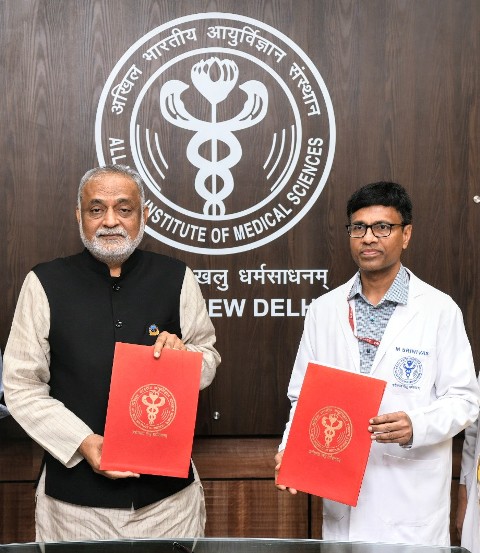
Hyderabad/New Delhi, 30 March 2023: Heartfulness Institute makes a landmark partnership with All India Institute of Medical Sciences by signing an MoU in New Delhi. The MoU was signed between ‘Daaji’ – President of Shri Ram Chandra Mission, Founder and Guide of Heartfulness Meditation Worldwide, and Dr M. Srinivas – Director, All India Institute of Medical Sciences, New Delhi. The purpose of the agreement between the parties is to make Heartfulness meditation and relaxation techniques specifically related to Health and Medicine and to put to best use and apply each party’s infrastructure and capabilities to conduct research, education at universities, institutions, corporate houses, schools and colleges, Government Departments, Medical professionals etc, and other related activities in collaboration. The aim of education and research activities is to bring meditation and sciences in the day-to-day life and impacting various aspects of human health and wellbeing.

Collaborative research will also include the field of cancer, diabetes, cardiovascular and other diseases, catering to the areas of preventive, curative and palliative care with an objective to improving the quality of life of the patient and their family. Research will also involve areas like epigenetics, intuition and infertility related issues. Both the parties will also submit joint proposals and white papers to Government or private agencies or organisations when opportunity arises and present final research papers at events and seminars jointly organised. In the near-term, parties have agreed to jointly organize a conference on “Consciousness based Medicine” later this year as part Azadi ka Amrit Mahotsav celebrations.

The MoU also opens door for investment for the parties in in-house research initiatives. Any patent resulting from research shall be applied jointly with joint claim on ownership of any invention, discovery, knowledge or copyright arising thereof. A specific Proposal or Statement of Work (SOW) shall be drafted and signed by both the parties for the work taken up and outline the financial commitments.

Speaking on the occasion, Daaji (Shri Kamlesh D. Patel) – Founder of Heartfulness Institute and Guide of Heartfulness Meditation Worldwide said, “This MoU is momentous because it will help in collaborative research and education in the sphere of meditation and science at the same time. There is a direct correlation between a healthy spirit and a healthy body. Science has time and again proven that meditation leaves positive impacts on mind and body. We want to delve deeper and make the outcomes beneficial to the mankind.”

“The agreement gives us an opportunity to explore more beyond what is already known to medical sciences in terms of inner wellness. The idea is to help people acquire holistic wellness backed by science. Previous research at universities abroad have already shown how Heartfulness meditative techniques are instrumental in positive behavioral changes as well. With the MoU we hope to take it further in our understanding of how it can contribute to preventive medicine as well,” said Dr M. Srinivas – Director, AIIMS, New Delhi.