Advanced AI-powered software enhances 3D mammography image clarity to support early breast cancer detection at no additional cost to patients
SCOTTSDALE, Ariz., October 2, 2026 – SimonMed, a leading company in radiology, imaging and longevity technology, on Thursday announced that it will become the first imaging provider in Arizona to introduce Pristina Recon DL, GE HealthCare’s advanced AI-powered mammography image reconstruction technology.
The software will be integrated into GE HealthCare’s Senographe Pristina mammography system at SimonMed’s Scottsdale Mountain View location, with the first patient examinations anticipated in early October, coinciding with Breast Cancer Awareness Month.
Pristina Recon DL uses two deep learning models to enhance image quality and improve the visualization of subtle details that may be important in identifying breast cancer. The technology delivers sharp, clear 3D mammography images without increasing radiation dose or changing the patient exam experience.
For patients, this means access to advanced imaging technology designed to provide greater diagnostic clarity while maintaining a comfortable, efficient screening experience. Regular screening lowers a woman’s risk of dying from breast cancer by 26%, and when breast cancer is caught while still localized, the five-year survival rate climbs to 99%* — underscoring why sharp, clear imaging at the point of screening matters so much.
“Early detection saves lives, and our mission at SimonMed is to bring the most advanced, life-saving technology to the communities we serve without creating additional financial barriers for patients,” said John Simon, MD, Founder and Chief Executive Officer of SimonMed. “By bringing this technology to Arizona first, we’re giving our radiologists even clearer images to help identify subtle signs of breast cancer and providing referring physicians with the advanced imaging they rely on to care for their patients. And we’re making these advances available at no additional cost. That’s what innovation should look like in healthcare.”
In a GE HealthCare preference study, radiologists preferred the overall image quality of Pristina Recon DL in 99.11% of image evaluations compared to previous digital breast tomosynthesis (DBT) reconstruction. Pristina Recon DL shows superior performance in the detection of microcalcification clusters and masses in a trial with modeled clinical data.
For referring providers, the technology represents another advancement in the imaging and diagnostic expertise available to their patients. By providing radiologists with sharp, clear 3D mammography images, SimonMed aims to support the identification and evaluation of subtle findings, helping physicians make informed decisions about patient care and recommended next steps.
“At GE HealthCare, we’re focused on developing innovations that give clinicians the clarity and confidence they need to deliver exceptional patient care,” said Victoria Daly, VP, Women’s Health, US and Canada, GE HealthCare. “By implementing Pristina Recon DL, SimonMed is bringing advancements in deep learning image reconstruction to women in Arizona, combining exceptional image quality with an efficient, patient-centered mammography experience. Together, we’re helping expand access to innovative solutions that can help support early detection of breast cancer.”
Brainomix Announces New Phase III INBUILD® Data Highlighting Potential of Quantitative CT to Predict Disease Progression and Assess Treatment Response in Progressive Pulmonary Fibrosis
OXFORD, UK and CHICAGO, October 1st, 2026 – Brainomix, a leading medtech company specializing in AI-powered imaging tools for lung disease and stroke, today announced new data published in the esteemed American Journal of Respiratory & Critical Care Medicine (AJRCCM), in which researchers used Brainomix e-Lung to assess quantitative CT measures. The researchers demonstrated that these measures were sensitive to the effects of antifibrotic treatment and associated with clinically relevant disease progression and treatment response in patients with progressive pulmonary fibrosis (PPF).
The study, an analysis of the INBUILD® HRCT sub-study involving 474 patients, evaluated quantitative CT measurements derived using both Brainomix e-Lung software and the University of California, Los Angeles (UCLA) research algorithm. This study is the first systematic assessment of two quantitative CT approaches on the same dataset: the UCLA QLF/QILD research algorithms in parallel with Brainomix e-Lung software. The broad consistency between the two methods provides important cross-validation of quantitative CT (qCT) for ILD clinical trials.
The researchers showed that nintedanib had significant effects on changes in e-Lung Total Disease Extent (TDE) at both 24 and 52 weeks, with significant effects also observed for e-Lung Reticulovascular Score (RVS) and Weighted Reticulovascular Score (WRVS) at week 24. The analysis also found that higher baseline quantitative CT measurements – including TDE, RVS and WRVS – were associated with a greater rate of FVC decline over 52 weeks.
Together, the findings demonstrate the potential value of quantitative CT in clinical trials: complementing conventional measures, such as FVC, by providing more sensitive and direct measures of pathological changes in the lung to stratify patients and evaluate treatment efficacy. By enabling more targeted assessment of disease progression and treatment response, quantitative CT could revolutionize the design of clinical trials focused on more sensitive and relevant mechanistic measures of disease activity, potentially accelerating the development and evaluation of new treatments for patients with PPF.
The study’s lead author, Professor Anand Devaraj, Consultant Thoracic Radiologist at Royal Brompton Hospital and Medical Director at Brainomix, said: “These findings add to the growing evidence that quantitative CT can provide important information about structural lung disease that may be complementary to conventional measures such as FVC. In this analysis of patients with PPF, quantitative CT measurements were associated with subsequent disease progression and were sensitive to the effects of antifibrotic treatment. The findings support the continued development and incorporation of quantitative CT as an objective biomarker for clinical trials and, potentially, for monitoring disease progression in clinical practice.”
Susanne Stowasser, MD, co-author of the study and Head of Clinical Development Pulmonology/Rheumatology at Boehringer Ingelheim International GmbH, said: “The INBUILD trial has provided important insights into the treatment of patients with progressive pulmonary fibrosis, and these new analyses demonstrate the potential value of quantitative CT as an additional measure of disease progression and treatment response. The ability to detect meaningful changes in lung structure alongside established clinical measures could help strengthen the evidence base for antifibrotic therapies and inform the design of future clinical trials.”
Miami, FL – September 30, 2026 – The Global Wellness Summit™ (GWS), the foremost gathering of leaders in the global wellness economy, takes place November 10–13 at Angsana Laguna Phuket in Thailand.
With longevity recently redefining the wellness space and quickly becoming a multi-billion-dollar market and a new consumer mindset, the conference will explore the rapid transformation of this new medical-wellness pillar. In a few short years, we’ve seen longevity evolve from a niche obsession among tech bros into a mainstream movement, along with a shift of focus from lifespan to healthspan—the number of years lived in good health. The field has also moved beyond protocols designed exclusively for men to interventions specific to women’s biology of aging. Longevity has also become more serious: it’s no longer just the individual pursuit of wealthy elites, but a new effort by governments to create policies that drive more healthy, productive years in the face of a rapidly aging world. The space now spans everything from complex biotech experiments to the “natural longevity” of the Blue Zones; it’s about both the clinical and human connection.
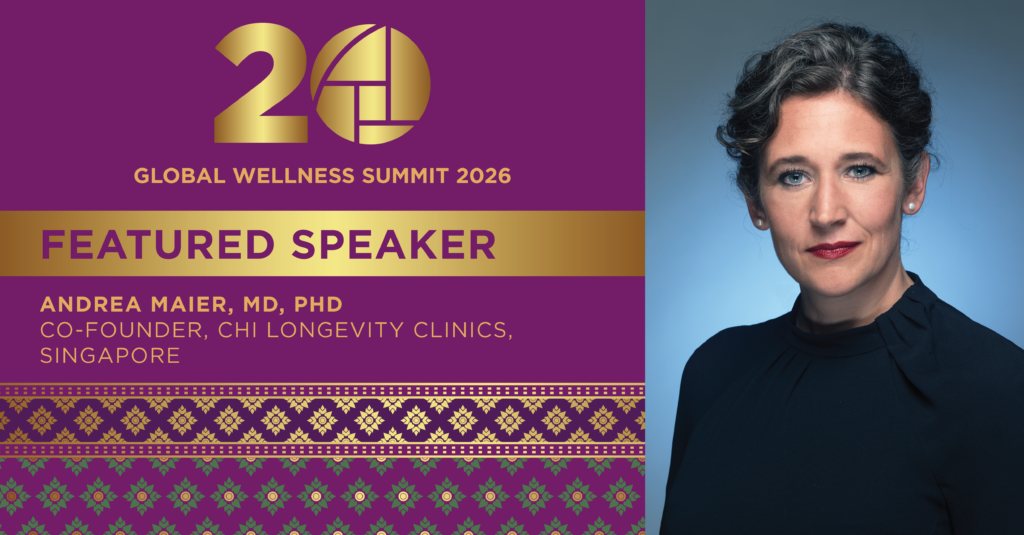
The Summit today announced that Andrea B. Maier, MD, PhD, one of the world’s top experts in healthy aging, longevity medicine and precision geroscience, will join the conference to spearhead the exploration of what’s next in longevity and healthspan and what it means for the wellness industry. She will keynote on “Health Optimization: Integrating Consumer-Led Health and Precision Geromedicine.”
Maier’s achievements are extraordinary and her vision is unique. She’s professor of medicine at the National University of Singapore (NUS), where she is co-founder and director of the clinical trial center, the NUS Academy for Healthy Longevity, leading the team just named one of the 20 finalists in the $101 million XPrize Healthspan competition, which identifies the boldest science and most promising therapeutics helping people to live not just longer, but healthier lives. NSU and Maier’s finalist project PROMETHEUS is a new, personalized framework for longevity, using multimodal interventions (lifestyle and diet interventions, a slate of nutraceuticals and repurposed drugs), all precision-prescribed based on the person’s specific gerotype and dynamically adapted based on treatment response. Her team will now conduct rigorous trials in advance of the XPrize winner being named in 2030.
Maier is also the author of over 500 peer-reviewed publications, advises influential organizations such as the UN and the World Health Organization, and is professor of gerontology at Vrije Universiteit Amsterdam in The Netherlands. She is founder of Chi Longevity, Asia’s first evidence-based longevity medicine clinic, grounded in The Maier Method, which tests people’s unique biology (whether their genetic, epigenetic or metabolic measures) to identify precision interventions.
As a longevity scientist, Maier is different. She’s passionate about solving longevity’s evidence problem. Her methods are firmly grounded in an integrative, medical-wellness approach: precision diet, exercise and psychosocial health interventions are key. And rather than simply providing concierge services to the rich, she works hard to bring longevity medicine to all. She co-founded the NUS Academy for Healthy Longevity to conduct the trials needed to give longevity medicine a solid scientific base, to translate that science into real-world, right now solutions, and critically, to train doctors in longevity science. As she has noted, we now have zero capacity to do that and are accepting anyone that calls themselves a “longevity physician”—a dangerous problem that is also making it impossible to grow private clinics and programs. For her deep, innovative body of research, for her commitment to evidence and bringing longevity to the masses, TIME magazine just named her one of the 12 longevity leaders for 2026.
“After seeing Dr. Maier present at the Roundtable of Longevity Clinics at the Buck Institute for Research on Aging last year, I immediately knew that we had to have her drive the discussions on the future of longevity and healthy aging at this year’s Summit,” said Susie Ellis, GWS chair and CEO. “She is brilliant, an activist for evidence-based, truly integrative and democratic longevity approaches—and brings a much-needed woman’s perspective to a male-dominated field. Her work is not about some far-off magic longevity drug, but creating the science-based interventions that can make a difference now.”
In addition to keynoting, Maier will lead an intimate “After Dinner Conversation” on November 10.
Maier joins a rich, diverse group of keynotes on the future of longevity and healthspan, including Dan Buettner, founder of the Blue Zones movement; George Gaitanos, MSc, PhD, chief operating and scientific officer of Chenot Group, which has spent over 50 years redefining conventional thinking on aging at its global wellness resorts; Christopher Asandra, MD, founder and medical director of AsandraMD in California, a precision and age-management medicine leader, with a unique focus on women’s longevity; and Tanupol Virunhagarun, MD, CEO of BDMS Wellness Group, a leading preventive healthcare and scientific longevity provider in Thailand.
Doctoral dissertation research investigated how the family environment in childhood affects health in midlife. The study showed that only children have a more unfavourable profile of risk factors for cardiovascular disease throughout their lives. Furthermore, exposure to parental smoking had a negative impact on cardiovascular health and cognitive performance even in middle age.
Cardiovascular disease and cognitive decline remain leading causes of morbidity and mortality worldwide. Several risk factors have been identified for these diseases, but they do not fully explain the disease burden.
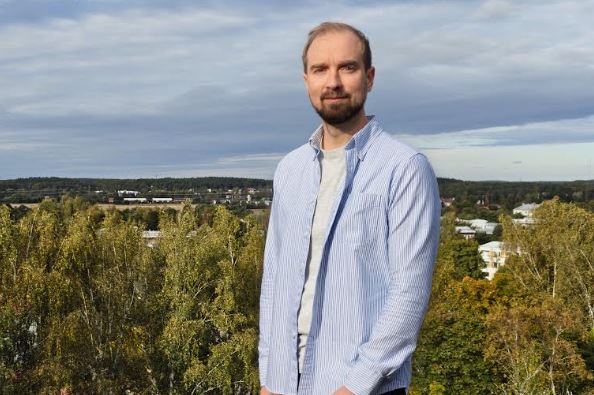
MD Jukka Pihlman, specialist in internal medicine and a doctoral researcher at the University of Turku in Finland, investigated in his doctoral dissertation whether family-related factors experienced in childhood affect health even decades later.
The research data were derived from the population-based Cardiovascular Risk in Young Finns Study, which has followed the participants from childhood for over 30 years.
The participants’ health was studied by examining cardiovascular risk factors, the structure and function of the heart using ultrasound, early signs of atherosclerosis, i.e. hardening of the arteries, and cognitive performance in middle age using standardised tests.
Passive smoking has an impact even in middle age—as does being an only child
The key research findings showed that exposure to parental smoking during childhood was linked to changes in heart structure and poorer cognitive performance in middle age. In particular, episodic memory, i.e. autobiographical memory, as well as working memory and learning were weaker in individuals who had been exposed to tobacco smoke during childhood.
Furthermore, the study found that the number of siblings was associated with risk factors for cardiovascular and metabolic diseases throughout the course of life. Only children had a less favourable profile of risk factors for cardiovascular disease even in childhood, such as a higher body mass index and lower levels of physical activity. Furthermore, they were found to have higher rates of obesity and high blood pressure in adulthood.
The research provides new information about how the effects of family environment may extend considerably further than previously understood:
“Although the harmful effects of passive smoking during childhood are well known, the results of our study suggest that these effects may still be evident in the structure of the heart and cognitive function in middle age. Furthermore, the study shows that family size and the number of siblings may be associated with later cardiovascular and metabolic health, regardless of several other known socio-economic and lifestyle factors,” Pihlman states.
The findings highlight the importance of protecting children and young people from exposure to second-hand smoke. They also suggest that factors relating to family structure could be utilised in identifying children and young people who may be at a higher risk of developing health problems later in life.
The study reinforces the view that the foundations of people’s health are laid in early childhood and that preventive measures targeting early-life circumstances may potentially reduce the risk of cardiovascular disease and cognitive decline later in life.
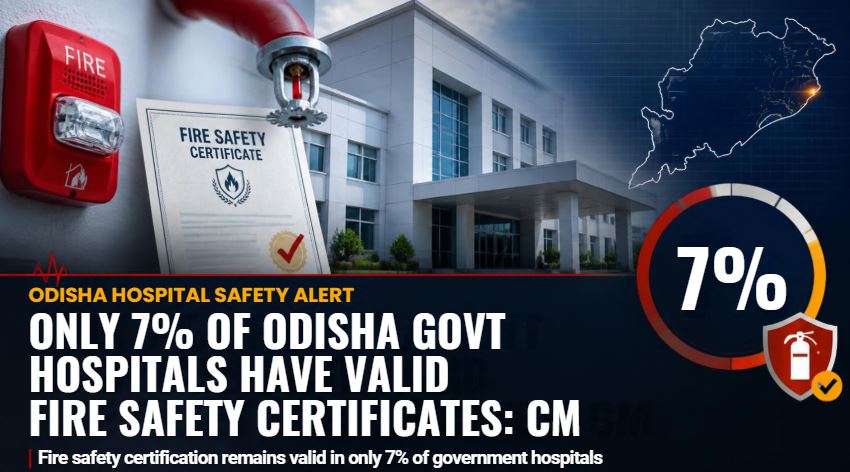
Bhubaneswar, Sept. 29 (UDN): Only 17 out of 241 government hospitals in Odisha that are required to have Fire Safety Certificates currently hold valid certificates, Chief Minister Mohan Charan Majhi informed the State Assembly on Monday.
Representational Image
The figure means just 7.05 per cent of the government hospitals covered by the mandatory fire-safety requirement have valid certification.
241 Govt Hospitals Require Certification
In a written reply to a question raised by Basta MLA Subasini Jena, the Chief Minister said Fire Safety Certificates are mandatory for 241 of the state’s 747 government medical colleges and hospitals, District Headquarters Hospitals, Sub-Divisional Hospitals and Community Health Centres.
The requirement comes under the Odisha Fire Safety Rules, 2017, along with subsequent amendments.
Of the 241 facilities requiring certification, only 17 have obtained valid Fire Safety Certificates, according to the government’s reply.
Hospitals Asked To Apply
The Chief Minister said government hospitals that have not yet obtained the mandatory certificates have been advised to apply in accordance with the prescribed rules.
He further stated that steps are being taken under the Odisha Fire Safety Rules and amended provisions to address identified deficiencies and initiate appropriate action.
Balasore Has 10 Certified Facilities
The Assembly was also informed about the fire-safety status of hospitals and health facilities in Balasore district.
There are 65 government and private medical colleges and hospitals, District Headquarters Hospitals and Community Health Centres in the district where Fire Safety Certificates are mandatory.
Of these, 10 facilities have obtained Fire Safety Certificates, according to the Chief Minister’s written reply.
The remaining government and private health facilities have been advised to obtain the certificates as per the prescribed norms.
The government has stated that corrective measures are being pursued to address fire-safety deficiencies and ensure compliance with the applicable rules.
Mumbai, Sept 29: Heart disease is no longer a health concern that can be viewed primarily through the lens of age. Mumbai’s fast-paced urban lifestyle, coupled with sedentary habits, tobacco exposure, unhealthy dietary patterns, obesity, diabetes, hypertension, abnormal cholesterol, chronic stress and inadequate sleep, is creating a growing cardiovascular risk burden—even among people who may appear healthy and symptom-free.
The concern extends beyond conventional lifestyle factors. A study assessing the health impact of particulate pollution in Mumbai estimated that 10,880 deaths annually were attributable to PM2.5 exposure in 2015, with ischemic heart disease accounting for about 33.3% of PM2.5-attributable mortality in the analysis. More recent research across Indian cities has also found that a 10 µg/m³ increase in short-term PM2.5 exposure was associated with a 1.4% increase in daily mortality, highlighting the wider health implications of urban air pollution.
“Heart disease is no longer a condition that can be viewed primarily through the lens of age. We are increasingly seeing the importance of identifying cardiovascular risk much earlier, particularly among individuals with multiple risk factors,” said Dr. Ashish Mishra, Consultant Interventional Cardiologist, Wockhardt Hospitals, Mira Road.
According to Dr. Mishra, hypertension, diabetes and dyslipidemia can remain clinically silent while progressively affecting blood vessels and the heart. The combination of multiple risk factors can accelerate cardiovascular risk, making early identification particularly important.
“Preventive cardiology should move from a symptom-driven approach to a risk-based approach. A young person may feel completely healthy while already having several interacting cardiovascular risk factors. The objective is not to subject everyone to extensive cardiac testing, but to identify those who require earlier assessment based on their personal and family history, metabolic profile and lifestyle,” Dr. Ashish Mishra, Consultant Interventional Cardiologist, Wockhardt Hospitals, Mira Road added.
Dr. Anand Ram, Consultant Cardiologist, Apex Group of Hospitals, Mumbai, emphasised that warning symptoms should never be dismissed, particularly when they are sudden, unusual or persistent. “Heart health should never be treated as an issue that can wait. Symptoms such as chest discomfort, breathlessness, unusual sweating, sudden fatigue or palpitations may sometimes indicate an underlying cardiac problem and should not be ignored,” said Dr. Ram.
He added that Mumbai’s urban lifestyle can make preventive health particularly challenging, with prolonged sitting, irregular eating patterns, stress, smoking and uncontrolled blood pressure or diabetes potentially adding to cardiovascular risk.
“The key is early recognition and timely medical evaluation. Regular health check-ups, a heart-healthy diet, physical activity, adequate sleep and effective management of risk factors can go a long way in protecting the heart. Most importantly, prevention is not a one-day effort—it is a lifelong commitment to better heart health,” Dr. Anand Ram, Consultant Cardiologist, Apex Group of Hospitals, Mumbai said.
For Mumbai citizens, experts emphasise that cardiovascular prevention should begin before symptoms appear—with awareness of personal risk, regular monitoring and timely medical intervention when required.
Sept. 29 (UDN): Every heartbeat is a reminder that the body is constantly working to keep us alive. Yet heart health is often overlooked amid busy schedules, unhealthy eating habits and sedentary lifestyles.
Representational Image
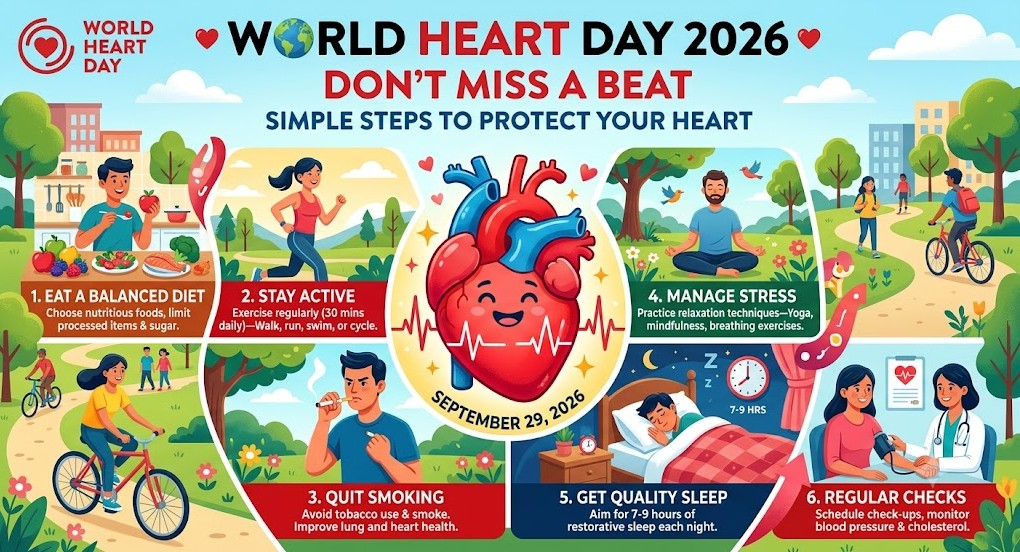
Observed every year on September 29, World Heart Day serves as a reminder to pay attention to cardiovascular health and take preventive steps before health risks turn into serious problems.
This year’s message, “Don’t Miss a Beat,” highlights the importance of recognising cardiovascular risks, making healthier choices and seeking timely medical advice.
Everyday Habits Can Affect Heart Health
Modern lifestyles have brought several risk factors for cardiovascular disease into sharper focus. Lack of physical activity, unhealthy diets, smoking, excessive alcohol consumption and prolonged stress can all contribute to poor heart health.
Diets high in salt, saturated fats and other unhealthy fats can also increase cardiovascular risk, particularly when combined with physical inactivity and other lifestyle factors.
Heart-related health concerns are not limited to older adults. Cardiovascular risk factors can develop earlier in life, making prevention and regular health monitoring important across age groups.
Small Changes Can Make a Difference
Protecting heart health does not necessarily require drastic lifestyle changes. Consistent, manageable habits can form an important part of a healthier routine.
Some basic measures include:
Staying physically active and incorporating regular walking or exercise into the daily routine Eating a balanced diet with more fruits, vegetables and whole foods Limiting excess salt and unhealthy fats Avoiding tobacco and smoking Keeping alcohol consumption within recommended limits Maintaining a healthy body weight Finding healthy ways to manage stress Getting adequate sleep
The right approach can vary from person to person, particularly for people who already have health conditions or cardiovascular risk factors.
Don’t Ignore Routine Health Checks
Lifestyle changes are only one part of heart-health prevention. Regular health monitoring can help identify important risk factors before they cause noticeable symptoms.
Checking blood pressure, blood glucose and cholesterol at appropriate intervals can help people understand their cardiovascular risk and seek medical advice when needed.
People with existing medical conditions, a family history of heart disease or other risk factors may require more regular monitoring as advised by their healthcare professional.
Listen to Your Heart—Before It Becomes an Emergency
World Heart Day is more than a date on the calendar. It is an opportunity to take stock of everyday habits and recognise that prevention often begins with simple decisions.
A little more movement, a healthier plate, less tobacco, better stress management and timely health checks can all contribute to a healthier lifestyle.
This World Heart Day, the message is simple: don’t wait for a warning sign to start caring for your heart. Every beat counts.
Hyderabad, September 26, 2026: A new generation of AI-powered long-term cardiac monitoring technology is formally entered the Indian market with the launch of Kardi Ai, a Czech HealthTech solution that combines a wearable ECG device, mobile connectivity and AI-supported ECG analysis for long-term heart-rhythm monitoring.
The technology is officially launched on Saturday evening at Daspalla Hotel, Jubilee Hills, Hyderabad, by Dr Balakrishna, Jt Director, Ministry of Electronic and IT, Govt of India in the presence of Ing. Vlastimil Hrabal, Co-Founder and CEO, Kardi Ai; Dr. Ramana Jagarlamudi, Director – International Operations & Authorized Representative – India, Kardi Ai; Dr. Raghavendra Rao, Scientific Adviser & Co-Founder, Eurasia Medical Technologies LLP; and Ing. Josef Hrubec, MBA, Director, CzechTrade India – Bengaluru and Regional Director, Middle East & India, CzechTrade, Krish Jagarlamudi, well known film Director along with cardiologists, doctors, healthcare professionals and other stakeholders.
Addressing a gathering of more than 200 people, Ing. Vlastimil Hrabal, Co-Founder and CEO, Kardi Ai, said, “At Kardi Ai, we are pioneers in the digital transformation of healthcare. We have created a tool that, with the help of artificial intelligence, makes long-term ECG monitoring a simple, affordable process that can be seamlessly integrated into everyday life.”
He said that cardiac rhythm abnormalities can be unpredictable and may not occur during a short ECG examination or even during a conventional 24-hour Holter recording.
“Hyderabad has around 700 cardiologists, while the Czech Republic has around 1,000. The device helps prevent heart strokes, many hearts can be saved and lives can be prolonged, he added.
“An ECG is a snapshot of the heart. A Holter provides a recording for a limited period, typically 24 hours. Kardi Ai enables long-term observation of heart rhythm, giving physicians a larger window in which intermittent abnormalities can potentially be identified,” he said.
A conventional ECG captures the heart’s electrical activity for a short period, while a Holter monitor records it continuously for a defined period, commonly 24 hours. Kardi Ai is designed to extend the monitoring period, enabling ECG data to be collected during a patient’s normal daily activities.
The patient wears a lightweight ECG chest strap, while the recorded data is transmitted through the mobile platform. AI-supported analysis assists physicians in reviewing the recordings and identifying potential rhythm abnormalities.
The company says its technology can help identify intermittent cardiac rhythm disturbances that may otherwise go undetected during shorter monitoring periods.
According to Kardi Ai, its long-term monitoring approach can significantly improve the opportunity to detect intermittent arrhythmias. The company reports detection rates of up to 40% with its solution, compared with approximately 2–5% cited for conventional Holter monitoring. The exact detection rate can vary depending on the monitoring protocol, patient population and clinical definition used.
Kardi Ai’s own published materials also highlight the value of long-term monitoring in detecting arrhythmias that may not appear during short-duration examinations.
The technology is intended to support physicians and does not replace clinical diagnosis or medical decision-making. The Kardi Ai patient guidance states that the app performs a preliminary AI-supported analysis and that definitive diagnosis must be made by a physician following appropriate clinical evaluation.
Kardi Ai is being introduced in India as a prescription-grade medical technology, rather than as a consumer fitness device.
According to the company, the device has obtained an MD-15 licence from the Government of India for import and sale in India. It is CE marked under the European Union medical-device regulatory framework and is classified as an EU MDR Class IIa medical device.
The company also states that its manufacturing and quality-management processes are aligned with ISO 13485, the international quality-management standard for medical devices.
Speaking at the launch, Ing. Josef Hrubec, Director, CzechTrade India – Bengaluru and Regional Director, Middle East & India, CzechTrade, highlighted the growing presence of Czech businesses in India.
He said that more than 37 Czech companies operate in India, with investments exceeding US$283 million, with significant activity in sectors including automotive, engineering and infrastructure.
Referring to Kardi Ai, he said, “Kardi Ai is an interesting new-generation Czech company. It represents the growing diversity of Czech innovation in India, moving beyond traditional engineering and manufacturing into areas such as HealthTech, artificial intelligence and digital healthcare.”
CzechTrade is the Government Agency of the Czech Republic responsible for promoting trade and facilitating cooperation between Czech and foreign businesses.
The India launch of Kardi Ai is being facilitated by Hyderabad-based Eurasia Medical Technologies LLP, the Indian arm and authorised representative for Kardi Ai.
Dr. Ramana Jagarlamudi, Director – International Operations & Authorized Representative – India, Kardi Ai, and Dr. Raghavendra Rao, Scientific Adviser & Co-Founder, Eurasia Medical Technologies LLP, said the technology is being introduced at a time when healthcare is increasingly moving towards remote monitoring, digital health and AI-assisted clinical decision support.
He also shared that they were exploring to set up a manufacturing of the same in future.
The central proposition of Kardi Ai is simple: when a cardiac rhythm abnormality is intermittent, a longer period of observation can provide physicians with more information than a short snapshot.
The launch brought together cardiologists, physicians, healthcare professionals and technology stakeholders to discuss cardiac arrhythmias, long-term ECG monitoring, remote cardiac care and the role of AI-supported ECG analysis in clinical practice.
With the theme “From Signal to Insight for Healthier Lives,” the India launch marks Kardi Ai’s entry into the Indian healthcare market and opens a new chapter in long-term cardiac rhythm monitoring.
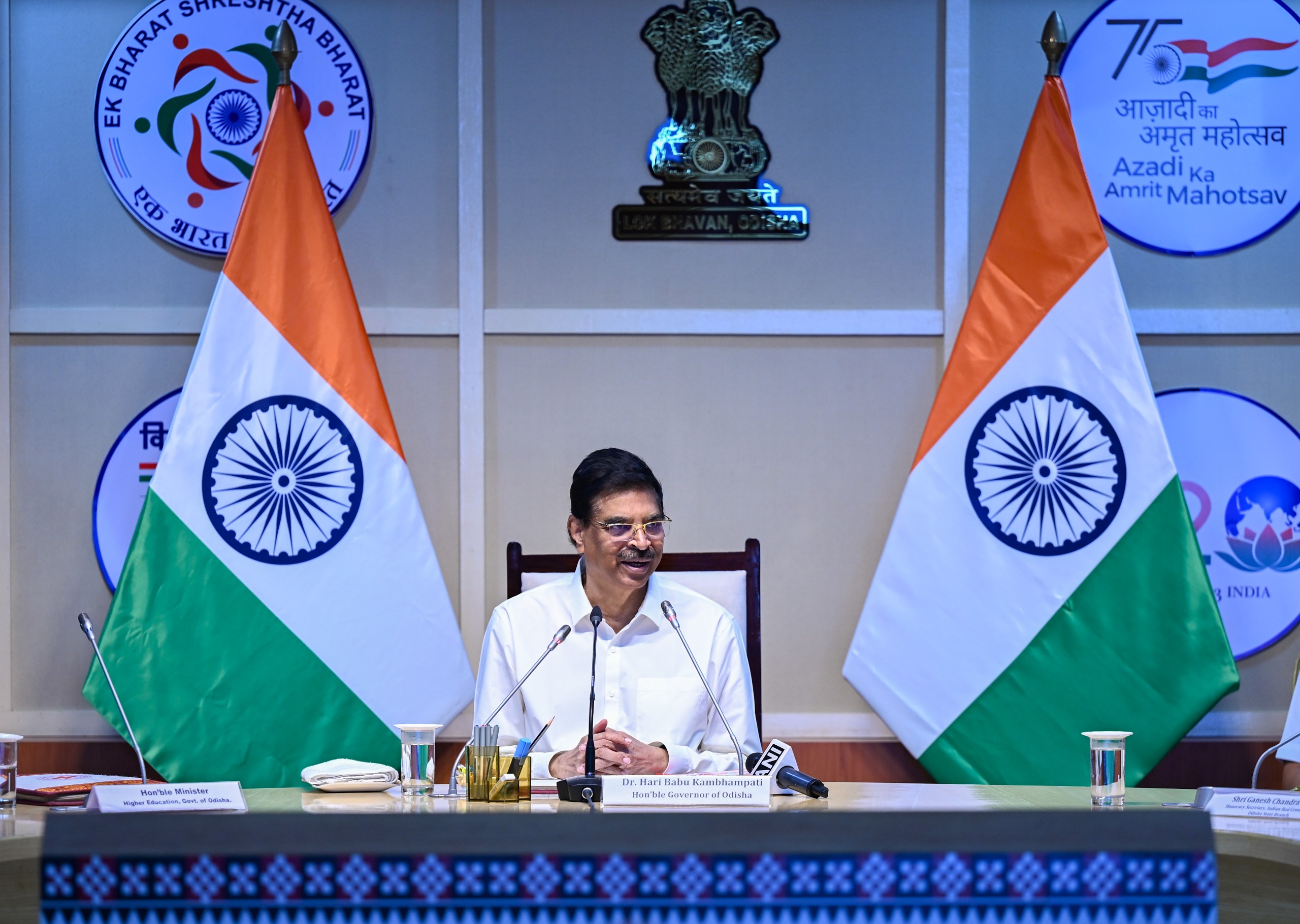
Bhubaneswar, Sept. 26 (UDN): Odisha Governor Hari Babu Kambhampati has called for a sustained, long-term awareness campaign on thalassemia to improve early identification of cases and strengthen public understanding of the blood disorder in the state.
Pic Credit: x.com/DrHariBabuK
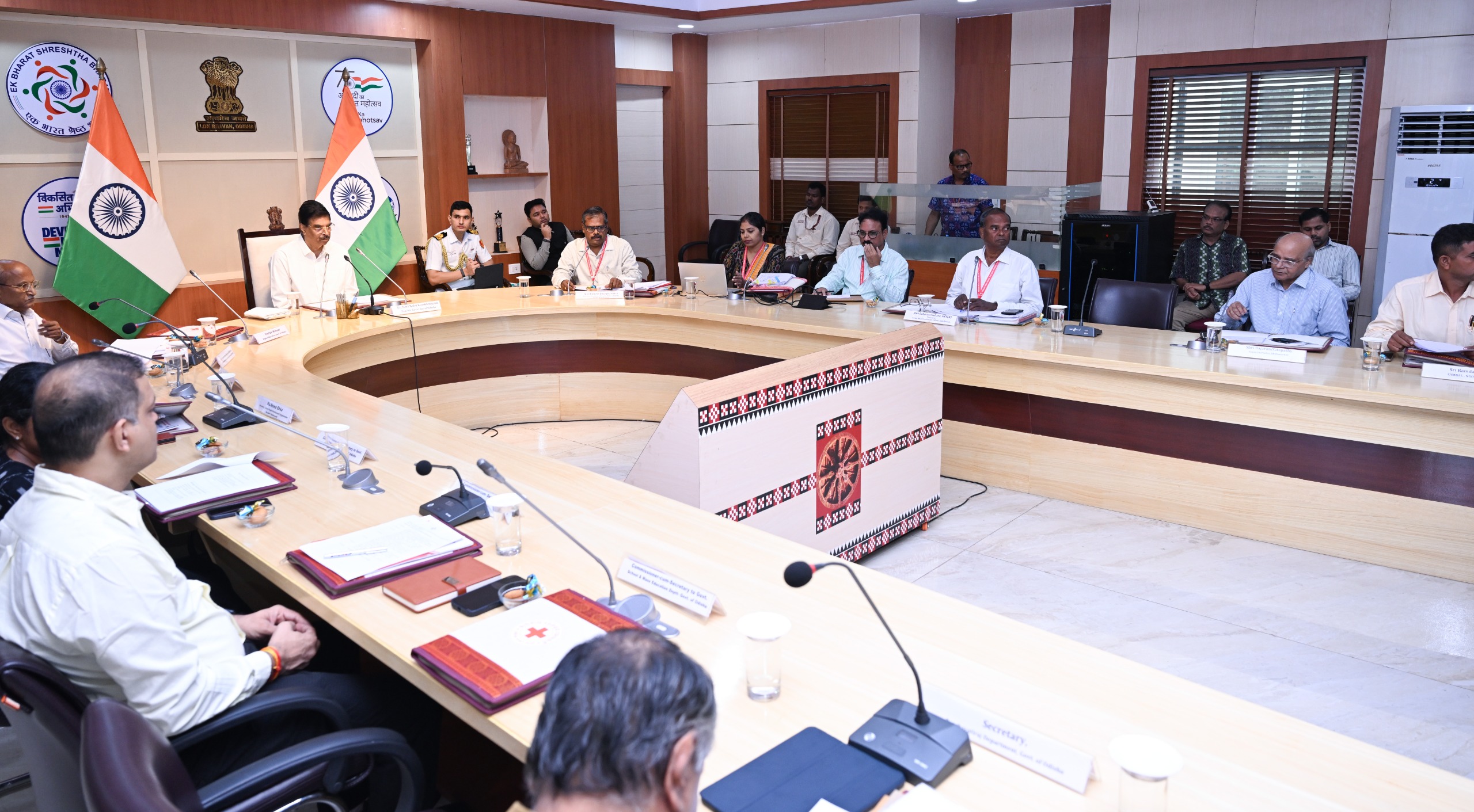
The Governor made the observation while chairing the executive committee meeting of the Indian Red Cross Society, Odisha State Branch (IRCS-OSB) at Lok Bhawan in Bhubaneswar on Friday.
Highlighting the need for continued public outreach, Kambhampati said a long-term awareness programme could help identify undetected cases, particularly in view of the reported number of people affected by thalassemia in the state.
He also advised the Red Cross to explore Corporate Social Responsibility (CSR) support from corporate organisations to strengthen and expand its various welfare initiatives.
The Governor further directed that the IRCS-OSB executive committee should meet at least three times a year to facilitate regular monitoring, review ongoing programmes and ensure timely follow-up on decisions.
Focus on Elderly Care
Reviewing the organisation’s humanitarian and social welfare activities, Kambhampati appreciated the Red Cross’s initiatives in healthcare and community service.
He suggested specialised training programmes for volunteers involved in elderly care, while advising the organisation to obtain necessary government approvals and explore cooperation with the Union Ministry of Social Justice and Empowerment.
The Governor described the Indian Red Cross Society as an institution dedicated to selfless service and called for further strengthening the Red Cross movement in Odisha through greater participation of young people and volunteers.
He also emphasised expanding services and support for people in need across the state.
Officials Attend Meeting
Senior officials from the Health and Family Welfare, Higher Education, Panchayati Raj and Drinking Water departments attended the meeting along with members of the IRCS-OSB executive committee and representatives of other concerned departments.
IRCS-OSB Honorary Secretary Ganesh Chandra Patra presented the organisation’s activity report, outlining its programmes and initiatives undertaken in the state.
For millions of people, Sunday morning feels like the one opportunity to catch up.
The alarm is switched off. The workweek is over. There is nowhere to rush. So the body gets what it appears to have been asking for all week: a few extra hours in bed.
Sleeping until 10 a.m., 11 a.m. or even noon can feel wonderfully restorative after several nights of late work, early mornings, long commutes and endless screen time.
But there is a catch.
One long Sunday sleep may help you feel less tired, but it cannot completely undo a week of inadequate sleep.
Sleep recovery is more complicated than simply adding up the hours lost during the week and trying to repay them in one weekend.
The Weekend Recovery Myth
Consider a common routine.
Monday to Friday, a person sleeps around five or six hours a night. By Friday, they are tired, irritable and struggling to concentrate. Saturday night becomes an opportunity to sleep longer, followed by an even longer Sunday morning.
It feels like recovery.
And in one sense, it is. Additional sleep can reduce sleepiness and provide the body with more time for recovery.
But researchers have found that weekend catch-up sleep does not necessarily reverse all of the effects associated with repeated sleep restriction.
That distinction matters.
Feeling better is not necessarily the same as being fully recovered.
The American Academy of Sleep Medicine recommends that adults regularly obtain at least seven hours of sleep per night to support health and daytime alertness.
The goal, therefore, isn’t to build a sleep deficit during the week and settle the account on Sunday.
It is to avoid accumulating that deficit in the first place.
Your Body Doesn’t Have a “Reset” Button
One of the biggest misconceptions about sleep is that the body can simply compensate for lost hours whenever convenient.
It doesn’t work quite that way.
Sleep influences a wide range of biological processes, including brain function, metabolism, hormonal regulation, immune activity and cardiovascular health.
When insufficient sleep becomes a repeated pattern, the consequences can extend beyond feeling sleepy at work.
Research has linked habitual inadequate sleep with a range of health risks, although the relationship between sleep and individual health outcomes is complex and influenced by many other factors.
This is why occasional sleep loss should not be confused with chronic sleep deprivation.
A late night before an important presentation is one thing.
Getting five or six hours of sleep almost every night for months is something else entirely.
Why Sunday Can Create Another Problem
There is another side to the Sunday sleep trap.
Suppose your normal weekday schedule requires you to wake at 6:30 a.m. But after a tiring week, you sleep until noon on Sunday.
You have gained several hours of sleep.
However, Sunday evening may bring an unexpected consequence: you are no longer sleepy at your usual bedtime.
You stay awake scrolling through your phone, watching television or working late.
Monday morning arrives.
The alarm rings at 6:30.
You feel exhausted again.
The cycle starts over.
This is one reason sleep experts emphasize not only sleep duration but also regularity and timing.
Your internal biological clock responds to patterns. Large swings between weekday and weekend sleep schedules can make it harder for some people to maintain a consistent rhythm.
Catch-Up Sleep Isn’t Completely Useless
It is important not to turn this into another sleep myth.
Sleeping longer after a period of insufficient sleep isn’t necessarily bad.
If you have had a particularly short night, additional sleep can help reduce sleepiness. People recovering from accumulated sleep loss may also need extra sleep.
The problem is relying on this strategy as a permanent solution.
Think of it this way:
A weekend recovery sleep can be part of recovery. It shouldn’t become the entire recovery plan.
The National Institute for Occupational Safety and Health notes that after several days of insufficient sleep, recovery can require several nights of good-quality sleep.
That is very different from assuming that one extended Sunday morning completely resets the body.
For professionals, entrepreneurs, students and people working long hours, these effects can have practical consequences.
A tired employee may spend more time completing a task.
A sleep-deprived driver faces reduced alertness.
A business leader making important decisions may be operating with less-than-optimal attention.
The issue isn’t simply whether you can stay awake.
It is whether your brain and body are functioning at their best.
Seven Hours Is a Starting Point, Not a Competition
The American Academy of Sleep Medicine recommends that healthy adults regularly obtain seven or more hours of sleep per night.
But sleep requirements are not identical for everyone.
Age, lifestyle, health, activity levels and individual biology can influence how much sleep a person needs.
The important point is consistency.
Someone who needs eight hours cannot necessarily function optimally on six hours during the week simply because they sleep ten hours on Sunday.
Likewise, spending an excessive amount of time in bed does not automatically guarantee high-quality sleep.
Sleep quality matters as much as quantity.
What About Sleeping Until Noon?
Sleeping until noon occasionally is not automatically a health problem.
There may be perfectly reasonable explanations: travel, an unusually demanding week, illness, social commitments or a temporary disruption to the normal routine.
The concern arises when sleeping until noon every Sunday becomes necessary just to feel functional.
That could be a sign that the weekday sleep schedule is not providing enough rest.
If someone regularly sleeps for long periods but still feels exhausted during the day, the problem may also involve sleep quality or an underlying sleep disorder.
Persistent symptoms deserve professional attention rather than simply adding more weekend sleep.
The Better Weekend Approach
The answer isn’t to eliminate weekend relaxation.
Instead, rethink what the weekend is for.
Rather than using Sunday as a sleep rescue mission, use it as an opportunity to reinforce a healthier routine.
Protect your weekday sleep
Don’t wait until Friday to think about recovery.
If work requires an early start, set a realistic bedtime that provides enough opportunity for sleep.
Keep weekend timings reasonably consistent
You don’t need to wake at precisely the same minute every day.
But a huge difference between weekday and weekend wake times may make it harder to maintain a stable sleep-wake rhythm.
Use extra sleep strategically
If you are genuinely sleep-deprived, allowing yourself some additional sleep can be helpful.
Just don’t assume that sleeping half the day every Sunday compensates for chronic sleep restriction.
Reduce late-night stimulation
Phones, streaming platforms, work emails and social media can easily push bedtime later.
The problem often isn’t that people don’t have enough time to sleep.
It is that sleep keeps getting postponed.
Look for the underlying problem
If you repeatedly sacrifice sleep because of work, caregiving, commuting, entertainment or other commitments, the long-term solution is to address that pattern.
Weekend sleep cannot solve a schedule that is fundamentally incompatible with adequate rest.
The Sunday Night Test
There is a simple question worth asking:
After sleeping late on Sunday, can you still fall asleep comfortably at your normal bedtime?
If the answer is regularly “no,” your weekend sleep schedule may be pushing your biological clock later.
And if Monday morning consistently feels like a shock to the system, the solution may not be another Sunday lie-in.
It may be a more consistent sleep schedule across the entire week.
When Sleep Problems Need Attention
Occasional tiredness is normal.
Persistent sleep problems are different.
If you regularly experience difficulty falling asleep, frequent nighttime awakenings, loud snoring, gasping or choking during sleep, excessive daytime sleepiness or consistently unrefreshing sleep, it is worth discussing the problem with a healthcare professional.
Simply sleeping longer on weekends may not address the underlying cause.
The Bigger Lesson
Modern life encourages people to treat sleep as flexible.
Work runs late.
Phones stay beside the bed.
Streaming platforms make “one more episode” easy.
Emails arrive around the clock.
Social commitments stretch into the night.
And then Sunday becomes the day when the body is expected to recover from everything that happened during the previous six days.
But sleep isn’t a luxury that can always be postponed and repaid later.
The body needs regular opportunities to rest.
A longer Sunday sleep can certainly feel good. It can help reduce sleepiness after a difficult week. But it should not become a substitute for adequate sleep on the other six days.
The goal isn’t to become someone who never sleeps late.
The goal is to become someone who doesn’t need Sunday to recover from Monday through Saturday.
The Bottom Line
Sunday sleep can help—but it isn’t a reset button.
If poor sleep has become a weekly pattern, the most effective change is likely to come from improving the entire sleep routine rather than relying on one long weekend morning.
Sleep more consistently. Protect your bedtime. Keep your schedule reasonably stable. And treat rest as part of your daily health—not as something to catch up on once a week.
Because the best Sunday recovery plan is not needing to recover from the whole week.
Health Disclaimer: This article is intended for general health and wellness information. It does not replace professional medical advice, diagnosis or treatment. Persistent sleep difficulties or excessive daytime sleepiness should be discussed with a qualified healthcare professional.